
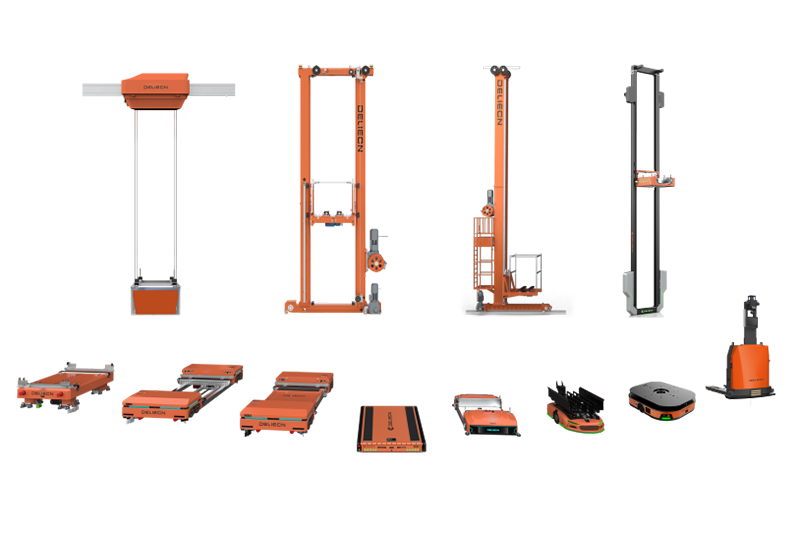
 AS/RS Handling Robot
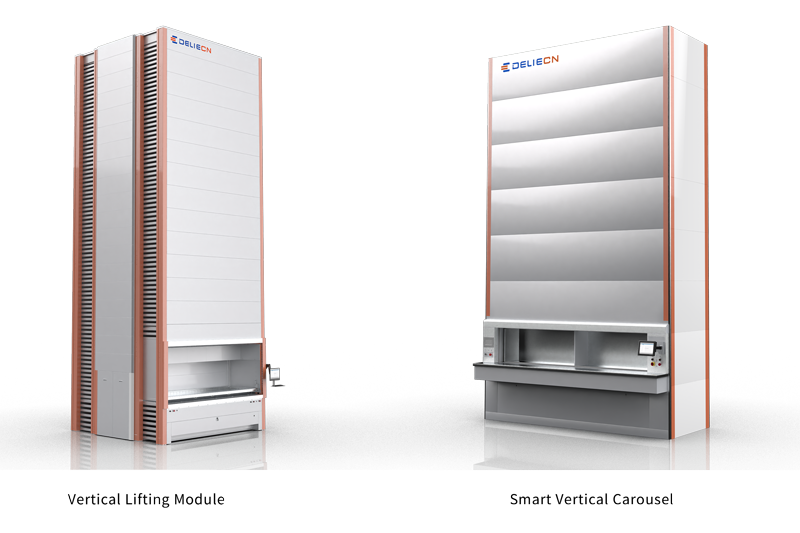 Vertical Storage Module
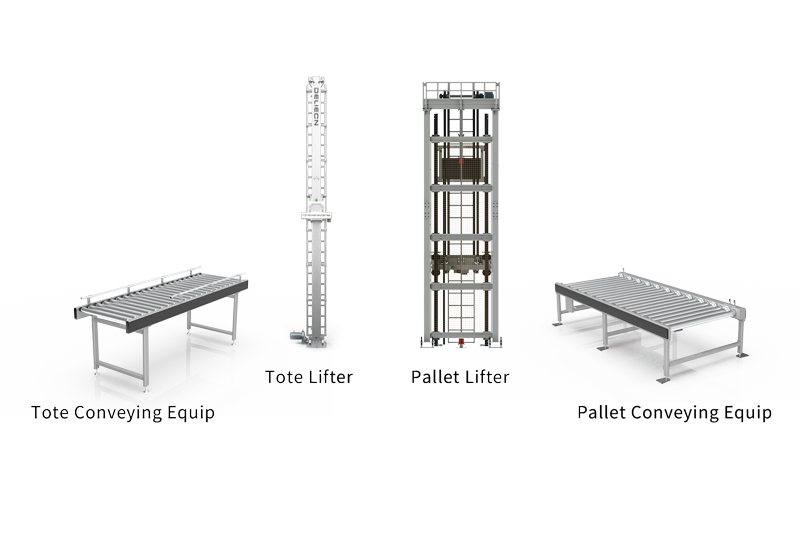 Conveying Equipment
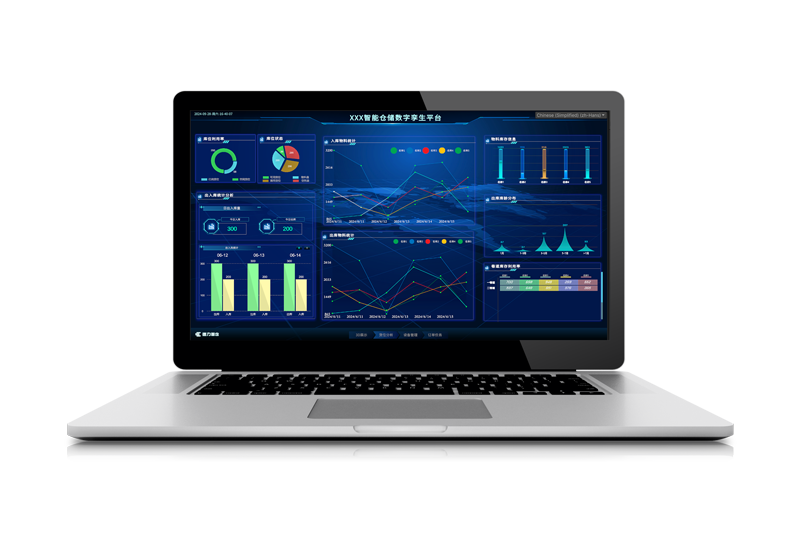 Smart Warehousing System
 Warehouse Racking
 Industries
 Services
 About Us

Pallet Shuttle Robots in Chemical plants: Where They Work and Where They Don't
In a continuous chemical plant, finished goods arrive on one clock and leave on another. Packaging releases pallets whenever the line runs. Shipping works to order schedules, truck arrivals and loading windows that have nothing to do with production. On a quiet outbound shift, inventory builds fast. When several trucks turn up together, the same building has to switch from receiving mode to rapid retrieval inside the hour.
When storage runs short, the first instinct is to ask for more pallet positions.
On paper that's reasonable. In practice it usually solves the smaller half of the problem.
After enough of these projects, we've learned to start somewhere else:
Where does this material flow actually lose capacity?
The answer tends to move the design away from racking. Packaging format, dust, the loading method at the dock, and the hour when inbound and outbound peak together usually decide more than the pallet count does.
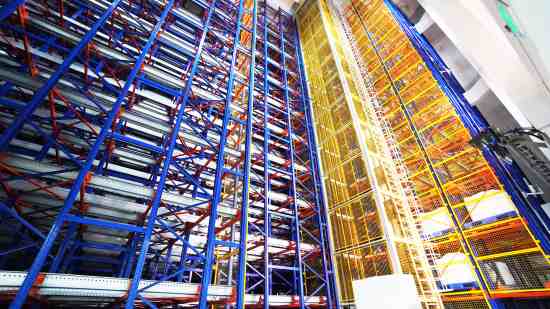
A magnesium sulfate project DELIECN delivered in Hunan is a useful place to start, because nearly every decision in it came out of that question.
The Constraint Is Rarely Storage Capacity
The plant produces monohydrate and heptahydrate magnesium sulfate in several packaging formats. Finished pallets had been kept on the floor, moved by forklift. It works until it doesn't — travel aisles occupied the area you need for inventory, and manual handling gets expensive, particularly for the heavy flow.
The obvious next step is to calculate the required storage volume and build the warehouse around that number. This project did produce such a number: 6,309 pallet positions.
But the harder question came after it. What happens during the busiest combination of inbound and outbound work?
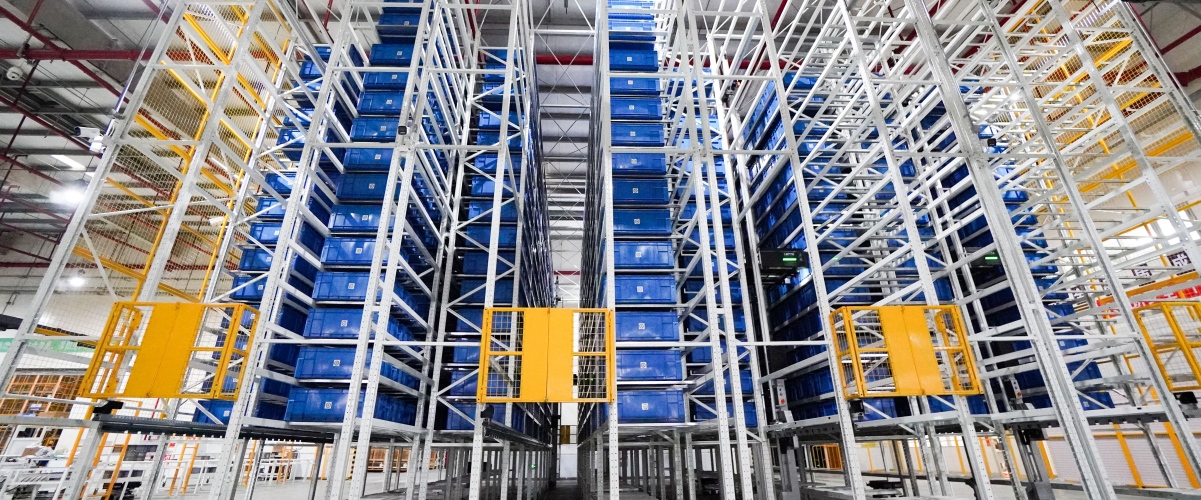
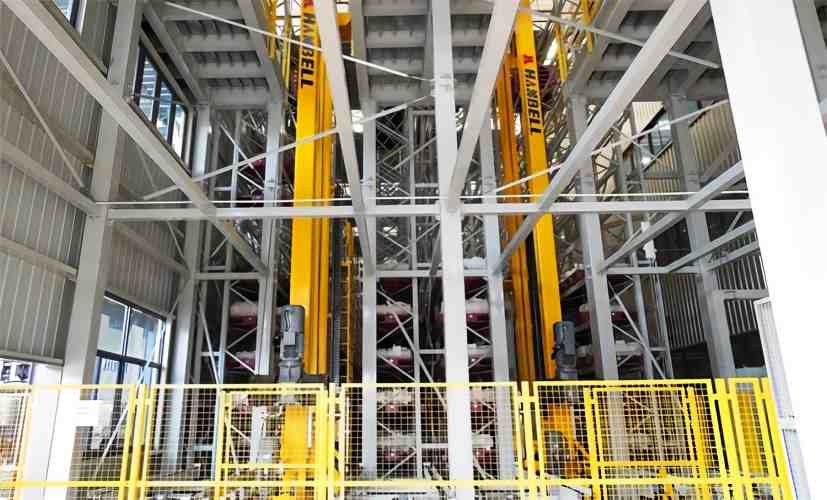
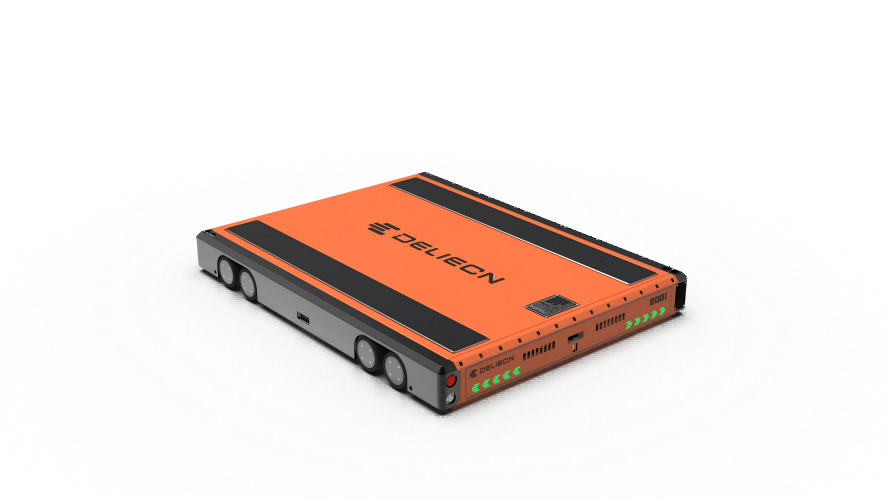
If the system accepted production efficiently but retrieved too slowly, trucks would wait. If outbound took priority for too long, packaging could lose its buffer and production would eventually feel it. So the racking and the fleet were sized for two different jobs — one for holding inventory, the other for generating movement when the dock gets busy. That's why the installation runs 13 Shuttle Robots against four fork-type pallet lifters. The ratio only makes sense once you look at the operating profile rather than the pallet count.
Packaging Format Decides More Than Pallet Count
Roughly 33 pallets an hour arrive from the packaging area.
Outbound splits into two very different flows: palletized 50 kg woven bags at around 30 pallets per hour, and 1-ton bulk bags at up to 60 pallets per hour.
Those numbers don't balance, and that's the point. Inbound runs at a third of peak outbound. The warehouse spends part of the day absorbing production and part of it releasing a flood. A system sized on average daily volume would look fine on a spreadsheet — and then three bulk-bag orders would land on the same afternoon, and the spreadsheet wouldn't be in the building.
The two products also behave differently at the dock. A pallet of 50 kg woven bags can be broken down and adapted to whatever vehicle showed up. A 1-ton bulk bag is a heavy unit load — you handle it as one thing, or you don't handle it.
Why Dust Changed the Lifting Mechanism
Travel speed wasn't the only specification worth arguing about. Magnesium sulfate is handled in a powder-rich environment, and over years of operation contamination control becomes part of warehouse performance, even though it never appears in the headline throughput figures. Nobody puts it on a datasheet.
The shuttle robots in this project use a mechanical lifting mechanism rather than a hydraulic one. That removes hydraulic oil from the lifting process, so there's no leak path inside the product storage area. The mechanical transmission is also easier for a technician to inspect during a short maintenance window.
We think this is the kind of decision that never makes it into a brochure. Mechanical lifting isn't automatically the better answer for every Pallet Shuttle application — it was right here because it matched the product environment and the customer's long-term maintenance priorities. For powder chemicals, a small reduction in contamination risk can carry more operational value than an extra performance feature nobody ends up using.
Throughput Is a Rhythm Problem, Not a Speed Problem
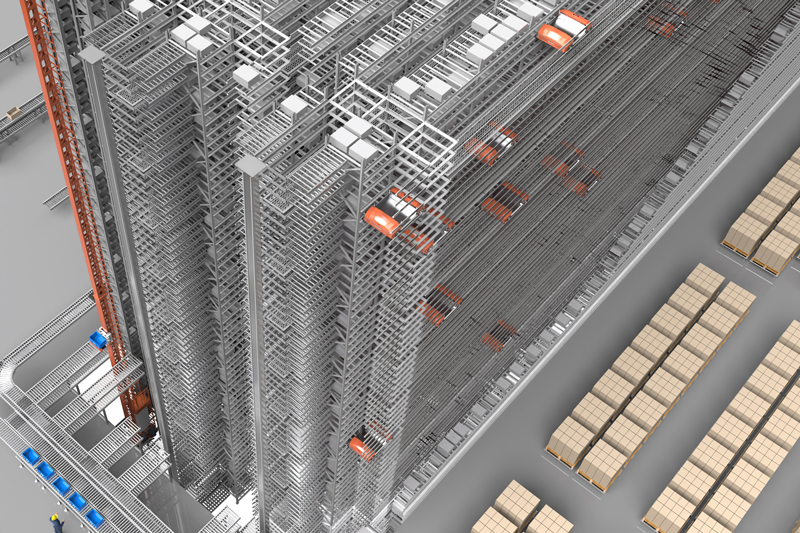
The 13 shuttles travel in both directions — lengthwise and crosswise — so they aren't permanently assigned to one storage lane. WCS directs available Shuttle Robots according to task location, current workload and lifter status. During a receiving period, more vehicle capacity can support inbound storage. When shipping demand rises, tasks get redirected toward retrieval.
That only works if the fleet has slack. And slack is exactly what a competitive quotation tends to remove, because a leaner fleet prices better.
One habit worth keeping: distrust any pallets-per-hour figure quoted without a time window. Ask when — peak hour, shift average, or the best morning the supplier ever recorded? Both numbers can be true. Neither of them travels to your building unchanged.
What Happens When One Shuttle Stops?
In this warehouse, a stopped shuttle reduces available capacity. It doesn't cost you access, because pending work can be reassigned to another vehicle. The warehouse isn't dependent on one machine staying alive.
Then the unglamorous question. To pull a failed vehicle out of the rack, does a lane have to be emptied first, and how long does that take? If the maintenance plan and the production plan turn out to be the same plan, you want that in writing before the contract, not after.
Two Outbound Flows, Two Loading Answers
Should both flows be automated to the same degree?
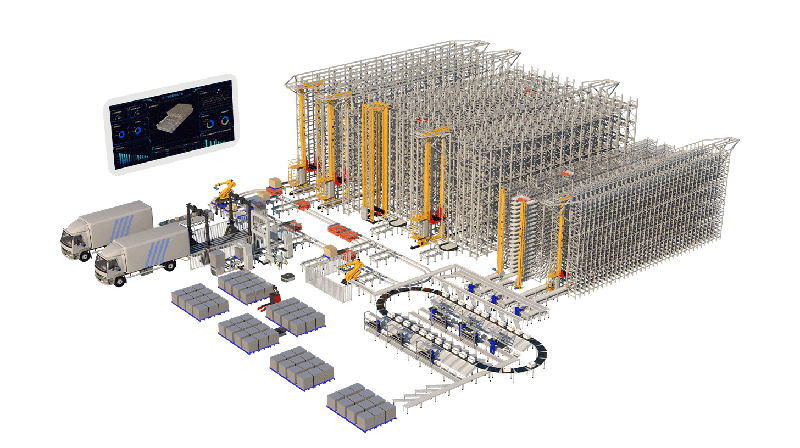
For the 1-ton bulk bags, the case is strong. The loads are heavy, the handling sequence repeats, and placing them inside a truck by hand is an obvious labour and safety burden. Bulk bags go to a gantry robot loading area, where a 3D scanning system identifies the truck compartment before the robot positions the loads. The line supports roughly 60 pallets per hour.
The woven-bag flow is less uniform. Orders involve different vehicle types and loading arrangements, and manual depalletizing still helps the team respond to that variation. A telescopic belt conveyor brings goods into the vehicle; operators complete the depalletizing and loading. About 30 pallets per hour.
Using two different approaches wasn't a compromise caused by missing technology. It reflected the economics and operating conditions of each flow. Automating the heavier, more repetitive one first is usually where the safety and labour case is strongest — and it's where we'd start again.
Where Explosion Protection Changes the Equipment List
If your product carries an explosive atmosphere classification, the shuttle is the smallest part of the conversation. The motors move into a different specification category. So do the control cabinets, the sensors, the cabling and the earthing — and, less obviously, so do the maintenance procedures around all of them. Under ATEX or IECEx frameworks, an uncertified component isn't a minor substitution; it changes what the whole installation is allowed to do.
This isn't the sort of thing to discover during commissioning. Bring the classification into the first conversation, before anyone quotes a vehicle. Ask specifically which zones the equipment is certified for — a general "explosion-proof available" answer usually means the salesperson hasn't talked to their own engineers yet.
When a Shuttle AS/RS Is the Wrong Answer for a Chemical Plant
Four situations where we'd push back on our own product:
• Throughput is low and the plant runs one shift? Floor storage with better racking may never pay back the fleet.
• Packaging formats change every few months? Deep-lane storage gives up flexibility you'll wish you had.
• A hazardous classification severe enough that explosion-proofing dominates the budget? Revisit whether dense Automated Storage is the right spend at all.
• A highly standardised shipping fleet of small bags? Full robotic loading may be the better first investment than more storage density.
What to Ask Before Sizing the Fleet
Three questions, in this order. Where does the material flow actually lose capacity — at the packaging handover, inside the rack, at the lifter, or at the dock? What happens to production or shipping if one vehicle stops for four hours at peak? And which flow deserves automation first, given that leaving one manual may be the right call for now?
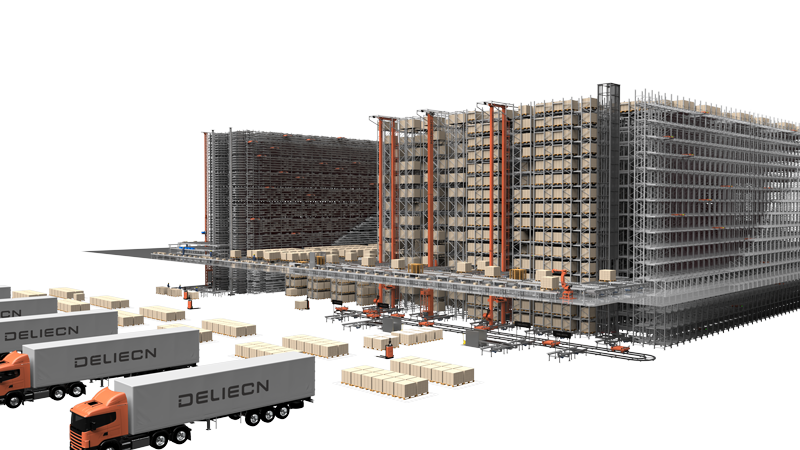
The transferable lesson from the Hunan project isn't the combination of 13 shuttles and four lifters. It's that the warehouse was planned as the connection between packaging and truck loading — not as an isolated place to hold 6,309 pallets. Get that framing right and the equipment list tends to argue itself out.