
 AS/RS Handling Robot
 Vertical Storage Module
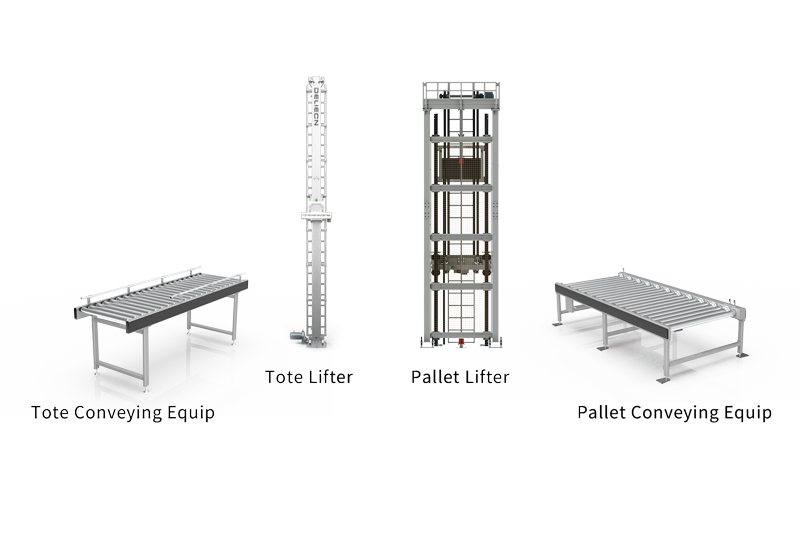 Conveying Equipment
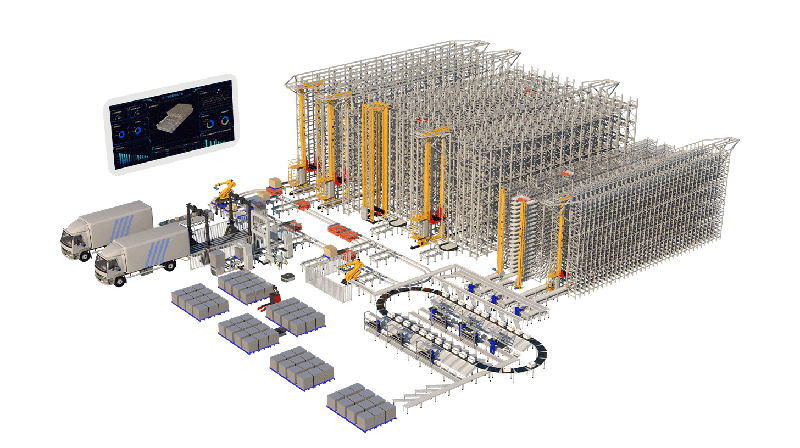
 Smart Warehousing System
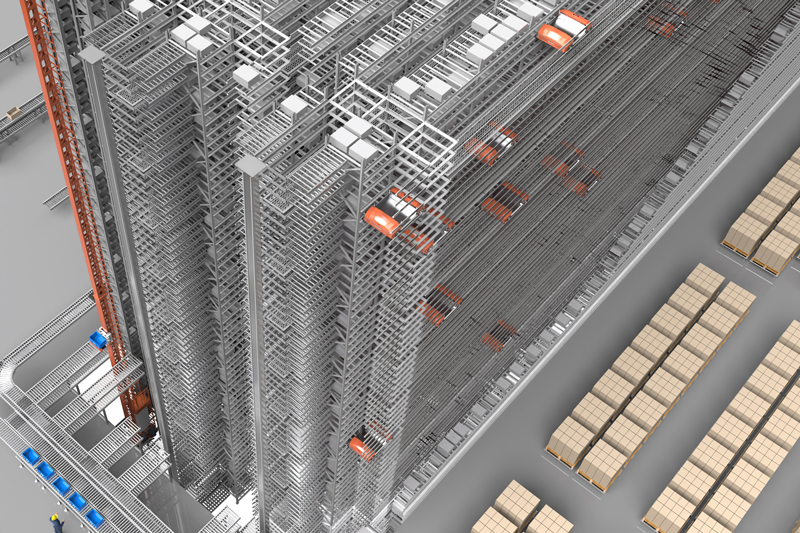 Warehouse Racking
 Industries
 Services
 About Us

What Determines the Reliability of a Pallet Shuttle AS/RS in Real Warehouse Operations?
When customers discuss pallet shuttle AS/RS projects, the first question is usually about capacity.
How many pallet positions can be created?
How much storage density can be achieved?
But after the system goes into operation, warehouse managers usually care about a different question:
Can the system continue working reliably after thousands of Storage And Retrieval cycles?
This question becomes especially important in manufacturing industries where warehouses operate continuously and any interruption may affect production.
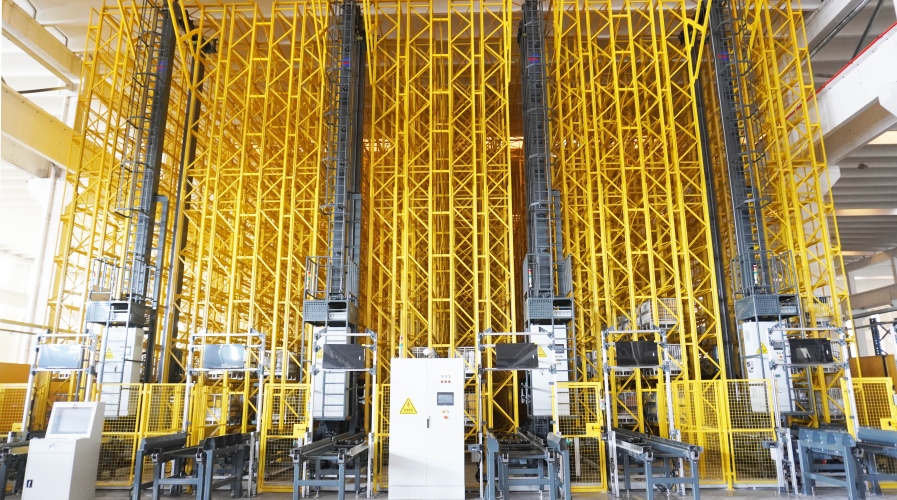
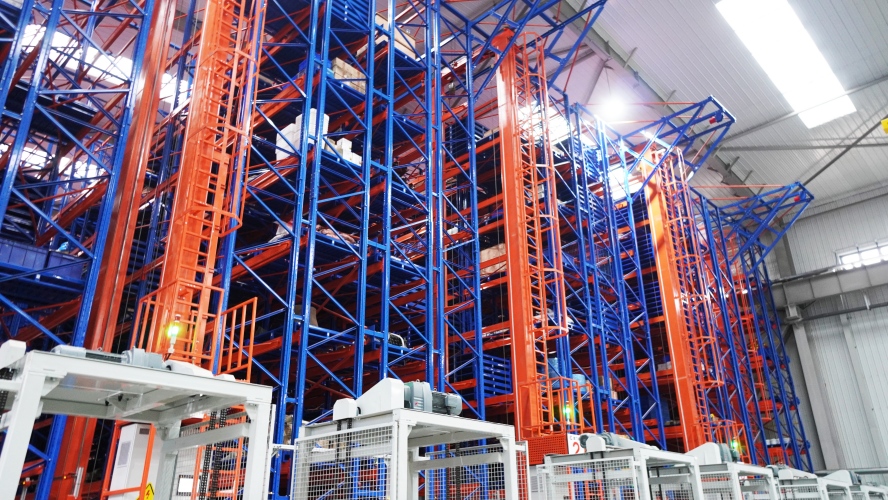
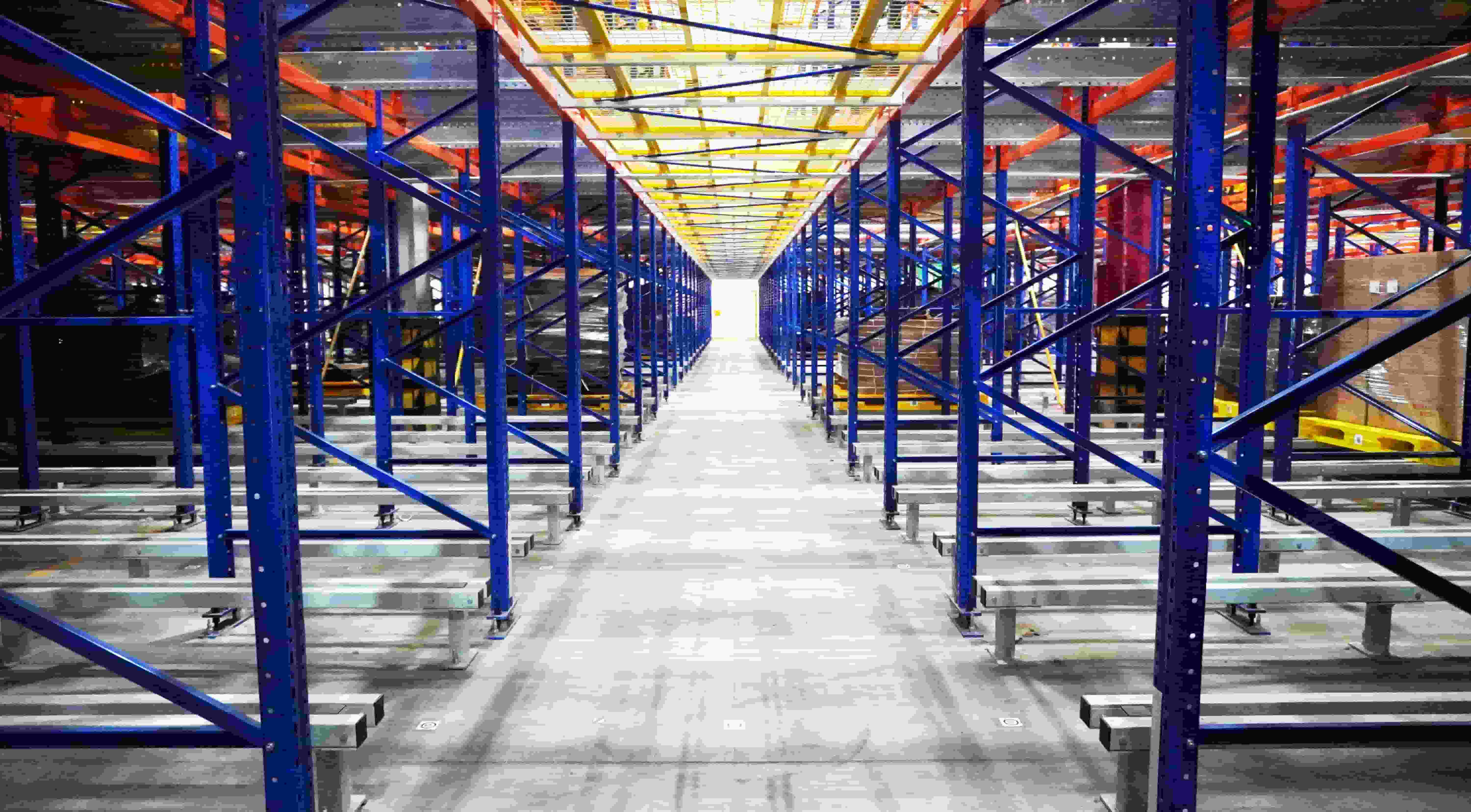
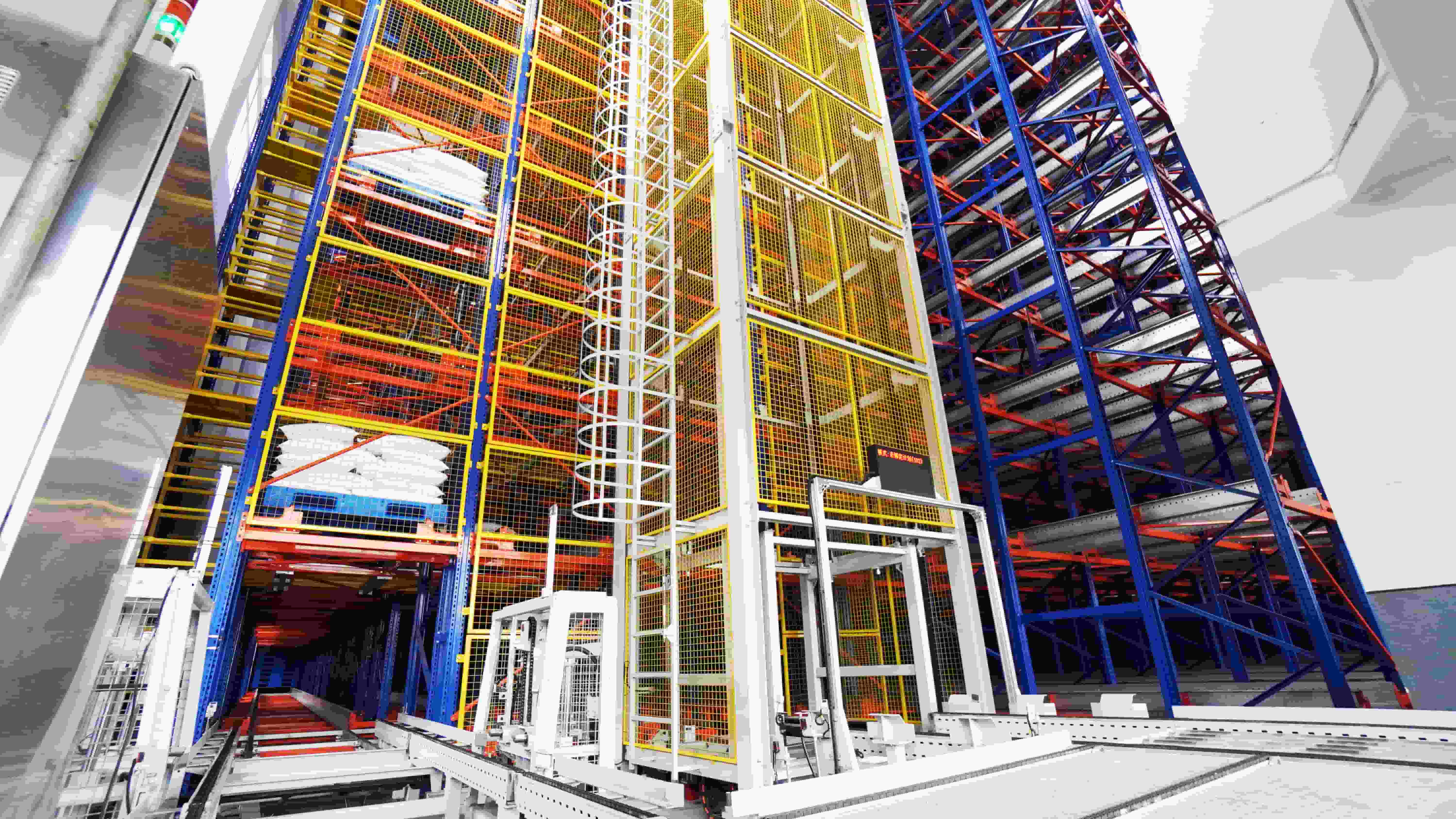
A Pallet Shuttle Warehouse is not only a storage rack with robots inside. It is a coordinated system consisting of shuttle vehicles, pallet lifters, conveyors, WCS scheduling, and warehouse management software.
The Shuttle Robot is only one part of the operation. The real test begins when dozens of tasks happen at the same time.
Reliability Starts With the Mechanical Structure
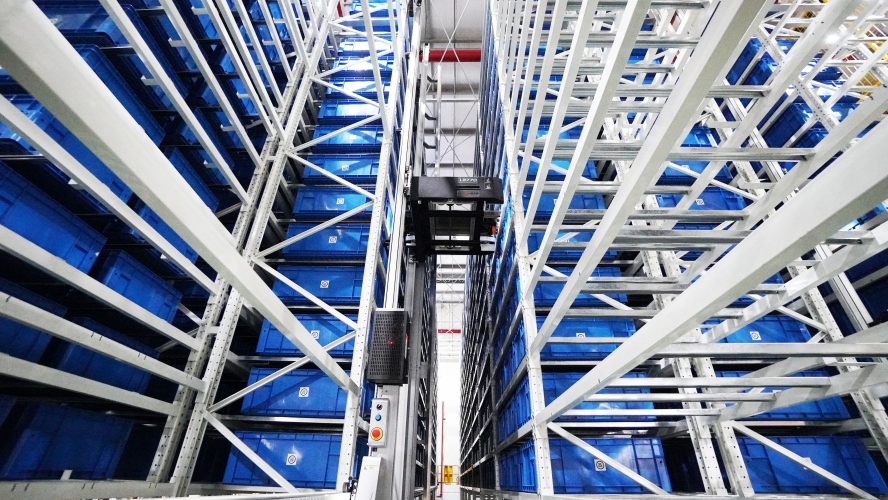
In a Pallet Shuttle Warehouse, the robot repeatedly carries heavy loads inside dense storage areas.
For many applications, the shuttle needs to handle pallets up to 1,500 kg. Under this condition, mechanical design directly affects long-term operation.
The question engineers consider is not:
“Can the robot move this pallet?”
It is:
“Can it repeat this movement thousands of times with the same stability?”
A simple and reliable transmission structure is important for this reason. Compared with hydraulic solutions, mechanical transmission avoids potential oil leakage risks and provides a cleaner operating environment.
It also makes maintenance easier because the structure is easier to inspect and replace when necessary.
For warehouses running around the clock, maintenance convenience is not a small detail. A system that can quickly identify and handle problems reduces the impact on daily operation.
Position Accuracy Is Only One Part of the Whole Process
Inside a dense storage rack, every pallet must be placed in the correct location. This is why positioning technology is important.
A pallet shuttle robot usually combines several methods:
- Encoder feedback records movement distance.
- Laser distance measurement confirms travel position.
- Barcode positioning provides fixed reference points inside the rack.
Together, these technologies allow the robot to repeatedly reach the assigned storage location.
However, from an actual project perspective, positioning accuracy is only the beginning.
A robot can reach the correct position, but the warehouse still needs to answer another question:
What happens when many robots need to work at the same time?
The Difficult Part of Multi-Robot Operation Is Coordination
Adding more shuttle robots does not automatically increase warehouse performance.
Once a system includes dozens of vehicles, scheduling becomes a key factor.
In a battery material warehouse project, more than 30 pallet shuttle robots operate together. The challenge was not simply increasing the number of robots. The challenge was maintaining a smooth flow when multiple storage and retrieval tasks happened simultaneously.
This is where WCS becomes important.
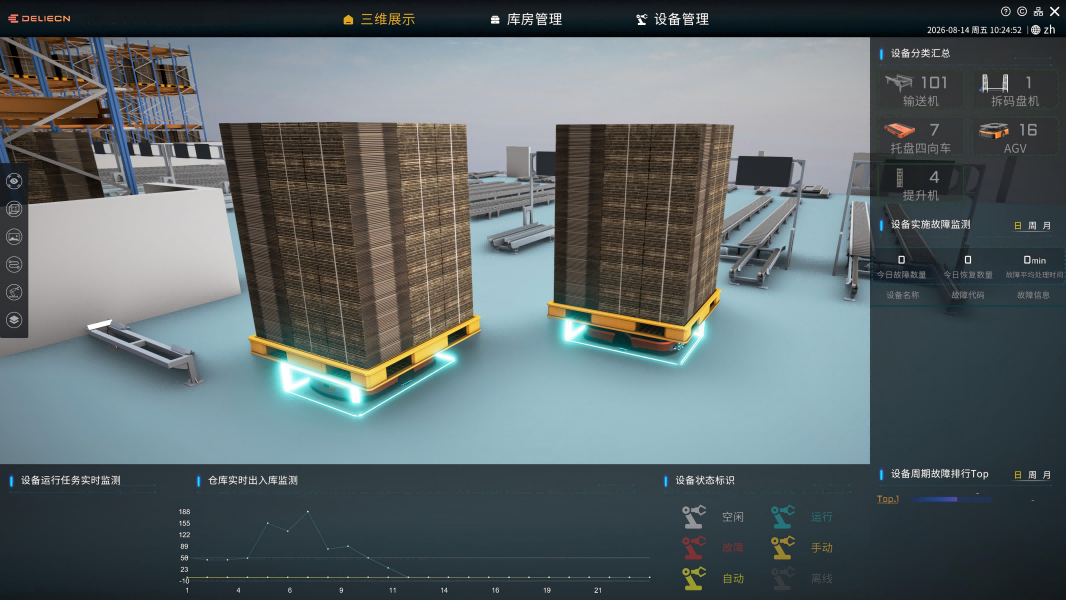
Instead of allowing each robot to work independently, WCS coordinates the entire equipment group. It considers:
- Robot location
- Current tasks
- Storage lane conditions
- Pallet lifter availability
- Transfer station status
For example, the closest robot is not always the best choice.
If that robot needs to wait for a busy transfer point, another available robot may complete the task faster.
The purpose of WCS scheduling is not only to assign tasks. It is to balance the entire warehouse operation.
What Happens When One Robot Stops?
For customers, system reliability is also tested during abnormal situations.
A common concern is:
“If one shuttle robot has a problem, will the whole warehouse stop?”
In a well-designed multi-robot system, the answer should be no.
When one robot reports an abnormal condition, WCS can identify the affected equipment and redistribute available tasks to other robots. Maintenance can then focus on the failed unit while the rest of the system continues operating.
This approach is particularly valuable for industries where warehouse interruption affects production.
Automatic Charging Is Part of Daily Operation Planning
For continuous operation, battery management also needs to be considered.
Modern pallet shuttle robots can automatically manage charging. The system can define a minimum battery threshold. When the battery level approaches this value, the robot can complete necessary tasks and then move to charging according to the scheduling strategy.
This avoids situations where a robot suddenly stops during operation because of insufficient power.
Charging is not treated as a separate activity. It becomes part of the overall warehouse scheduling process.
Real Applications Show Different Reliability Challenges
Different industries test pallet shuttle systems in different ways.
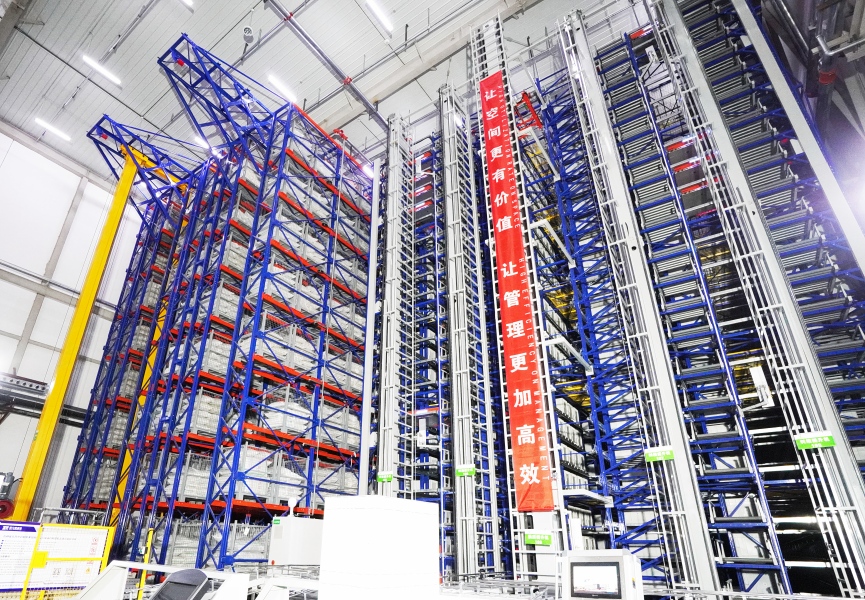
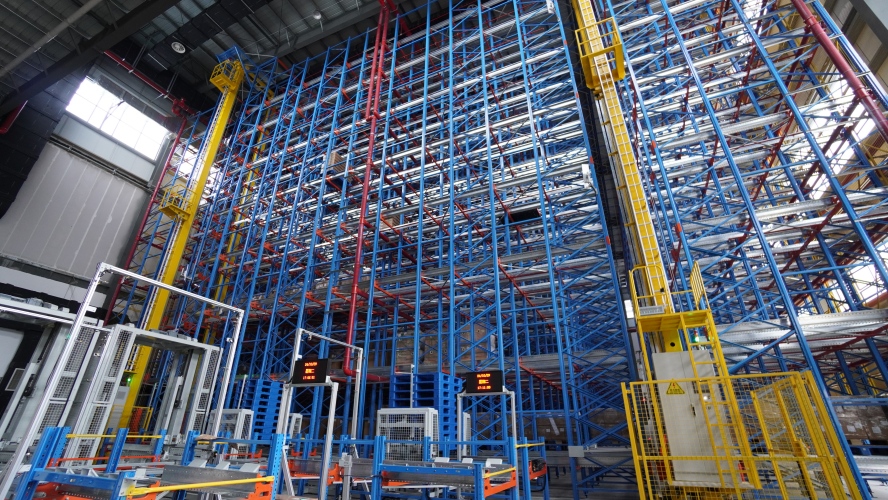
In a battery material project, more than 30 shuttle robots operate together in a large automated warehouse. The key challenge was coordinating multiple vehicles while handling heavy pallets continuously.
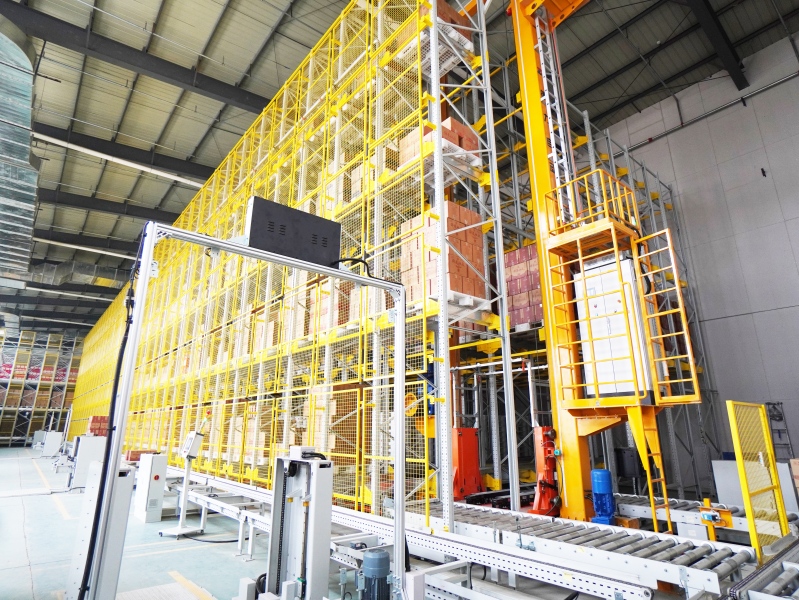
In an automotive spare parts warehouse, 14 pallet shuttle robots support complex inventory requirements. The system needs to respond to different storage and retrieval priorities while maintaining stable operation.
In a -25°C cold storage project, the challenge comes from the environment itself. Equipment needs to maintain reliable operation under low-temperature conditions.
These projects show that pallet shuttle automation is not determined by one specification.
Load capacity, positioning accuracy, mechanical structure, scheduling logic, and environmental adaptability all influence the final result.
Choosing a Pallet Shuttle System: Look Beyond Individual Parameters
When evaluating pallet shuttle AS/RS, customers often compare speed, load capacity, and storage density.
These numbers are important.
But after the warehouse starts running, daily reliability depends on the interaction between every part of the system.
A successful pallet shuttle project is not only about storing more pallets.
It is about ensuring that every pallet can be moved, stored, retrieved, and tracked consistently — today, tomorrow, and years later.