
 AS/RS Handling Robot
 Vertical Storage Module
 Conveying Equipment
 Smart Warehousing System
 Warehouse Racking
 Industries
 Services
 About Us

Warehouse Automation Trends: What Is the Real Transformation of Modern Warehouses?
The core of warehouse automation is not merely improving space utilization and inbound/outbound efficiency, but rather breaking down traditional warehousing and logistics models through the collaboration of multiple devices to establish a more sustainable and intelligent supply chain management system.
Over the past decade, many forward-thinking companies have introduced automation equipment to their warehouses. However, with the increasing complexity of supply chain management and the rise of personalized orders, upgrading individual devices is no longer sufficient to meet business needs. Now, companies face a new challenge: how to unify the automation equipment in individual stages to form a seamless, intelligent warehousing and logistics system.
From thousands of Automated Warehousing and logistics projects, we have witnessed clients in manufacturing, automotive, food, and pharmaceutical industries upgrade their entire manufacturing processes through warehousing and logistics upgrades.
In manufacturing, the primary reason for warehousing upgrades is waiting for materials on production lines. Delayed material supply and poor supply accuracy severely impact capacity increases. In the capacity expansion process of a leading global pump manufacturer, untimely warehouse material supply hindered capacity expansion. Its production line technology is industry-leading; however, due to untimely material supply, production stoppages frequently occurred due to material shortages. Upgrading to an Automated Storage And Retrieval System (AS/RS)improved material supply speed by 40% and accuracy to 99%.
For automotive parts and e-commerce retailers, personalized customization is increasing, demanding shorter delivery cycles. Simultaneously, the number of SKUs in a single order is constantly growing. Relying solely on manual picking and shipping offers little benefit beyond wasting significant labor. This problem is particularly pronounced at Toyota's automotive parts center. Moreover, with 45,000 SKUs stored in the warehouse, the large volume of manual picking and processing cannot meet the current and future order growth.
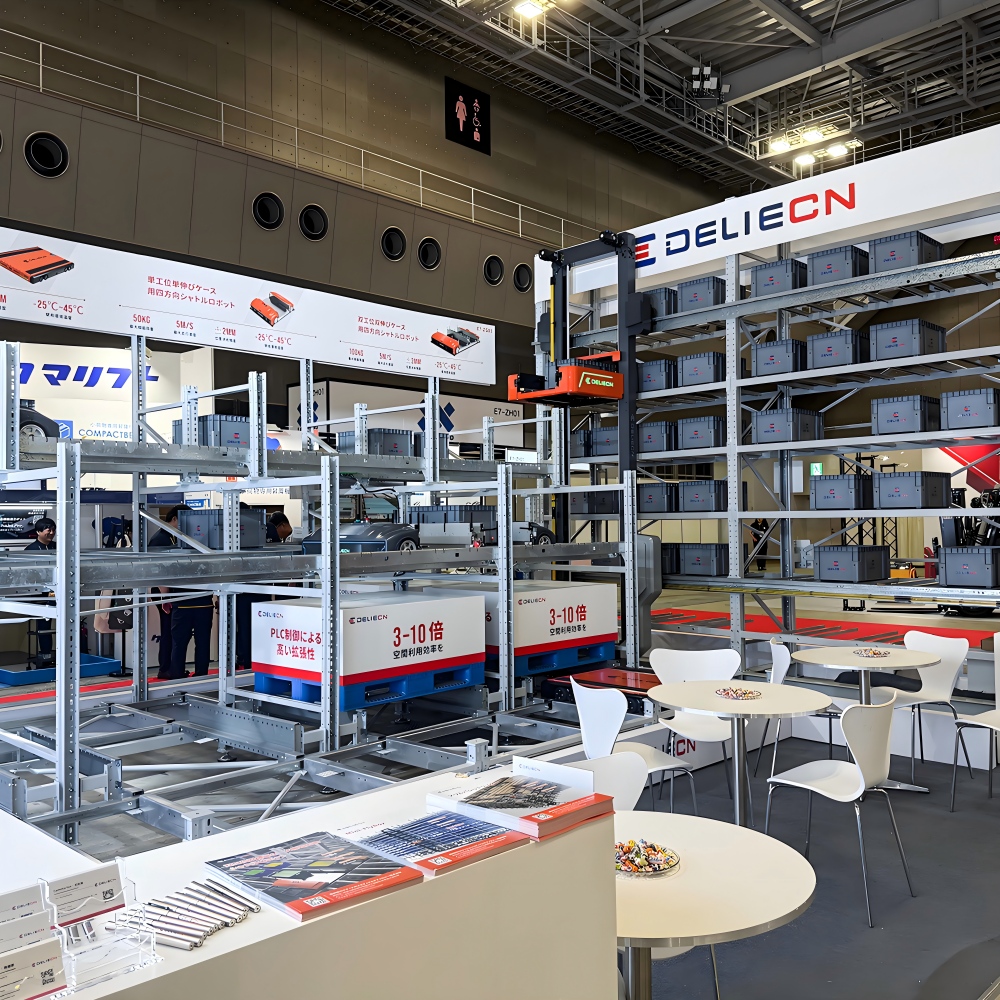
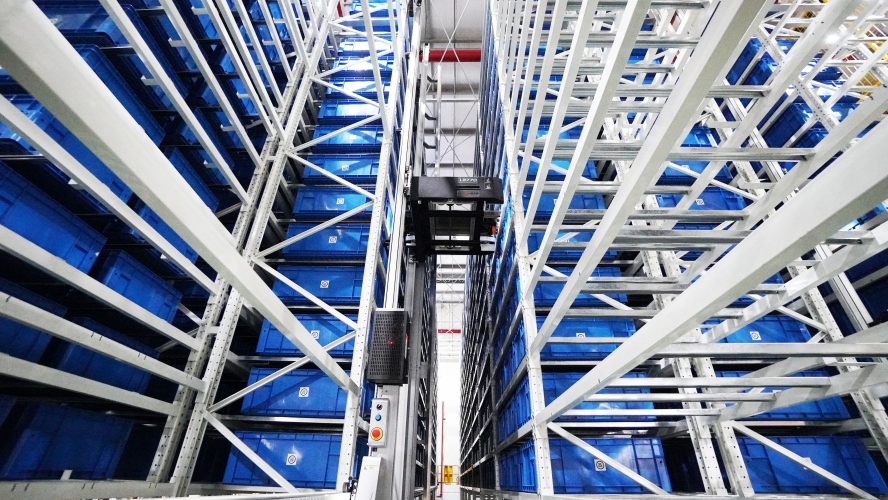
A warehouse manager stated that he used to walk 30,000 steps daily in the warehouse. Now, through the collaboration of various equipments such as Shuttle Robots, Mini-FlyBoxes, Tote AMRs, and AGVs, automated storage and retrieval of multiple SKUs are achieved. Humans only need to stand at workstations to achieve highly efficient operations. Furthermore, the supply chain response cycle has been reduced from 8 days to 2 days.
In the past, many companies focused on warehouse automation, primarily aiming to reduce manpower and improve handling efficiency. However, as manufacturing processes become increasingly complex, simply "storing goods" and "retrieving goods" is no longer sufficient to meet enterprise management needs.
Especially in industries like pharmaceuticals and food, companies not only need to know the inventory quantity but also: Where did this batch of materials come from? When did it arrive? Where should it be placed? When is it needed?
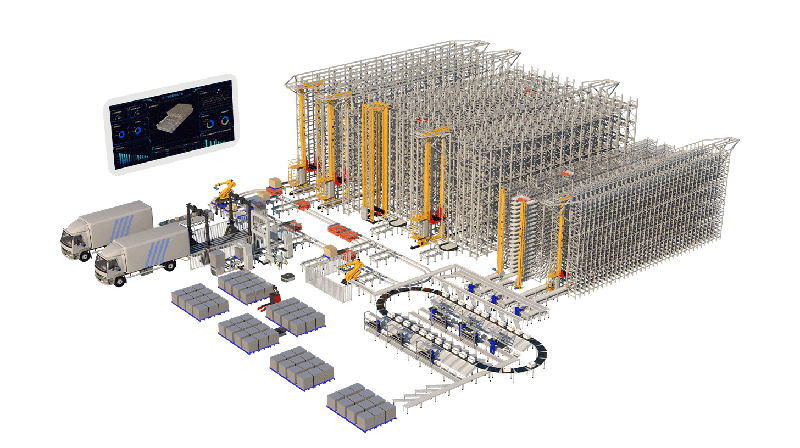
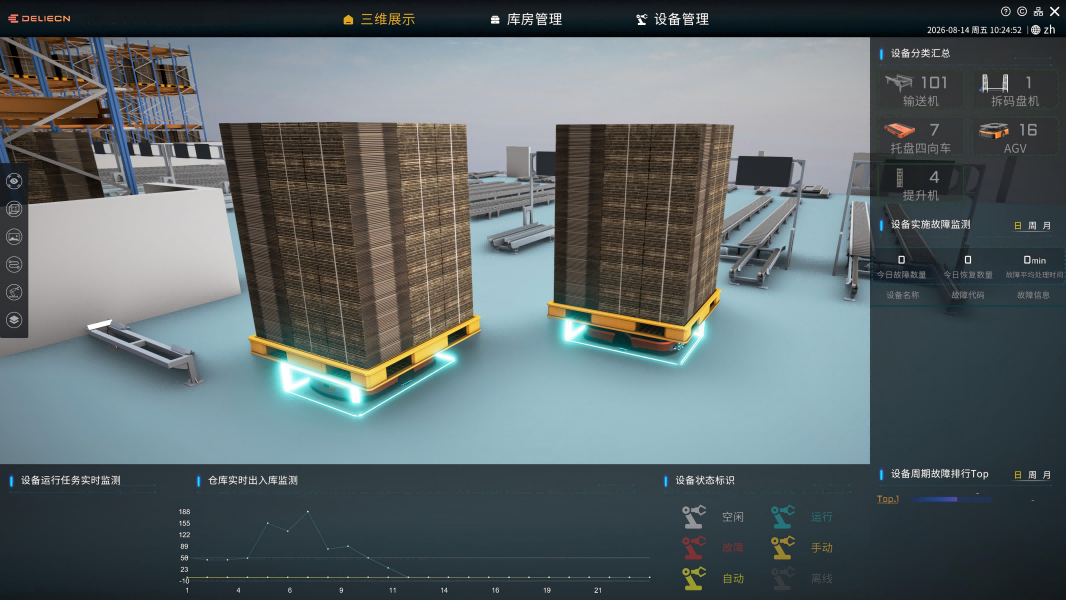
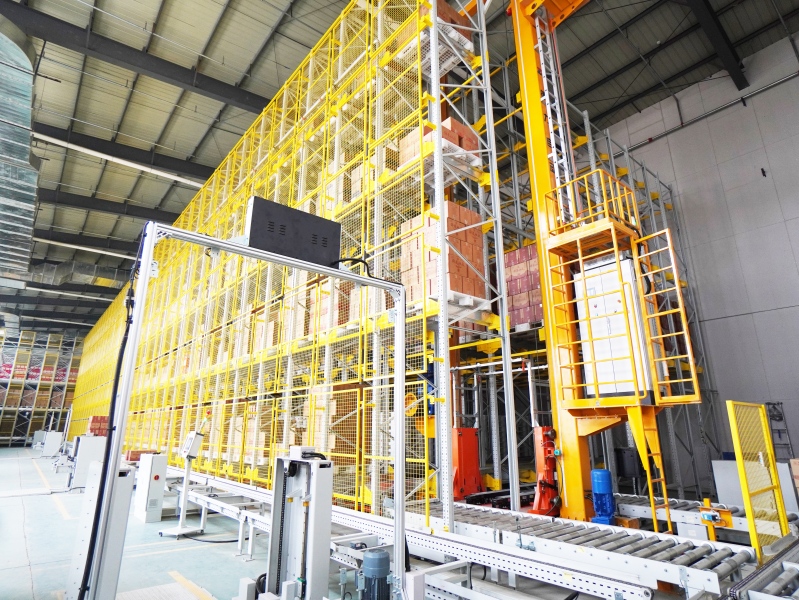
In the pharmaceutical and food industries, there are strict process traceability requirements. Simple manual recording or the use of a single ERP software is highly prone to errors. The introduction of WMS/WCS software systems not only allows for the integration of production data but also enables the effective scheduling of various equipment and the visualization of key data. At a pharmaceutical company in Jilin, pallet stacker cranes and tote shuttle robots operate simultaneously. 3D visualization central control system clearly presents the data, allowing the company to track the entire process from warehousing, storage, picking to outbound delivery.
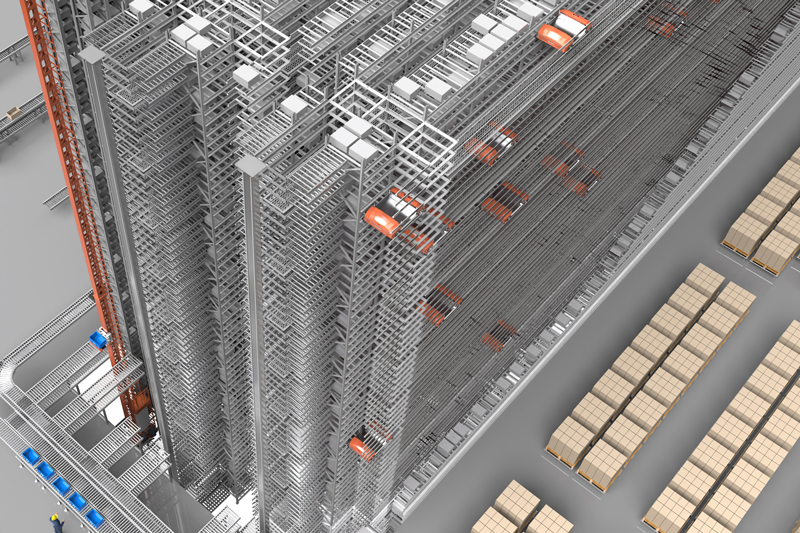
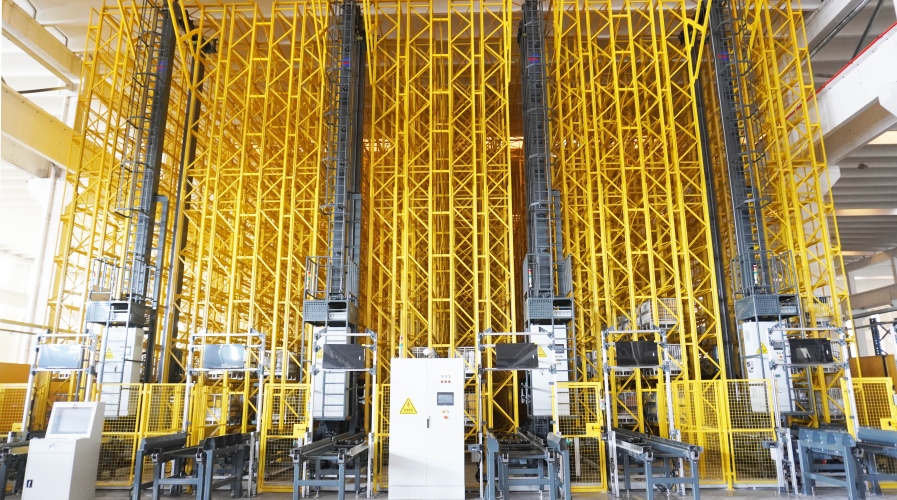
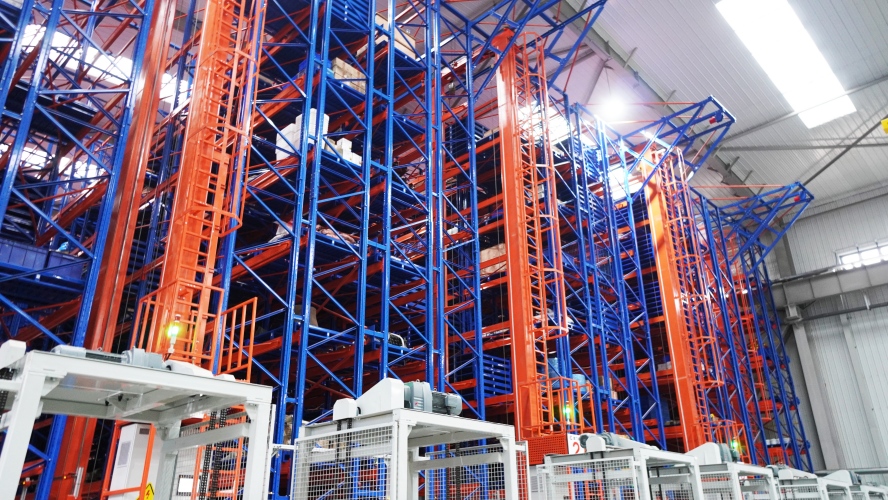
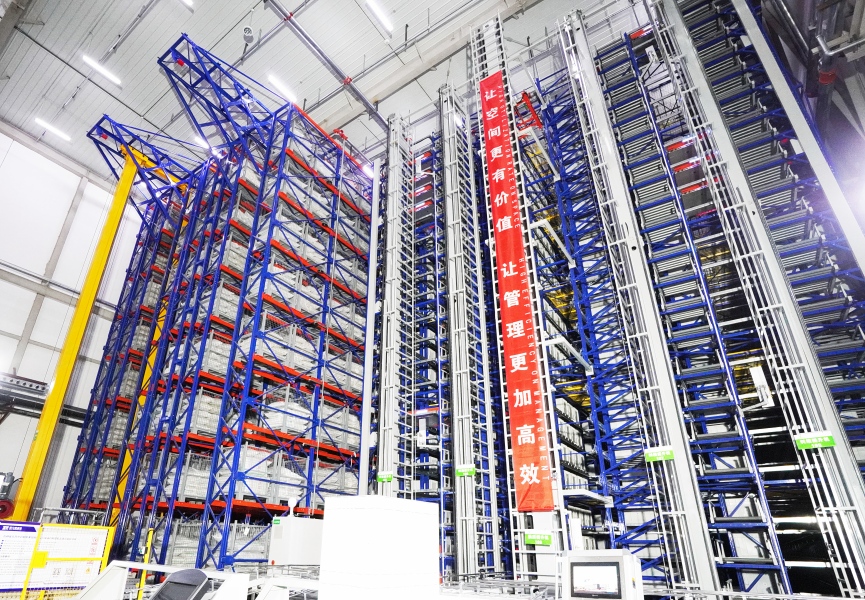
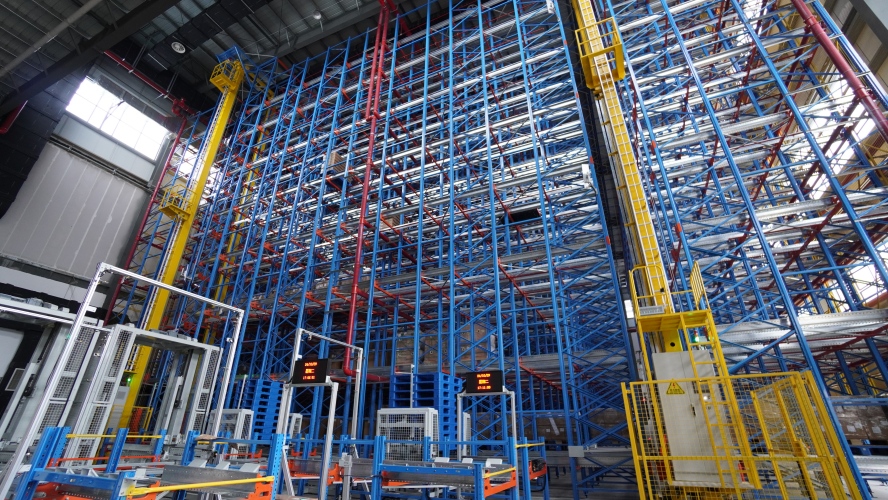
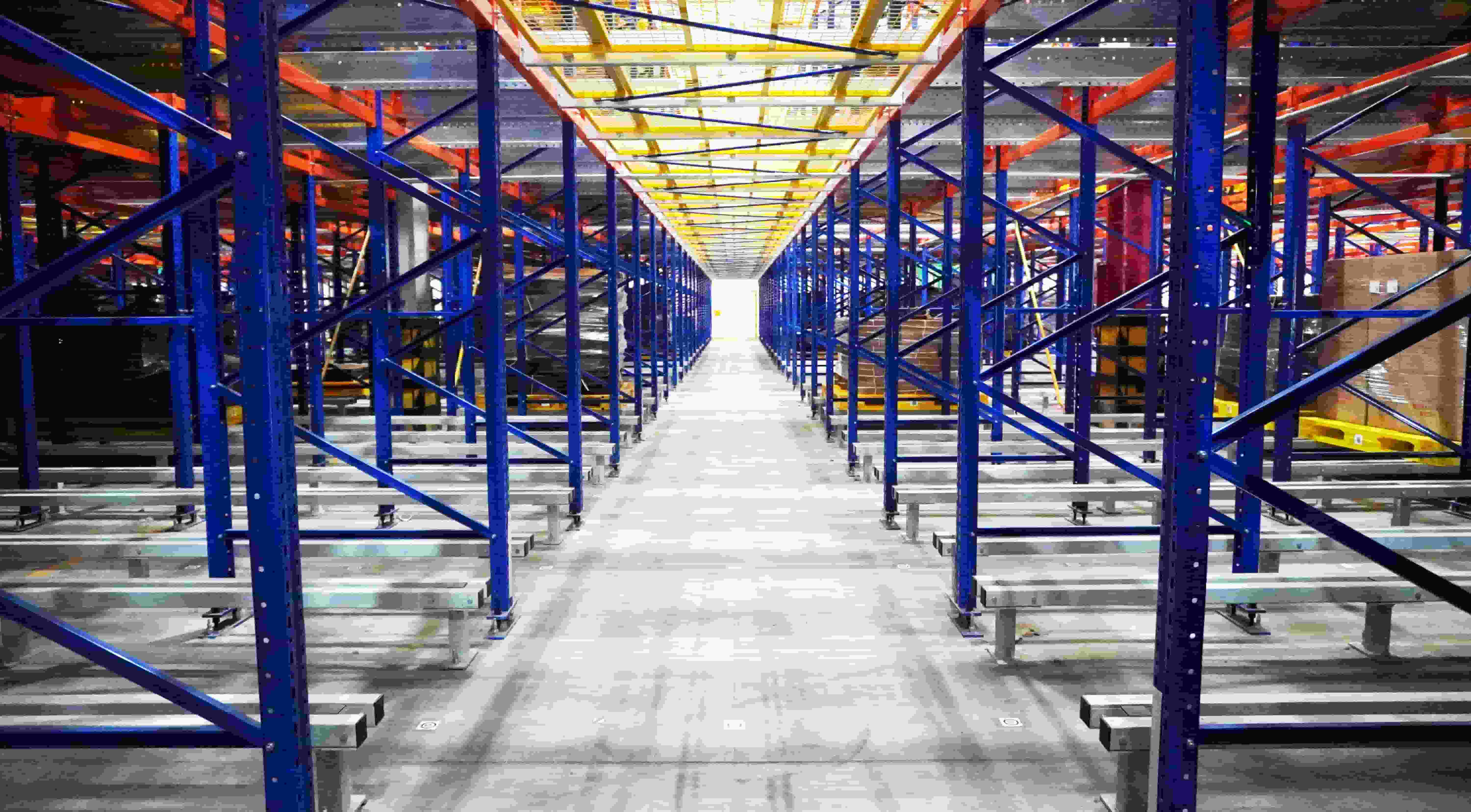
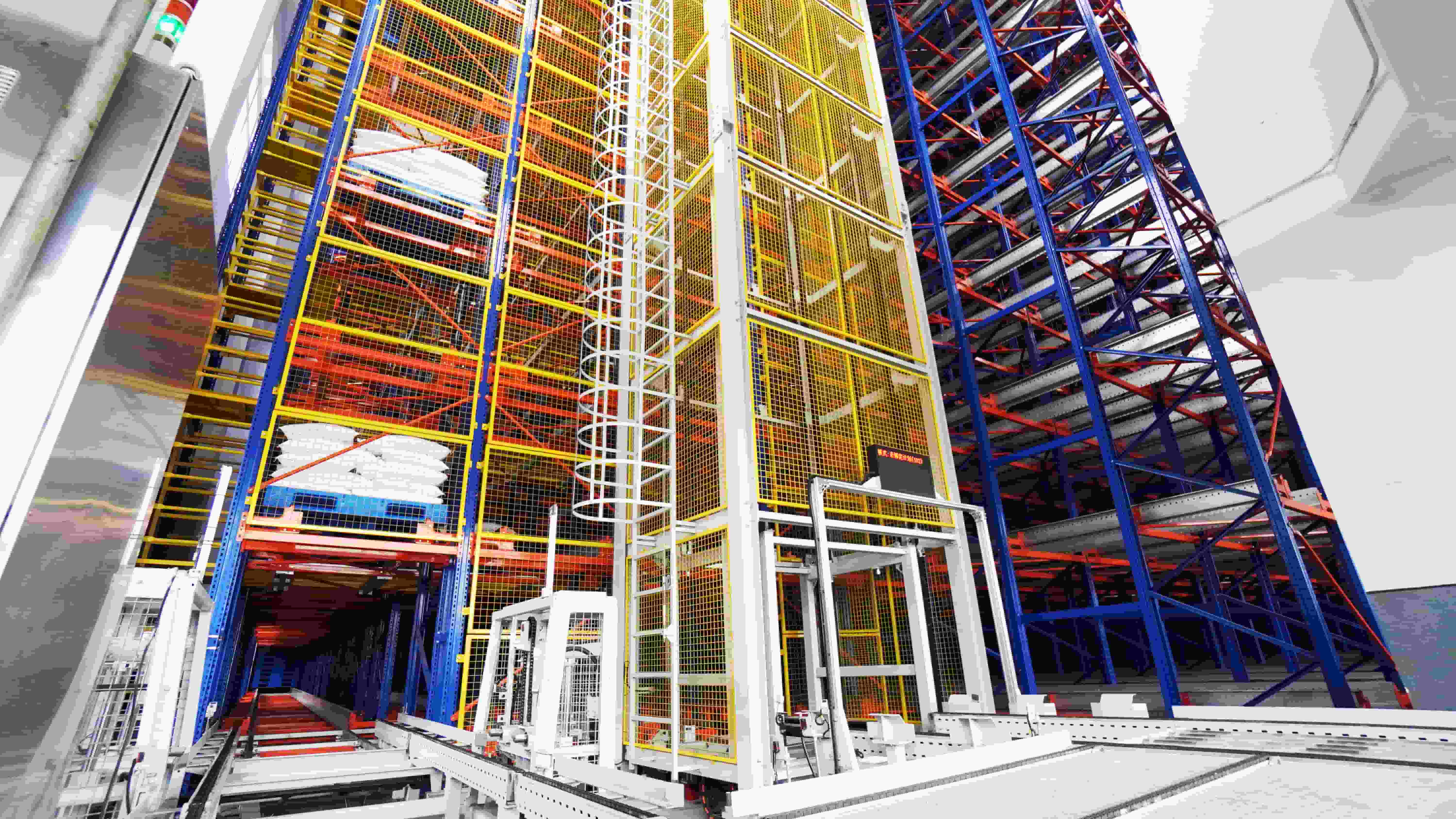
For many companies, warehouse space has become a key factor limiting business development. Business operators face the question daily: how to store more materials without expanding warehouse space? Through high-bay racking, narrow aisle design, shuttle robots, and intelligent scheduling systems, companies can fully utilize warehouse height space and increase storage density.
This demand is particularly prominent in the cold chain industry. At a cold factory, the cold storage is creating more value. By deploying a four-way shuttle automated warehouse, 3,484 pallet storage locations are stored in an approximately 2,400㎡ automated cold storage facility. Space utilization has increased exponentially, meaning lower energy consumption per unit area and higher value.
In the YFY smart warehousing project, our smart warehousing and logistics equipment connects the entire process of warehousing, production line, and shipping. Simultaneously, a 3D visualization central control system is making decision-making easier.
The system centrally displays:
Managers can understand the real-time operating status of the entire warehousing system without entering the site. More importantly, the data is no longer just a record of what happened in the past, but helps managers analyze which links may become bottlenecks and how to optimize future operational strategies.
Current trends indicate that competition in warehouse automation is no longer just about equipment.
The truly valuable technological evolution of the future begins with a deeper understanding of customer business processes. It's no longer about solving how to store more, retrieve faster, or pick more accurately; more importantly, it's about how to make warehousing and logistics an integral part of a company's production and supply chain competitiveness.