
 AS/RS Handling Robot
 Vertical Storage Module
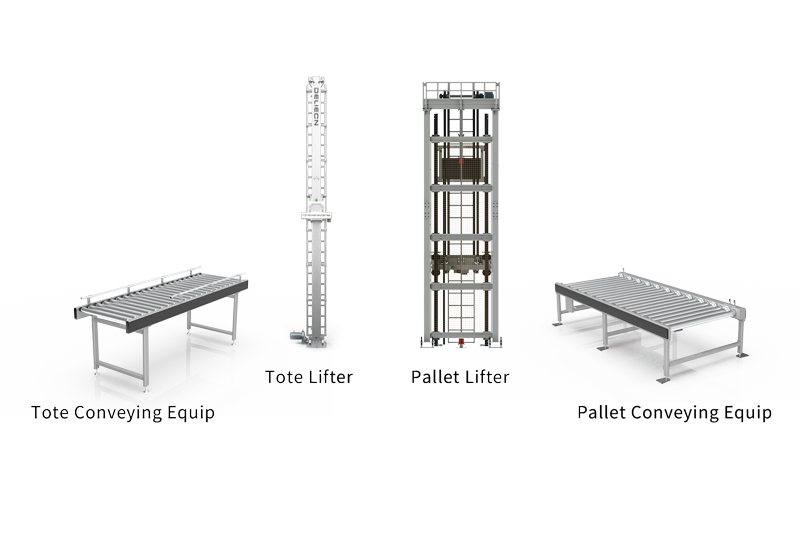 Conveying Equipment
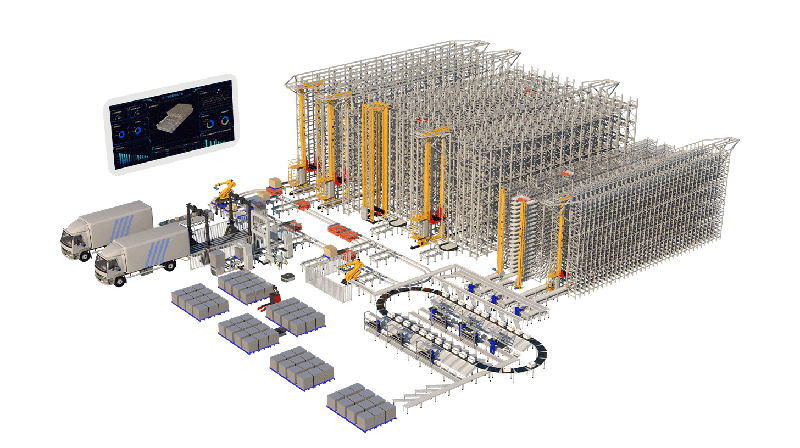
 Smart Warehousing System
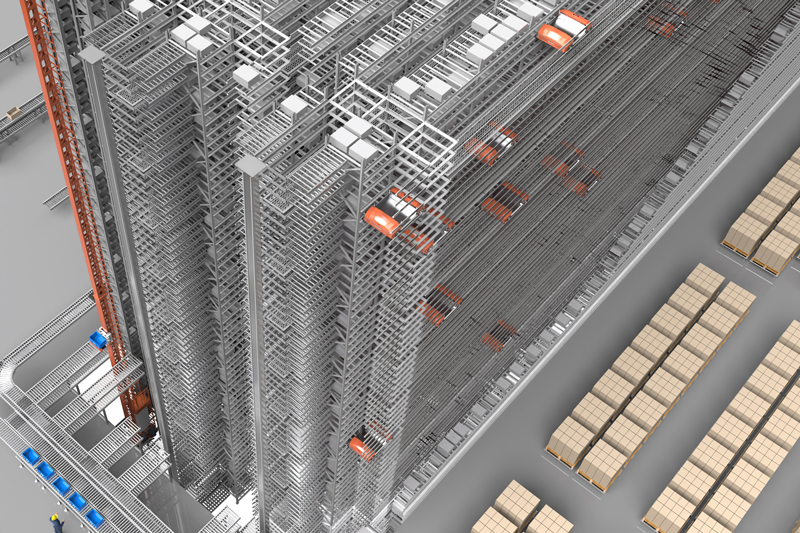 Warehouse Racking
 Industries
 Services
 About Us

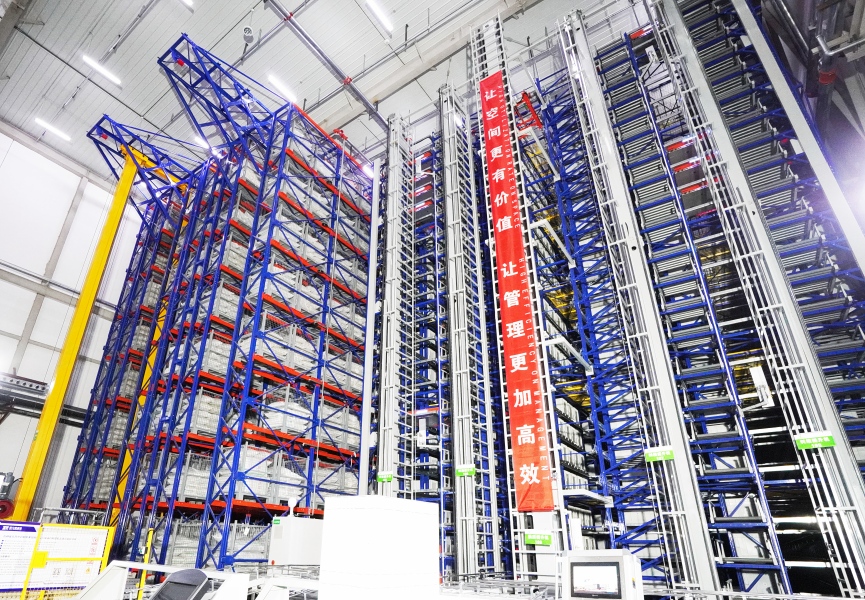
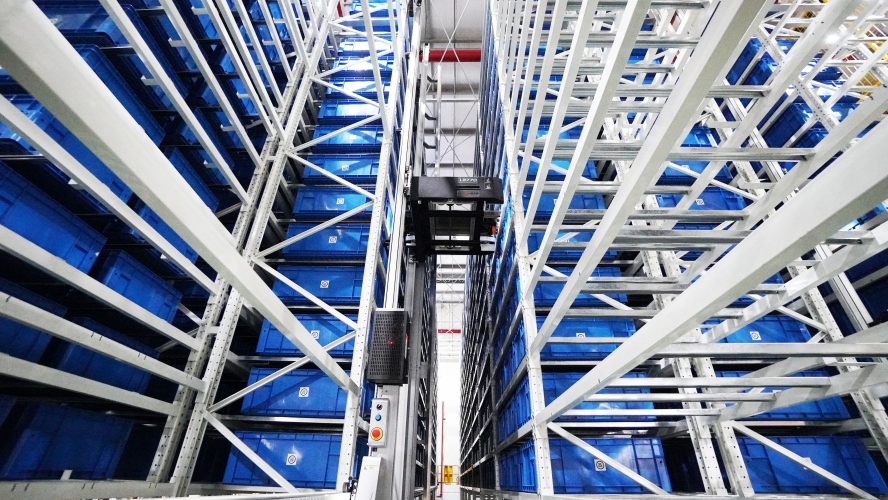
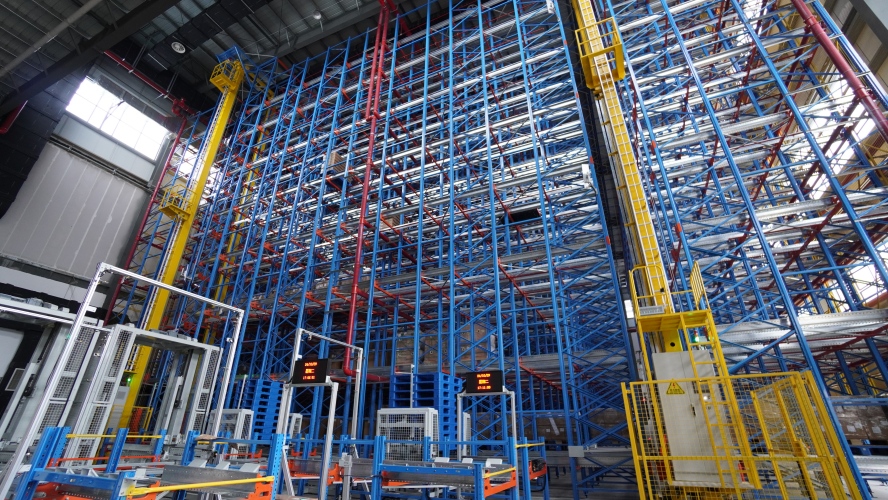
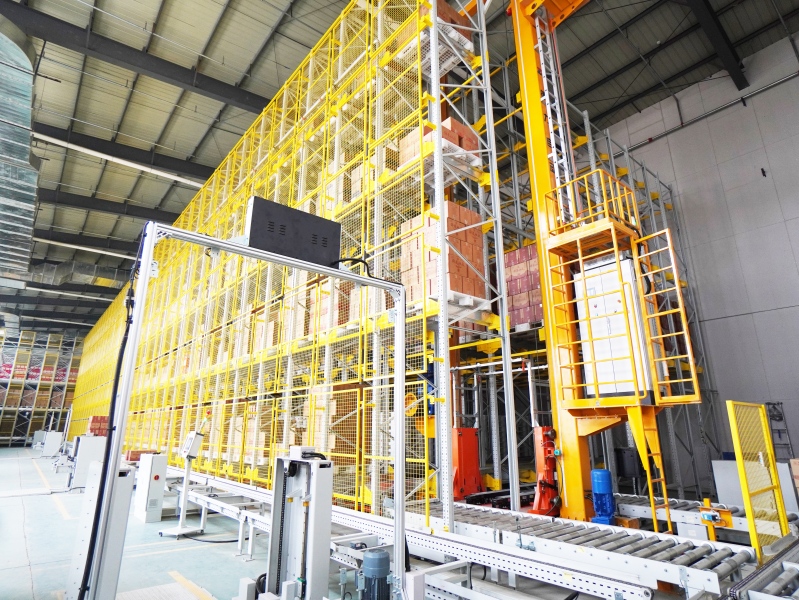
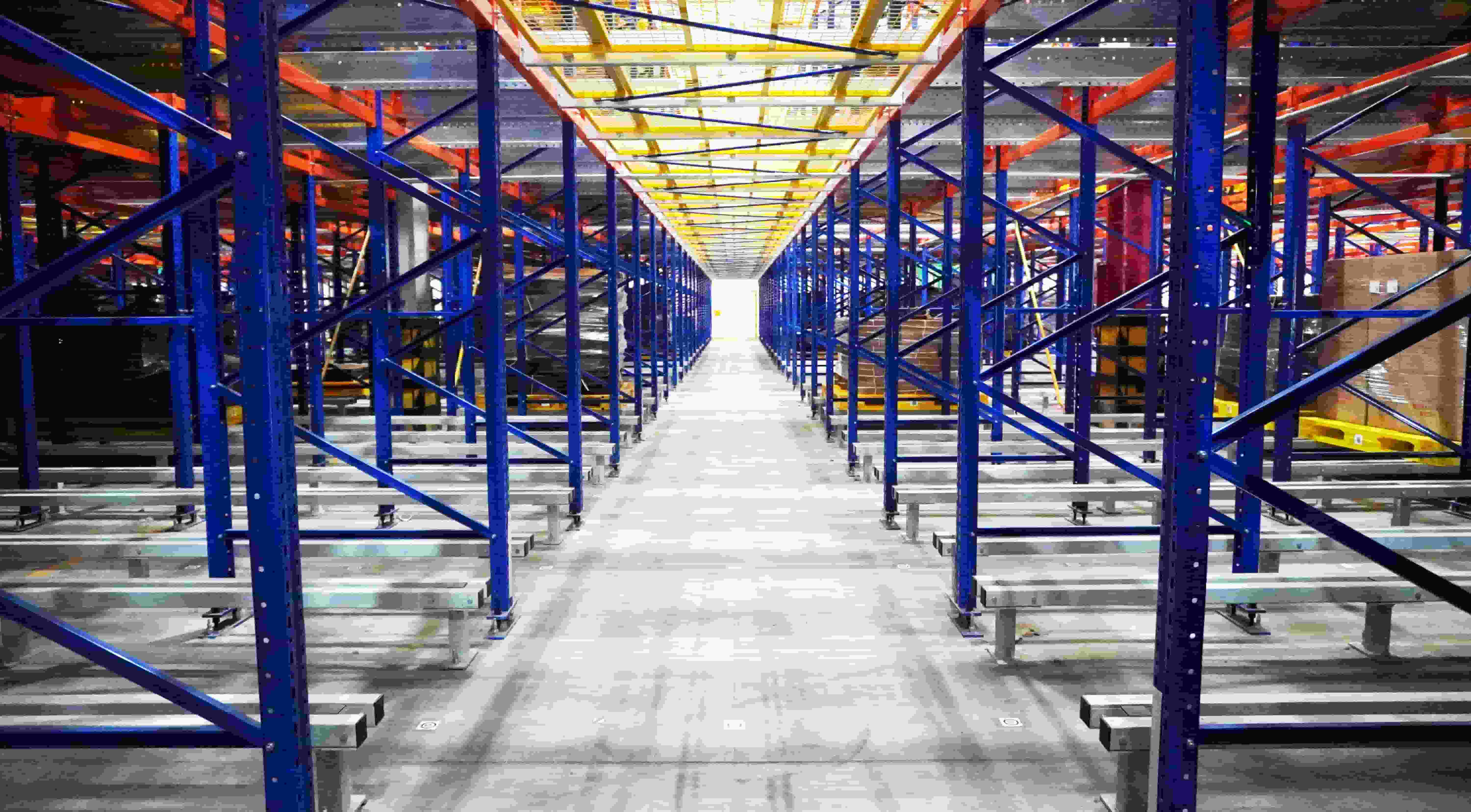
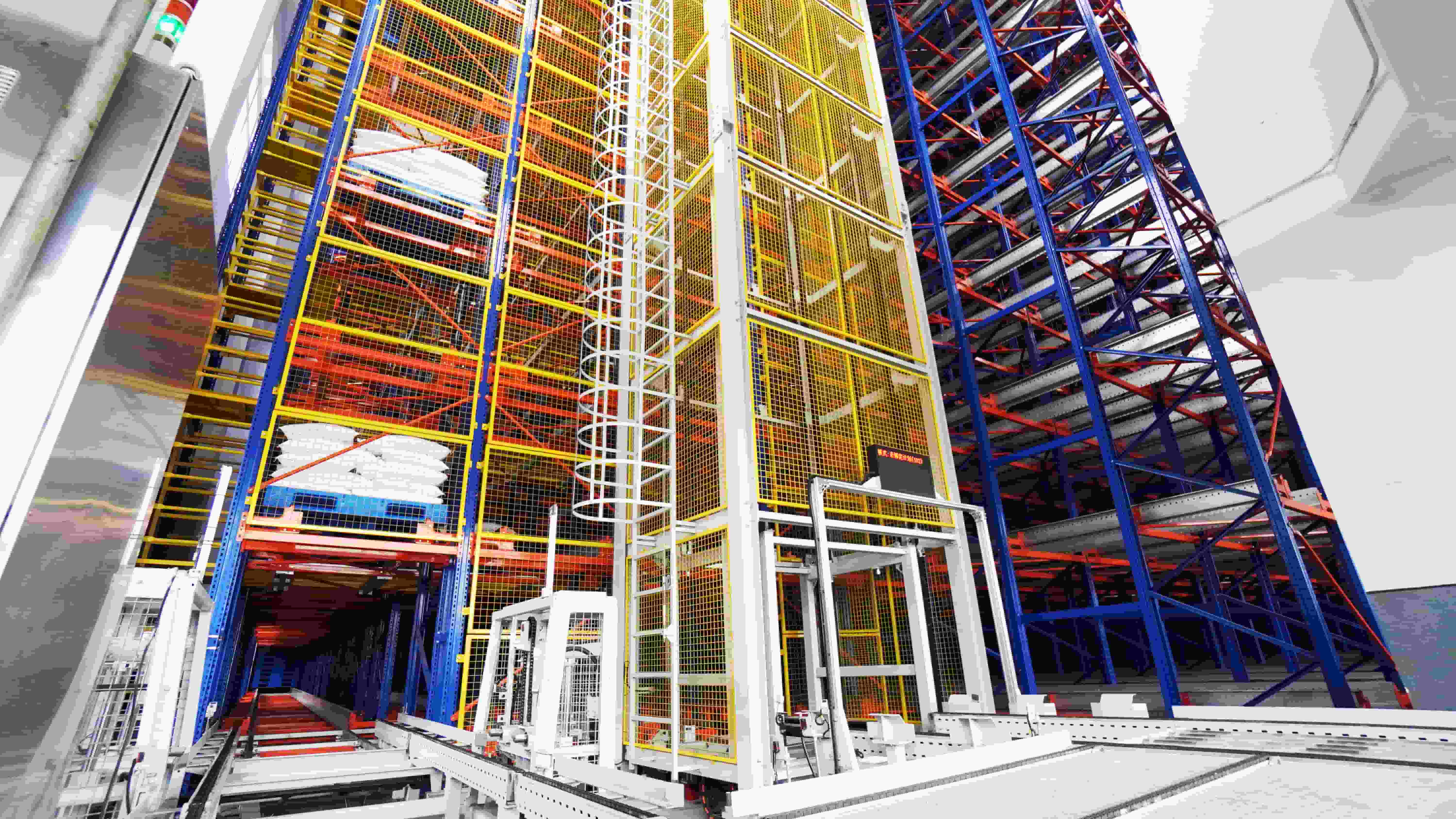
Mini-FlyBox ASRS: A Compact Solution for High-SKU Small Parts Storage
When people talk about Warehouse Automation, storage density is usually the first topic.
But for small parts warehouses, density is only one part of the problem.
The bigger challenge often appears after the warehouse starts operating.
Thousands of SKUs need to be stored in limited space. Some items move every day, while others may only be requested occasionally. Picking tasks arrive continuously, and operators need to find the correct tote quickly without spending time walking between storage locations.
This is especially common in industries such as automotive spare parts, electronics, medical supplies, precision manufacturing, and e-commerce fulfillment.
For these environments, the question is not simply:
How many totes can be stored?
The more important question is:
How can the warehouse keep a large number of small items organized while maintaining fast retrieval?
This is where Mini-FlyBox ASRS is designed to create value.
Why Small Parts Warehouses Are Difficult to Automate
Small parts are different from pallet goods.
A pallet usually represents a larger quantity of one material. Storage planning is often based on batch management, turnover rate, and handling efficiency.
Small parts are different.
A warehouse may contain thousands of individual items, but each item may have a different demand frequency.
For example:
- some components are picked hundreds of times per day;
- some spare parts need to remain available but move less frequently;
- some production materials require accurate kitting before reaching the assembly line.
Traditional shelving can provide flexibility, but as SKU numbers increase, several problems appear:
- too many storage locations to manage manually;
- long walking distances during picking;
- difficulty maintaining stable picking efficiency during peak periods;
- higher dependence on operator experience.
Mini-FlyBox is developed for this type of environment.
The purpose is not simply to add more storage positions.
It is to create a more direct connection between storage and picking.
Compact Design for Limited Warehouse Space
One of the key design considerations of Mini-FlyBox is space efficiency.
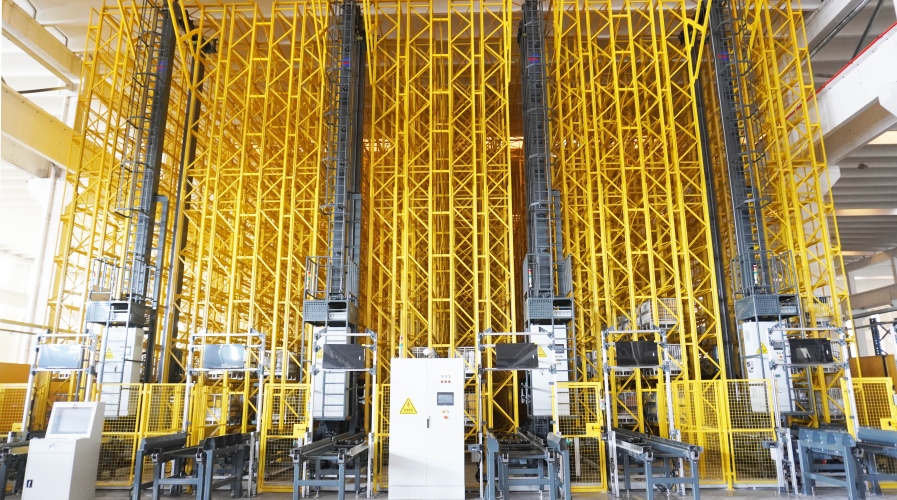
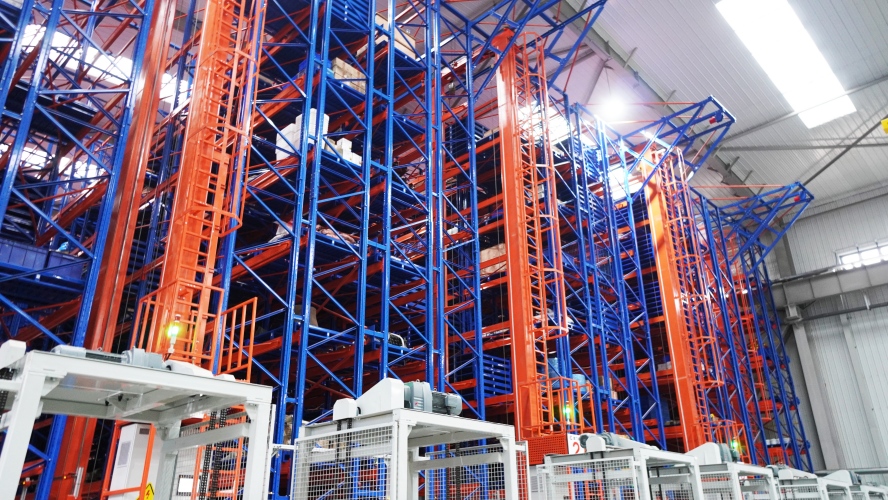
The system uses an integrated rack and rail structure with an aisle width of approximately 860 mm.
Compared with traditional shelving layouts, the narrower operating space allows more warehouse volume to be used for storage rather than walking paths.
The system supports storage heights up to approximately 12 meters, with layer clear height starting from 290 mm.
This structure allows more storage levels to be arranged within the same building height.
For warehouses where expansion space is limited, vertical utilization can become an important factor.
However, higher density is not achieved by simply adding more levels.
The storage layout, tote size, picking method, and replenishment process all need to work together.
Flexible Storage Configurations for Different Applications
Different warehouses have different material characteristics.
A spare parts warehouse may need many SKUs with low quantities.
An electronics factory may need frequent access to production materials.
A distribution center may need fast order processing.
For this reason, Mini-FlyBox supports different storage configurations, including:
- single tote storage;
- double-depth storage;
- dual-tote storage.
These options allow engineers to balance storage density and retrieval efficiency according to actual operation requirements.
For example, a warehouse focusing on fast retrieval may prioritize accessibility.
A warehouse with large SKU volumes and stable inventory patterns may choose deeper storage to improve space utilization.
The final configuration depends on the relationship between storage demand and picking rhythm.
From Storage Location to Picking Station
The value of a small-parts ASRS is not only inside the rack.
The complete process depends on how quickly stored items can reach the operator.
Mini-FlyBox supports goods-to-person picking workflows.
Instead of operators walking through aisles searching for materials, Mini-FlyBox retrieves the required tote and works together with AMRs to transfer materials between storage areas and picking stations.
This changes the operator’s role.
The operator no longer spends most of the time finding products. More time can be focused on picking accuracy, order processing, and material confirmation.
For high-SKU operations, this difference becomes more noticeable as the number of storage locations continues to increase.
Continuous Operation and Stable Material Flow
Small parts operations often run continuously.
Peak periods may create sudden increases in retrieval demand. A system that performs well under normal conditions may still face pressure during busy periods.
Mini-FlyBox uses a conductor rail power supply design to support continuous operation.
The equipment can achieve travel speeds up to 3.5 m/s and supports continuous working scenarios.
The system design focuses on maintaining stable tote movement between storage positions, conveyors, and picking stations.
For customers, stable operation is often more important than a single maximum speed figure.
Mini-FlyBox in Automotive Spare Parts Applications
Automotive spare parts are one typical application scenario.
A spare parts warehouse may contain thousands of components, from small fasteners and electronic components to larger assemblies.
These materials cannot all use the same storage method.
In one automotive spare parts project, DELIECN applied Mini-FlyBox together with pallet four-way shuttle ASRS, AMRs, and other storage methods.
The Mini-FlyBox system was used for small parts and high-SKU items.
With more than 17,000 tote locations and 18 Mini-FlyBox units, the system supported high-frequency picking operations together with 54 Tote AMRs.
The project achieved a throughput of approximately 870 lines/hour for small-part operations.
The important point is not that one device solved the entire warehouse problem.
The project worked because different materials were matched with different storage methods.
Large parts, small parts, irregular parts, and transfer tasks each had their own solution.
Where Mini-FlyBox Creates the Most Value
Mini-FlyBox is particularly suitable for warehouses with:
Operational Demands
- high SKU quantities;
- frequent small-item retrieval;
- limited floor space;
- goods-to-person picking requirements;
- production material preparation needs.
Typical Industries
- automotive spare parts;
- electronics and precision manufacturing;
- pharmaceutical distribution;
- retail fulfillment;
- cosmetics and daily goods;
- industrial components.
It is not designed to replace every type of Automated Storage system.
For heavy pallet loads or large-batch storage, pallet-based solutions may be more suitable.
Mini-FlyBox creates value where the challenge comes from many small items, limited space, and frequent access requirements.
Choosing Automation Based on Material Flow
A common mistake in warehouse planning is selecting equipment first and then trying to adapt the operation around it.
In reality, the better starting point is understanding the materials:
- How many SKUs need frequent picking?
- How often does each item move?
- What is the required picking speed?
- How much space is available?
- Will the warehouse mainly support production or customer orders?
The answers determine whether Mini-FlyBox is the right choice and how it should be configured.
The role of automation is not simply to replace shelves.
It is to create a smoother connection between inventory, equipment, and people.
DELIECN provides Mini-FlyBox ASRS solutions for spare parts, manufacturing materials, electronics components, and goods-to-person picking applications.
Follow DELIECN on LinkedIn for more Warehouse Automation insights and project experience.