
 AS/RS Handling Robot
 Vertical Storage Module
 Conveying Equipment
 Smart Warehousing System
 Warehouse Racking
 Industries
 Services
 About Us

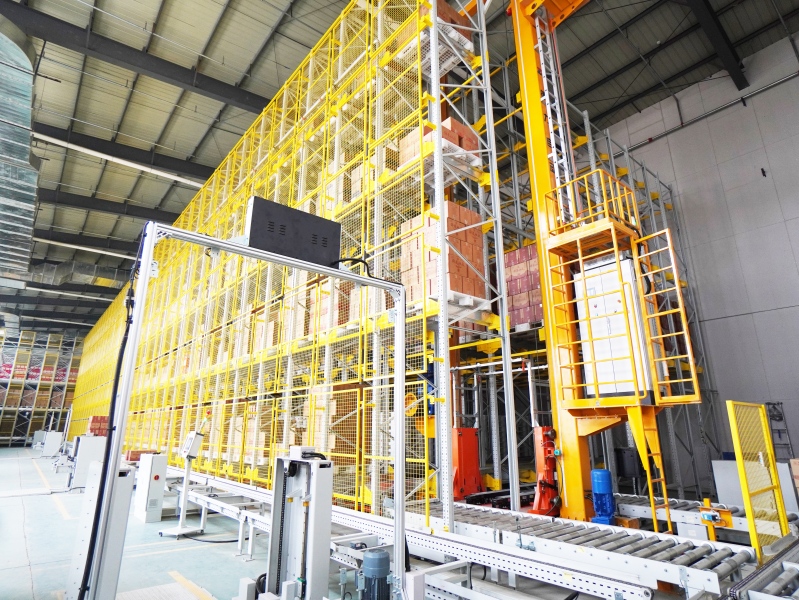
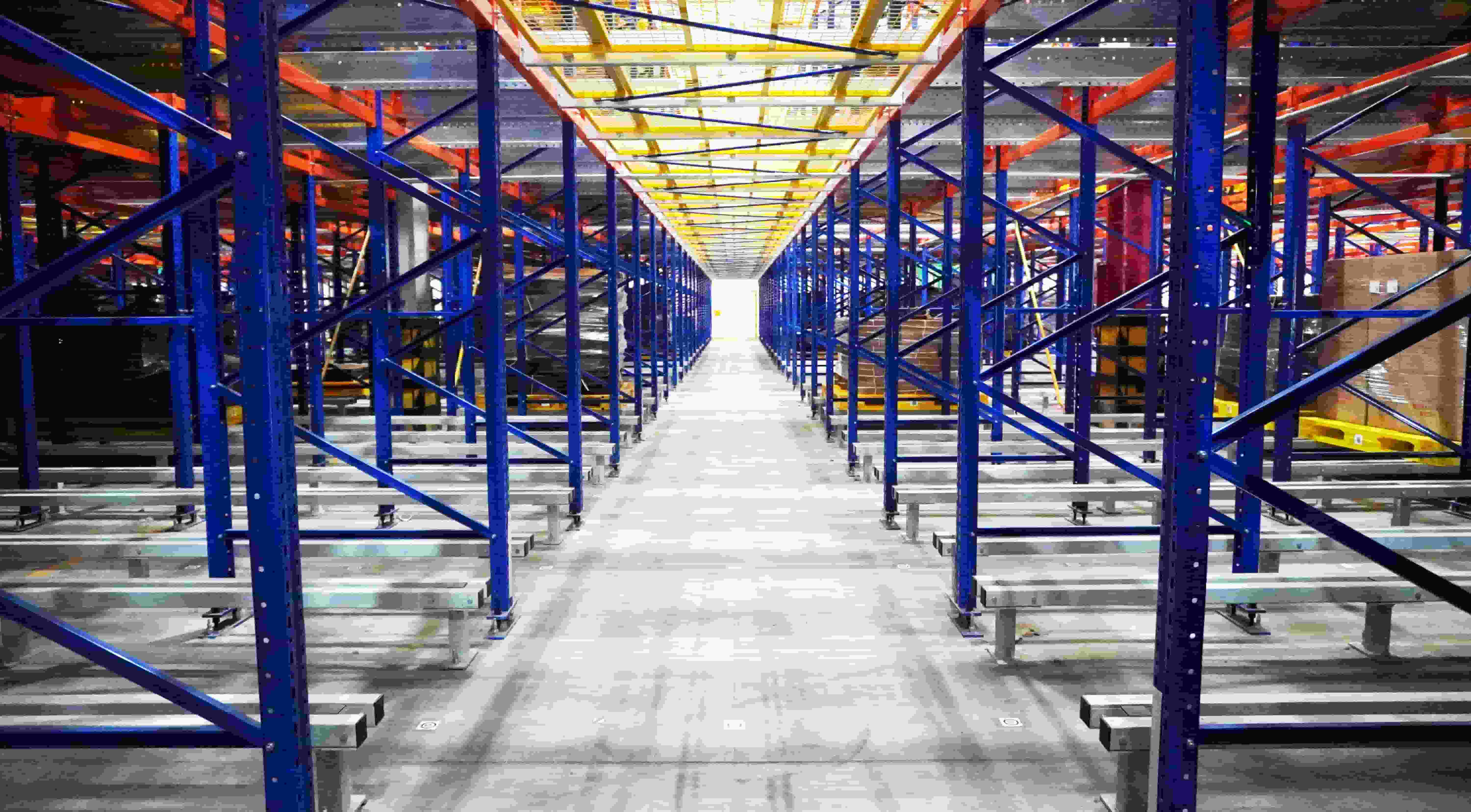
Beyond Storage Density: Why More Manufacturers Are Considering Pallet Shuttle Robot Solutions
Pallet Shuttle Robot solutions are gaining wider attention.
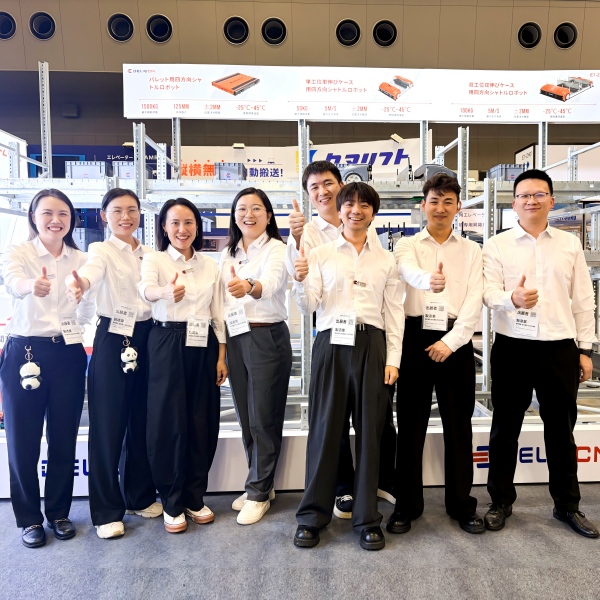
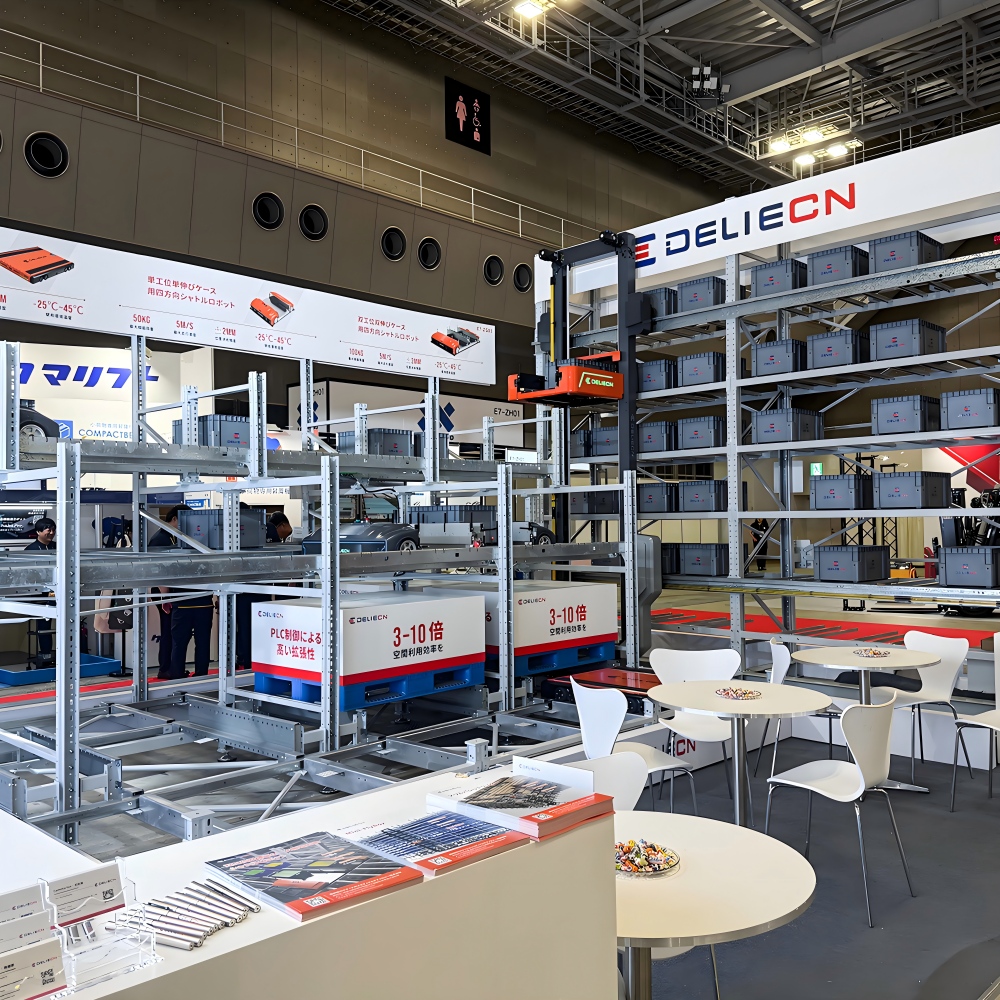
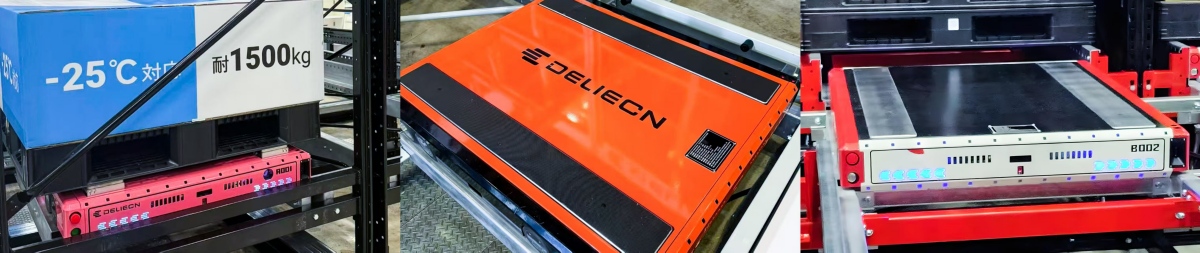
This attention was amplified at the recent Tokyo Logistics Exhibition. Pallet Shuttles from the same brand appeared at three booths at the exhibition, attracting attention and coverage from the well-known media outlet LNEWS. It's worth noting that the shuttle robots addressed different problems at each of the three booths. The first booth demonstrated collaborative operation with pallet fork AMRs, while another showcased how they automatically dock with pallet latent AMRs in a -25°C environment. The third scenario demonstrated the application of its ultra-thin 125mm body with a 1.5-ton load.
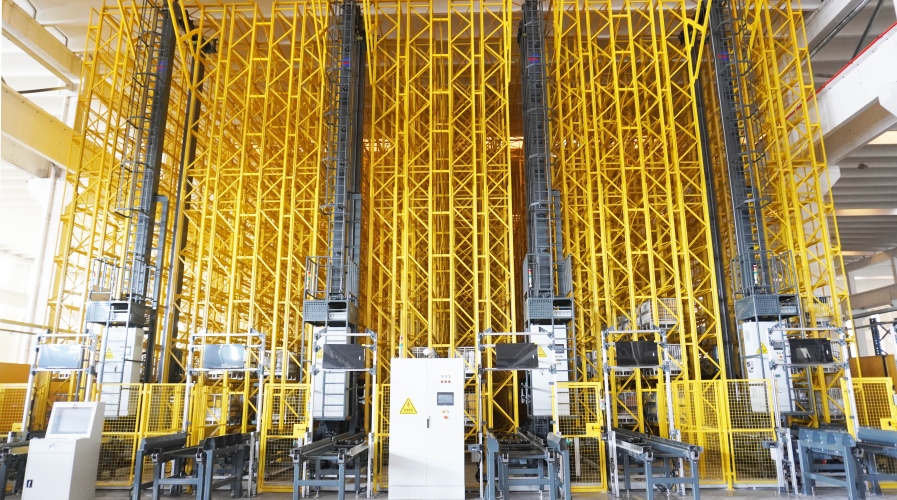
While shuttle robot technology is widely known, many still have doubts about its performance in Automated Warehousing compared to the already widely usedstacker crane. Five years ago, many believed it could not replace Stacker Crane, given its leading position in automated storage and retrieval systems (AS/RS) and extensive use in pharmaceuticals, chemicals, and food and beverage industries.
However, in the past five years, shuttle robot technology has made rapid progress in high-density storage applications. Traditional hydraulic jacking has been replaced by mechanical jacking due to its superior stability and elimination of the cascading risks associated with oil leaks. The thickness of the vehicle body has also been reduced from 150mm to 125mm, and the positioning method has been upgraded from dual positioning to multi-positioning. Furthermore, the stable mechanical transmission system and powerful Siemens PLC control further enhance the performance of the shuttle robot. As a result, more and more people have moved from observation to appreciation and ultimately to use. The performance of shuttle robot technology in actual projects is also encouraging.
In the latest project case disclosed by DELIECN, the application scenarios of shuttle robots have expanded from high-density storage and retrieval to front-of-warehouse conveying, from ambient temperature warehouses to -25°C cold storage, and even in industries such as automotive parts and paper manufacturing, where they have shown remarkable performance.
However, caution is still necessary before deciding to choose shuttle robot technology. No single technology can solve all problems, and this is especially true for shuttle robot.
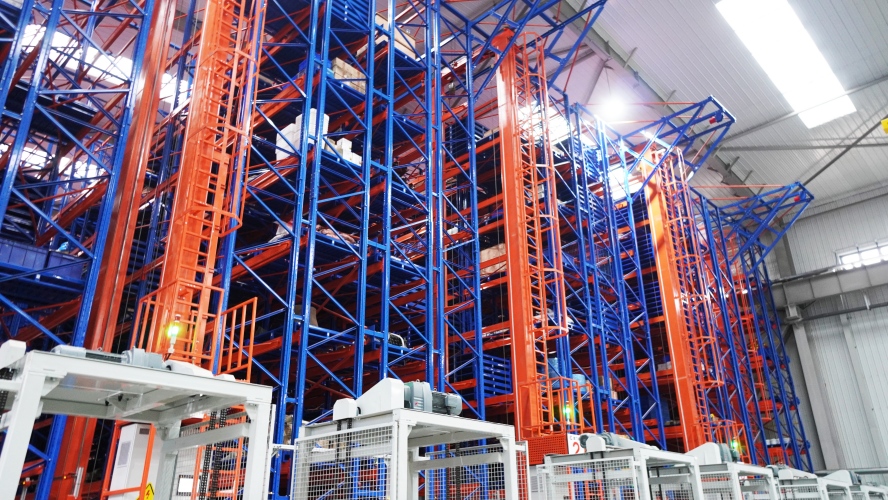
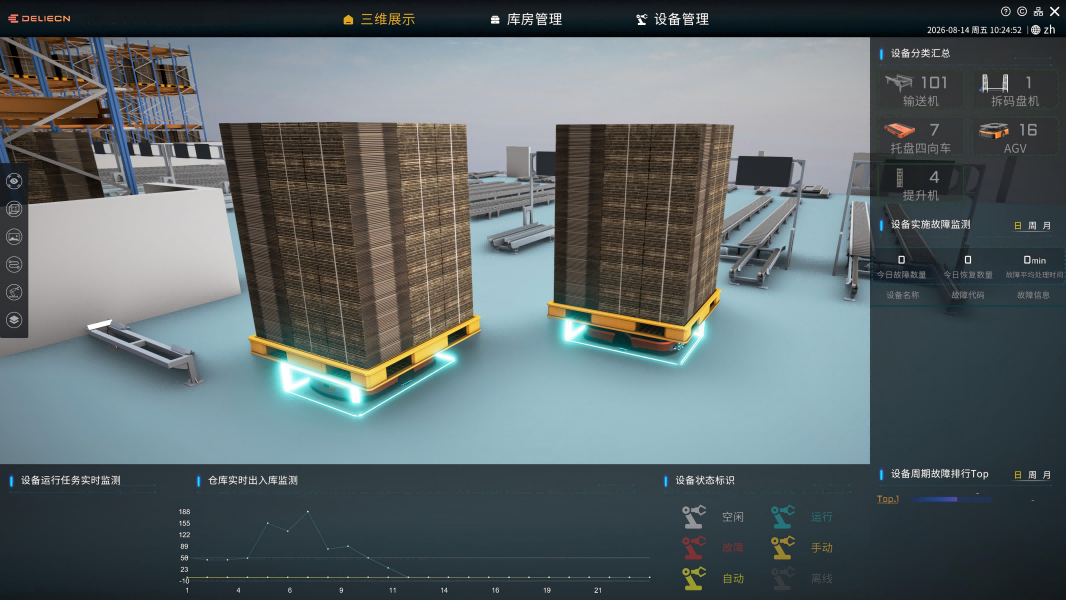
On the surface, the structure of the entire automated warehouse using shuttle robots may seem similar, but the underlying logic is vastly different. The Toyota project features 7-meter-high racking units equipped with 14 shuttle robots. Within the same racking system, two heights are used (H1675 mm and H1200 mm) due to material height limitations. Different racking heights mean that each time a shuttle robot retrieves goods, the pallet calibration and connection position with the lifter vary, requiring a robust positioning system and a powerful WCS scheduling algorithm.
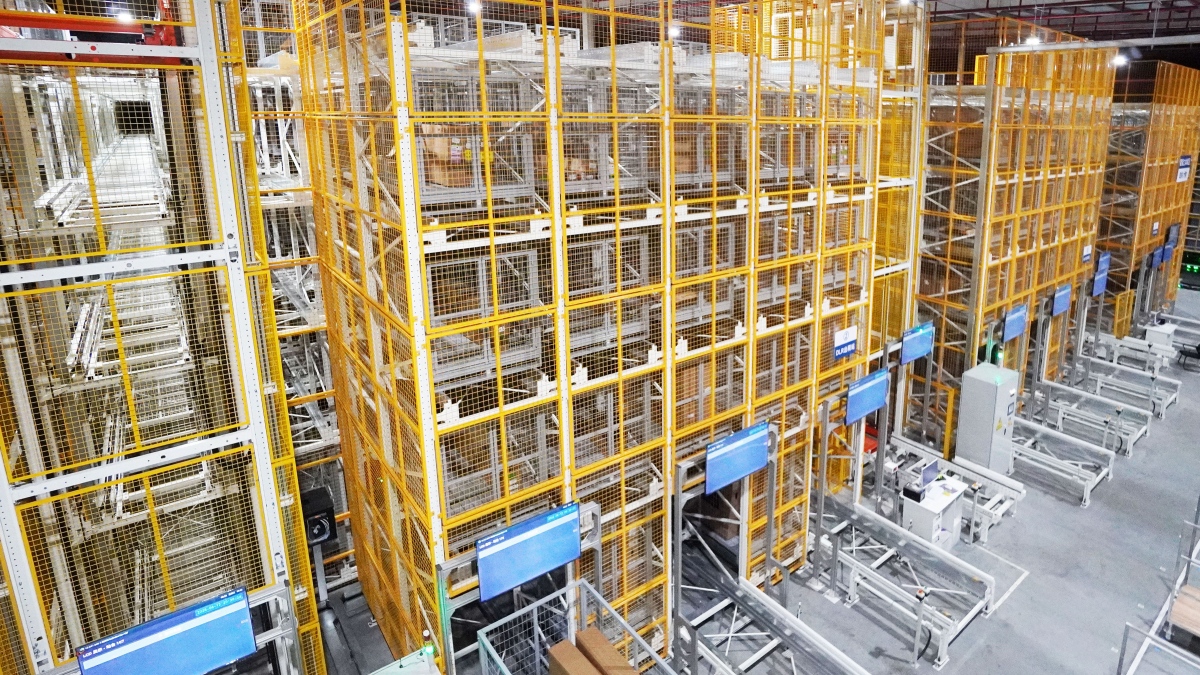
In Rongtong Hi-Tech's battery material warehouse, over 30 shuttle robots handle high-frequency storage and handling of nearly 40,000 storage locations. Ensuring smooth paths, reducing congestion, and coordinating effectively between robots are challenges that have been overcome. This project has been running stably for three years, and the next three years hold great promise.
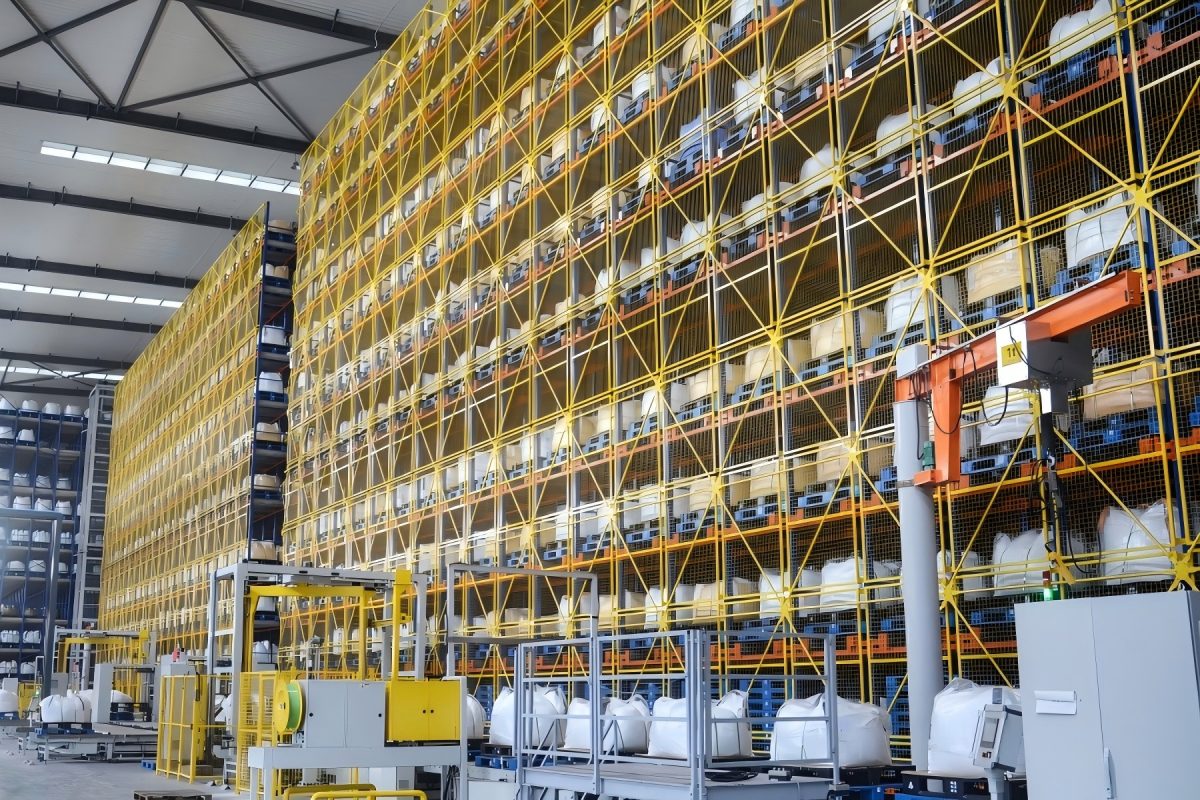
In August, I had the opportunity to witness the operation of shuttle robot technology at the YFY factory, a global leader in this field. It was a completely different scenario. Faced with high-frequency inbound and outbound operations, numerous order batches, and small quantities, this project innovatively adopted a "top-down storage, bottom-up picking" strategy. The shuttle robot system, along with pallet latent AMRs and lifters, accomplished this seemingly impossible task. In this project, the client's words were particularly striking: "We never imagined a warehouse could be so densely packed, especially given our limited warehouse height. DELIECN 125mm shuttle robots allowed us to achieve a storage area with three layers above and one below. When this solution was designed, we simply couldn't believe it; the space was compressed to its limit." Now, after the deployment of this dense storage, the crowded warehouse and aisles have become spacious. "It's even somewhat empty. People who don't know the truth will ask us what exactly happened." said one of YFY's managers.
Another unconventional scenario is in Zhenglai's warehouse. This is a pharmaceutical company with clean production lines and storage areas. The shuttle robots primarily handle the dense storage and retrieval in the cool storage area. Inside this warehouse, what's most impressive isn't the towering racks, but the dim environment. Even during the day, visibility inside the warehouse is low, mainly due to the characteristics of the medicines. In this dark environment, a single blue light stands out—the headlights of the shuttle robots. What's even more interesting is that, unlike in other warehouses where it simply docks with the lifter, it went to the front of the warehouse and interacted with the palletizing robot. Once the pallets of medicine were in place, the shuttle robot automatically moved underneath and steadily transported them to their corresponding storage locations.
If we say these are the shuttle robot's shining moments, it's too early to say. Shuttle robots already have some experience in high-density, heavy-load, and cold storage environments, but with increasing attention, its application will see a leap forward. We eagerly await its development.