Industries Smart Warehousing Solutions Tailored To Your Industry
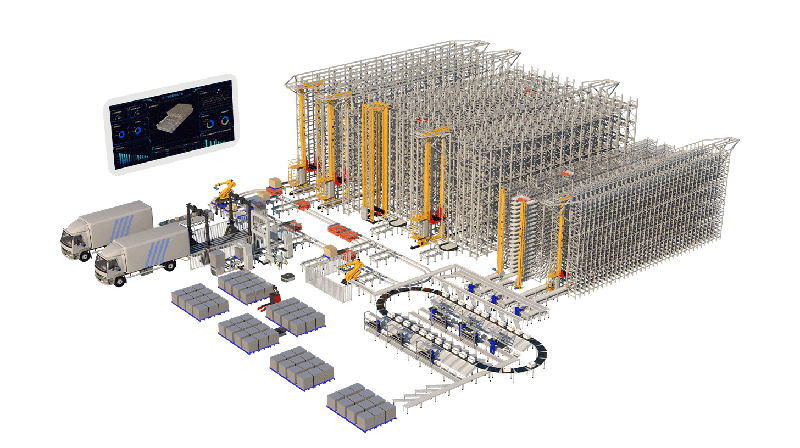
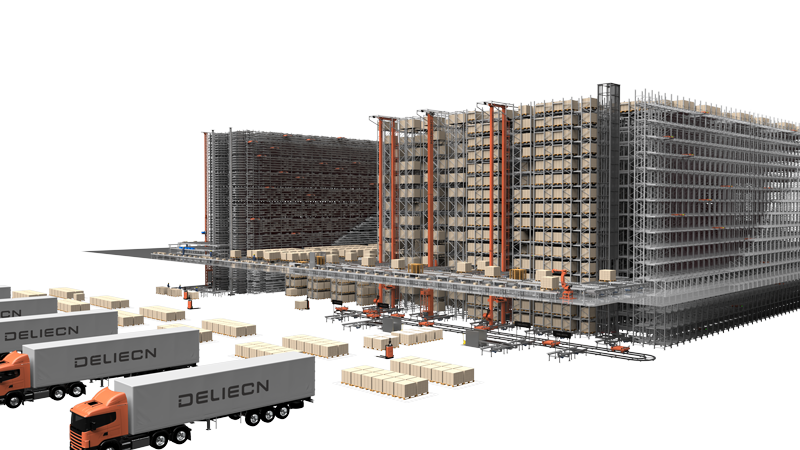
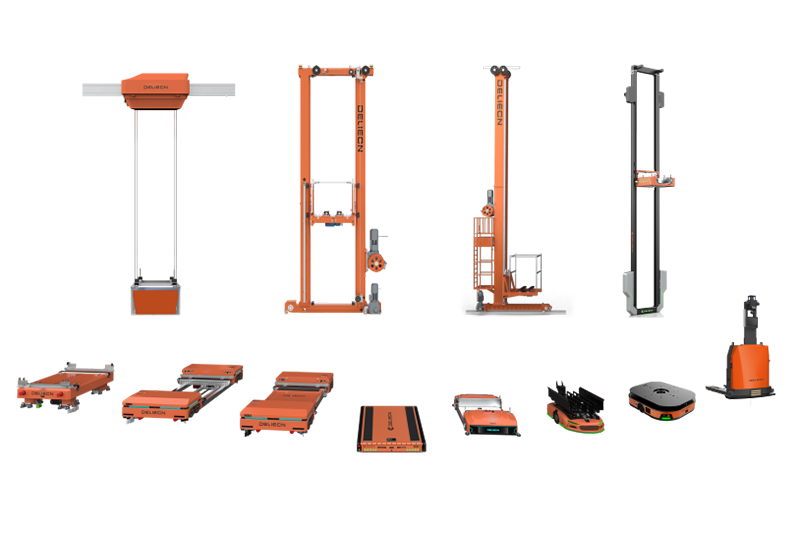
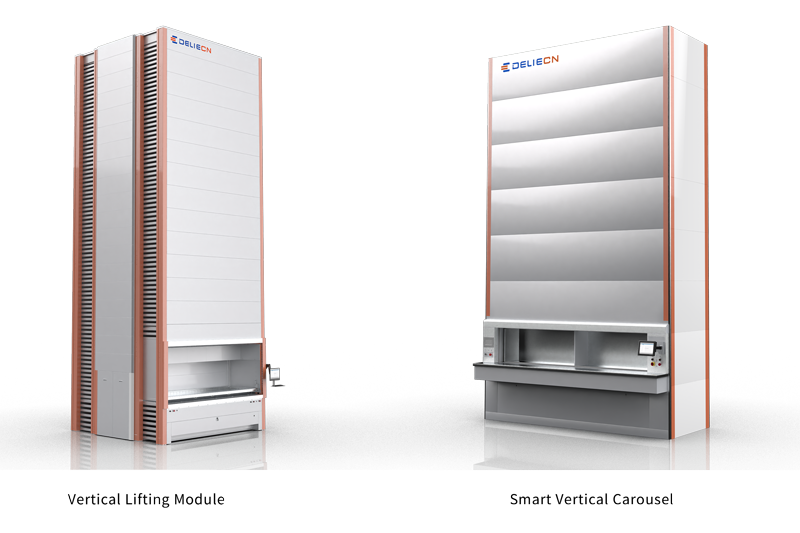
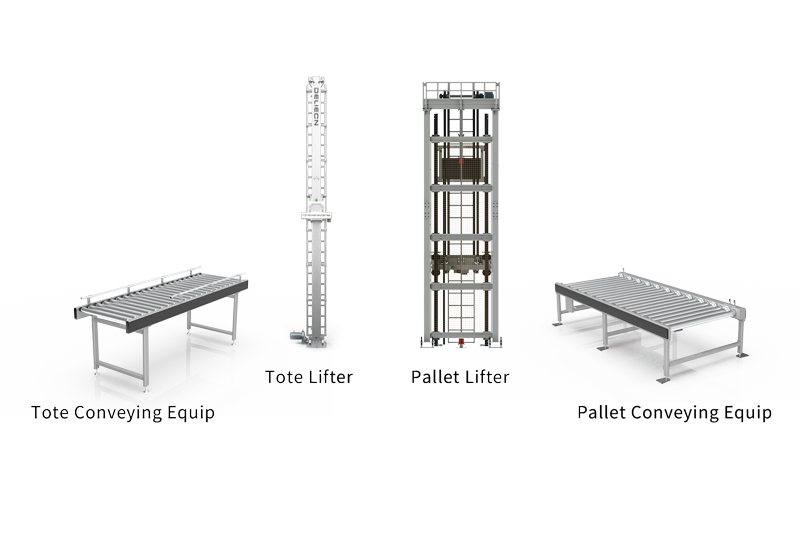
With a comprehensive range of intralogistics, products, DELlECN helps you build efficient and Fully Automated Warehouse operations.
Services Maximizing the Value of Your Logistics
At DELIECN, service goes beyond product delivery. We provide consulting, planning, design, manufacturing, installation, commissioning, and after-sales support throughout the entire lifecycle.
About Us Efficient and Flexible Automated Warehousing Solutions
DELIECN supports clients across food and beverage, new energy, chemicals, pharmaceuticals, e-commerce, precision manufacturing, textiles, and energy industries with intelligent warehousing systems tailored to their goals and requirements.
You know, China has quietly become a big player in Warehouse Automation—think systems built around robots like theTote Shuttle. But here's the thing: manufacturers aren't just competing on speed or the storage density they promise on paper. The real differences show up in the software, how they handle totes, their service coverage, and how much integration experience they actually have. All of that can make or break how well a system performs once it's in your facility.
Okay, so this guide is basically about Chinese Warehouse Automation suppliers—think Geek+, Hai Robotics, Quicktron, Hikrobot, and Mushiny. It doesn’t just list their specs. Instead, it digs into how each setup might actually work for your warehouse, depending on your layout, order mix, and how intense your operations get. You know the kind of comparison that actually helps? The one that goes beyond the glossy brochures. Like, how does a shuttle really perform when you’re hitting peak volume? Can it pull a tote out of a dense storage grid without slowing down? And what happens when something breaks down—how fast can it recover? That’s where the details matter.
Look, when you're evaluating equipment, it’s worth digging into more than just the basics—check payload limits, aisle widths, safety features, the control software, and whether it’ll play nice with your existing Warehouse Systems. References are helpful, sure, but remember: just because something worked well in one facility doesn’t mean it’ll be a slam dunk at yours. Every site has its own quirks. So treat this as a starting point, not a definitive ranking. Products change, service offerings shift, and what’s true today might not be tomorrow. Honestly, you still need to sit down and compare the documented specs against what your facility actually needs. That flashy headline number might grab your attention, but the real best choice is the one that fits your workflow, your support setup, and your long-term operating plan—not just the most impressive number on paper.

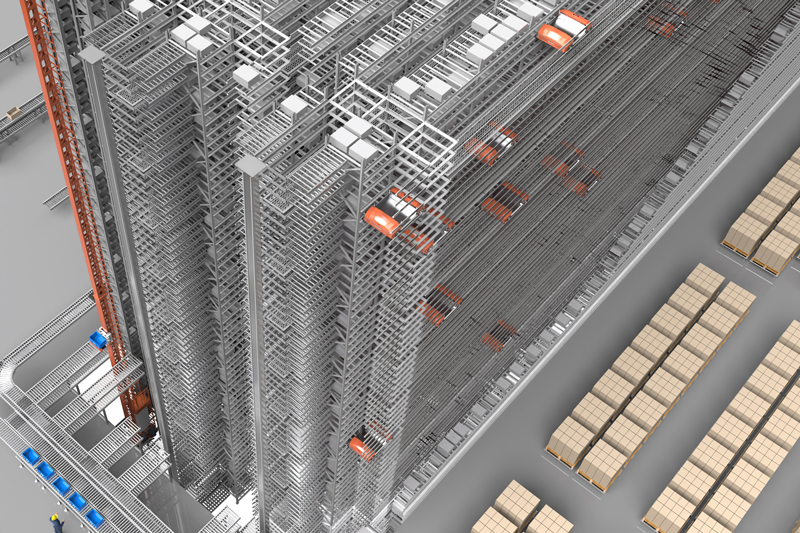
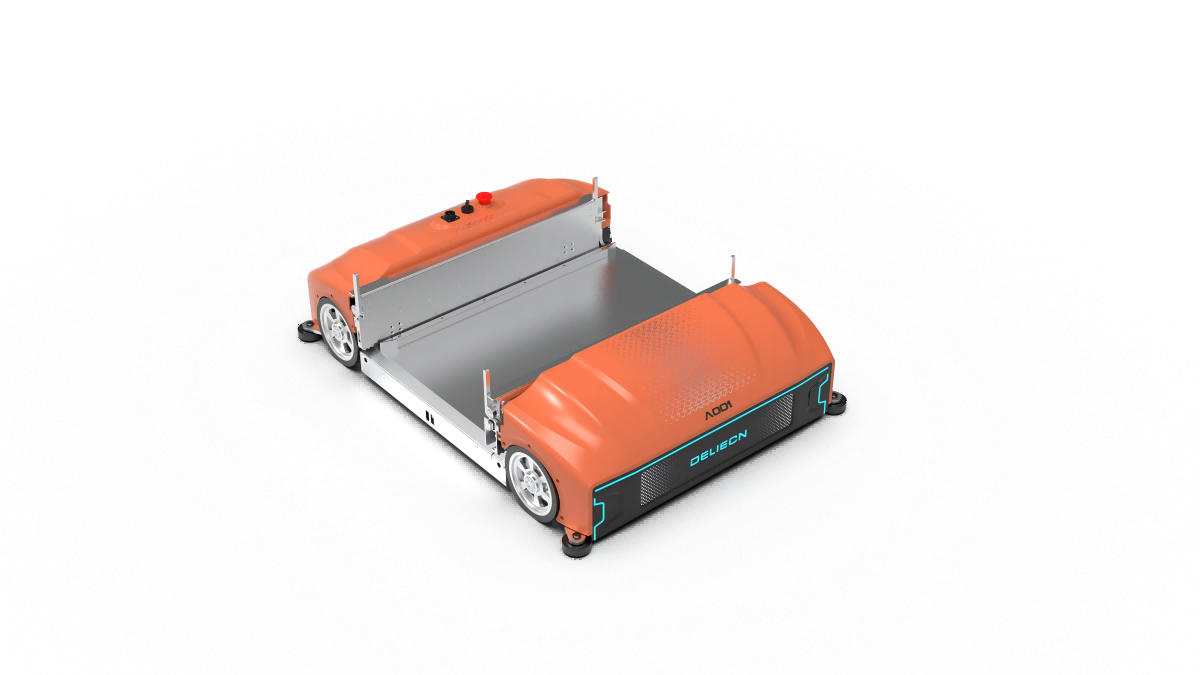
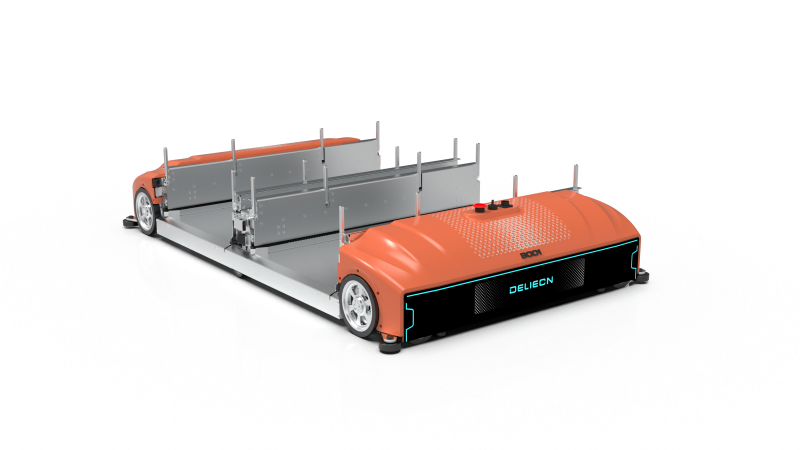
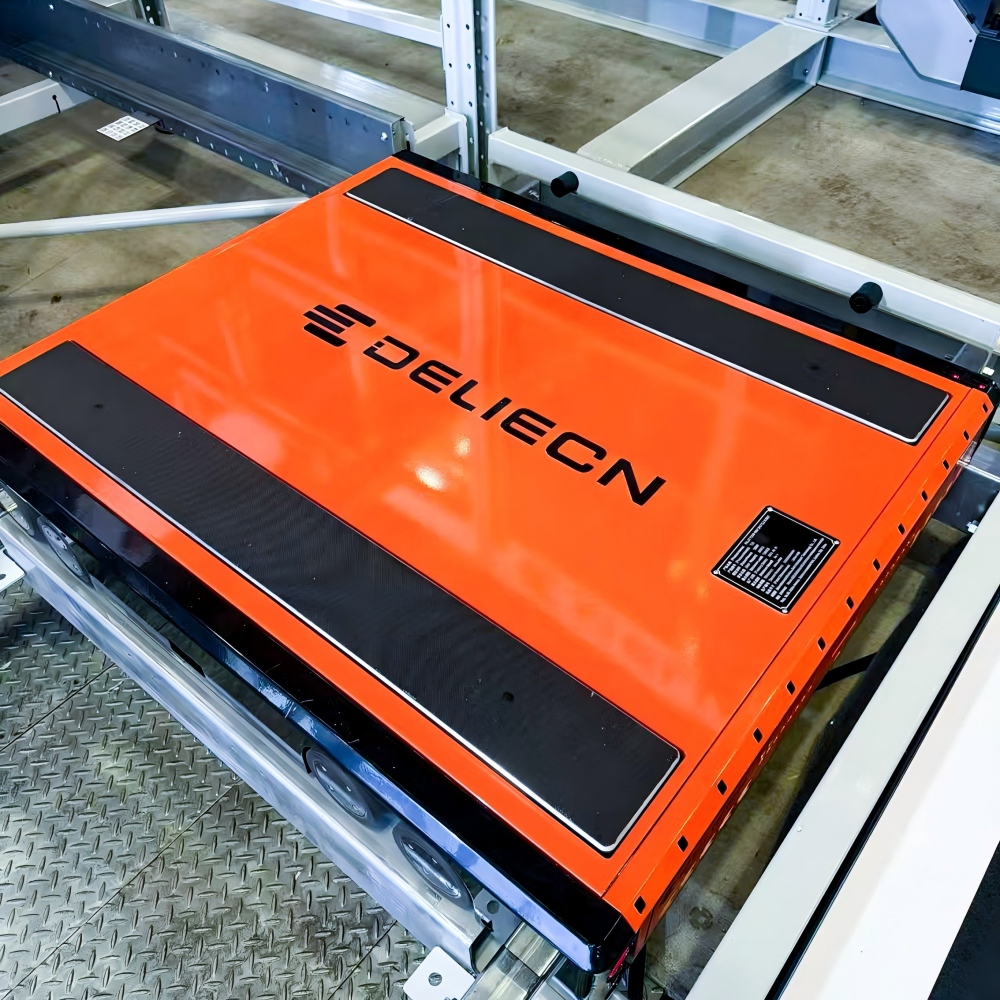
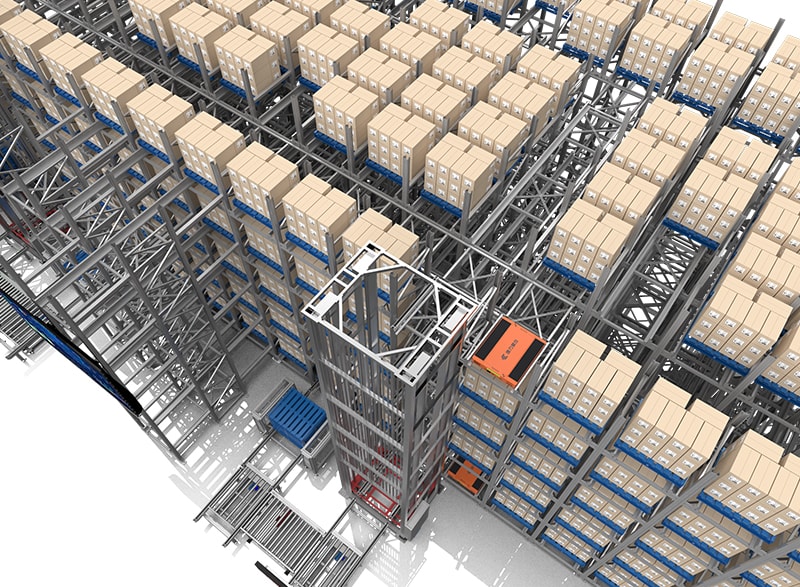
A tote Shuttle Robot is a compact, rail-guided machine that stores and retrieves bins inside a racking system. It travels horizontally through a rack level, then transfers totes to a lift, conveyor, or picking station. Unlike a forklift, it works within the storage structure, helping use vertical space and reduce manual travel. That is the basic idea.
In an AS/RS workflow, warehouse software assigns a tote location and sends a retrieval task to the control system. A shuttle moves to the target position, collects the tote, and delivers it to a lift or conveyor. The tote then reaches a goods-to-person workstation, where an operator picks the required items. Sensors, barcode scans, and inventory records help confirm each handoff.
MHI’s 2024 Annual Industry Report found that 88% of surveyed companies expect to increase supply-chain technology investment over the next five years. This signals wider automation interest, not a guarantee that every site needs shuttles.
The practical details matter.
Tote dimensions, rack tolerances, lift capacity, and software integration can limit throughput. A poorly planned replenishment area may create queues, even when the shuttle itself runs quickly. Not quite effortless.
Maintenance access, charging arrangements, and recovery procedures deserve attention before installation. A system can look elegant on a layout drawing and still struggle during peak periods.
That is worth testing with real order profiles.
Chinese manufacturers offer tote Shuttle Systems in several configurations: single- or multi-level shuttles, lift interfaces, rack structures, conveyors, and warehouse control software. Some suppliers also provide tote handling equipment and integration services. AShuttle Robot system can move bins between storage lanes and workstations, but throughput depends on more than shuttle speed. Tote dimensions, lift capacity, aisle design, and software response all matter. Small details count. Ask for cycle-time results using loads and tote sizes close to your own.
Manufacturing capability is one useful indicator, not proof of warehouse performance. The International Federation of Robotics reported 276,288 industrial robot installations in China in 2023, equal to 51% of global installations. That figure shows the scale of China’s automation sector; it does not measure tote-shuttle quality directly. Compare suppliers through system-level evidence: sustained throughput, retrieval accuracy, recovery from faults, and references for similar operations. Request drawings, maintenance intervals, and a clear list of excluded scope. Brochures can make integration look simple. In practice, connecting controls, fire protection, and existing warehouse software may take longer than expected. A pilot with representative totes can expose gaps before full deployment.
A 600 × 400 mm tote is more than a storage container; it sets key dimensions across a shuttle system. Rail spacing, carrier width, and transfer openings must accommodate the tote without excessive side clearance. Too little room can cause rubbing or jams. Too much may reduce positioning accuracy. Small differences in rim shape and base flatness also matter, even when nominal dimensions match.
In a Tote Shuttle System, engineers should check loaded tote weight, center of gravity, and bottom stiffness before selecting shuttle capacity. A tote holding dense parts can flex more than an empty sample suggests. Test representative containers on lifts and conveyor handoffs, not just on a static shelf. Check orientation, too. Some designs rely on consistent rim geometry, while others support the tote from beneath. Barcode placement and overhanging lids can affect sensors or neighboring loads. Measure real totes from several batches; supplier drawings alone may miss production variation. This step is easy to overlook. And sometimes, the “standard” tote isn’t quite standard. Leave practical clearance, but validate it through repeated transfers at operating speed. A short test run can reveal contact points that a clean layout drawing will not.
| Design Dimension | Relevant Tote Data | Effect on Shuttle-System Design | Compatibility Check |
|---|---|---|---|
| Nominal footprint | 600 × 400 mm is a widely used modular tote footprint. It describes the nominal length and width, not a universal tote specification. | Shuttle carriers, storage locations, guides, and transfer equipment must be sized around the tote’s actual external dimensions and required running clearance. | Confirm the tote’s measured outside length and width, including rims, handles, and protrusions. |
| Tote height | The 600 × 400 mm footprint does not define tote height. Available heights vary by tote type and application. | Height affects usable storage volume, rack pitch, maximum storage density, and clearance at lifts and workstations. | Specify the tote height and check the complete loaded profile, including any lid or contents above the rim. |
| Dimensional tolerances | Two totes with the same nominal footprint may differ in actual size because of construction, material, loading, and manufacturing tolerances. | Insufficient clearance can cause rubbing or jams; excessive clearance can reduce guidance and positioning accuracy. | Test representative totes from the intended supply, including the largest and most distorted examples expected in operation. |
| Base and underside | Ribs, feet, runners, recesses, and a flexible or uneven base can affect how a tote is supported and driven. | The carrier and transfer interface must support the base without catching features or allowing unstable movement. | Check underside geometry, base flatness, and support points against the shuttle carrier and conveyor transfer design. |
| Payload and deflection | Payload capacity is tote-specific; the tote and its contents can deflect under load. No single payload value applies to all 600 × 400 mm totes. | Load and deflection influence carrier rating, support spacing, acceleration settings, and reliable movement through the system. | Use the tote supplier’s rated payload and verify performance with the maximum intended load and its real distribution. |
| Storage-cell geometry | The tote footprint sets the basic plan area, while side walls, access clearances, and handling features add to the required cell dimensions. | Storage-channel width and depth must accommodate tote variation and the shuttle’s placement and retrieval method. | Confirm the proposed cell dimensions with a loaded tote and the system supplier’s specified operating clearances. |
| Conveyors and transfers | A 600 × 400 mm footprint alone does not establish compatibility with a conveyor; base design and transfer orientation also matter. | Roller, belt, or other transfer equipment needs suitable support, guidance, and a reliable handoff to the shuttle. | Check conveyor width, transfer direction, stop position, tote orientation, and any required bottom features. |
| Orientation and handling | Although the footprint is rectangular, a tote may not be equally suitable for handling in both orientations. | Orientation affects opening access, label visibility, picking presentation, and the design of guides or stops. | Define the permitted travel orientation and verify that tote handles, labels, and openings do not interfere. |
| Pallet and layout planning | Four 600 × 400 mm footprints geometrically fit a 1200 × 800 mm rectangle in a 2-by-2 arrangement, before allowing for gaps or overhang. | This modular relationship can help with unit-load and facility planning, but it does not determine shuttle-channel capacity or tote-system compatibility. | Account for pallet tolerances, load stability, wrapping, handling clearances, and the actual tote orientation. |
| Identification and traceability | Labels, barcodes, or other identifiers may be placed on different tote faces and can be affected by orientation or nearby structure. | Scanner position and tote presentation must provide a readable view during induction, storage, retrieval, or picking. | Confirm label location, code type, print quality, and line of sight in the intended operating position. |
| Supplier evaluation | Footprint compatibility is only one part of evaluating a tote shuttle system; capacity, throughput, operating conditions, and service requirements also matter. | Comparisons are meaningful only when suppliers use the same tote, load, layout, and performance assumptions. | Request a documented interface specification and test the proposed system with production-representative totes. |

Selection note: Treat 600 × 400 mm as a nominal footprint, not a complete compatibility specification. Confirm actual tote dimensions, tolerances, height, base geometry, payload, and handling orientation before finalizing shuttle, rack, lift, or conveyor interfaces.
When comparing tote shuttle robot manufacturers in China, look beyond the advertised maximum speed. A shuttle rated for 4 m/s may reach that figure only under specific load and track conditions. Ask for test data showing speed with a full tote, not an empty carrier. Check payload limits against the heaviest item your operation will handle. Leave a margin.
Throughput depends on more than top speed. Review acceleration, braking distance, lift or transfer time, and how often shuttles must wait at intersections. Request a cycle-time estimate based on your aisle length, storage depth, and peak order pattern. Then compare it with a site simulation or a supervised acceptance test. Small delays add up.
A Robot Pallet Shuttle may serve a different load format, but its evaluation still benefits from the same measured approach. Confirm whether stated throughput means single-shuttle output or an entire system with multiple shuttles. Ask how performance changes during battery charging, congestion, or routine maintenance. These details are easy to overlook. A practical comparison records payload, loaded speed, and completed tote moves per hour under the same conditions. If the supplier cannot explain the test setup clearly, treat the headline figure with caution.
Illustrative, brand-neutral model for comparing shuttle performance. Payload is set to a 50 kg design target; throughput is calculated from shuttle speed under the assumptions below.
How to read this: Estimated throughput assumes a 40 m round trip, 10 seconds of fixed handling time per cycle, and one tote moved per cycle. The calculation is 3,600 ÷ (round-trip distance ÷ speed + handling time). It excludes traffic, charging, and other operational delays. Compare vendor-rated payload and measured throughput under your own route and load conditions.
High-density tote storage automation is most useful where many small products must be stored and retrieved quickly. E-commerce warehouses often handle thousands of changing stock-keeping units and sharp seasonal peaks. Cosmetics and personal-care distributors benefit from compact storage for varied product sizes and frequent small orders. Electronics operations may use totes to organize components and accessories, while healthcare suppliers can improve access to packaged, traceable inventory. Space matters.
The strongest fit is usually a site with limited floor area, steady order volume, and repeatable tote dimensions. Dense storage can shorten travel, but it does not fix poor replenishment or inaccurate stock data. A system designed around peak demand may sit underused during quiet months. That trade-off deserves a careful review.
Tips: Map order lines by hour, check tote and item compatibility, and test peak-day workflows before choosing capacity. Ask operators where exceptions occur; the answer may change the design.
When comparing Chinese tote-shuttle suppliers, assess the complete system, not a robot’s advertised speed. Request a live test with your own tote sizes, load weights, and peak order mix. Watch handoffs. Ask how the system handles blocked lanes, lost communication, and manual recovery. Verify interfaces with your warehouse software and conveyor controls. The MHI and Deloitte 2024 Annual Industry Report found that 55% of surveyed supply-chain professionals were using robotics and automation, underscoring the need to test how equipment works within a wider operation.
Safety evidence should be specific. Request a documented risk assessment, emergency-stop locations, pedestrian separation measures, and test records for abnormal conditions. Check whether operators can isolate a shuttle safely before clearing a jam. A polished demonstration is not proof of safe daily use. It can be an uncomfortable question to ask, but who owns the response when an incident occurs?
Compare service commitments in writing: response times, spare-parts availability, remote support hours, and technician training. Calculate total cost over several years, including integration, commissioning, software, batteries, maintenance, and downtime—not only purchase price. IFR’s World Robotics 2024 report recorded 541,302 industrial robot installations worldwide in 2023, with Asia accounting for about 70%. That regional scale does not guarantee a good fit. Ask for references from comparable facilities and calculate payback using your own throughput data. Include a Pallet Shuttle Robot only if its operating role is clearly defined.
It travels along rack rails, storing or retrieving bins. A lift or conveyor moves each tote to a picking station. Less walking, usually.
Warehouse software assigns a tote location and sends a task to the control system. The shuttle collects the tote, then transfers it to a lift or conveyor. Scans and inventory records can confirm each handoff.
Not necessarily. Maximum speed may apply only with an empty carrier or specific track conditions. Ask for loaded-speed test results using your tote weight. Leave a margin.
Throughput depends on acceleration, braking, transfers, and waiting at intersections. A busy replenishment area can create queues. Small delays add up.
Compare completed tote moves per hour under the same conditions. Request estimates based on your aisle length, storage depth, and peak orders. A supervised acceptance test can reveal gaps.
Use your tote sizes, load weights, and order mix. Check interfaces with warehouse software and conveyors. Test blocked lanes, lost communication, and manual recovery. Watch the handoffs.
Request risk assessments, emergency-stop locations, and abnormal-condition test records. Confirm safe isolation procedures, spare-parts access, response times, and technician training. Ask who handles an incident.
Include integration, commissioning, software, batteries, maintenance, and downtime over several years. Compare that total with purchase price and expected throughput. A polished layout can still struggle at peak times. It is worth questioning the assumptions.
A tote shuttle robot is a compact automated storage and retrieval solution that moves containers through high-density rack systems. In a typical AS/RS workflow, totes are stored, retrieved, and transferred between storage locations and workstations with limited manual handling. System design depends on tote dimensions, especially the common 600 × 400 mm format, as well as payload limits, rack layout, and compatibility with conveyors, lifts, and warehouse software.
When comparing Chinese suppliers, consider more than headline speed: assess shuttle capacity, throughput, travel performance of up to 4 m/s, system integration, safety features, service support, and total cost of ownership. These systems can benefit distribution centers, manufacturing operations, and other facilities handling frequent, space-sensitive inventory movements. A careful evaluation of operational requirements and supplier capabilities helps identify a solution that balances storage density, performance, reliability, and long-term support.