Industries Smart Warehousing Solutions Tailored To Your Industry
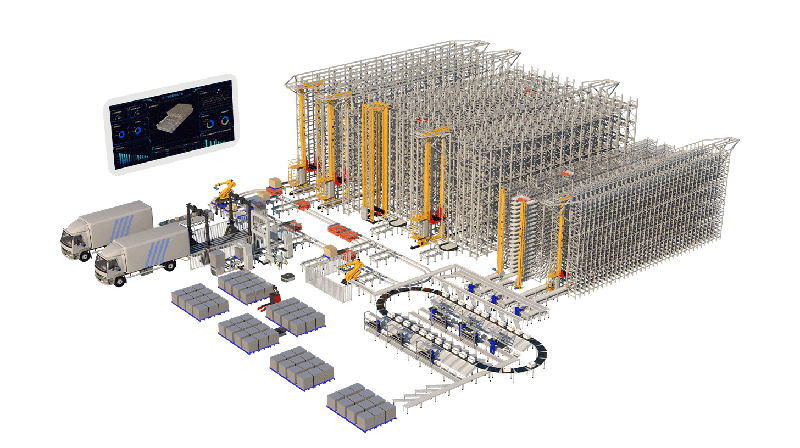
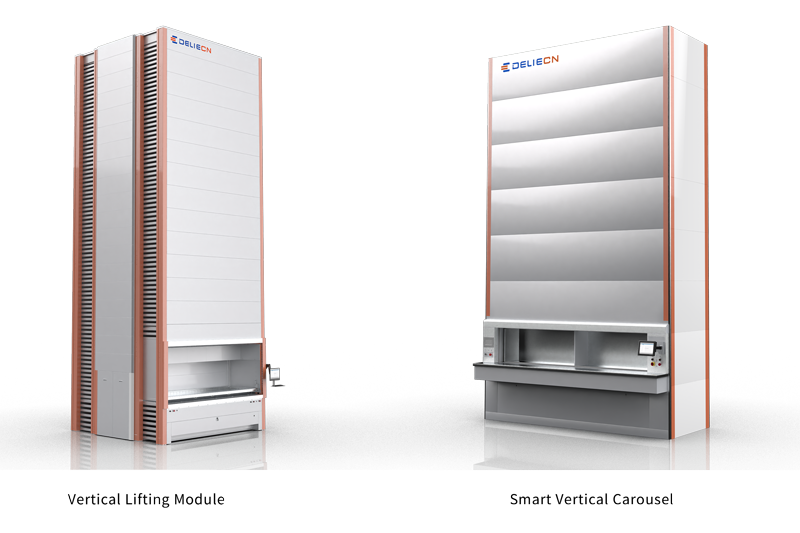
With a comprehensive range of intralogistics, products, DELlECN helps you build efficient and Fully Automated Warehouse operations.
Services Maximizing the Value of Your Logistics
At DELIECN, service goes beyond product delivery. We provide consulting, planning, design, manufacturing, installation, commissioning, and after-sales support throughout the entire lifecycle.
About Us Efficient and Flexible Automated Warehousing Solutions
DELIECN supports clients across food and beverage, new energy, chemicals, pharmaceuticals, e-commerce, precision manufacturing, textiles, and energy industries with intelligent warehousing systems tailored to their goals and requirements.

China’s small-parts manufacturing scene is shifting — slowly but surely — from stand-alone machines to production cells that are connected and actually measurable. This guide takes a look at ten suppliers worth knowing if you’re exploring Small Parts Automation System solutions in China. On the list: Siasun Robot & Automation, Estun Automation, Haitian Robot, Inovance Technology, JAKA Robotics, EFORT Intelligent Equipment, STEP Electric, Googol Technology, HNC Electric, and Quicktron.
These folks work across electronics, automotive components, medical devices, hardware, and precision assembly. Their gear can run the gamut: SCARA robots, vision inspection, feeding units, servo drives, conveyors, traceability software. And a good system? It needs to handle tiny parts without chewing up edges or throwing cycle times out of whack. It should also bounce back fast after a feeder jam. Honestly, the little things matter.
Bill Gates — often described as a technology and automation expert — once said, “The first rule of any technology used in a business is that automation applied to an efficient operation will magnify the efficiency.” That warning lands pretty squarely here. Automation won’t fix bad layouts, fuzzy quality standards, or inconsistent component supply. If anything, it makes those problems louder. An Automation Warehouse System can help with storage, picking, and line replenishment — but only if the data stays accurate. So this comparison looks at integration depth, real-world engineering experience, maintenance support, safety design, and total operating value. No ranking is ever perfect. A supplier’s strengths can shift depending on application, region, and project size. Some manufacturers look great in a demo and then show their limits during a long production run. That’s why buyers should ask for sample testing, uptime records, spare-parts policies, and customer references before picking a partner.
Small parts automation systems are engineered workflows for handling tiny components with speed and control. They combine feeding, orientation, inspection, picking, assembly, and traceable storage. In a practical line, a tray of screws enters a feeder, while sensors separate overlapping pieces. A vision camera checks position and surface condition. A servo gripper then places each part into a fixture or package. Small parts demand large attention.
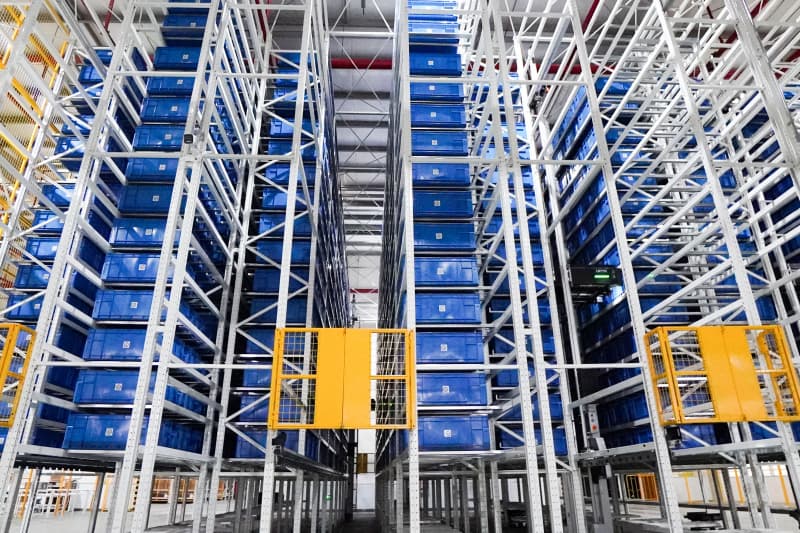
Their industrial role extends beyond labor reduction. These systems stabilize cycle times, limit handling errors, and improve operator ergonomics. Asrs Automation can connect compact storage with assembly cells, allowing software to request bins and record material movement. Sensors verify inventory locations. Controllers track alarms, batch data, and replenishment needs. This connection helps factories respond to changing production schedules without excessive manual searching. Proper guarding and risk assessment remain essential during system design.
Reliable performance depends on more than impressive specifications. Engineers should test the smallest, lightest, and most irregular parts before approving a system. Tolerance, surface friction, dust, vibration, and bin geometry can change results. Maintenance teams also need clear access to feeders, cameras, and grippers. Field experience shows that minor jams often reveal deeper design weaknesses. No system is perfect. A slower feeder may sometimes deliver better quality than a faster one. Manufacturers should document test conditions, downtime records, inspection accuracy, and training requirements before comparing automation solutions.
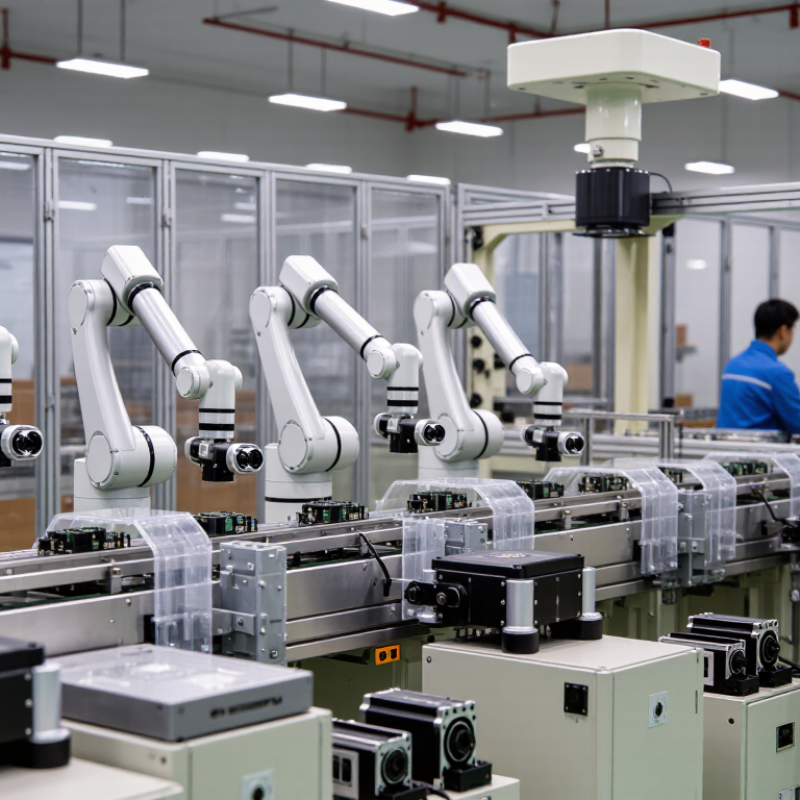
Small parts automation depends on precise motion, stable feeding, and reliable inspection. In Chinese manufacturing facilities, engineers commonly combine vibratory feeders, vision cameras, servo drives, and compact robotic arms. Each device must handle tiny variations in size, surface finish, and weight.
Shuttle Automation is useful when parts need repeated transfer between assembly stations. A shuttle moves components along a controlled path, reducing manual handling and positioning errors. Servo motors provide accurate movement, while linear guides limit unwanted vibration. Sensors confirm part presence before the next operation begins. This simple check prevents many empty cycles.
Vision inspection adds another layer of control. Cameras can detect missing holes, incorrect orientation, scratches, or incomplete assembly. Lighting matters more than many buyers expect. A bright reflection can confuse the camera. Engineers may need diffuse light, adjustable exposure, and carefully placed lenses. Pneumatic systems remain practical for gripping and pressing, but pressure changes can affect consistency. Electric actuators offer finer control, although they usually require more setup and maintenance knowledge. I have seen automation projects focus heavily on speed and overlook cleaning access. That choice often creates avoidable downtime. Good systems leave room for adjustment, safe access, data tracking, and future product changes.
| Rank | Key Technology | Primary Automation Function | Typical Small Parts | Main Performance Advantage | Common System Integration |
|---|---|---|---|---|---|
| 1 | Vision-Guided Robotics | Locates, inspects, or reorients randomly presented parts before robotic handling. | Connectors, clips, fasteners, molded components, and electronic parts. | Non-contact identification of position, orientation, color, and surface defects. | Industrial cameras, LED lighting, robot controllers, conveyors, and reject stations. |
| 2 | SCARA Robotic Assembly | Performs high-speed horizontal assembly, insertion, fastening, and dispensing. | Small housings, pins, screws, springs, terminals, and circuit-board components. | High repeatability with a compact footprint and fast cycle movement. | Electric screwdrivers, force sensors, feeders, conveyors, and programmable logic controllers. |
| 3 | Delta Pick-and-Place Robotics | Transfers lightweight parts rapidly between feeding, inspection, and packaging stations. | Caps, molded pieces, food components, medical disposables, and lightweight assemblies. | High-speed sorting and placement for repetitive handling operations. | Conveyor tracking, machine vision, vacuum tooling, weighing systems, and packaging equipment. |
| 4 | Precision Feeding and Orienting | Separates, aligns, and presents bulk small parts in a controlled orientation. | Screws, nuts, washers, pins, springs, plastic parts, and miniature metal components. | Continuous part presentation with reduced manual loading and fewer orientation errors. | Vibratory bowls, centrifugal feeders, step feeders, linear tracks, and escapement mechanisms. |
| 5 | Micro-Gripping and End-of-Arm Tooling | Handles delicate, miniature, or easily deformed parts during automated operations. | Micro-connectors, lenses, seals, pins, medical parts, and precision-machined pieces. | Controlled gripping force helps prevent scratches, deformation, and part loss. | Pneumatic or electric grippers, vacuum cups, compliance devices, and quick-change tooling. |
| 6 | Inline Dimensional Inspection | Measures critical dimensions and verifies geometric tolerances during production. | Precision shafts, pins, molded parts, stamped components, and miniature assemblies. | Automated, repeatable inspection without removing parts from the production flow. | Telecentric cameras, laser displacement sensors, probes, gauges, and statistical process control. |
| 7 | Laser Marking and Code Verification | Adds permanent identification and verifies readable product or process codes. | Metal components, electronic housings, medical devices, tools, and plastic parts. | Durable traceability with no physical contact or consumable ink in many applications. | Fiber or ultraviolet lasers, barcode readers, vision inspection, fixtures, and database systems. |
| 8 | Electric Press-Fit and Force Monitoring | Controls insertion force and displacement for press-fitting and joining processes. | Bearings, bushings, pins, terminals, connectors, and small mechanical assemblies. | Detects incomplete insertion, misalignment, abnormal resistance, and part absence. | Servo presses, load cells, linear encoders, programmable recipes, and quality-data logging. |
| 9 | Modular Indexing and Transfer Systems | Moves parts through multiple synchronized assembly, testing, and inspection stations. | Electrical subassemblies, precision mechanisms, valves, fittings, and miniature devices. | Stable positioning and repeatable sequencing for multi-step automated production. | Rotary indexing tables, linear transfer units, pallets, nests, sensors, and safety controls. |
| 10 | Traceability and Manufacturing Data Systems | Records process parameters, inspection results, equipment status, and product history. | Serialized electronic parts, medical components, automotive parts, and regulated products. | Supports genealogy, quality analysis, recipe control, and rapid fault investigation. | PLC systems, human-machine interfaces, barcode or RFID readers, databases, and manufacturing execution software. |

Note: The ranking represents the practical importance and prevalence of these technologies in small-parts automation projects, rather than a ranking of individual manufacturers.
Choosing among China’s top small parts automation system manufacturers requires more than comparing catalog prices.
The right evaluation starts with application evidence. Can the system reliably sort 3-millimeter components at the required speed? Does it maintain accuracy after eight hours of vibration, dust, and operator changes? The International Federation of Robotics reported 541,302 industrial robot installations worldwide in 2023, with China accounting for 276,288 units. This scale suggests strong manufacturing experience, but it does not guarantee a suitable solution for every small-parts line.
A serious supplier should provide measured cycle time, placement accuracy, uptime, and reject-rate data from comparable projects. Ask for factory acceptance test records, not polished demonstration videos. Integration also matters. A system should communicate with inspection equipment, enterprise software, conveyors, and Warehouse Automation platforms through documented interfaces. The safety design must cover guarding, emergency stops, access control, and risk assessment under applicable international standards. Interact Analysis has identified Warehouse Automation as a growing investment area, yet fast growth can encourage rushed purchasing decisions.
Service capability is equally practical. Check spare-parts availability, remote diagnostics, training hours, and response targets. Calculate total cost over five years, including tooling changes, software updates, energy use, and downtime. I have seen buyers focus too heavily on initial price. That was a mistake. A lower quotation can become expensive when a sensor fails and no local technician arrives. Supplier claims should be tested against reference calls, production trials, and independently reviewed data. Some criteria remain difficult to measure, especially long-term software stability. That uncertainty deserves attention.
China’s Top 10 Small Parts Automation System Manufacturers are increasingly judged by measurable delivery results. The field includes modular conveyors, picking cells, vision inspection, feeders, and robotic handling platforms. According to the International Federation of Robotics’ World Robotics 2024 report, China installed 276,288 industrial robots in 2023. This represented about 51% of global installations. Such scale increases demand for compact, repeatable production systems.
A credible Top 10 evaluation should examine payload accuracy, cycle time, software integration, maintenance response, and verified project experience. For small components, a two-millimeter positioning error can cause jams inside a narrow tray. Agv Warehouse Automation also requires reliable navigation, battery planning, and traffic control around workers. The International Federation of Robotics links effective automation with improved productivity, but installation numbers alone do not prove system quality. That distinction matters.
Manufacturers with strong engineering teams usually provide digital twins, fault records, spare-parts plans, and operator training. Public data remains uneven. Some suppliers publish detailed performance figures, while others provide only attractive project images. A ranking can still miss hidden service costs. Buyers should request factory acceptance records, uptime evidence, and references from similar small-parts lines. The best candidates combine local support with flexible mechanical design, because product sizes, packaging materials, and order volumes change quickly. Practical testing is still essential.
China’s top ten small parts automation system manufacturers serve electronics, automotive, medical devices, and precision hardware. Their systems commonly handle screws, connectors, springs, sensors, and molded components. Typical solutions combine feeding, vision inspection, robotic picking, assembly, testing, and packaging.
The market need is measurable. The International Federation of Robotics reported 541,302 industrial robot installations worldwide in 2023. Asia accounted for about 70 percent of new installations, showing strong regional demand for automated production. In electronics factories, high-speed feeders and vision cameras place tiny components into trays or housings. Automotive suppliers use torque-controlled screwdriving and leak testing for small safety-related assemblies. Medical-device producers require cleaner cells, traceability, and stable handling of delicate parts.
Applications differ sharply by material and tolerance. A plastic clip may need gentle vacuum gripping, while a metal spring requires controlled mechanical separation. In practical line assessments, cycle time is not the only concern. Changeover speed, reject tracking, operator access, and maintenance training often decide whether a system performs well. The International Data Corporation has identified labor shortages and manufacturing resilience as continuing automation drivers, but automation is not automatically efficient. Poorly designed feeding can create jams every few minutes. That weakness is easy to overlook. Buyers should request sample testing, documented accuracy data, and production references before approving a complete line.
Selecting a small parts automation partner starts with the part, not the sales brochure. Ask how the system handles your actual components: tiny springs, molded caps, or uneven metal clips. Request a live trial using production samples. A polished demonstration can hide feeding failures. During factory visits, watch the line run for several hours. Short tests are not enough. Record misfeeds, jams, cycle time, and operator interventions. These details reveal practical engineering quality.
Review the partner’s design process and documentation. Can engineers explain tolerance limits, sensor choices, changeover steps, and rejected-part control? Clear answers matter more than impressive vocabulary. Check whether the system includes guarding, emergency stops, access controls, and documented risk assessments. Compliance requirements vary by market, so confirm applicable standards with qualified local professionals. Ask for drawings, software backups, spare-parts lists, and maintenance intervals before signing. A reliable supplier should also define response times and remote-support limits.
Cost deserves a wider lens. Compare uptime, tooling replacement, training, energy use, and future product changes. A cheaper machine may become expensive after repeated manual resets. Speak with current users, but ask specific questions about service delays and promised performance. Leave room for doubt. Your samples may change, and assumptions may fail under dust, vibration, or seasonal humidity. A pilot installation with agreed acceptance criteria can expose these weaknesses early. Choose a partner willing to measure problems openly, revise the design, and support the line after commissioning.
Industry research on automated logistics highlights a clear shift toward scalable, connected, and data-driven warehouse operations. As distribution centers handle greater order complexity and tighter delivery expectations, the electrical control system has become a critical foundation for equipment stability, coordination, and operational visibility. A modular architecture helps warehouses expand automation capacity without redesigning the entire control structure, while reliable communication between devices supports smoother material flow and faster responses to changing workloads.
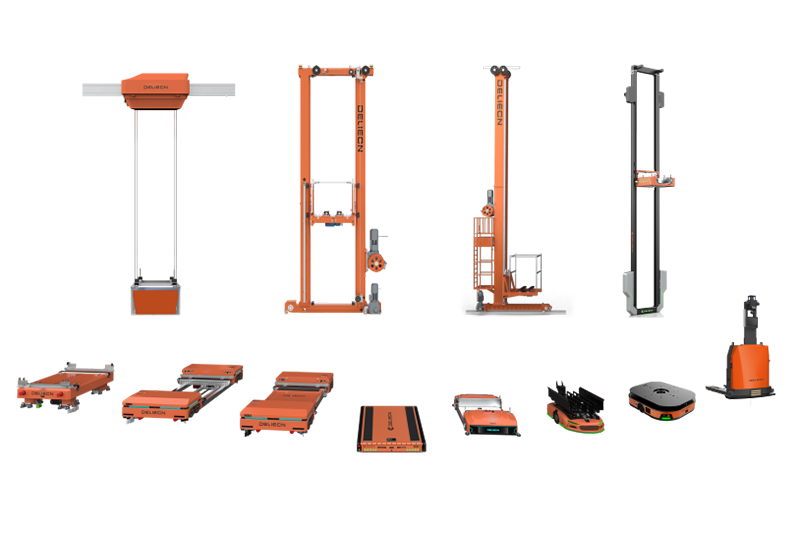
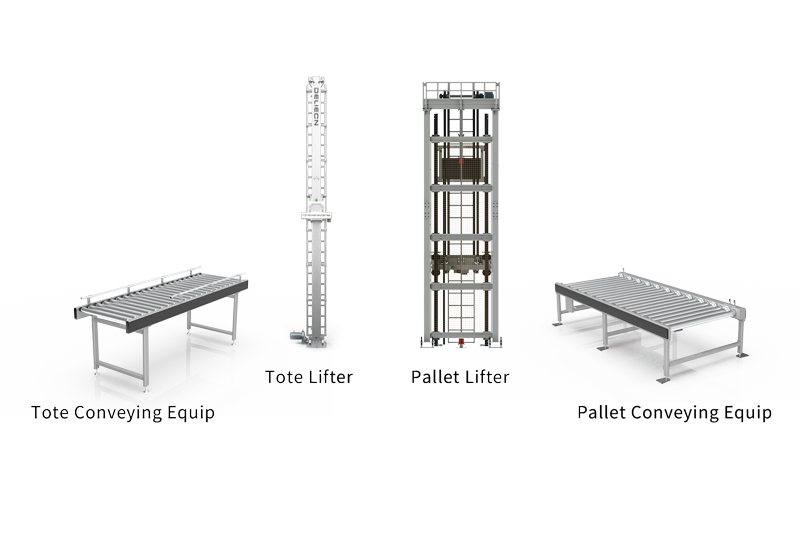
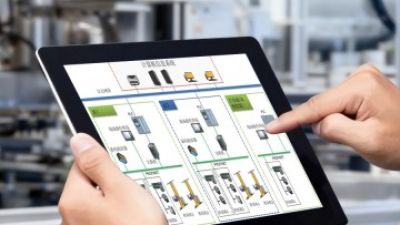
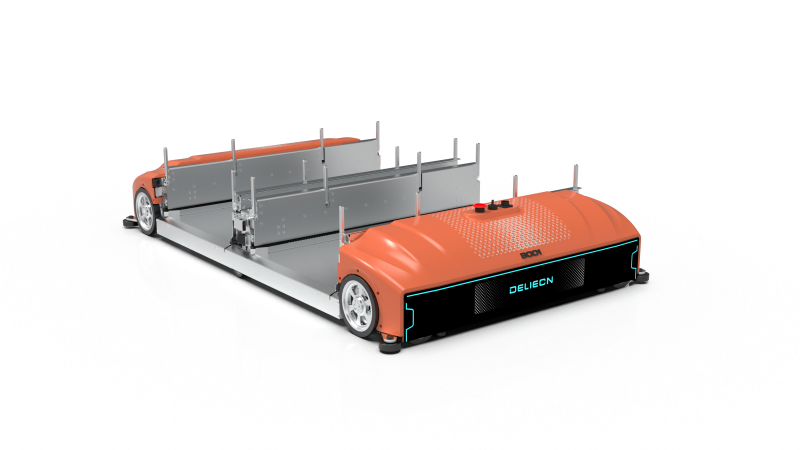
The DELIECN Electrical Control System (ECS) is designed around a main control cabinet, distributed control units, and field execution modules. Its bus-based communication architecture enables parallel control of Shuttle Robots, RGVs, conveyors, lifters, and stacker cranes, reducing coordination delays across multiple equipment zones. By integrating deeply with warehouse control and equipment management systems, the ECS provides precise commands, real-time status monitoring, alarm handling, and remote diagnostic capabilities.
This approach supports the operational priorities frequently identified in logistics automation research: flexible deployment, improved equipment availability, simplified maintenance, and stronger data visibility. Standardized modules can help shorten installation and troubleshooting cycles, while centralized monitoring allows technical teams to identify abnormal conditions before they interrupt warehouse processes. For facilities pursuing intelligent upgrades, the ECS provides a practical control layer for connecting diverse automation equipment within a unified and responsive logistics environment.
It is a coordinated workflow for feeding, orienting, inspecting, picking, assembling, and storing tiny components. A tray of screws may enter a feeder, pass a camera, and reach a fixture.
They stabilize cycle times, reduce handling errors, and improve operator ergonomics. They also reduce manual searching when storage software tracks bins and material movement.
Typical systems combine vibratory feeders, vision cameras, servo drives, sensors, shuttles, and compact robotic arms. Pneumatic tools remain useful, while electric actuators provide finer motion control.
Cameras can identify missing holes, wrong orientation, scratches, and incomplete assembly. Lighting requires care; bright reflections may confuse the camera.
They should test the smallest, lightest, and most irregular parts. Dust, vibration, friction, tolerances, and bin geometry can change feeding results.
Excessive speed can increase jams, misalignment, and inspection failures. A slower feeder may produce steadier quality, although this trade-off deserves careful measurement.
Technicians need clear access to feeders, cameras, grippers, and cleaning areas. Poor access can turn a small jam into extended downtime.
They should document test conditions, downtime, inspection accuracy, alarms, batch data, and training needs. Specifications alone do not prove reliable performance.
This article presents a practical overview of the Small Parts Automation System market in China, explaining how these systems use feeding, sorting, vision inspection, robotics, motion control, and data integration to handle small components with greater speed, consistency, and traceability. It describes their industrial role in reducing manual labor, improving production accuracy, minimizing material waste, and supporting flexible manufacturing. The article also introduces key technologies and establishes evaluation criteria for Chinese automation system manufacturers, including engineering capability, customization, system stability, integration experience, quality management, service coverage, and long-term support.
It further outlines ten representative categories of Chinese manufacturers without focusing on specific brand names, highlighting the types of solutions they provide for electronics, automotive components, medical devices, hardware, packaging, and other precision industries. Finally, the article explains how to select a suitable automation partner by comparing technical requirements, production volume, component characteristics, software compatibility, implementation timelines, maintenance resources, and total ownership costs. This guidance helps buyers make informed decisions and build reliable, scalable automation projects.