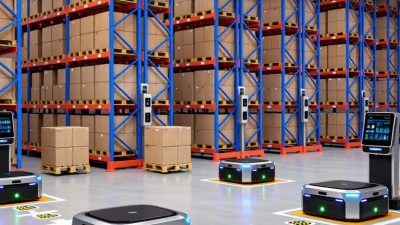
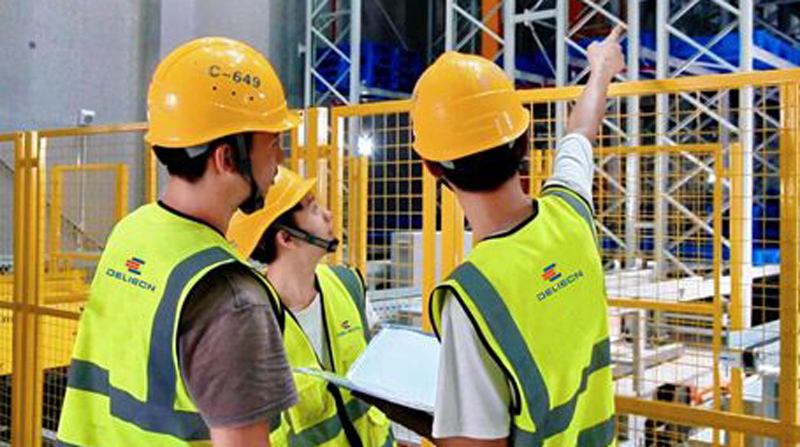
At DELIECN, service goes beyond product delivery. We provide consulting, planning, design, manufacturing, installation, commissioning, and after-sales support throughout the entire lifecycle.
DELIECN supports clients across food and beverage, new energy, chemicals, pharmaceuticals, e-commerce, precision manufacturing, textiles, and energy industries with intelligent warehousing systems tailored to their goals and requirements.
Choosing a pallet four-way Shuttle System is not simply a matter of comparing robot speed or calculating how many pallets can fit into a rack.
A shuttle may travel quickly, but warehouse throughput can still be limited by pallet lifters, inbound stations, conveyors, or task scheduling. A high-density rack may provide more storage positions, but it may not be the right configuration for a warehouse with fragmented inventory and frequent access to individual pallets.
For global buyers, the more useful question is:
Which pallet four-way Shuttle System best matches the actual pallet loads, warehouse layout, throughput, software environment, and long-term operating requirements of the project?
This guide examines 10 factors that should be compared before selecting a system.
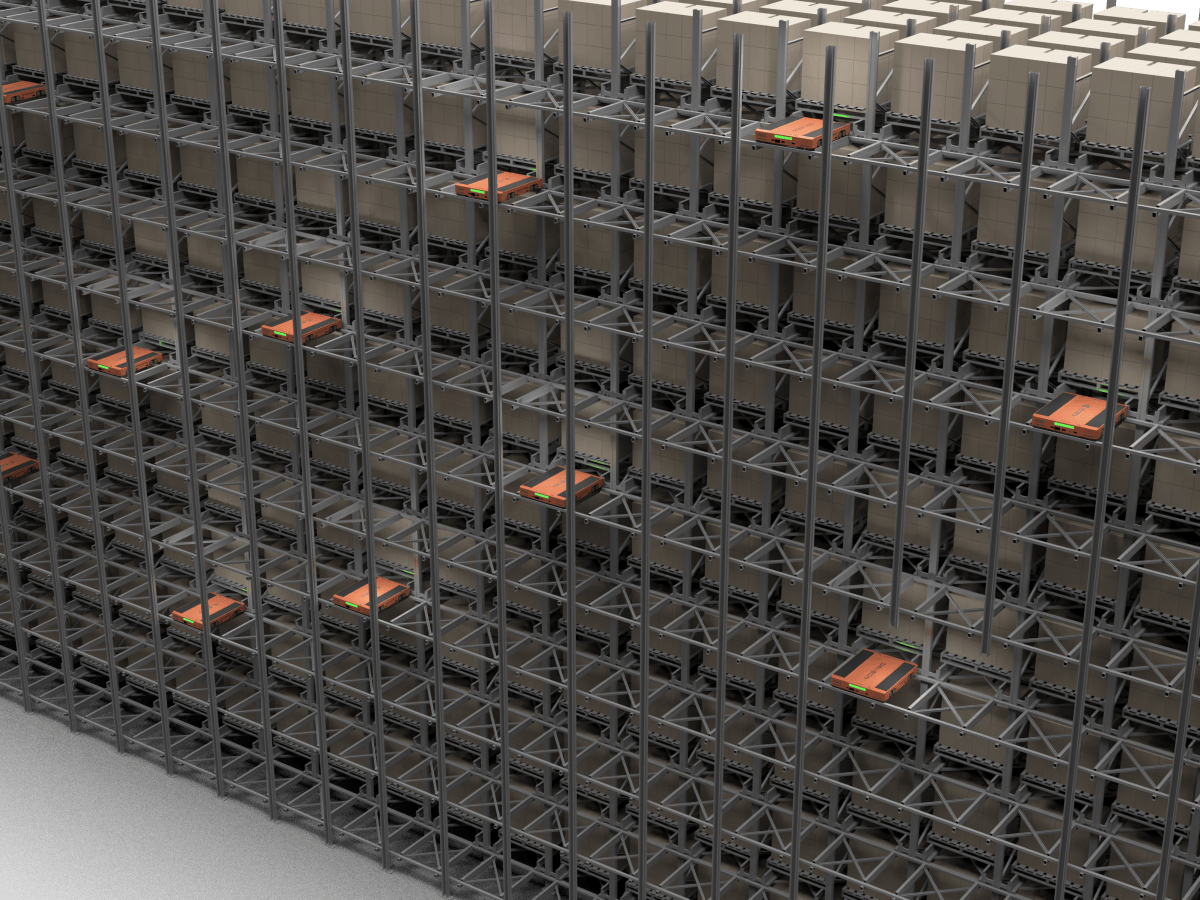
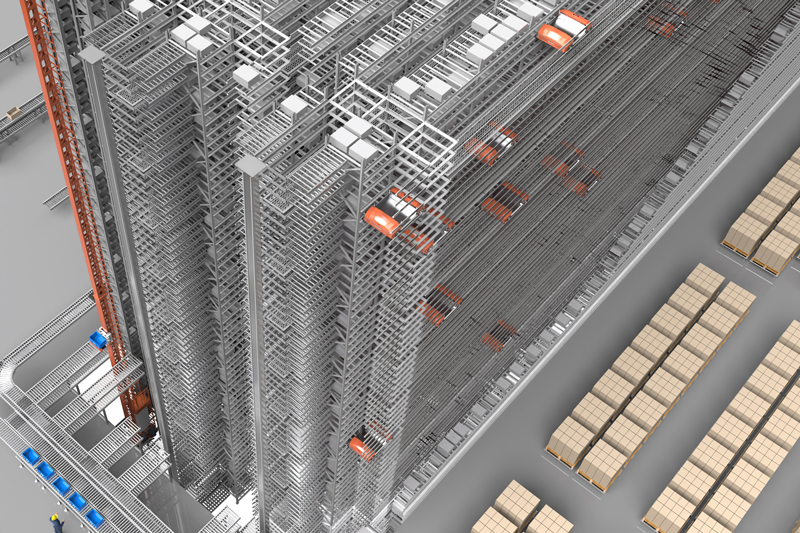
A Pallet Four-Way Shuttle AS/RS is an automated high-density pallet storage system.
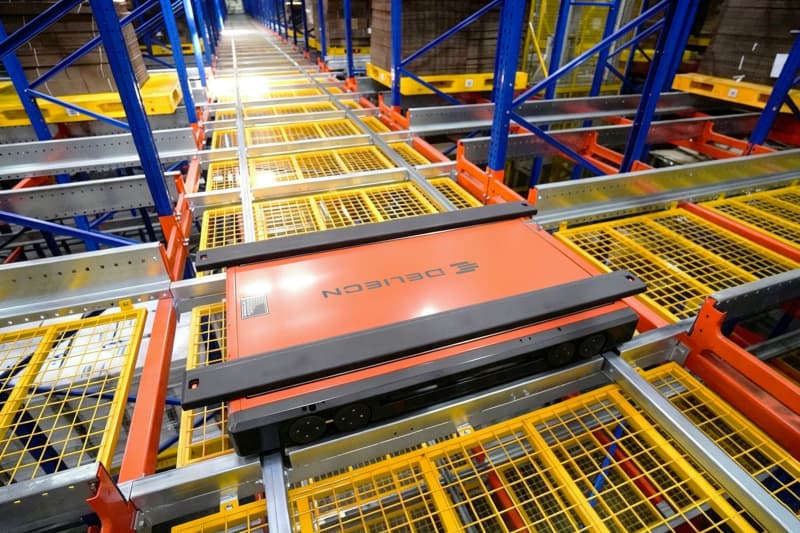
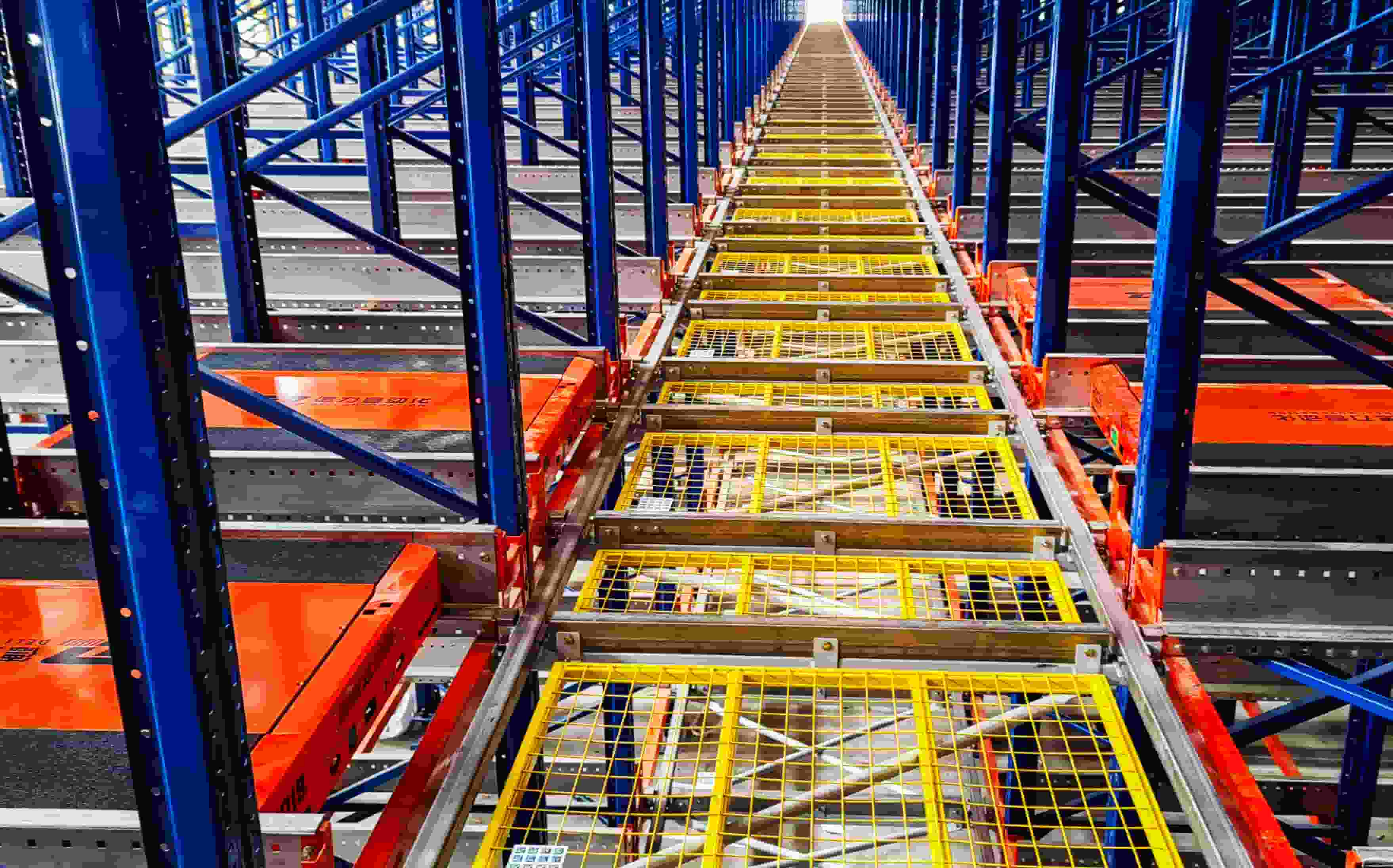
The Shuttle Robot travels on rails inside the racking and can move in both longitudinal and transverse directions on the same storage level.
This is an important difference from a conventional Pallet Two-Way Shuttle, which mainly travels back and forth within a storage channel.
In a four-way system, the shuttle can change direction and move between connected main aisles and storage lanes without being manually transferred by a forklift.
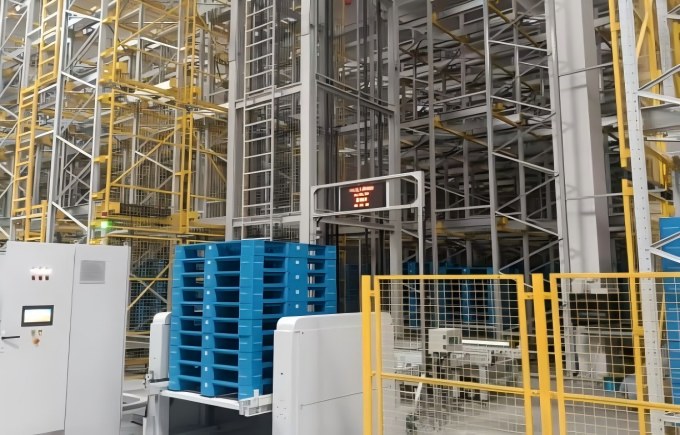
Pallet lifters are used when pallets or Shuttle Robots need to move between different storage levels.
The first comparison should be based on the actual load unit.
Before discussing robot quantity or travel speed, provide potential suppliers with representative pallet information.
This includes pallet dimensions, maximum weight, bottom structure, load height, weight distribution, overhang, and pallet condition.
Why does this matter?
A shuttle interacts with the pallet itself, not simply with the product sitting on top of it.
A load may be below the robot's maximum rated capacity but still create handling problems if the pallet is damaged, significantly deformed, poorly supported, or has an unstable centre of gravity.
For example, DELIECN's current Ultra-Thin Pallet Four-Way Shuttle Robot is rated for loads up to 1,500 kg and is designed to accommodate more than 95% of common pallet specifications.
That does not mean every pallet below 1,500 kg can enter the system without checking.
The supplier should confirm compatibility using the actual pallet and load conditions of the project.
For non-standard or particularly heavy loads, the pallet, shuttle, racking, lifter, and transfer equipment should be reviewed as one engineering system.
Factor 2: Compare Storage Density with Pallet Accessibility
High-density storage is one of the main reasons companies evaluate four-way shuttle systems.
Reducing conventional forklift aisles and using the rack more intensively can significantly increase the amount of inventory stored within a building.
But density should not be treated as the only objective.
A warehouse also needs to retrieve the correct pallet when it is required.
Consider two warehouses with the same number of pallet positions.
The first stores multiple pallets of the same SKU.
The second stores thousands of SKUs with only one or two pallets of each.
They may require completely different lane depths and storage strategies.
Deep storage can be highly effective when inventory has sufficient depth.
When inventory is highly fragmented, increasing lane depth may reduce useful accessibility without creating the expected operational benefit.
Before selecting a system, ask the supplier to analyse:
How many pallets are normally stored per SKU, how frequently each SKU moves, and how much direct pallet accessibility the operation requires?
The best rack is not always the deepest rack.
Factor 3: Do Not Judge Throughput by Shuttle Speed Alone
Travel speed is useful when comparing equipment, but it is only one part of the warehouse cycle.
DELIECN's Ultra-Thin Pallet Four-Way Shuttle Robot, for example, has a published maximum travel speed of up to 120 m/min and positioning accuracy of ±2 mm.
Those specifications describe the robot.
Warehouse throughput depends on much more.
A pallet may need to move through several stages:
Inbound inspection → conveyor or transfer station → lifter → shuttle → storage position
Outbound movement reverses this process.
If the shuttle finishes its task but the pallet lifter is occupied, it may have to wait.
If several shuttles simultaneously require one outbound interface, a queue may form even though every shuttle is operating at its planned speed.
Therefore, ask suppliers for system-level throughput calculations, not only maximum robot speeds.
The model should include realistic pallet flows, travel distances, shuttle quantities, lifter capacity, transfer interfaces, and peak operating conditions.
Average daily throughput alone can hide short periods of severe congestion.
Factor 4: Check Whether Shuttle Quantity Solves the Real Bottleneck
One advantage of a four-way shuttle system is that multiple robots can operate within the same storage network.
This makes the system scalable.
If throughput requirements increase, additional robots may be introduced where the system architecture supports them.
But adding robots does not automatically increase throughput in direct proportion.
Suppose four shuttles already share one pallet lifter.
Adding two more robots may increase storage-level transport capacity while leaving vertical transfer unchanged.
The new robots may simply spend more time waiting.
The same problem can occur at:
Inbound pallet stations
Outbound stations
Conveyors
Pallet lifters
Inspection stations
Production interfaces
A good supplier should therefore explain where the system bottleneck is expected to occur at peak demand and what would need to change if future throughput increases.
Scalability should be designed at the system level, not advertised simply as “add more robots.”
Factor 5: Evaluate Warehouse Height and Shuttle Profile Together
In a high-density warehouse, every millimetre used by equipment affects the available vertical space.
A lower-profile shuttle can help reduce the height required by each storage level, potentially allowing the rack design to use the building height more efficiently.
DELIECN's current Ultra-Thin Pallet Four-Way Shuttle Robot has a body height of 125 mm.
The practical value of that dimension depends on the rest of the rack design.
Actual storage capacity is influenced by:
Pallet height
Product load height
Required clearance
Rack beam dimensions
Rail arrangement
Fire protection requirements
Building clear height
A thin robot by itself does not guarantee an additional storage level.
Buyers should ask suppliers to show the complete vertical calculation rather than comparing vehicle height as an isolated specification.
Factor 6: Match the Power Solution to the Operating Pattern
A four-way shuttle needs a reliable power strategy.
Depending on the system design, shuttle technology may use lithium batteries, supercapacitors, automated charging, or other project-specific power arrangements.
The right choice depends on how the warehouse operates.
A warehouse running moderate pallet movements across one shift has different requirements from a facility operating continuously with high task intensity.
When comparing solutions, look beyond the advertised battery runtime.
Ask how the system manages:
Charging strategy
Charging time
Available charging positions
Fleet scheduling during charging
Battery or power-system maintenance
Replacement requirements
Low-temperature operation where applicable
Power management should also be included in throughput simulations.
If too many robots need to charge during the same peak period, the effective fleet size can temporarily fall below the planned level.
The correct question is therefore not simply:
How long does the battery last?
It is:
How does the power strategy support the planned operating cycle?
Factor 7: Understand WMS, WCS, and Equipment Integration
A four-way shuttle system is not only a mechanical installation.
The warehouse software must decide what needs to move, while the control system coordinates how the equipment completes the movement.
In a typical architecture:
WMS manages inventory, storage locations, and warehouse tasks.
WCS coordinates shuttle robots, pallet lifters, conveyors, and other automated equipment.
Equipment controls then execute the required machine movements.
This distinction matters when the customer already has ERP, MES, SAP, or an existing WMS.
Do not ask only whether the supplier's software is “compatible.”
Ask what data must be exchanged.
Typical interface questions include:
Who assigns the storage location?
How is pallet identification transferred?
Which system owns inventory status?
How are task priorities handled?
What happens when equipment becomes unavailable?
How is an interrupted task recovered?
Who maintains the software interface after handover?
Integration problems often appear at exception points rather than during normal operation.
Those scenarios should be defined before commissioning.
Factor 8: Compare Fault Recovery, Maintenance Access, and Spare Parts
A four-way system can contain multiple robots, which provides operational flexibility compared with an architecture that depends completely on one storage machine.
But faults still need to be managed.
Before purchasing, understand what happens if a shuttle becomes unavailable inside the rack.
The supplier should be able to explain the approved recovery process, maintenance access, fault diagnostics, and how other robots or storage areas are affected.
Spare-parts support matters as well.
A very fast shuttle provides little value if a critical replacement component has a long and uncertain delivery time.
For international projects, compare:
Local or regional service capability
Spare-parts availability
Remote technical support
Operator and maintenance training
Maintenance documentation
Escalation procedures
Do not assume the service model used in the supplier's home market is automatically available in your country.
Ask for the actual support arrangement covering the project location.
Factor 9: Make Commissioning and Acceptance Criteria Part of the Purchase Decision
Equipment performance should not be judged only from a demonstration at the supplier's factory.
A clean test environment with identical pallets does not reproduce every condition found in a real warehouse.
Commissioning should include representative pallet types and realistic operating scenarios.
For example, buyers should verify:
Pallet identification
Storage and retrieval
Shuttle direction changes
Pallet lifter interfaces
Simultaneous equipment operation
WMS/WCS task feedback
Exception handling
Safety-related functions
Required system throughput
Acceptance criteria should be agreed before installation rather than negotiated after commissioning begins.
This is particularly important for throughput.
The contract should define what is being measured, under what load conditions, over what operating period, and with which equipment available.
Otherwise, the supplier and customer may use different definitions of “system throughput.”
Factor 10: Compare Total System Value, Not Only Shuttle Price
The shuttle robot is only one part of the investment.
A Pallet Four-Way Shuttle AS/RS may also require racking, rails, pallet lifters, conveyors, pallet inspection, controls, WMS/WCS, installation, commissioning, safety equipment, spare parts, and training.
This means a lower shuttle price does not necessarily create a lower project cost.
Likewise, the highest-capacity system is not always the most economical choice.
A useful comparison should consider the expected operating life of the warehouse and include:
Initial equipment investment
Racking and transfer equipment
Installation and commissioning
Software integration
Maintenance
Spare parts
Service support
Future expansion
Operational impact of downtime
The objective is not to find the cheapest shuttle.
It is to identify the system that provides the required storage capacity and throughput at an acceptable lifecycle cost.
10 Factors Global Buyers Should Put on the Comparison Sheet
Factor
What to Verify
Why It Matters
Pallet and load
Dimensions, weight, condition, load stability
Determines whether the load can be handled reliably
Storage configuration
SKU depth, lane depth, accessibility
Density can reduce flexibility if poorly matched
System throughput
Peak pallet movements, not only shuttle speed
Identifies actual operating capacity
Fleet design
Shuttle quantity and shared resources
More robots do not always remove bottlenecks
Vertical layout
Robot profile, clear height, rack spacing
Affects usable storage capacity
Power strategy
Charging, runtime, maintenance, temperature
Determines effective equipment availability
Software integration
WMS/WCS/API responsibilities
Keeps inventory and physical movement synchronized
Maintenance and recovery
Access, diagnostics, spare parts, service
Influences long-term uptime
Commissioning
Real pallets, exception scenarios, acceptance tests
Verifies performance under actual conditions
Lifecycle value
Equipment, software, service, expansion, downtime
Gives a more realistic supplier comparison
Two-Way or Four-Way Shuttle: Do You Always Need Four-Way Movement?
Not necessarily.
A Pallet Two-Way Shuttle Robot mainly moves along one storage lane.
That simpler architecture can be effective for deep-lane storage where inventory structure and material flow do not require frequent cross-aisle movement.
A Pallet Four-Way Shuttle Robot can move longitudinally and transversely across a connected rail network on the same level.
This gives the control system more flexibility to distribute robots between storage areas and respond to changing task demand.
But additional flexibility also comes with a more complex racking, traffic-management, and system-control architecture.
The correct choice should therefore depend on warehouse requirements rather than assuming that four-way movement is automatically better.
When Is a Pallet Four-Way Shuttle System a Good Fit?
A four-way shuttle system is worth evaluating when a warehouse needs to increase pallet storage density while maintaining automated access to multiple storage lanes.
It can be particularly relevant when:
Warehouse space is constrained
Building height is available for multi-level storage
Pallet loads can be standardized
Throughput varies during the day
Multiple storage zones need to be coordinated
Future capacity expansion is expected
Manufacturing, food and beverage, cold chain, chemical materials, battery materials, automotive parts, and other palletized industries can all use four-way shuttle technology.
However, industry name alone should never determine system selection.
The pallet characteristics and operating process matter more.
When Is It Probably the Wrong System?
A four-way shuttle AS/RS may be difficult to justify when pallet inventory is small, storage density is not a constraint, or the product mix contains too many irregular loads that cannot be standardized.
It may also be unnecessary when a simpler storage system already provides sufficient capacity and throughput.
Automation should solve a measurable problem.
Installing a more sophisticated system without identifying that problem can increase project cost and complexity without creating proportional operating value.
How DELIECN Approaches Pallet Four-Way Shuttle Projects
DELIECN's current Ultra-Thin Pallet Four-Way Shuttle Robot has:
Body height: 125 mm
Maximum standard load: 1,500 kg
Maximum travel speed: Up to 120 m/min
Positioning accuracy: ±2 mm
These specifications provide a starting point for equipment selection.
They do not replace project engineering.
DELIECN pallet shuttle projects are designed around pallet data, building conditions, storage capacity, throughput, operating environment, and software interfaces.
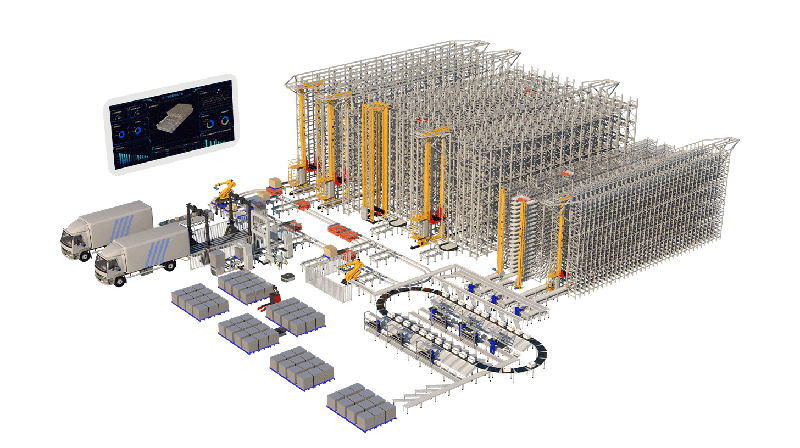
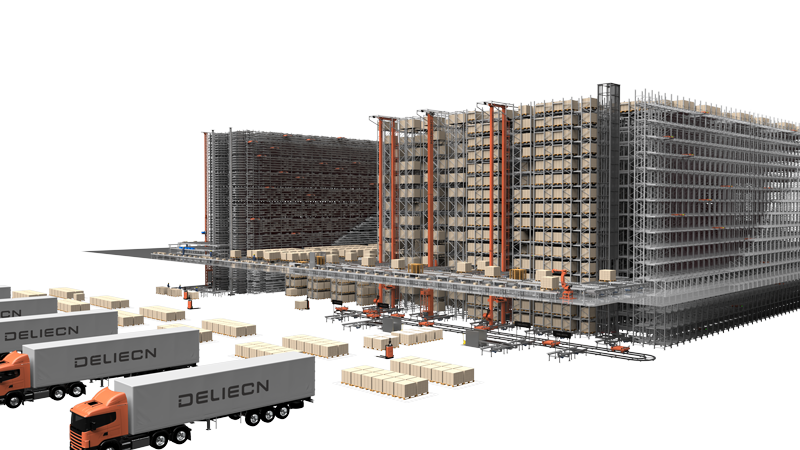
Depending on the application, the complete system can combine Pallet Four-Way Shuttle Robots with racking, pallet lifters, conveyors, AMRs, RGVs, and WMS/WCS.
For international buyers, the objective should be the same regardless of supplier:
Compare complete system capability rather than one impressive number on a shuttle datasheet.
FAQ
What is a pallet four-way shuttle system?
It is an automated pallet storage and retrieval system in which shuttle robots move longitudinally and transversely along rails inside the racking. Pallet lifters provide movement between storage levels.
What information should I provide before requesting a solution?
Useful starting information includes pallet dimensions, maximum load, SKU structure, required storage capacity, warehouse drawings, clear height, inbound and outbound throughput, operating hours, temperature conditions, and the existing software environment.
Is the fastest shuttle always the best option?
No.
Maximum shuttle speed is only one component of system performance. Pallet lifter capacity, transfer stations, lane layout, fleet scheduling, and downstream equipment also affect throughput.
How many shuttle robots does a warehouse need?
There is no fixed number.
Robot quantity should be calculated from required pallet movements, storage layout, travel distance, shared lifters, charging strategy, and peak demand.
Can a four-way shuttle work in cold storage?
Yes, provided the shuttle, power system, electrical components, materials, and maintenance strategy are designed for the required temperature.
DELIECN Pallet Four-Way Shuttle Robots can be configured for applications down to approximately -25°C.
Can a four-way shuttle system be expanded later?
Many systems can be expanded by adding robots, storage areas, or material-handling interfaces, but future expansion should be considered during the original rack, software, and throughput design.
Should buyers compare equipment price or total project cost?
Total lifecycle value is more useful.
The comparison should include racking, pallet lifters, software, installation, commissioning, maintenance, spare parts, service, and future expansion—not only the price of the shuttle robot.
Conclusion
There is no universal “top” Pallet Four-Way Shuttle System for every warehouse.
A system that performs well in a high-density cold-storage facility may not be the right choice for a manufacturing warehouse with fragmented inventory and frequent pallet access.
For global buyers, the better comparison is based on operating fit.
Start with the pallet.
Then evaluate storage density, accessibility, peak throughput, shared equipment, power strategy, WMS/WCS integration, maintenance, service, commissioning, and total lifecycle cost.
The strongest supplier should be able to explain not only what the shuttle can do, but also how the complete system will behave under actual warehouse conditions.
Before making a final decision, provide representative pallet data and warehouse drawings and ask suppliers to model the real material flow—not simply the best-case performance of one robot.
Ethan is a seasoned marketing professional specializing in logistics automation and intralogistics solutions. With a profound understanding of advanced robotics technologies and end-to-end automation systems, he plays a key role in connecting clients with the innovative solutions that enhance......

 Industries
 Services
 About Us
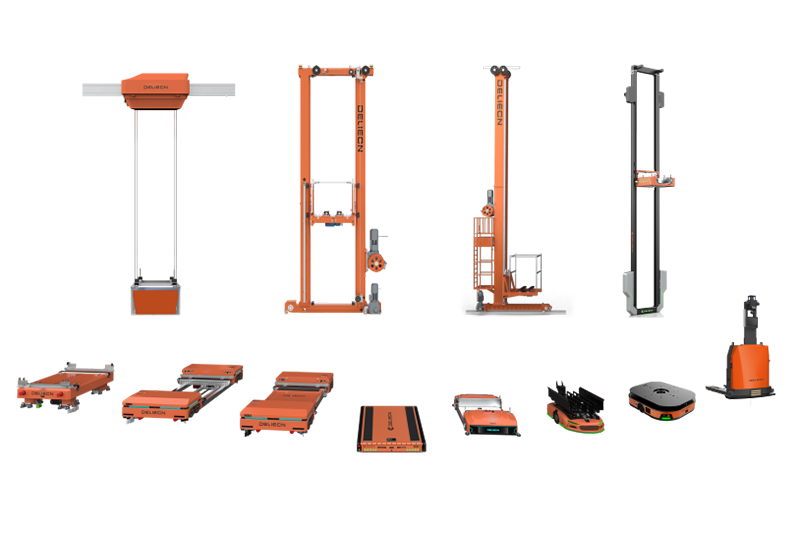 AS/RS Handling Robot
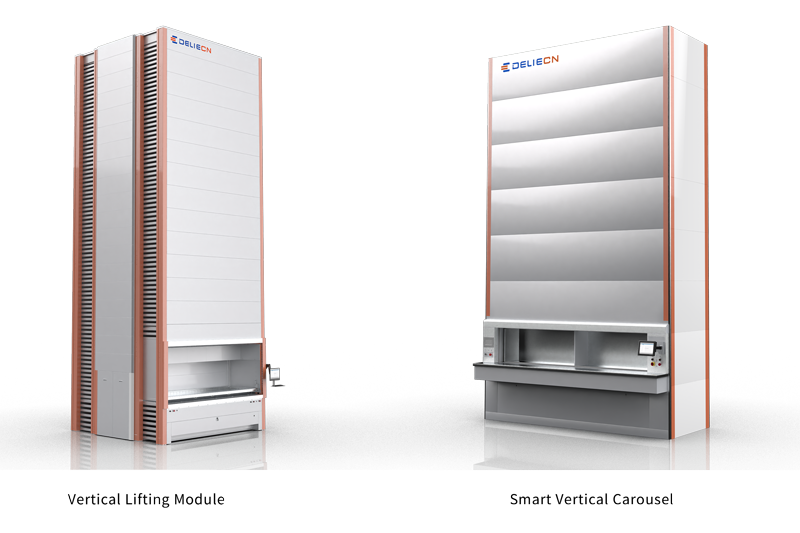 Vertical Storage Module
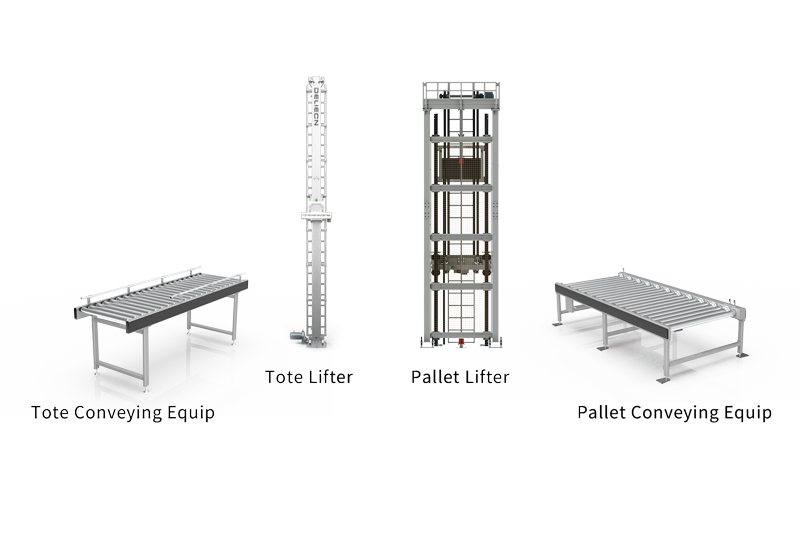 Conveying Equipment
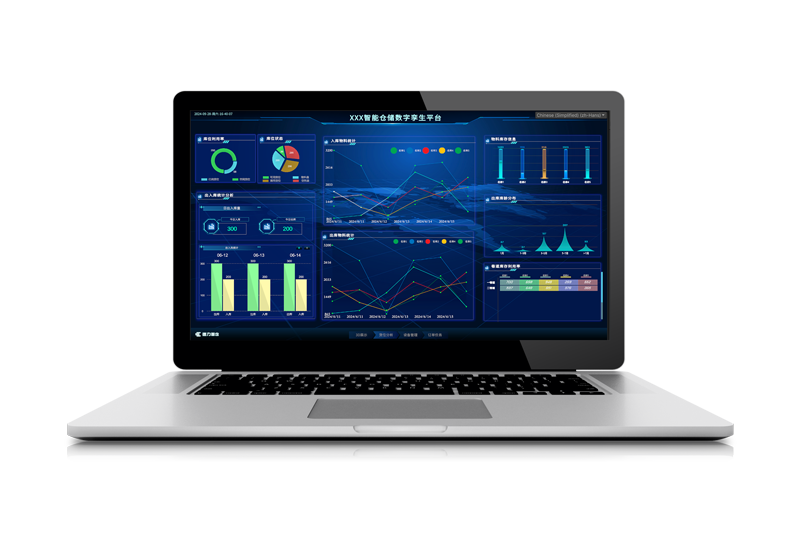 Smart Warehousing System
 Warehouse Racking