Leave Your Message
0%

Warehouse Automation is changing the way goods travel—from the receiving dock all the way to a customer's order. If you work with a reliable Warehouse Automation Solution Provider, they can tie together conveyors, robots, software, storage systems, and even the people side of the process. The goal? Better throughput without turning your operation into a tangled mess. That's really what the right partner should do.

In this guide, we look at some of the biggest names worldwide: Dematic, Daifuku, Honeywell Intelligrated, Swisslog, Vanderlande, AutoStore, and Körber. Each one brings something different to the table. Some are known for Automated Storage And Retrieval Systems. Others lean into robotic picking, sortation, warehouse control software, or full integrated fulfillment platforms. Their solutions might fit a small distribution center—or a high-volume global network. It just depends.

But real performance isn't only about the equipment. A good review has to look at installation experience, system uptime, cybersecurity, maintenance support, integration skills, and measurable ROI. It should also dig into practical stuff: barcode accuracy, charging areas, pick-station ergonomics, and emergency access around moving equipment. Those details shape daily operations more than people sometimes expect.

Smart Warehouse Solution projects should start with clear data. Order volume, product dimensions, peak seasons, labor availability, expansion plans—all of it matters. Honestly, a provider that listens carefully may deliver more value than one that simply offers the most advanced machinery. Sounds obvious, right? Yet it gets missed all the time.

Our evaluation isn't perfect. Vendor capabilities change, and customer results can vary a lot by site. So this overview relies on public information, industry experience, and practical selection criteria—not just promotional claims. Before making a final decision, readers should verify certifications, references, service coverage, total ownership costs, and local technical support.

Top Warehouse Automation Solution Providers Worldwide

Definition and Scope of Warehouse Automation Solutions

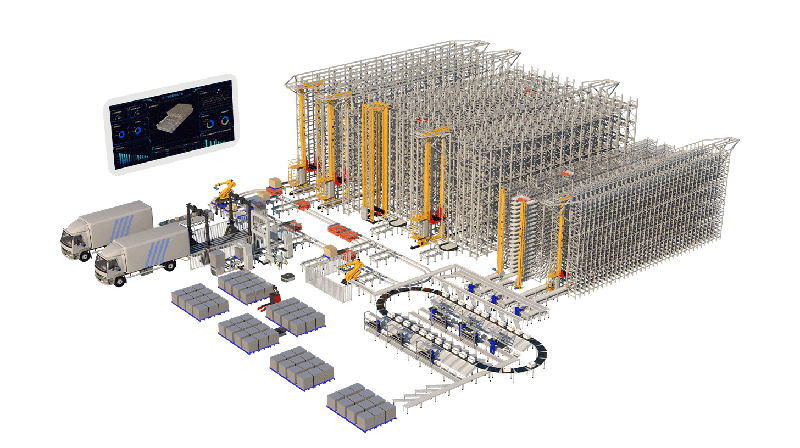
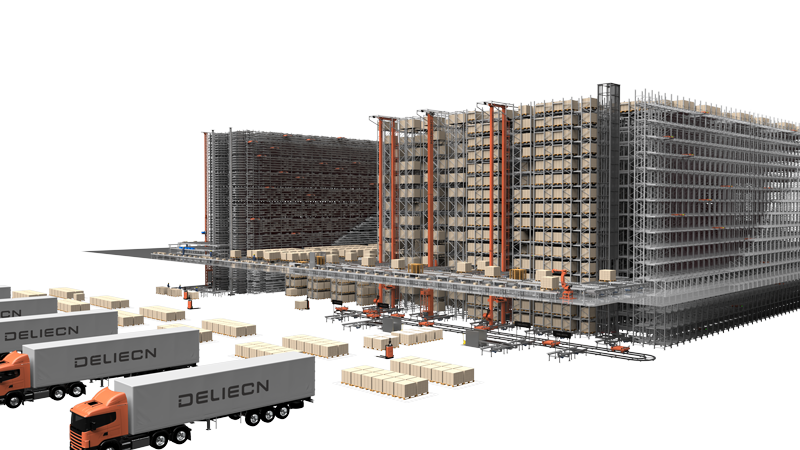
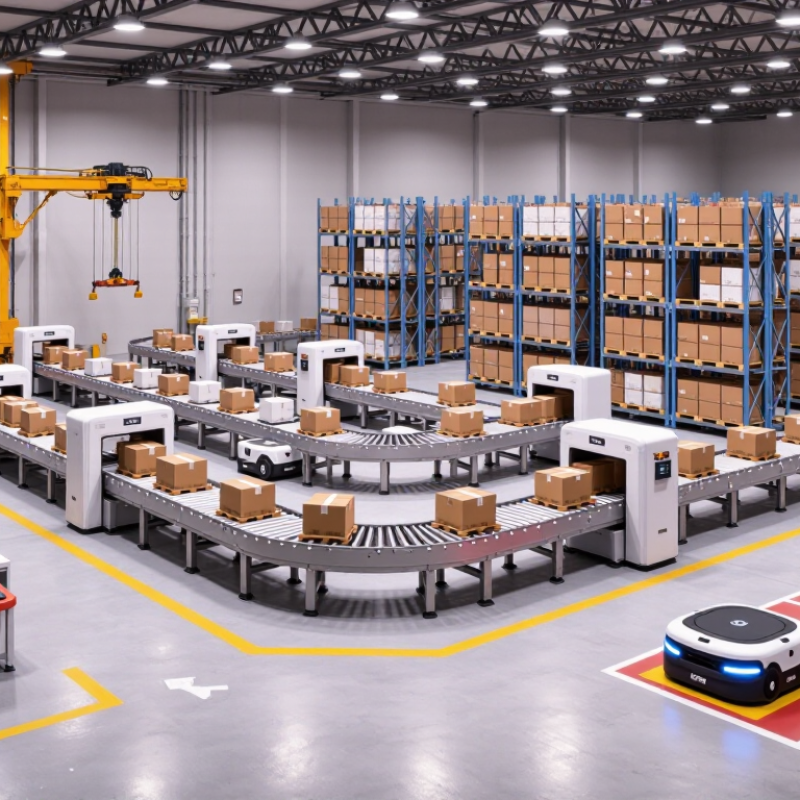
Warehouse automation solutions cover the physical and digital systems that move, store, identify, and control goods. Their scope begins at receiving and continues through put-away, replenishment, picking, packing, and dispatch. It includes conveyors, Automated Storage systems, mobile robots, sortation equipment, barcode or vision tools, and safety controls. Software is equally important. Warehouse management, execution, and control platforms connect inventory data with machines and workers. Without this connection, expensive equipment may simply move mistakes faster.

The 2024 MHI Annual Industry Report found that 55% of surveyed supply-chain leaders planned to increase technology investment. This reflects rising pressure for faster fulfillment and clearer inventory visibility. Yet automation is not always a full replacement for people. It can reduce repetitive travel, improve consistency, and support safer workflows. Results depend on order profiles, building design, data quality, and maintenance skills. A poorly mapped process remains poorly mapped after automation. That part is often underestimated.

Tips: Define the solution boundary before choosing equipment. Measure order lines, peak volume, travel distance, error rates, and labor availability. Test one workflow with real cartons and unusual orders. Review integration, cybersecurity, training, and recovery procedures. The 2023 World Robotics report also shows strong growth in professional service robots, but warehouse suitability still requires site-level validation. A pilot may expose uncomfortable assumptions. That is useful.

Top Warehouse Automation Solution Providers Worldwide - Definition and Scope of Warehouse Automation Solutions
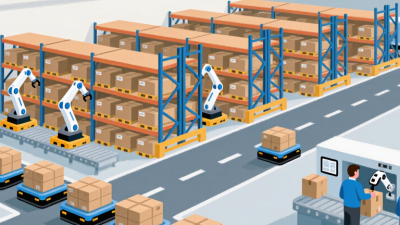
Warehouse automation solutions include software, robotic systems, automated material-handling equipment, storage technologies, and control systems used to receive, store, move, identify, pick, pack, sort, and dispatch goods with reduced manual intervention.
Solution Segment Operational Definition Primary Warehouse Functions Typical Automation Assets Common Deployment Environment Key Performance Indicators Relevant Standards or Frameworks
Warehouse Management Systems Software platforms that manage inventory, warehouse locations, tasks, labor, orders, and transaction records across warehouse operations. Inbound receiving, inventory control, replenishment, order release, cycle counting, shipping confirmation, and traceability. WMS software, barcode interfaces, radio-frequency terminals, inventory databases, and enterprise-system integrations. Distribution centers, manufacturing warehouses, retail fulfillment sites, cold-storage facilities, and third-party logistics operations. Inventory accuracy, order accuracy, stockout rate, dock-to-stock time, order cycle time, and labor productivity. GS1 identification and barcode practices; integration with ERP, transportation management, and warehouse control systems.
Warehouse Execution and Control Systems Execution and supervisory software that coordinates warehouse orders, automation equipment, inventory movements, and real-time operational priorities. Task orchestration, equipment dispatching, workflow optimization, exception handling, and equipment status monitoring. WES, warehouse control systems, equipment-control interfaces, dashboards, event-management tools, and optimization engines. High-throughput fulfillment centers and sites combining several automated material-handling technologies. Throughput, equipment utilization, queue time, order release efficiency, system availability, and exception rate. Industry-standard interfaces and software integration architectures; communication methods vary by equipment and system design.
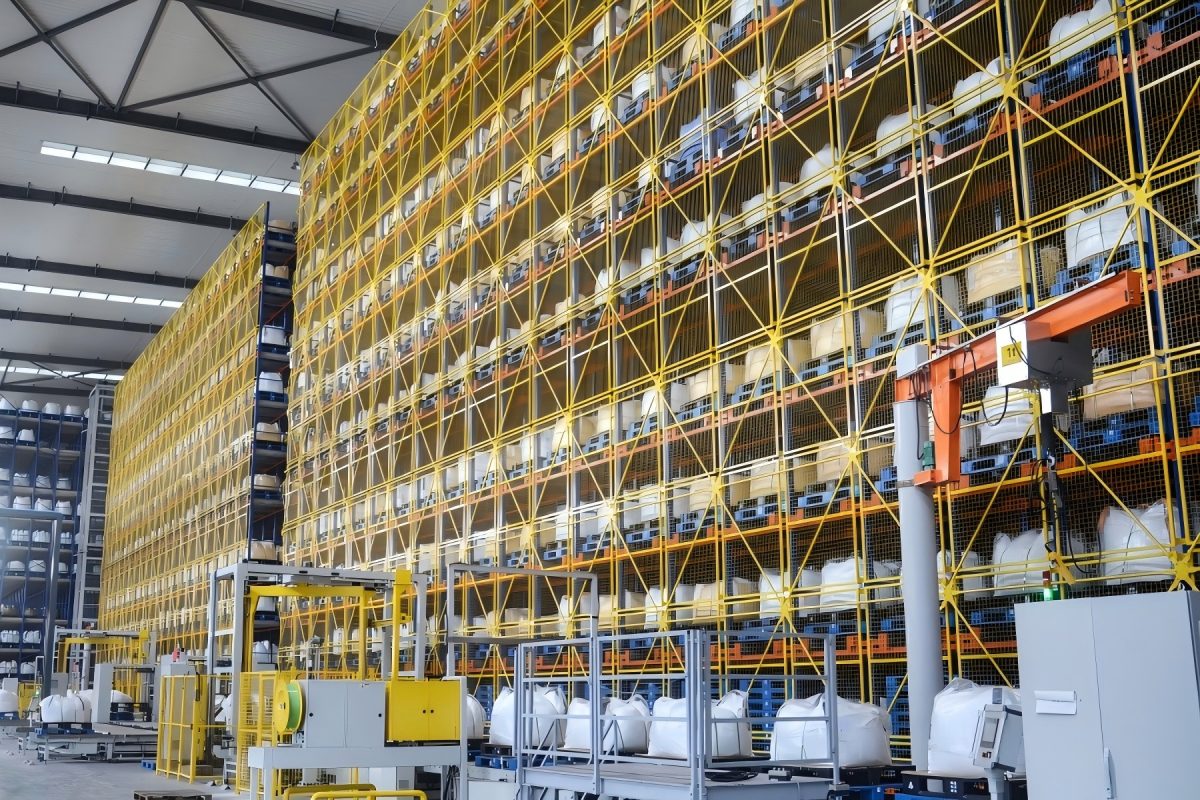
Automated Storage and Retrieval Systems Computer-controlled systems that automatically store and retrieve unit loads, cases, totes, trays, or cartons from dedicated storage locations. Put-away, retrieval, buffering, sequencing, inventory consolidation, and high-density storage. Stacker cranes, shuttle systems, miniload systems, crane-based systems, vertical lift modules, and automated storage racks. High-volume distribution centers, spare-parts warehouses, cold stores, and facilities where floor space is constrained. Storage density, retrieval rate, put-away rate, access time, location accuracy, and equipment availability. Machine guarding, electrical safety, fire protection, and local occupational health and safety requirements.
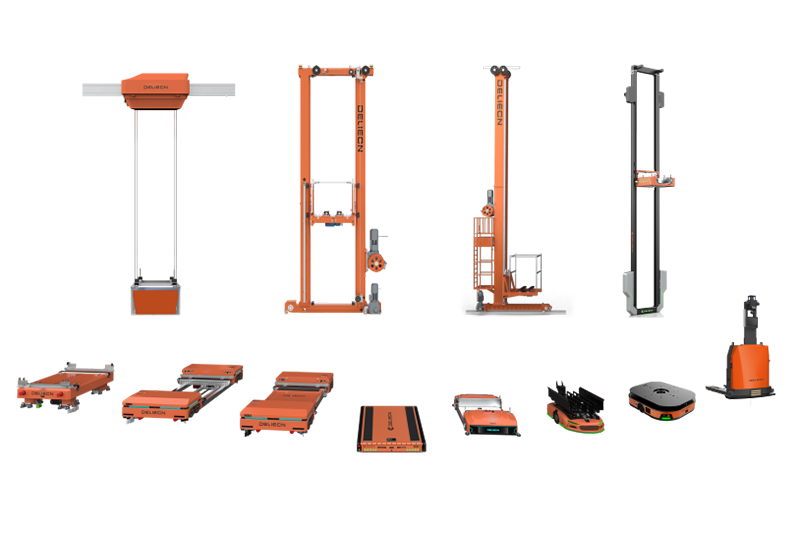
Automated Guided Vehicles and Autonomous Mobile Robots Mobile robotic systems that transport materials or inventory between defined warehouse locations using programmed routes, sensors, maps, or fleet-management software. Goods movement, line-side supply, tote transfer, pallet transport, put-away support, and goods-to-person delivery. AGVs, AMRs, pallet movers, tote carriers, tugger vehicles, mobile racks, charging systems, and fleet-management software. Warehouses with repetitive transport flows, flexible layouts, mixed manual-automated operations, and frequent route changes. Travel time, missions per hour, fleet utilization, battery availability, blocked time, collision events, and successful mission rate. ISO 3691-4 addresses safety requirements for driverless industrial trucks and their systems; additional regional rules may apply.
Conveyor and Sortation Systems Powered or gravity-based equipment that transports, merges, diverts, accumulates, or sorts items between warehouse process areas. Carton transfer, pallet transfer, accumulation, order routing, induction, diverting, and shipping-lane allocation. Roller conveyors, belt conveyors, chain conveyors, sorters, merges, diverters, scanners, and accumulation zones. Parcel hubs, e-commerce fulfillment centers, manufacturing distribution centers, and cross-docking facilities. Items per hour, divert accuracy, conveyor availability, accumulation time, jam frequency, and energy consumption. Applicable machinery safety, guarding, emergency-stop, electrical, and workplace safety requirements.
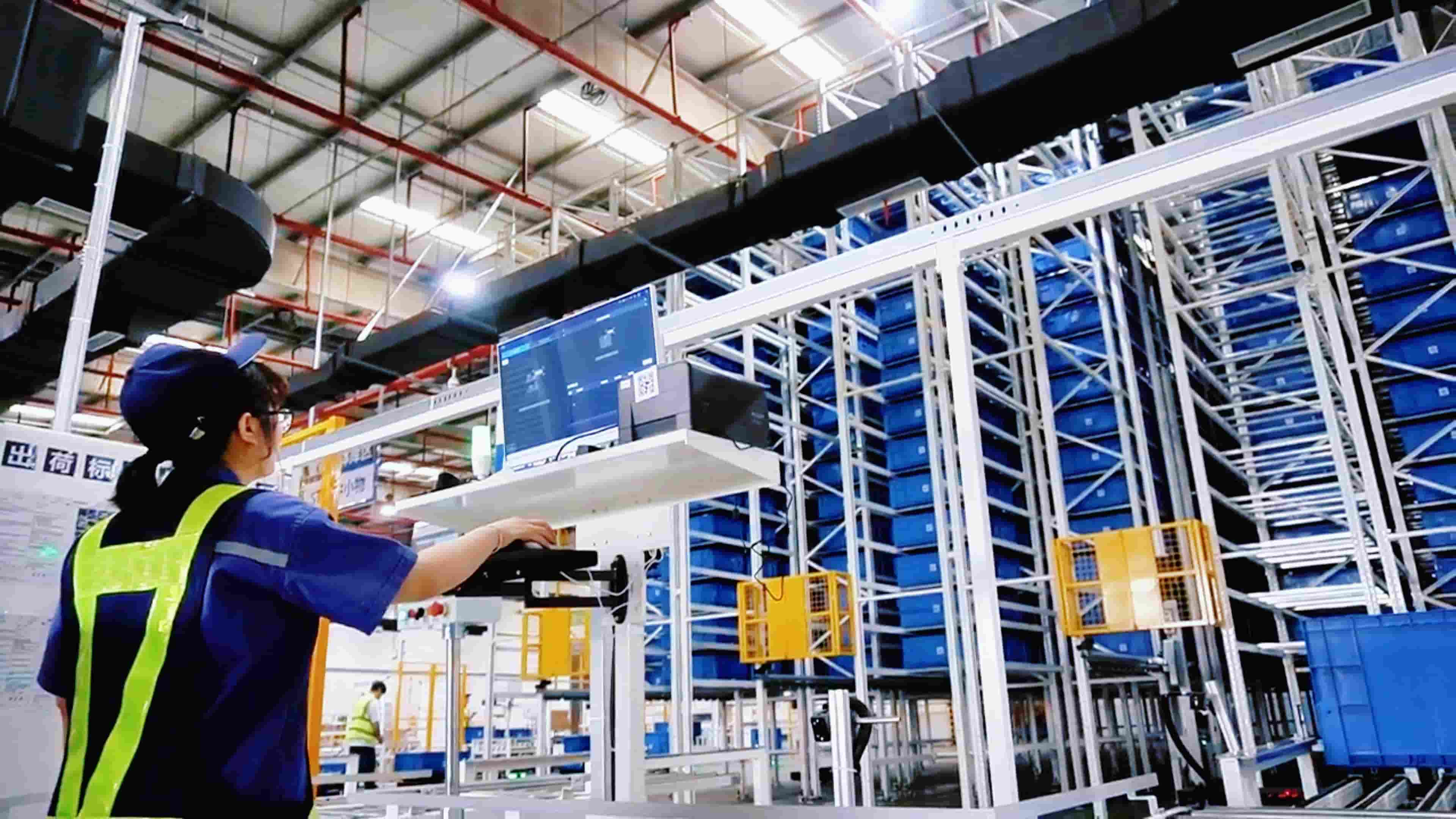
Goods-to-Person Picking Systems Automated systems that bring inventory to a stationary or semi-stationary operator, reducing walking and manual travel during picking. Piece picking, batch picking, order consolidation, replenishment, and ergonomic presentation of inventory. Shuttle-based systems, robotic mobile shelves, automated bins, vertical lifts, pick stations, and put walls. Retail, e-commerce, pharmaceutical, spare-parts, and high-SKU fulfillment operations. Picks per hour, pick accuracy, operator travel reduction, station utilization, order cycle time, and replenishment frequency. Ergonomic design principles, machinery safety requirements, and applicable product-handling regulations.
Robotic Picking and Depalletizing Robotic systems that identify, grasp, move, place, or remove products and cases using programmed motion and machine-vision technologies. Case picking, piece picking, palletizing, depalletizing, kitting, induction, and trailer unloading support. Industrial robots, collaborative robots, vacuum grippers, mechanical grippers, 3D vision, barcode readers, and robot controllers. Distribution centers with repetitive handling tasks, standardized packaging, and sufficient product presentation consistency. Pick rate, placement accuracy, successful-grasp rate, changeover time, uptime, and product damage rate. ISO 10218 covers industrial robot safety; ISO/TS 15066 provides guidance for collaborative robot applications.
Automated Packing and Packaging Systems Equipment that automatically forms cartons, selects packaging materials, inserts products, closes packages, or applies protective materials. Carton erection, item insertion, void-fill application, sealing, weighing, labeling, and package verification. Carton erectors, case packers, automated baggers, sealers, dimensioners, scales, label applicators, and print-and-apply units. Parcel fulfillment, retail distribution, consumer goods, healthcare logistics, and high-volume shipping operations. Packages per hour, packaging material usage, right-size rate, seal quality, rework rate, and dimensional accuracy. Packaging, labeling, electrical safety, machinery guarding, and sector-specific product compliance requirements.
Automated Identification and Data Capture Technologies that automatically identify products, handling units, locations, and shipment attributes and transfer the data to warehouse systems. Receiving verification, inventory tracking, picking validation, shipping verification, and chain-of-custody records. Linear barcode scanners, two-dimensional code readers, RFID readers, machine vision, dimensioners, and weighing equipment. Nearly all warehouse types, especially operations requiring high traceability or rapid item-level processing. Read rate, data capture accuracy, scan time, exception rate, inventory visibility, and transaction completeness. GS1 identification, barcode, and electronic product-code practices; data protection requirements may apply to associated information.
Palletizing, Depalletizing, and Unit-Load Handling Automated equipment that builds, breaks down, transfers, or stabilizes palletized loads and other standardized handling units. End-of-line palletizing, inbound depalletizing, layer handling, pallet transfer, stretch wrapping, and load stabilization. Robotic palletizers, layer pickers, pallet conveyors, pallet dispensers, stretch wrappers, and automatic strapping systems. Manufacturing warehouses, grocery distribution, beverage operations, consumer goods, and bulk storage facilities. Pallets per hour, stacking accuracy, load stability, changeover time, product damage, and equipment uptime. Industrial robot safety, machinery safety, load-securement practices, and applicable manual-handling requirements.
Cold-Chain and Temperature-Controlled Automation Warehouse automation designed or configured to operate within controlled temperature zones while maintaining product quality and traceability. Receiving, storage, picking, replenishment, monitoring, order consolidation, and temperature exception management. Cold-rated conveyors, automated storage systems, insulated doors, temperature sensors, mobile robots, and monitoring software. Food, beverage, pharmaceutical, biologics, and other temperature-sensitive supply chains. Temperature excursion rate, inventory dwell time, picking accuracy, energy use, door-open duration, and system availability. Good Distribution Practice requirements, HACCP-based controls where applicable, and local food or pharmaceutical regulations.
Warehouse Safety, Monitoring, and Digital Analytics Systems that monitor people, vehicles, equipment, environmental conditions, and operational data to support safer and more reliable warehouse performance. Hazard detection, access control, equipment monitoring, predictive maintenance, incident analysis, and performance reporting. Safety scanners, light curtains, cameras, sensors, condition-monitoring devices, digital dashboards, and analytics platforms. Automated and hybrid facilities where human-machine interaction, uptime, and compliance are critical. Recordable incidents, near misses, mean time between failures, mean time to repair, energy intensity, and compliance completion. ISO 45001 for occupational health and safety management; machinery and local workplace safety rules also apply.

Core Technologies Used in Automated Warehouses

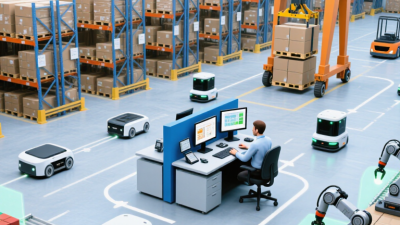
Automated warehouses rely on several connected technologies rather than one machine. A warehouse management system records orders, inventory, and storage locations. A warehouse execution system then assigns tasks across conveyors, shuttles, robots, and workers. This coordination matters when a picker faces a 2:00 p.m. shipping cutoff.

Automated storage and retrieval systems improve vertical space usage and reduce repetitive travel. Autonomous mobile robots can move totes between storage, picking, and packing zones. Sensors, barcode readers, and machine vision verify each movement. Interact Analysis projects the global warehouse automation market will exceed 50 billion U.S. dollars by 2027. The MHI Annual Industry Report also identifies robotics and automation among the technologies receiving strong investment attention.

Artificial intelligence can forecast demand, group orders, and detect unusual equipment behavior. Digital twins test layout changes before managers move a single rack. Industrial Internet of Things platforms collect motor temperature, battery levels, and conveyor speed. The details are practical: a weak battery warning may prevent a stalled robot beside a loading door.

Still, automation does not remove operational risk. Poor inventory data can make accurate robots perform the wrong task. A 2023 McKinsey report found that many organizations struggle to scale automation beyond isolated pilots. That warning deserves attention. A warehouse may look advanced, yet manual workarounds can quietly control its real performance.

Core Technologies Used in Automated Warehouses

The chart compares representative throughput ranges commonly specified for major warehouse automation technologies. Actual performance depends on layout, product size, payload, software orchestration, and operating conditions.

How to Evaluate Global Warehouse Automation Providers

Evaluating global warehouse automation providers requires more than comparing equipment prices. Start with your operation’s real conditions: daily order volume, SKU variety, aisle width, labor availability, and peak-season pressure. A provider should explain how its Automated Warehouse Solution handles cartons, pallets, returns, and unexpected demand without vague promises.

Request measured evidence from comparable facilities. Review throughput, scan accuracy, system uptime, integration performance, and maintenance response times. Ask for references you can contact directly. Strong providers also explain cybersecurity, worker safety, data ownership, and regional compliance requirements. A polished demonstration is useful, but it may hide difficult exceptions. A site visit or controlled pilot often reveals whether the proposed design fits your floor, software, and staff.

Tips: Build a scorecard before meeting suppliers. Include installation time, training hours, spare-parts access, service coverage, and five-year operating costs. Test a mixed order batch with damaged labels and changing priorities. Small failures matter. Require clear assumptions in every proposal, because optimistic forecasts can distort the final investment. Assess the provider’s engineering depth, local support network, and history of improving systems after deployment. Reliability is not only uptime; it is honest reporting when performance misses the target.

Leading Warehouse Automation Solution Providers Worldwide

Leading Warehouse Automation Solution Providers Worldwide combine engineering expertise, site experience, and dependable after-sales support. They study order profiles, SKU dimensions, labor patterns, and seasonal demand before proposing equipment. A warehouse may need conveyors, mobile robots, automated storage systems, or a carefully planned Racking Solution. The right choice depends on clear operational evidence, not impressive demonstrations.

Reliable providers test automation against real working conditions. They measure travel distance, picking accuracy, replenishment time, safety access, and system uptime. They also explain maintenance schedules, software integration, training, and emergency procedures in practical language. Small details matter. A misplaced scanner can delay a full shift. Experienced teams use digital simulations and on-site trials before installation. Independent inspections can strengthen confidence.

No design is flawless. A solution that performs well during normal demand may struggle during holiday peaks. Some providers underestimate staff adaptation and data-cleaning work. That deserves honest review. Warehouse leaders should request performance assumptions, warranty terms, expansion options, and documented case evidence. They should also question unclear promises. Leading global providers remain credible when they report limitations, correct mistakes quickly, and improve systems after launch. Automation works best when technology supports trained people, safe processes, and measurable business goals.

Industries and Operations Served by Automation Providers

Industries and Operations Served by Automation Providers

An Automated Warehousing Solution must fit the operation, not merely add machines. E-commerce facilities need rapid picking, packing, and returns processing. A worker may handle hundreds of small parcels during a peak shift. Grocery distribution requires temperature control, short shelf life, and strict replenishment timing. Pharmaceutical warehouses demand traceability, controlled access, and accurate batch handling. Manufacturing sites often connect storage with line-side delivery and spare-parts management.

According to the 2024 MHI Annual Industry Report, 55% of supply chain professionals expected to increase investment in innovation. Interact Analysis also projects strong growth in warehouse automation through 2027.

These figures reflect pressure across retail, food, healthcare, manufacturing, and third-party logistics. Yet adoption varies by operation size. A regional distributor may gain more from barcode-directed picking than a fully automated system. Not every site needs a robot.

Effective providers study order profiles, aisle widths, labor patterns, and seasonal demand. They also examine failure points, such as replenishment delays or misplaced cartons. A controlled pilot can reveal poor inventory data before major spending begins. That matters. Integration with warehouse management software, safety controls, and staff training often determines performance. Technology alone cannot repair unclear processes. A useful evaluation should measure pick accuracy, throughput, downtime, energy use, and payback under realistic conditions. Some forecasts sound impressive, but individual warehouses still need evidence from their own floors.

Selection Factors, Implementation Stages, and Future Trends

Top Warehouse Automation Solution Providers Worldwide

Selecting a Warehouse Automation provider requires more than comparing equipment prices. Evaluate throughput, integration skills, safety controls, maintenance coverage, and data ownership. MHI’s 2024 Annual Industry Report identifies labor shortages as a continuing supply chain pressure. This makes dependable automation valuable, but not automatically suitable.

A practical selection process begins with process mapping. Measure order lines, travel distances, peak volumes, and error rates on the warehouse floor. Then test a limited zone, such as a 2,000-bin picking area. During implementation, teams usually move through discovery, simulation, pilot testing, staff training, and phased scaling. The International Federation of Robotics recorded 541,302 industrial robot installations worldwide in 2023. That figure signals strong momentum, yet warehouse conditions differ sharply. A fast pilot can still expose weak interfaces or poor exception handling.

Future Warehouse Automation will combine robotics, computer vision, predictive maintenance, and real-time inventory data. The 2023 Global Warehousing Study reported that 69% of warehouse decision-makers planned broader RFID adoption by 2028. However, forecasts are not guarantees. No scorecard is perfect. Teams should review energy use, software downtime, cybersecurity controls, and worker feedback every quarter. A system that performs well during a quiet Tuesday may fail during a seasonal surge. That assumption deserves testing.

DELIECN WMS: How Modular Intelligence Is Transforming the Future of Warehouse Automation

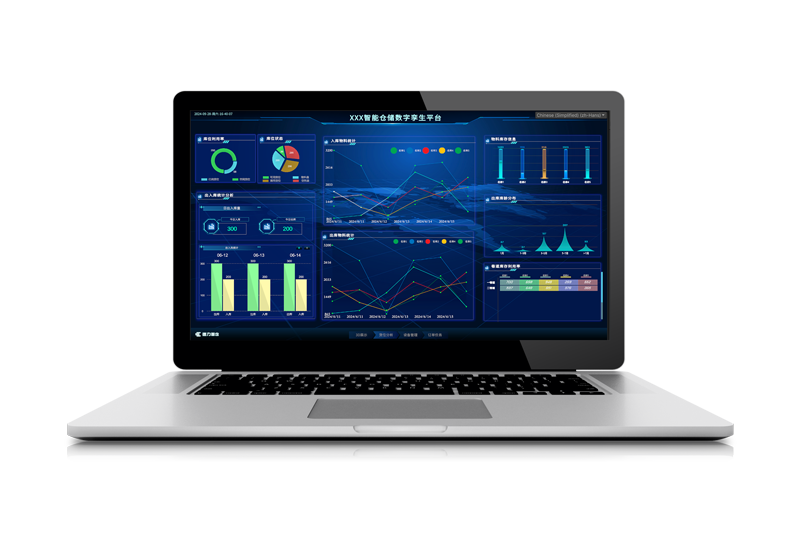
Modular intelligence is reshaping warehouse automation by replacing isolated software functions with a flexible, connected operating system. A modern Warehouse Management System (WMS) combines artificial intelligence, the Internet of Things, and Digital Twin technology to move warehouse operations beyond simple information recording. Instead, it can interpret real-time data, identify changing conditions, and support faster, more accurate decisions across complex logistics environments.

Built on an internationally recognized CMMI Level 5 development standard, the system provides extensive configurability, strong integration, and clear visual management. Its modular architecture allows companies to adapt workflows as their products, facilities, and operational priorities evolve. From inbound receiving and storage to outbound fulfillment, transfers, inventory, batch control, and quality management, every process can be coordinated through one intelligent platform. Visual dashboards and digital simulations also help teams understand warehouse performance before making operational changes.

The system connects smoothly with enterprise resource planning, manufacturing execution, transportation management, and other business platforms. Through these integrations, it supports intelligent location allocation, dynamic inventory optimization, and precise task scheduling. AI-driven analysis can help balance workloads, while IoT data provides continuous visibility into equipment, goods, and storage conditions. By coordinating people, processes, and warehouse resources through configurable modules, intelligent automation creates a more responsive foundation for future-ready logistics.

FAQS

What does warehouse automation include?

It includes systems for receiving, storage, replenishment, picking, packing, and dispatch. Examples include conveyors, mobile robots, automated storage, scanners, and sorting equipment. Software connects inventory data with machines and workers. Without integration, mistakes may move faster.

How can warehouse automation improve daily operations?

Automation can reduce repetitive walking and support safer workflows. It may improve picking consistency and inventory visibility. Benefits depend on order types, building design, data quality, and maintenance skills. Results are not automatic.

How should a company define its automation needs?

Measure order lines, peak volumes, travel distances, error rates, and available labor. Review aisle widths, SKU variety, carton sizes, and seasonal pressure. Set the solution boundary before choosing equipment. Unclear boundaries create expensive surprises.

How can companies compare automation providers fairly?

Build a scorecard before meeting suppliers. Include throughput, scan accuracy, uptime, installation time, training, and service coverage. Also compare spare-parts access and five-year operating costs. Low equipment prices can hide long-term expenses.

What evidence should an automation provider provide?

Request measured results from facilities with similar workflows. Review uptime, throughput, integration performance, maintenance response, and picking accuracy. Ask for references you can contact directly. A polished demonstration proves little.

Why are pilots useful before full warehouse deployment?

A pilot tests real cartons, unusual orders, damaged labels, and changing priorities. It can reveal software gaps, layout problems, and staff training needs. Use a controlled workflow before expanding. Some assumptions may fail.

What details should be checked during a warehouse site visit?

Observe scanning, replenishment, emergency access, safety controls, and worker movement. Check whether equipment fits the floor, software, and staff. Review recovery procedures and maintenance routines. Small details matter.

Can automation completely replace warehouse workers?

Usually, automation supports people rather than replacing every role. Workers still manage exceptions, maintenance, supervision, and changing priorities. Training remains essential. The balance may differ by site.

What risks can affect warehouse automation performance?

Poor data, weak process mapping, seasonal peaks, and limited maintenance skills can reduce results. Staff adaptation may also take longer than expected. Cybersecurity and regional compliance require careful review. Our forecast may be wrong.

What makes an automation solution reliable after launch?

Reliability includes stable uptime, honest performance reporting, fast corrections, and clear support. Review warranties, expansion options, training, spare parts, and emergency procedures. Independent inspections can add confidence. No design is flawless.

Conclusion

Warehouse automation solutions integrate software, robotics, sensors, conveyors, automated storage systems, and data-driven controls to improve the movement, storage, picking, and fulfillment of goods. This article explains the scope of warehouse automation, the core technologies used in modern facilities, and the criteria for evaluating a global Warehouse Automation Solution Provider, including system reliability, scalability, integration capabilities, security, service coverage, and return on investment.

It also reviews the types of industries and warehouse operations that benefit from automation, from inventory management and order fulfillment to distribution and material handling. In addition, the article outlines key selection factors and major implementation stages, such as operational assessment, solution design, testing, deployment, employee training, and ongoing optimization. Finally, it considers future trends including artificial intelligence, autonomous mobile equipment, robotics collaboration, predictive analytics, and increasingly flexible systems designed to support changing business demands.

Aria

Aria

Aria is a dynamic marketing professional specializing in logistics automation, with a deep understanding of the intricacies of intralogistics and advanced robotics technologies. With a commitment to excellence, Aria plays a crucial role in showcasing the company's innovative solutions, which......
Previous China Top 10 Automated Pallet Storage System Suppliers