Leave Your Message
0%

A Warehouse Automation project rarely begins with a technology question. It begins with a date. A building is leased, a peak season is coming, and someone has to make pallets move faster than they do today.
So the enquiries go out. Three or four Warehouse Automation suppliers receive the same drawing and the same request: send a layout and a price.
That comparison feels fair. Same building, almost same pallet count, same questions. In practice the four answers describe four different warehouses, and the one you sign is usually the one that noticed your real constraint.
After enough of these projects, we've found the equipment is rarely what goes wrong. Projects go wrong in the gap between two companies' responsibilities. Or in a commissioning plan written by someone who assumed the plant could stop for a month.
There is a harder question, and it's worth settling before you read a single price.
Can this supplier carry a project through a plant that has to keep shipping?
Everything below follows from that. Ten checks, in the order we would use them.

1.jpg

Decide Who Defines the Solution Before You Compare Prices

If you send a specification to four suppliers, the technology decision is already made. Whoever wrote that document owned the design, and it may not have been written by anyone who has stood in your building.
The consequence is simple. A company with one product line can only answer with that product. A company with Stacker Cranes, shuttles and AMRs in its portfolio can tell you which of them is wrong for your site.
That answer is worth more than a discount.
Ask one question in the second meeting: which of your own products would you not recommend here, and why? A supplier that has an answer is doing engineering. A supplier that praises everything on its price list is quoting.
Then have the reason written into the proposal. When the layout changes in month four, you'll want to know which assumption moved.

Ask How Much of the System the Supplier Actually Builds

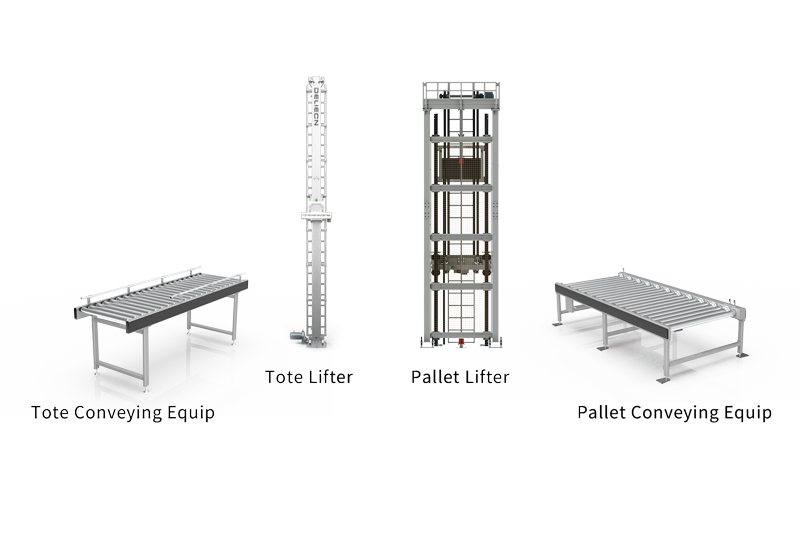
Racking, shuttle robots, lifters, conveyors, software. Very few companies make all six, and nobody should expect them to.

The problem isn't subcontracting. It's subcontracting you can't see.

Ask who builds the vehicle body, who rolls the rack profiles, who writes the WCS, and who assembles the control panels. Then ask to walk the assembly floor and the test bench where a vehicle runs before it ships.

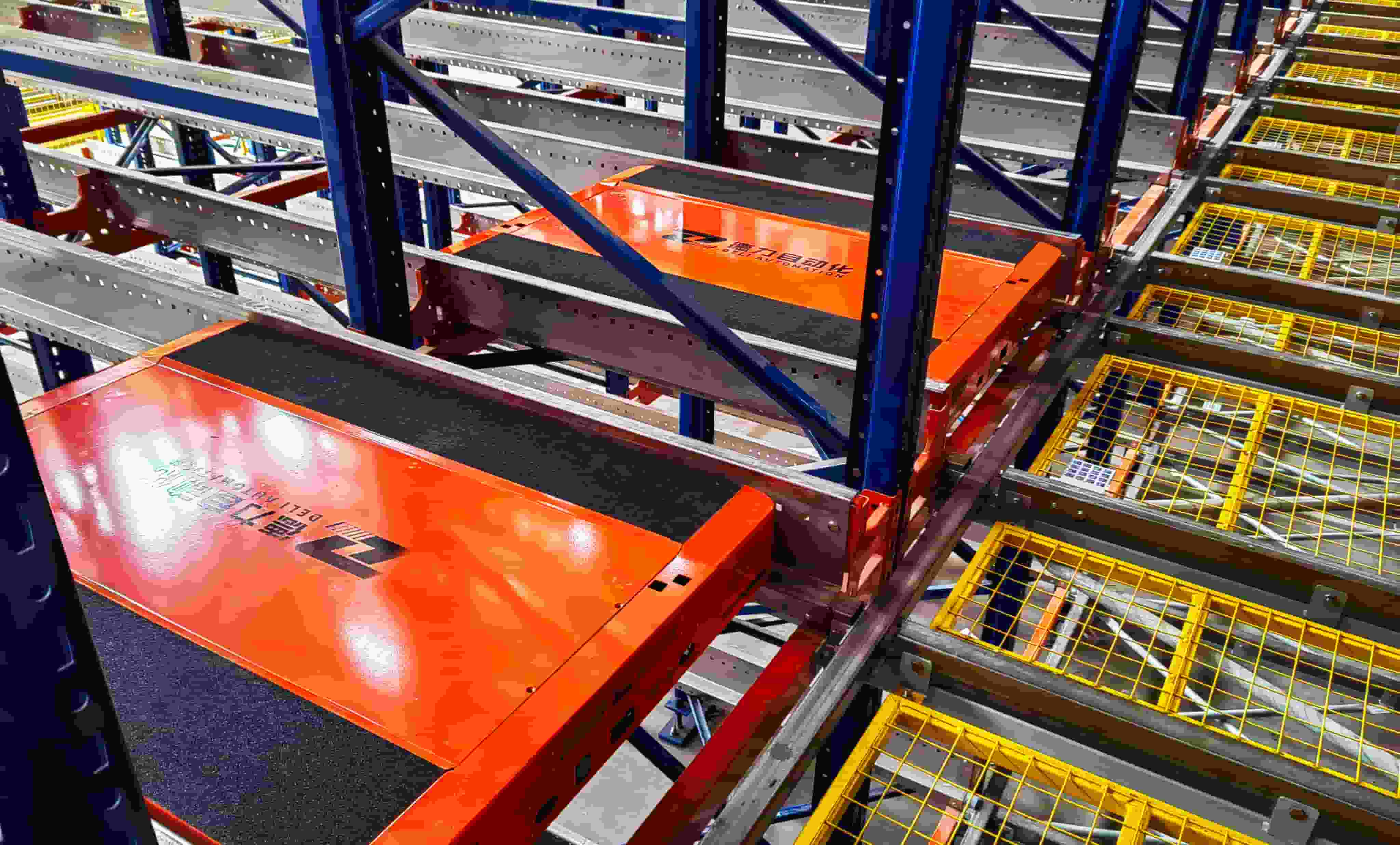
DELIECN develops roughly 90% of its core product in house, so the answer to that question is a building you can visit. A trading office answers the same question with a brochure.

The reason this matters is tolerance. An 860 mm aisle, the width Toyota's Mini-FlyBox system uses, doesn't leave much room for disagreement between vehicle and rack. When those two come from different companies, the gap appears at commissioning. Then each side points at the other, and you own the delay.

Draw the Scope Boundary on One Sheet

Take one sheet of paper and draw a line around everything in the price. Then list what sits outside it.

Floor flatness and slab strength. Sprinkler relocation and fire compartmentation. The power feed to the control cabinet, not to the building. Network cabling inside the racking. The interface to your ERP or MES. Operator training. Who signs off each interface tolerance.

That last item is the one to argue about, because a tolerance is where two responsibilities touch. Two documents can each be correct and still leave a cable tray owned by nobody.

Quotation language hides this. "Turnkey" can mean one contract or one responsibility. "Fully integrated" can mean tested together or delivered together. "24/7 remote support" can mean an engineer on call or a portal that opens a ticket. Each of those phrases has two meanings until someone writes down which one you bought.

The same logic works line by line when you compare several quotations side by side. Two bids can differ by 30% and still be pricing the same scope, badly defined in two different directions.

Test the Commissioning Plan Against a Plant That Keeps Running

Ask for the phase plan in writing. Which aisles go live first. What happens to the pallets sitting in that space. What the cutover looks like hour by hour, and who is on the floor at 02:00 if it doesn't hold.

The good answer usually keeps the old storage working until the new system has passed acceptance on your SKUs, not on the supplier's demo pallets. A phased start costs more in project management and less in lost shipments. Most plants take that trade once they see the number.

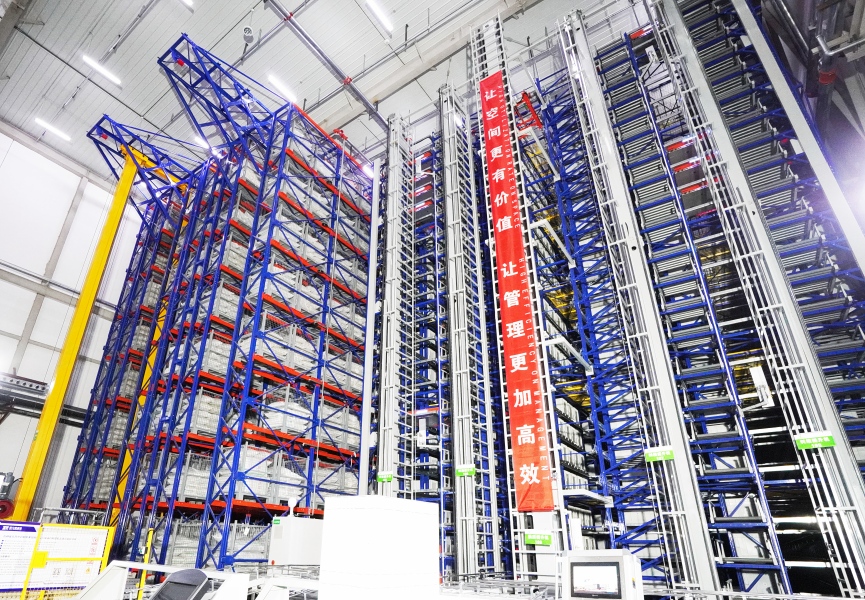
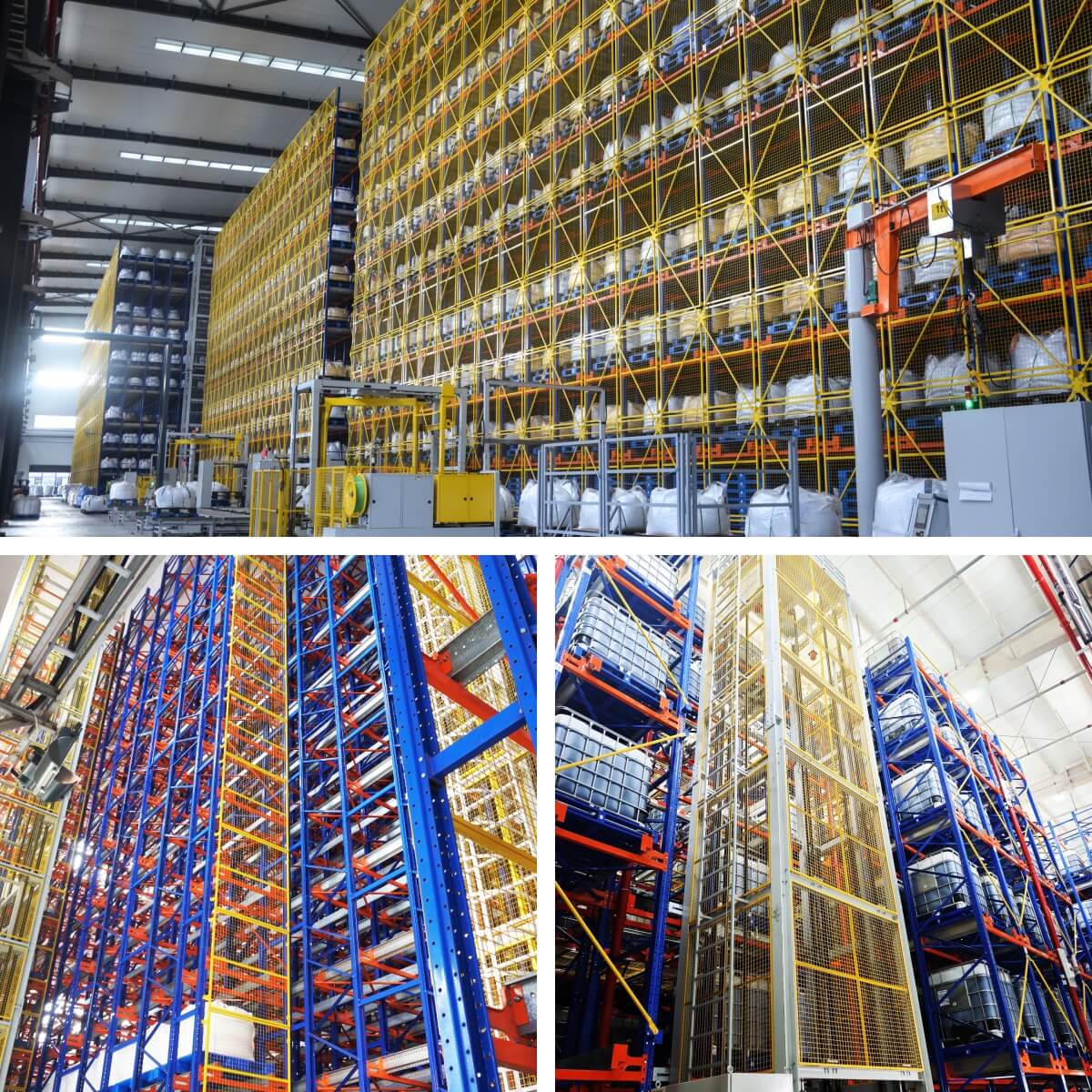
Retrofits are where the question bites hardest. YFY's Nanjing plant fitted 2,700 usable pallet positions into an existing building, using storage above and picking below. That layout only works if the old one survives long enough for the new one to take over.

Then ask for the acceptance protocol from a completed project. The signed one, not the template. Read what was actually measured. A document that measures cycle time on an empty vehicle is measuring the machine. You're buying the handover at the interface.

Count the Single Points of Failure, Not the Machines

Most buyers count vehicles, because vehicles are visible in the layout. The number that matters is smaller and less photogenic.

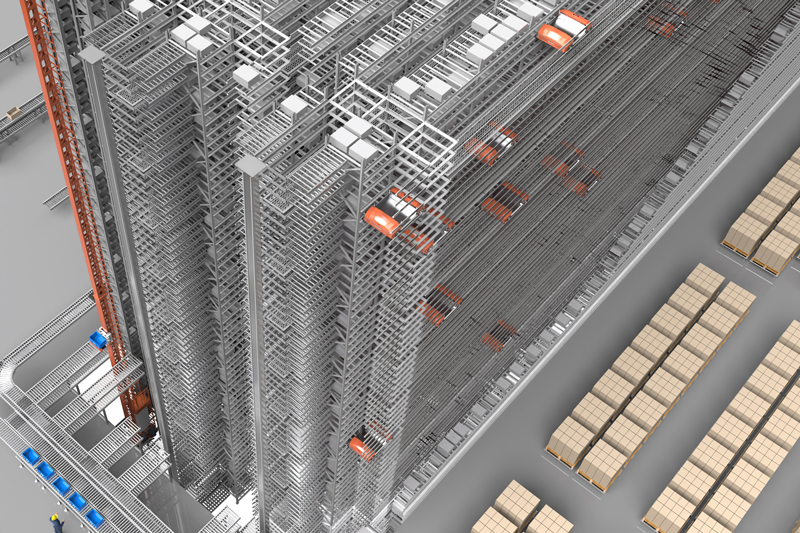
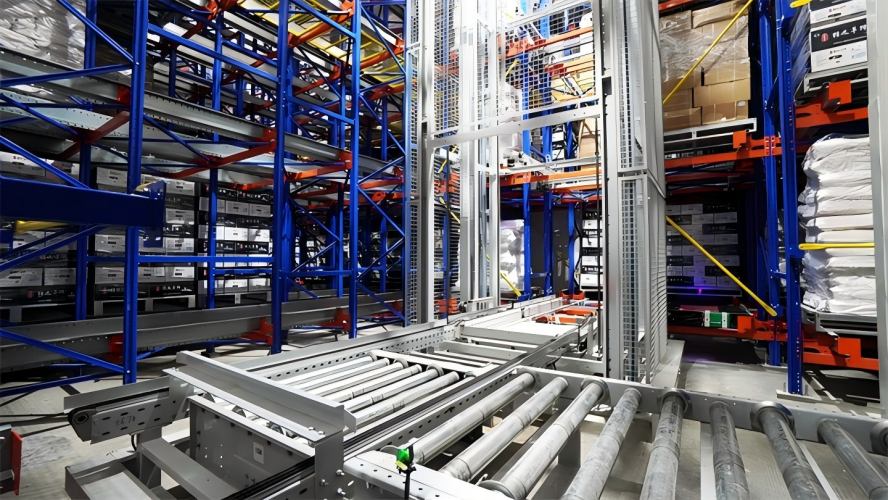
A single point of failure is any place where one fault removes access rather than capacity. In a pallet shuttle system that is usually the lifter. Every pallet in a block crosses the same vertical interface, so one lifter down can close an entire level range while twenty vehicles sit idle.

At a chemical producer in Hunan, 13 shuttles share work across aisles, so losing one vehicle costs throughput for an hour or two. Losing the lifter costs access until it's back.

Then look outside the rack. One WCS server. One network switch. One dock. One service contract. One engineer who understands the whole system and whose phone number you have.

Ask what still ships if the lifter stops at 21:00 on a Friday.

There is a trade-off hiding here. Every project that removes equipment from the rack, and saves money doing it, hands more responsibility to the interface that remains. That isn't a flaw in the design. It is the design, and it needs to be bought deliberately.

Size the System on the Peak Hour, Not the Daily Total

Daily totals are comfortable and misleading. A site moving 480 pallets a day looks comfortable against a system rated for 600. Spread over a ten-hour shipping window, that's 48 an hour on average.
Now look at the hour when inbound and outbound collide, usually late morning and again after a shift change. That hour can run two and a half times the average. A battery materials plant runs 265 pallets an hour at peak, on a site whose daily figure would suggest far less.
Size the fleet, the lifters and the dock doors against that hour, then check whether the supplier's proposal names it.
The arithmetic is simple on purpose. Your building has obstructions, sprinkler zones and an irregular column grid that change the answer, so use your own dimensions. A supplier who quoted from the daily average has designed for the day you don't have.

Price the Service Before You Price the Equipment

Ask for the wear parts list, then choose the cheapest item on it and ask for a delivery date. A company with a real parts process answers in minutes. A company that needs to check three times doesn't have one, and you'll discover that in the week you need a wheel.
The repair is the visible cost of a stoppage. The expensive part is the window around it: the trucks that left empty, the shift sent home, the customer who called twice.
So write the service terms into the contract in units you can measure: a response time in hours, and the name of the person who attends rather than a department. Ask whether diagnostics happen remotely or need a flight. Ask whether the parts you'll need next year are already in your region.

Know the Projects Where a Warehouse Automation Supplier Should Say No

Some sites shouldn't buy this yet, and a supplier that won't say so is telling you something about how it sells.

  • Clear height under about 5 m. Too few rack levels to pay back the vehicles, lifters and systems.
  • Throughput your forklift fleet already handles. Vehicles will idle, and you'll have paid for storage you could rent.
  • A small footprint. Lifters, conveyors, charging and the control layer don't shrink with the building.
  • Inventory with one or two pallets per SKU. Deep-lane storage needs depth to be worth anything.
  • No maintenance capability on site, one shift, and a peak you already absorb with overtime.

There are cheaper answers for those cases. An extra shift often buys more pallet movements than a vehicle fleet. Rent overflow space for the eight weeks a year you actually need it. Improve slotting inside the WMS you already own, or add two forklifts and fix the yard layout.

Disqualifying a project early is uncomfortable for a supplier. It is much cheaper for a buyer than discovering the mismatch in month fourteen.

Read the Questions the Supplier Asks You

The last check needs no site visit and no reference call.

Read the questions in the proposal. A supplier that asked about pallet condition, floor flatness, your outbound peak and your maintenance team is doing engineering. A supplier that asked only for the drawing and the pallet count is pricing a picture.

Both will send you a document with a schedule in it. Only one is likely to still be answering questions in year five.

So count them. In the last proposal you received, how many questions were about your operation, and how many were about their equipment?

FAQS

How long does a project take from order to first pallet?


It depends on rack production, permits and how much civil work sits in scope, so treat any single number with suspicion. Ask for the lead time of the longest item, then ask what happens to the schedule if that item slips by three weeks. The answer tells you whether the plan has float or hope.

Can automation go in without stopping production?


Usually yes, in phases. One block of aisles at a time, with the old storage carrying the load until the new one passes acceptance. What makes it work is the cutover plan and the buffer, not the equipment. Ask to see a phase plan from a project that ran this way.

Should we buy from a manufacturer or a system integrator?


A manufacturer controls the equipment and the software behind it. An integrator controls the project and often several equipment brands. Either can work. What you want is one company, named in the contract, to own the interface between them. Two companies each assuming the other is watching is how projects stall.

What should the acceptance test measure?


Pallets per hour at the interface, over a defined shift, at a defined temperature, with your SKUs. Not vehicle speed, and not a demo pallet. Ask the supplier to mark which figures in the proposal are guaranteed and which are indicative. Most contain both and almost none separate them.

What accuracy figure should we hold them to?


Picking accuracy and inventory accuracy are different numbers. A picking operation can reach 99.99% on lines picked while the storage record sits at 99.9%. Decide which one your business actually depends on, then put that figure in the test. A figure nobody can test is a figure nobody has promised.

Lila

Lila

Lila is a skilled marketing professional with extensive expertise in the field of logistics automation. With a keen understanding of intralogistics, she plays a pivotal role in promoting the company's advanced robotics technologies and end-to-end automation solutions. Lila is passionate about......
Previous 2026 Top Four Way Shuttle Warehouse Solutions?