Picking the right China-based Warehouse Automationsupplier isn’t just about comparing prices—it’s about looking at the whole package. You’ve got to dig into their experience with warehouse projects, the scope of their services, the capabilities of their software and robots, and how reliably they can deliver. Nowadays, Warehouse Automation covers a whole bunch of tech—think shuttle robots,AMRs , robotic picking, pallet handling, and warehouse management software. Each of these tools is designed to tackle different operational challenges.
According to MHI’s 2024 Annual Industry Report, robotics and automation are shining as top investment areas across supply chains. Meanwhile, Interact Analysis reports that the global Warehouse Automation market keeps expanding—thanks to labor shortages, the need for faster fulfillment, and the explosive growth of e-commerce. But here’s the catch: estimates from different research firms can vary quite a bit. That’s something buyers should really watch out for. Don’t just blindly buy into impressive numbers—make sure to verify what’s behind them.
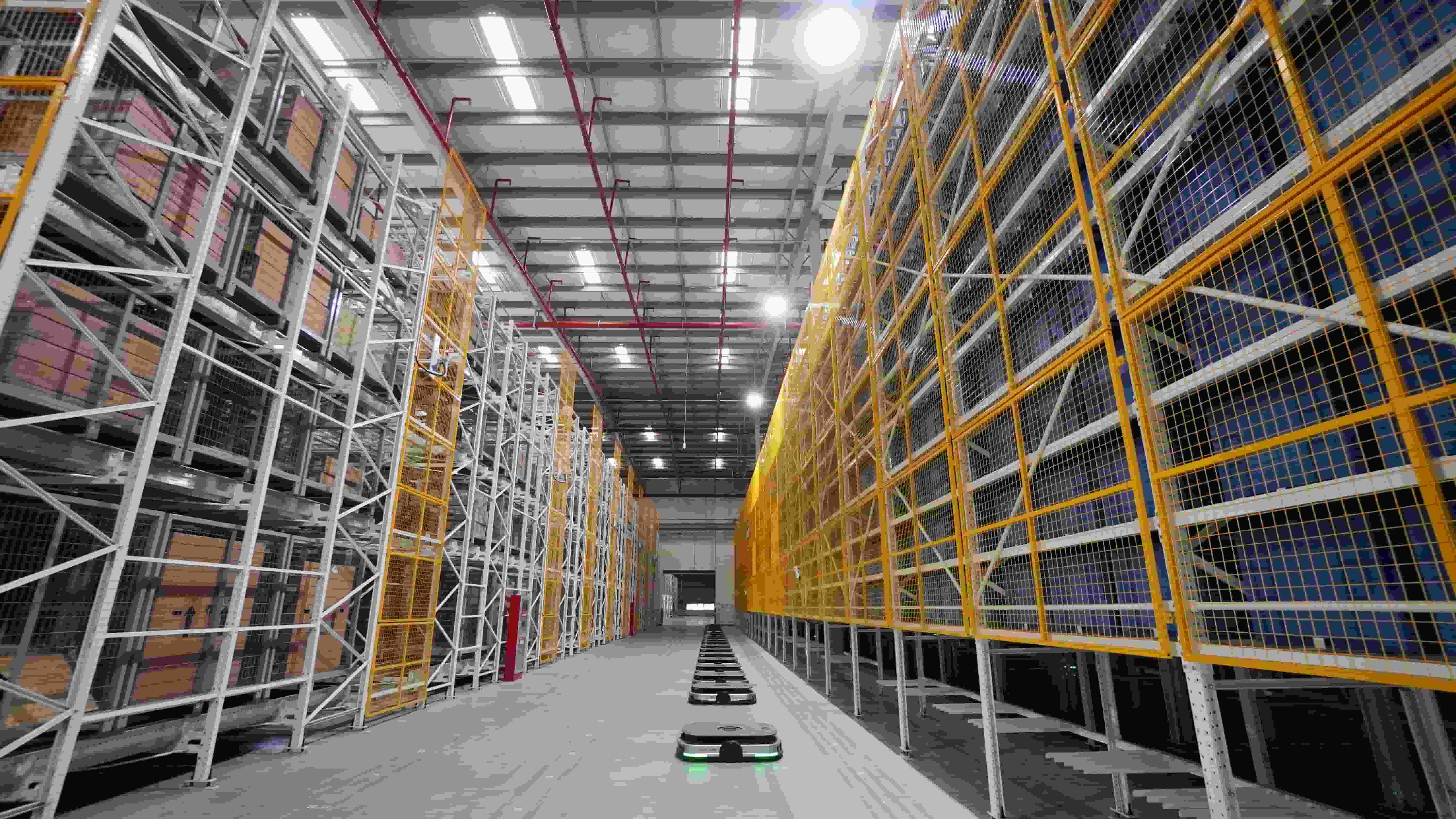
Yong Zhang, the founder of Geek+, sums it up nicely: “Robots aren’t here to replace people; they’re here to help people do more.” That’s a message that really hits home when you’re dealing with an actual warehouse floor. A dependable China Warehouse Automation Supplier should be able to show stable robot navigation, accurate barcode scanning, safe human-cobot interactions, and clear improvements in picking efficiency. Don’t forget to ask for references from their customers, records of uptime, their testing methods, and how they support local operations. A shiny factory tour is great, but it doesn’t tell you everything. The real test is running a pilot—using your cartons, aisle widths, your typical order profiles, and peak-season workloads. Even seasoned buyers can overlook things like how software integrates or how fast spare parts are responded to. And remember: the biggest supplier isn’t automatically the best one. The real winner is the partner who’s honest about limitations, willing to adapt their equipment, and committed to supporting your performance long after installation.
Warehouse Automation Supplier Selection: China’s Role in the Global Market
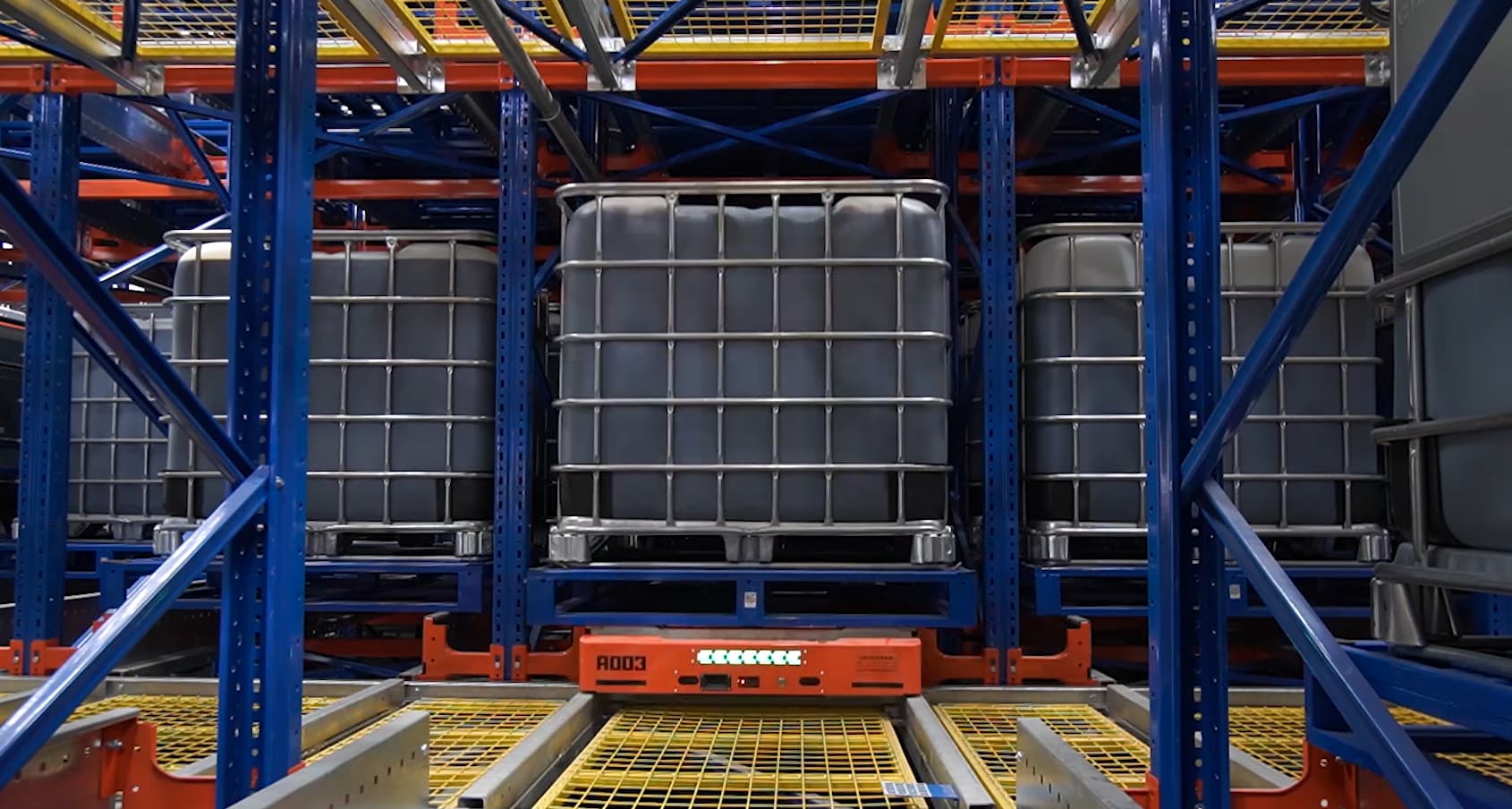
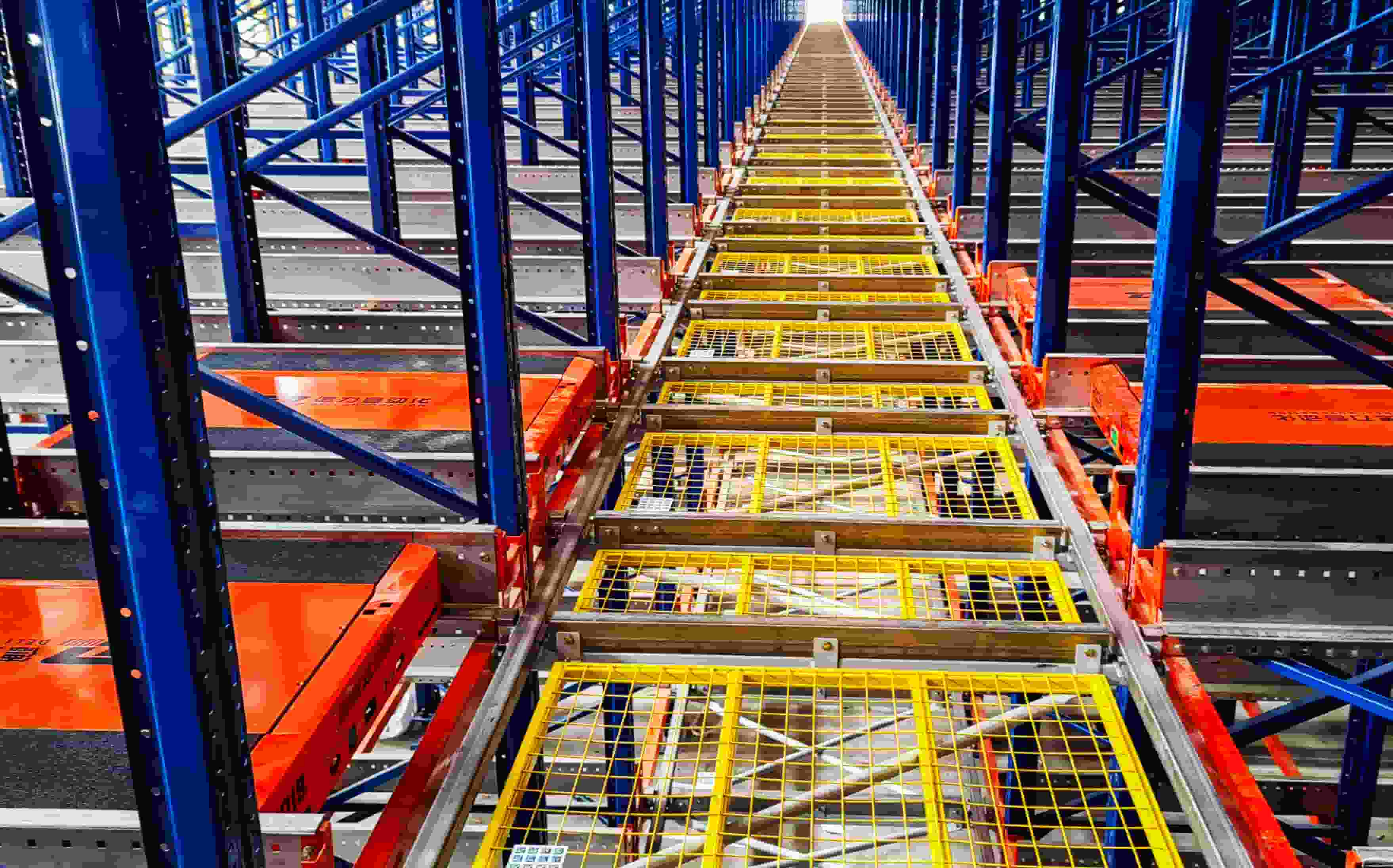
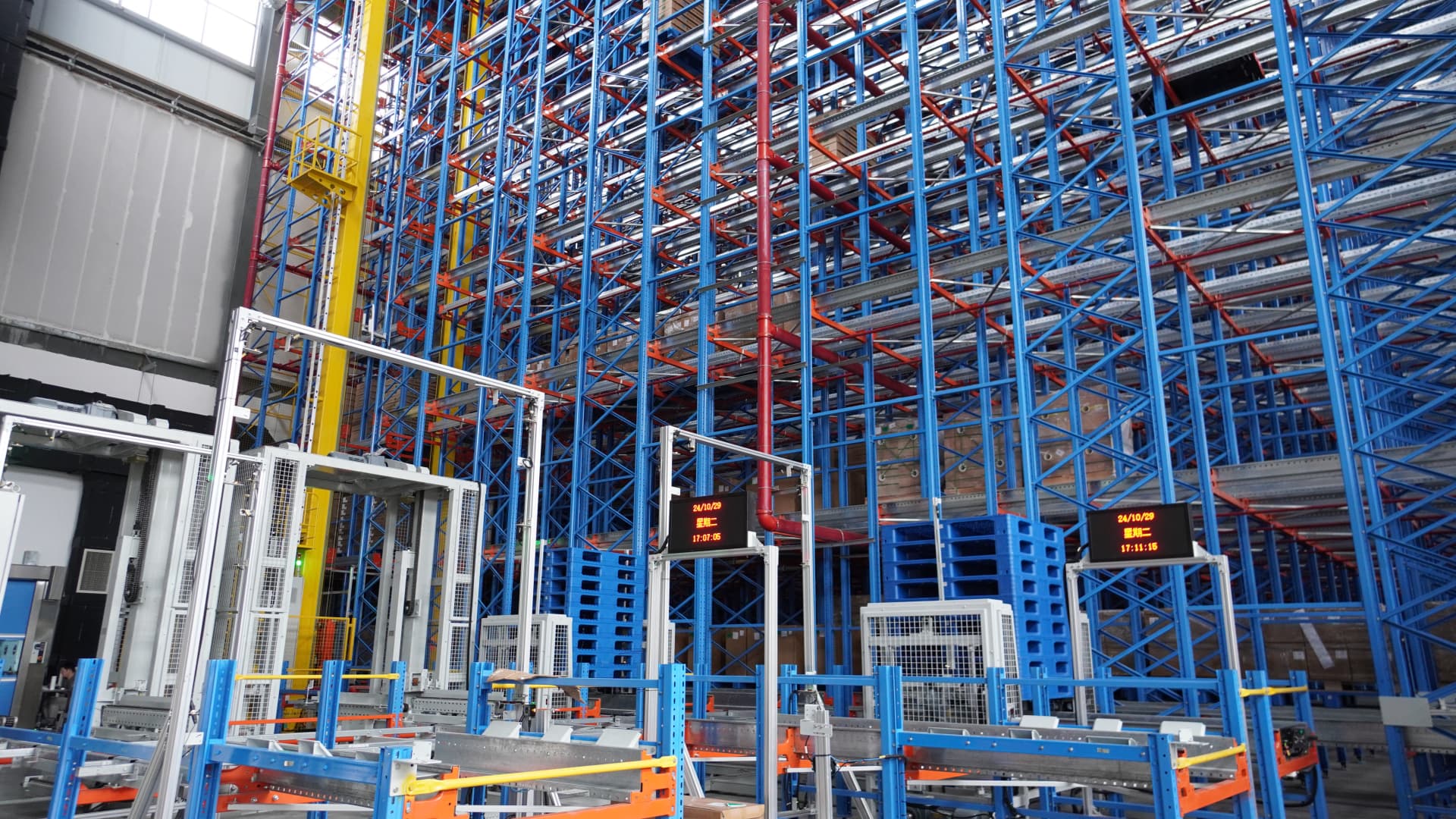
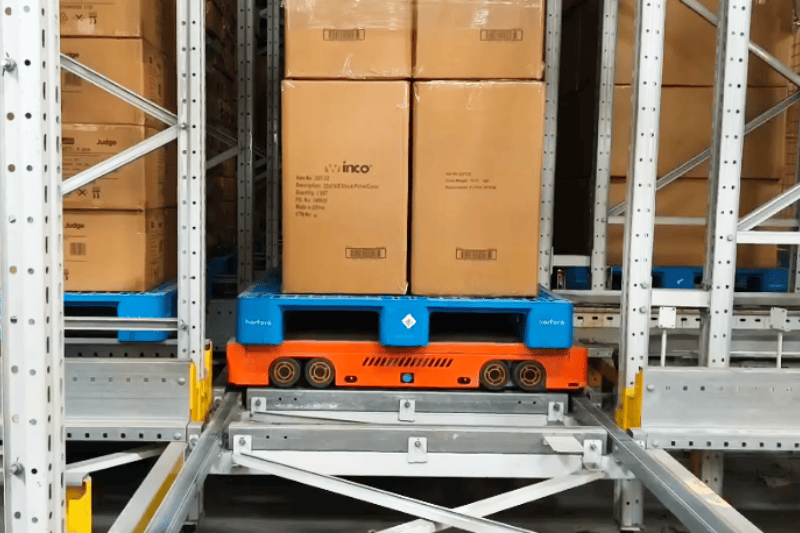
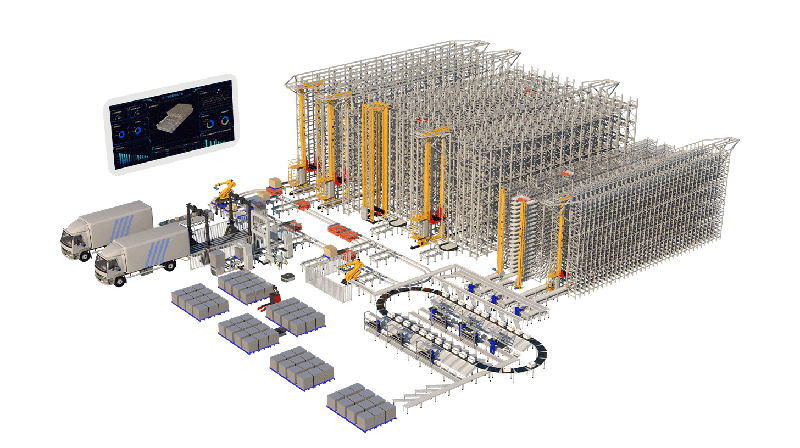
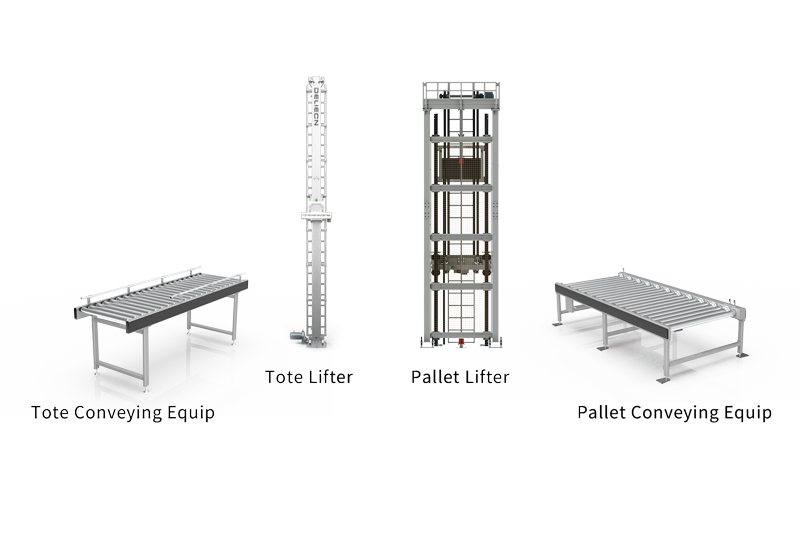
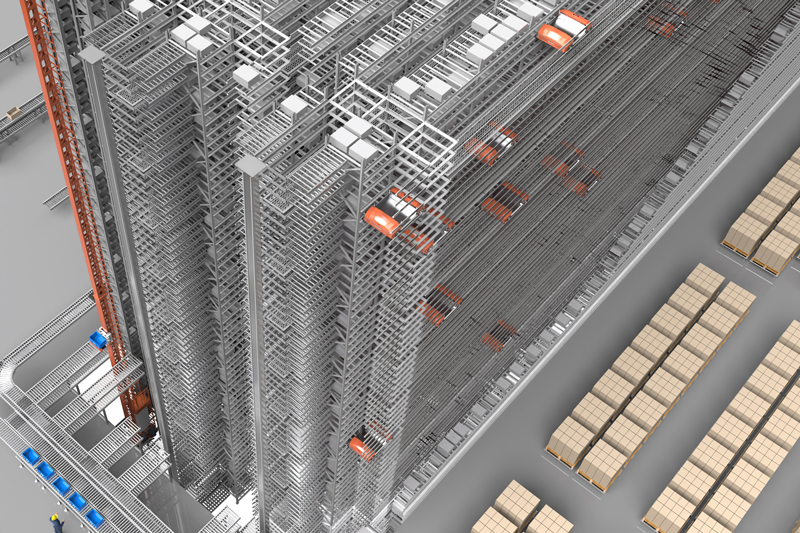
China has become a major source of warehouse automation equipment for global buyers. Its manufacturing network supports conveyors, Shuttle Robots,stacker crane,mini-flybox, WMS and WCS. In practical projects, this depth can shorten production schedules and reduce equipment costs. However, price alone is a weak selection method. A reliable supplier should provide clear layouts, load calculations, safety documentation, and integration records. Ask for evidence, not polished promises.
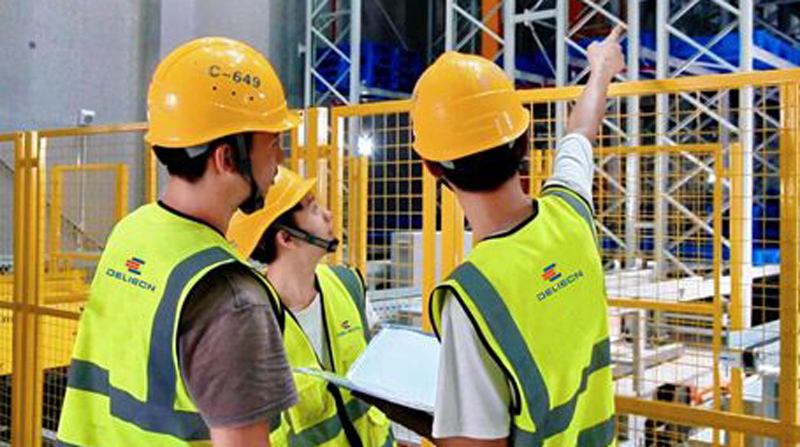
Factory visits can reveal useful details. Check wiring quality, spare-parts storage, testing procedures, and operator training areas. Request a live demonstration with cartons similar to yours. Measure cycle time, noise levels, error recovery, and location accuracy. These small observations often expose risks hidden in a sales presentation. Local engineering teams may also support customized designs for unusual building heights or mixed product sizes.
China’s global role is growing, but international delivery requires careful coordination. Confirm export experience, installation planning, remote diagnostics, and response times across time zones. Review software ownership, data protection practices, warranty limits, and replacement-part availability. No supplier is flawless. That assumption can fail. Buyers should also inspect factory capacity during peak orders, because promised lead times may change. A balanced selection process combines technical audits, reference checks, pilot testing, and realistic contract terms.
Calculate ROI Using Labor Savings, Payback Periods, and 30–50% Cost Reduction
For global buyers, selecting a China-based warehouse automation supplier should begin with measurable labor economics. The MHI 2025 Annual Industry Report found that 55% of supply chain leaders planned to increase technology investment. That interest needs a site-specific model, not a sales promise. Record hourly wages, overtime, absenteeism, picking errors, and throughput by shift. Then compare them with equipment, software, integration, training, maintenance, and energy costs. Small details matter.
A practical ROI model uses annual net savings divided by total project cost. Suppose six pickers earn $18 per hour, work two shifts, and operate 300 days yearly. Labor spending reaches about $518,400 before benefits. If automation removes 70% of those hours, gross savings approach $362,880. A $900,000 project then shows a simple payback near 2.5 years, before financing and tax effects. The 30–50% reduction often discussed should describe labor-related operating costs, not the entire warehouse budget. It may not appear during peak season.
The International Federation of Robotics reported 541,302 industrial robots installed worldwide in 2023. This indicates mature automation demand, but warehouse applications still require validation. Ask for cycle-time tests, uptime records, safety documentation, spare-parts lead times, and similar SKU references. Use a pilot lane with real cartons and actual workers. Test it. The spreadsheet is not the warehouse. A few manual exceptions can erase projected savings. Recalculate after 30, 90, and 180 days, including downtime and retraining. That uncomfortable review makes the payback more credible.
Audit Export Support, Installation Capacity, Spare Parts, and Global Service SLAs
Export readiness should be audited through documented references, factory quality records, packaging controls, and customs experience. Buyers therefore need suppliers that can scale responsibly, not only sell equipment.
Request a practical installation plan before signing. It should define site surveys, commissioning tests, local contractors, training hours, and remote troubleshooting.
Installation capacity matters when a conveyor fault delays a full shift. Ask for technician coverage by region and response times by severity.
Service Level Agreements should specify uptime targets, escalation routes, reporting frequency, and remedies for missed performance.
Spare parts reveal operational maturity. Require a recommended stock list for motors, sensors, controllers, and PLC. Confirm part numbers, export packaging, and replenishment lead times.
DHL’s 2024 logistics trend research continues to identify resilience and digitalization as major supply-chain priorities. Yet reports describe market direction, not supplier reliability. That distinction matters.
A supplier may provide impressive factory videos and still lack overseas execution depth. Audit evidence, not promises. Review two comparable installations and speak with operating users.
Also test documentation quality: unclear wiring diagrams can create expensive delays.
No system is perfect. The best supplier admits weak points and records corrective actions.
Conclusion
Choosing the right China Warehouse Automation Supplier requires a structured evaluation of technology, quality, integration, cost, and international support. Buyers should compare AS/RS solutions by throughput, storage density, scalability, and target system uptime of 99.9%. Shuttle robots should be assessed according to payload capacity, positioning accuracy, safety performance, and multi-robot coordination capability. It is also essential to verify WMS and WCS compatibility with existing ERP/MES systems, open APIs, and real-time inventory data exchange.
Supplier reliability should be confirmed through ISO 9001 certification, CE compliance where applicable, factory acceptance testing, and documented quality procedures. A practical ROI analysis should include labor savings, payback periods, operating costs, and potential cost reductions of 30–50%. Global buyers should also audit export experience, installation resources, spare-parts availability, remote assistance, training, and service-level agreements. A supplier that combines dependable automation, transparent performance data, flexible integration, and responsive worldwide support can provide a stronger foundation for efficient, scalable warehouse operations.

 Industries
 Services
 About Us
 AS/RS Handling Robot
 Vertical Storage Module
 Conveying Equipment
 Smart Warehousing System
 Warehouse Racking