Choosing a reliable Pallet AsrsSupplier requires more than comparing storage capacity or installation prices. Global buyers must examine engineering depth, software compatibility, service coverage, and proven operating results. China has become a major source of Automated Warehouse Systems, but supplier quality varies widely. Some companies offer impressive demonstrations. Others provide stronger support after commissioning.
John M. Hill, a respected Warehouse Automation consultant and principal at St. Onge Company, has stated, “Automation should be selected for the process, not simply for the technology.” This principle matters when evaluating Pallet Asrs solutions. A system may look advanced, yet perform poorly if pallet dimensions, load weights, or replenishment patterns were misunderstood. Real experience is visible in details: barcode accuracy, aisle clearances, shuttle recovery, and response times during peak hours.
This guide reviews China’s top ten Pallet Asrs Supplier candidates for international buyers. It considers manufacturing capability, control software, integration experience, customization, maintenance, and export support. Certifications and reference projects also deserve careful checking. A factory tour can reveal more than a polished brochure.
There is no perfect supplier.
Even strong vendors may have weak overseas service networks or unclear spare-parts policies. Buyers should request test records, acceptance criteria, and realistic delivery schedules. Price alone can hide future costs. A lower quotation may exclude software updates, operator training, or emergency support.
The ranking offers a practical starting point, not a final verdict. Every warehouse has different constraints. Careful validation remains essential.
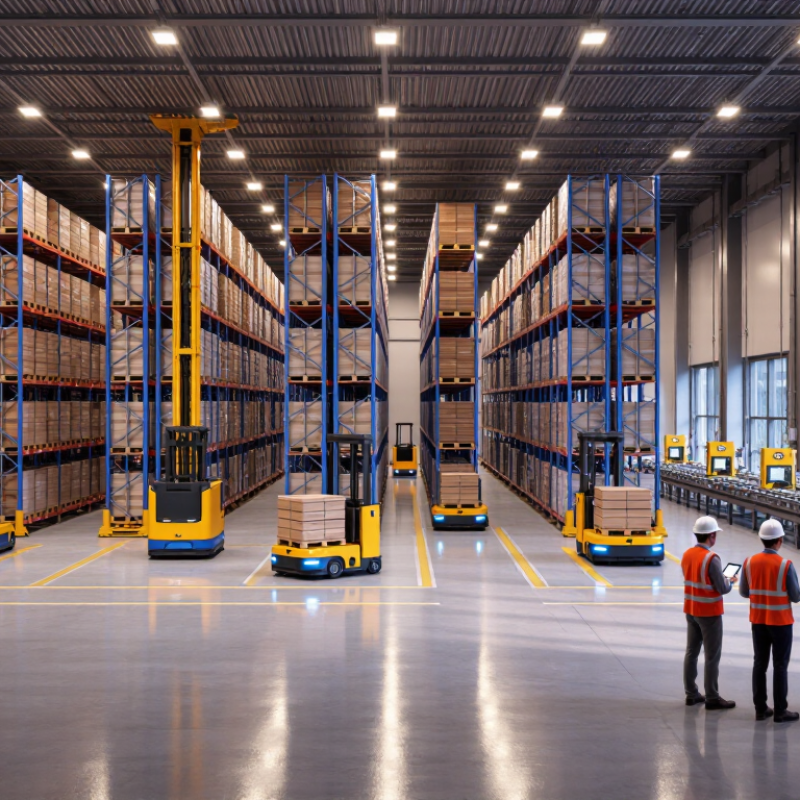
What Is a Pallet ASRS and Why Does Supplier Selection Matter?
A pallet ASRS is an Automated Storage and retrieval system for palletized goods. It uses racks, conveyors, lifts, sensors, and control software to move loads with limited manual handling. In a busy warehouse, a pallet may travel from receiving to a storage lane without a forklift crossing the entire floor. This improves space use, inventory visibility, and handling consistency.
Supplier selection matters because the system becomes part of daily operations. A capable supplier should understand pallet dimensions, load weights, temperature conditions, rack height, and required throughput. They should also explain how the system connects with warehouse management software. Ask for load testing records, safety procedures, maintenance plans, and realistic delivery schedules. Technical promises sound impressive, but measurable evidence matters more. A low initial price may hide training gaps, spare-parts delays, or difficult software upgrades.
Tips: Define your busiest operating period before requesting quotations. Check whether the proposed design supports damaged pallets, uneven loads, and future expansion. Request a site survey and a clear performance test. Speak with reference customers, if possible. Do not judge suppliers by brochures alone. No project is perfect. Even careful planning can miss seasonal peaks or operator habits, so leave room for testing, adjustment, and honest review.
China Top 10 Pallet ASRS Suppliers for Global Buyers - What Is a Pallet ASRS and Why Does Supplier Selection Matter?
Supplier-neutral comparison framework for evaluating pallet ASRS capabilities in China
Anonymous Supplier Benchmark: Pallet ASRS Capabilities and Buyer-Relevant Evaluation Factors
| Evaluation Slot | Typical Supplier Focus | Pallet ASRS Configuration | Typical Pallet Load | Typical Storage Height | Indicative Throughput* | Suitable Application | Key Selection Check |
| 01 | High-density warehouse automation | Single-deep stacker-crane ASRS | 500–1,500 kg | 8–30 m | 20–60 pallets/hour | Manufacturing, automotive, general distribution | Crane cycle time, rack seismic design, pallet quality |
| 02 | High-throughput buffer storage | Double-deep stacker-crane ASRS | 500–1,500 kg | 10–28 m | 30–90 pallets/hour | Large distribution centers and production buffers | Access priority, inventory aging, fire-protection layout |
| 03 | Flexible mixed-pallet storage | Pallet shuttle ASRS with lift modules | 500–1,500 kg | 6–24 m | 40–150 pallets/hour | FMCG, beverage, food and high-volume storage | Lane depth, SKU distribution, shuttle battery strategy |
| 04 | Compact storage for limited floor space | Multi-deep pallet shuttle system | 500–2,000 kg | 6–20 m | 30–120 pallets/hour | Cold storage, seasonal inventory, bulk products | Temperature rating, FIFO/FEFO logic, retrieval sequencing |
| 05 | Flexible brownfield integration | Pallet ASRS with conveyors and transfer cars | 500–1,500 kg | 6–18 m | 20–80 pallets/hour | Existing warehouses and phased automation projects | Interface with existing conveyors, floor flatness, expansion plan |
| 06 | Cold-chain and temperature-controlled logistics | Cold-store stacker-crane or shuttle ASRS | 500–1,500 kg | 8–30 m | 15–70 pallets/hour | Frozen food, pharmaceuticals and temperature-sensitive goods | Low-temperature components, defrost strategy, condensation control |
| 07 | Heavy-load industrial storage | Heavy-duty stacker-crane ASRS | 1,500–3,000 kg | 8–25 m | 15–50 pallets/hour | Metal, machinery, chemicals and industrial components | Load-center tolerance, rack deflection, braking and safety margins |
| 08 | Production-line replenishment | Pallet ASRS connected to manufacturing execution systems | 500–1,500 kg | 6–20 m | 20–80 pallets/hour | Automotive, electronics and assembly operations | Line-side delivery time, traceability, ERP/MES interface capability |
| 09 | High-mix, lower-volume inventory | Pallet ASRS with automated guided vehicles | 500–1,500 kg | 6–18 m | 15–60 pallets/hour | E-commerce, spare parts and contract logistics | Traffic management, charging design, route redundancy and safety |
| 10 | Turnkey international warehouse projects | Integrated ASRS with WMS, WCS and warehouse controls | 500–2,000 kg | 8–30 m | 30–150 pallets/hour | Large-scale distribution, export and multi-site operations | Global service coverage, spare parts, FAT/SAT and software openness |
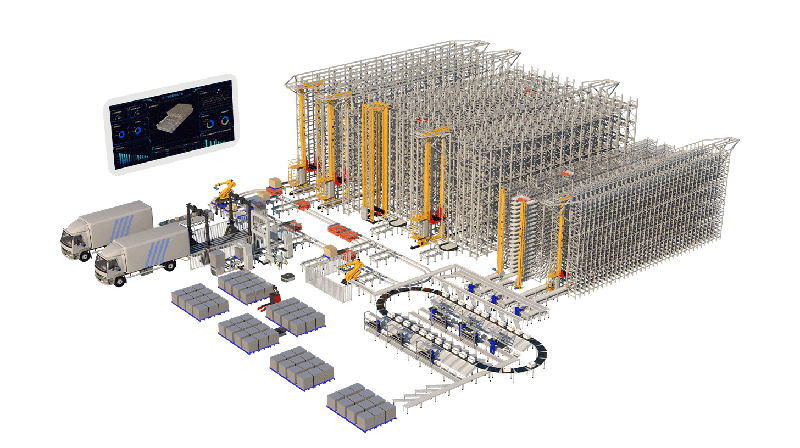
What is a pallet ASRS? A pallet Automated Storage and Retrieval System is a computer-controlled solution that stores and retrieves unit-load pallets using equipment such as stacker cranes, pallet shuttles, conveyors, lifts or automated mobile vehicles. It normally combines storage racks, material-handling equipment, warehouse control software and warehouse management interfaces.
Why does supplier selection matter? A pallet ASRS is a long-life infrastructure investment. Supplier evaluation should cover engineering accuracy, pallet and load compatibility, safety design, software integration, commissioning, operator training, spare-parts availability, cybersecurity, remote support and lifecycle maintenance—not only equipment price.
*Throughput figures are indicative planning ranges for common pallet ASRS configurations, expressed as combined pallet movements per hour. Actual performance depends on rack height, travel distances, pallet dimensions, SKU profile, storage policy, equipment quantity, software logic and required service levels. All technical values should be confirmed through a project-specific design and acceptance test.
Recommended verification topics include ISO 3691-4 where driverless industrial trucks are used, EN 15635 for the use and maintenance of steel static storage systems, IEC 60204-1 for machinery electrical equipment, local fire codes, seismic requirements and the buyer’s applicable occupational-safety regulations.
Key Technologies Used by Leading Pallet ASRS Suppliers
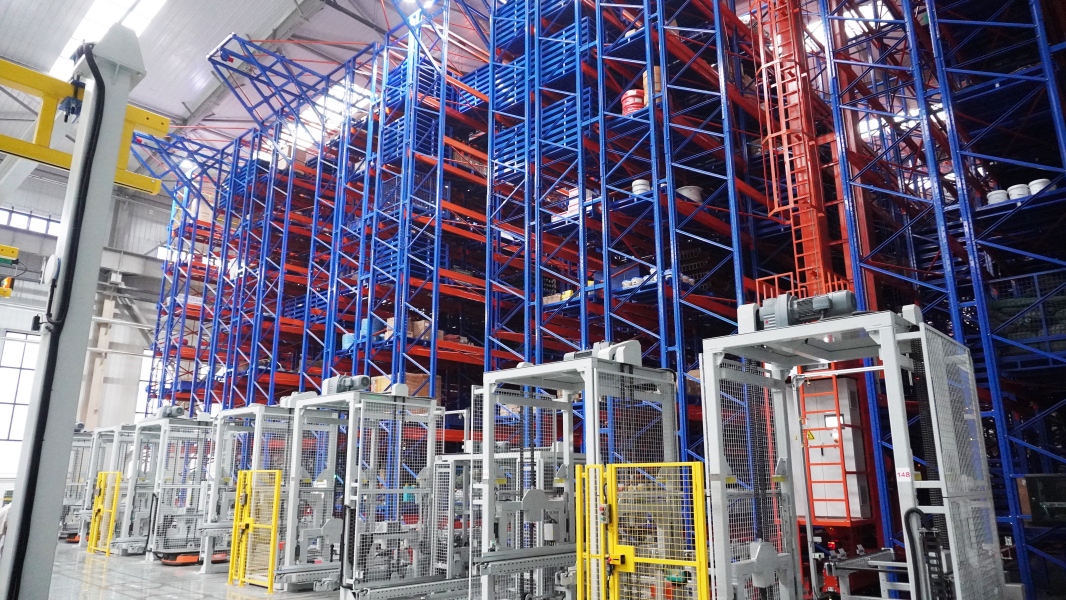
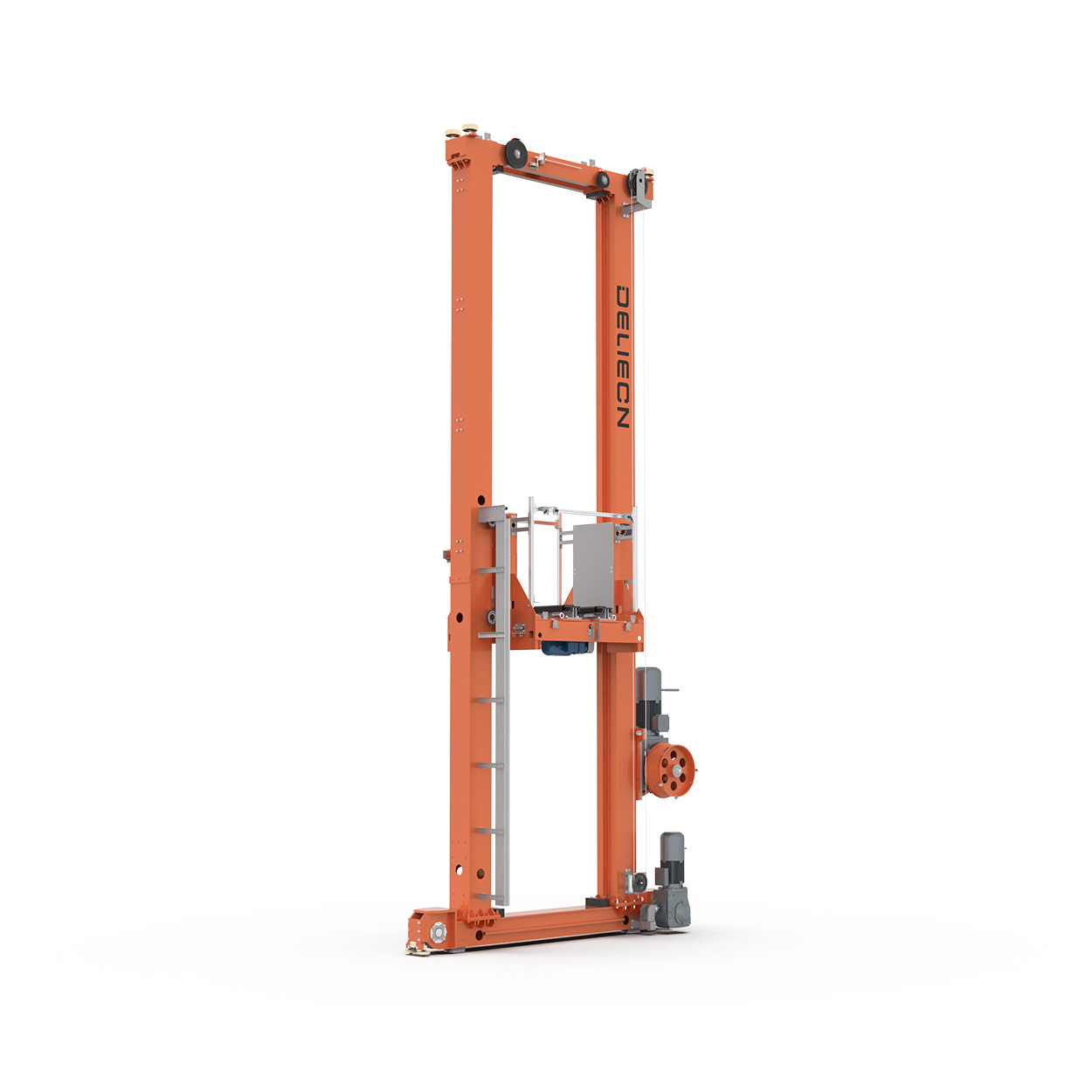
Leading pallet ASRS suppliers in China increasingly combine automated cranes, shuttle systems, and intelligent software. These technologies move heavy loads through tall storage racks with fewer manual touches. A stacker crane can reach over 20 meters, while laser sensors check pallet position during each movement. Small alignment errors matter.
The control layer usually connects warehouse management software with warehouse control software. It assigns storage locations, sequences pallet movements, and records every scan. Barcode readers remain common, but RFID can support faster identification in demanding operations. Real-time dashboards show equipment status, order queues, and blocked aisles. Some systems also use digital twins to test traffic patterns before installation.
Safety technology deserves equal attention. Light curtains, door interlocks, emergency stops, and load sensors help protect workers and equipment. Condition monitoring can detect unusual vibration or motor temperature before a breakdown occurs. Energy regeneration during crane braking may reduce power consumption, although actual savings depend on usage patterns. Suppliers should provide factory acceptance tests, site acceptance tests, maintenance records, and response procedures.
No design is perfect. A simulation may miss dust, uneven pallets, or seasonal order spikes. Experienced buyers should test these conditions with real loads. They should also inspect spare-part availability, software training, and manual recovery steps. A reliable ASRS is not only fast; it remains understandable when something goes wrong.
Key Technologies Used by Leading Pallet ASRS Suppliers
This chart compares typical maximum pallet-load capacities across major pallet ASRS technologies. Values are indicative engineering benchmarks for standard warehouse applications and vary by system design, pallet dimensions, storage height, and safety requirements.
How to Evaluate China’s Top Pallet ASRS Suppliers
Choosing among China’s top pallet ASRS suppliers requires more than comparing prices. Start with proven experience in warehouses like yours. Ask for project references, operating conditions, pallet dimensions, load weights, and throughput figures. A supplier should explain its design assumptions clearly, not hide behind impressive automation terms.
Inspect the engineering evidence. Review rack calculations, conveyor layouts, control architecture, and safety documentation. For Asrs Pallet Racking, check beam capacity, rack alignment, aisle tolerance, and seismic requirements.
Request factory testing records and witness a realistic pallet movement test. A clean showroom proves little. Actual performance matters more.
Evaluate software integration, maintenance response, spare-parts availability, and technician training. Ask how the supplier handles damaged pallets, barcode errors, and peak-season congestion. A detailed acceptance plan should define speed, accuracy, noise, and recovery tests. Compare total ownership cost, including energy, service, upgrades, and downtime. No scorecard is perfect. My own assessment can change after visiting the production line or speaking with operators. Be cautious when a proposal lacks exclusions, delivery milestones, or responsibility boundaries. Clear communication often reveals more reliability than a low quotation.
Typical Industries and Warehouse Applications for Pallet ASRS
Pallet ASRS serves industries that need dense storage, accurate tracking, and steady material flow. Food and beverage warehouses often use it for cartons, cans, and ingredient pallets. High-bay storage protects products from floor congestion and reduces unnecessary forklift travel. In chilled facilities, an Asrs Rack can shorten door-opening time and limit temperature loss. However, moisture and condensation may challenge sensors and moving equipment.
Automotive plants use pallet ASRS for components, spare parts, and returnable containers. Receiving teams can deliver materials to production lines through scheduled retrievals. Pharmaceutical warehouses require stricter identification, controlled environments, and documented handling records. Retail distribution centers also use pallet systems to buffer seasonal inventory and prepare store replenishment orders. Operators should check pallet dimensions, load stability, fire protection, and software integration before installation. Small inconsistencies can create repeated stoppages.
Experience shows that automation does not remove every warehouse problem. Poorly wrapped pallets still cause delays. Weak data discipline causes wrong storage decisions. One project may perform well, while another needs more manual inspection than expected. Buyers should review site measurements, maintenance access, battery performance, and operator training with qualified engineers. The best application is not always the most automated one. It is the system that remains reliable during peak shifts, product changes, and ordinary human mistakes.
Procurement, Installation, and After-Sales Considerations for Global Buyers
Selecting a pallet ASRS supplier requires more than comparing equipment prices. Grand View Research estimated the global warehouse automation market at USD 25.78 billion in 2024. That growth increases supplier choices, but also increases evaluation risk. Request load maps, pallet dimensions, throughput assumptions, and software interfaces before requesting quotations. An Asrs Crane should be sized for real operating conditions, including damaged pallets, temperature changes, and peak-season congestion. The cheapest specification may become expensive after commissioning.
Installation planning deserves equal attention. The supplier should provide foundation loads, fire-safety coordination, electrical drawings, testing procedures, and operator training. MHI’s 2024 Annual Industry Report found that 55% of surveyed supply-chain professionals increased investment in technology and innovation. Investment alone does not guarantee performance. Insist on factory acceptance tests and site acceptance tests using representative pallets. Measure retrieval accuracy, cycle time, fault recovery, and noise. Small omissions matter.
After-sales terms should define response times, spare-parts availability, remote diagnostics, and local technician coverage. Interact Analysis has reported continuing double-digit growth in warehouse automation demand, making service capacity a practical concern. Ask how many trained engineers support your region. Ask for a three-year maintenance cost model. I would not trust a perfect uptime promise without exclusions and maintenance records. Some buyers also overlook software updates and cybersecurity responsibilities. That mistake is common. A clear acceptance schedule, bilingual manuals, and documented escalation contacts can prevent costly disputes during the first operating year.
Pallet Stacker Cranes: Smarter Warehouse Automation for Faster, Safer, and More Efficient Operations
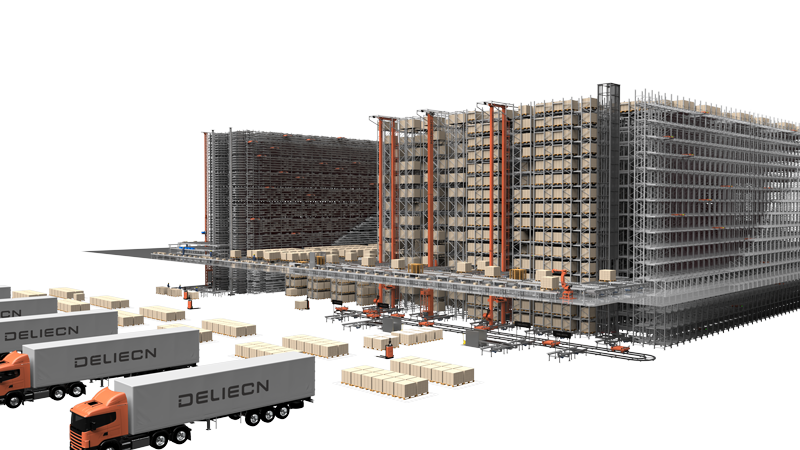
Pallet stacker cranes are transforming warehouse automation by making storage and retrieval faster, safer, and more efficient. Designed for high-volume, high-frequency operations, these automated systems can move pallets accurately while reducing manual handling, travel time, and the risk of workplace injuries. Their precise positioning also helps warehouses make better use of vertical space, supporting higher storage density without requiring a larger building footprint.
Available in single-column, double-column, and curve-going configurations, pallet stacker cranes can be adapted to different warehouse layouts and storage requirements. They support single-deep, double-deep, and multi-deep pallet positions, with operating heights of up to 40 meters. Built to meet FEM standards, they provide reliable performance during continuous inbound and outbound tasks, including demanding heavy-load applications.
The equipment is suitable for both ambient and cold-storage environments, operating steadily at temperatures as low as -25°C. By connecting with warehouse management and control systems, it can coordinate inventory movements, improve order accuracy, and maintain consistent operating performance. These capabilities make pallet stacker cranes valuable for food and beverage, pharmaceutical, chemical, and e-commerce facilities seeking safer workflows, greater throughput, and more efficient use of storage space.
Conclusion
Pallet ASRS is an automated storage and retrieval solution designed to handle palletized goods with greater speed, accuracy, space efficiency, and inventory visibility. For global buyers, choosing the right Pallet Asrs Supplier is essential because system performance depends on more than equipment alone. Leading suppliers typically combine warehouse control software, warehouse management system integration, conveyors, stacker cranes, shuttle technology, barcode or RFID identification, safety controls, and real-time monitoring. Buyers should evaluate technical capabilities, storage density, throughput, system flexibility, customization experience, project references, production quality, and service coverage.
Pallet ASRS can support industries such as manufacturing, food and beverage, retail, cold chain, and general distribution. During procurement, buyers should clarify warehouse conditions, pallet specifications, expected capacity, inbound and outbound volumes, installation responsibilities, training, spare parts, maintenance, and remote support. A reliable supplier should provide clear project planning, transparent communication, practical commissioning schedules, and scalable after-sales service to ensure stable operation throughout the system’s lifecycle.

 Industries
 Services
 About Us
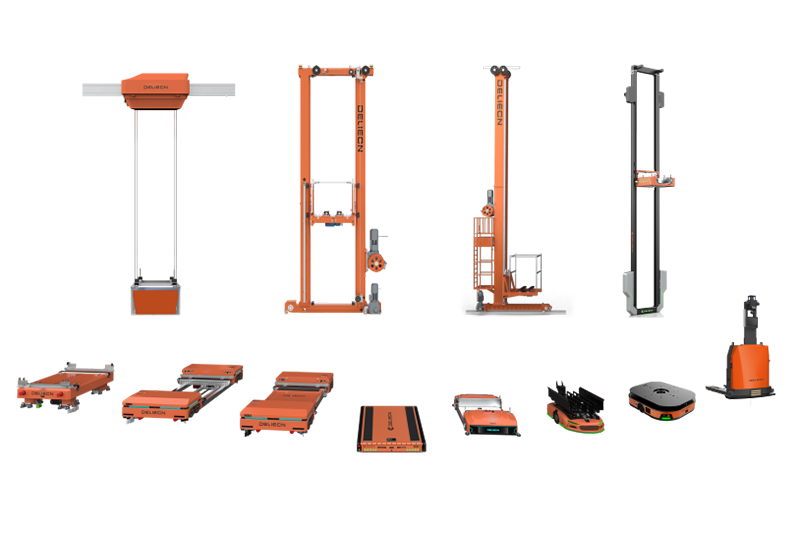 AS/RS Handling Robot
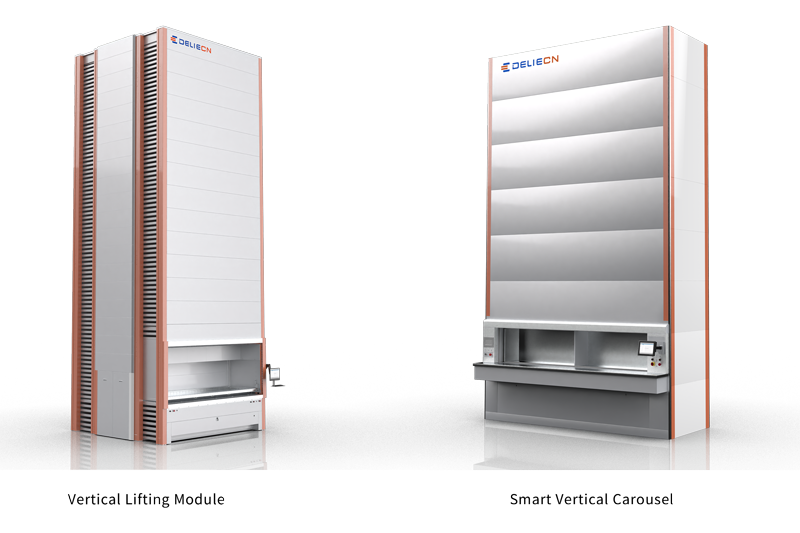 Vertical Storage Module
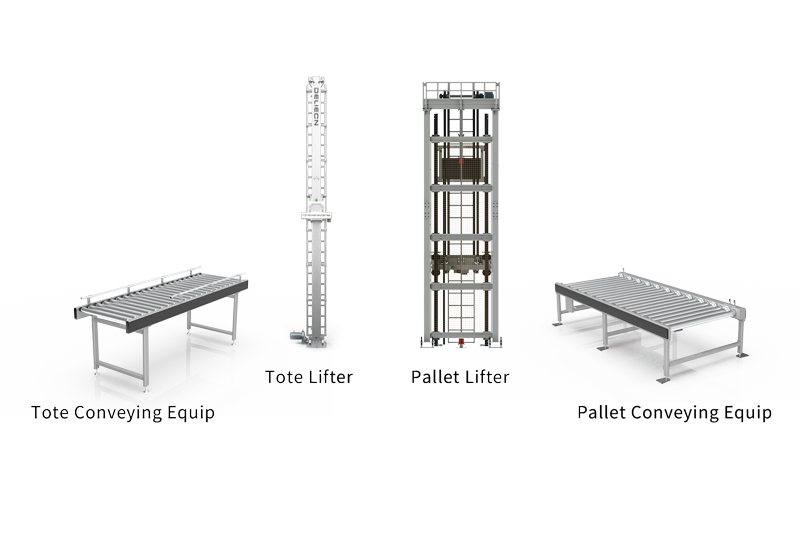 Conveying Equipment
 Smart Warehousing System
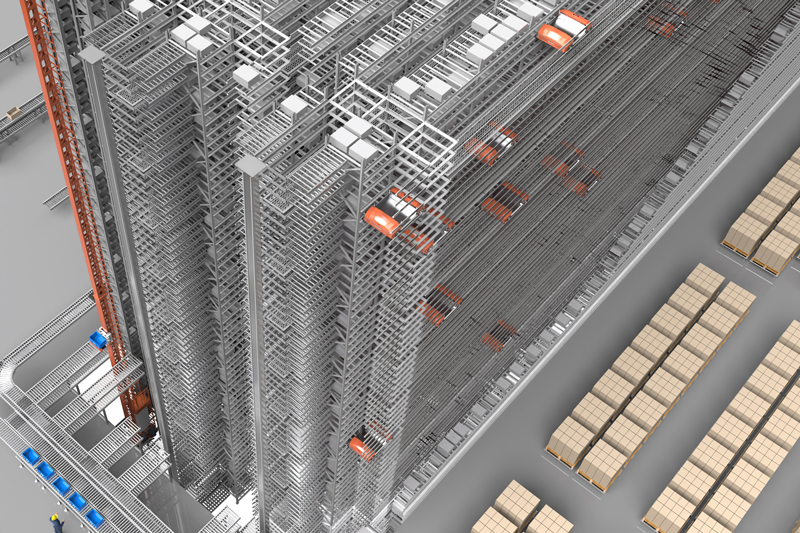 Warehouse Racking