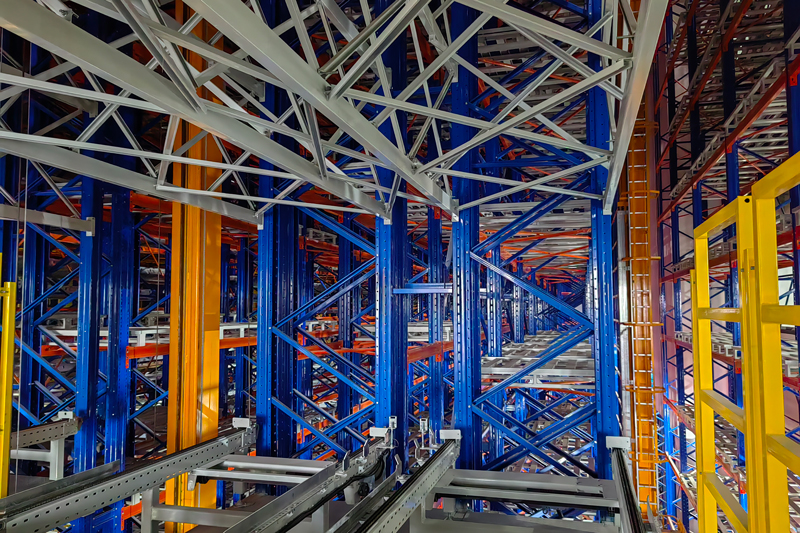
The first thing I would check for a two-way shuttle project is not warehouse height or robot speed.
I would look at the inventory.
A beverage warehouse may hold dozens of pallets of the same finished product. A raw-material warehouse may receive one production lot at a time. A cold store may keep several pallets from the same batch together.
These warehouses already have something in common before automation is discussed: their pallets can naturally be grouped.
That is where a Pallet Two-Way Shuttle Robot becomes useful.
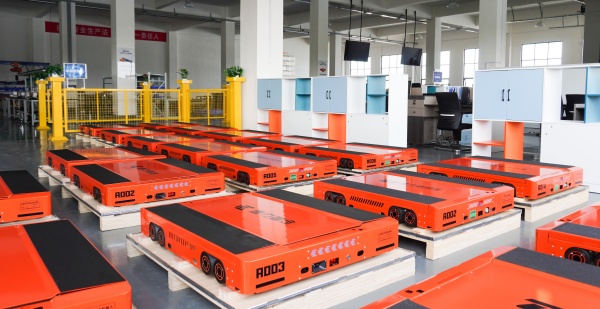
The robot moves forward and backward inside one storage lane. It carries pallets from the lane entrance to deeper positions and brings them back when required.
It does not move itself from one lane to another.
For some warehouses that would be a serious limitation. For batch-oriented pallet storage, it often is not.
The customer is not buying extra travel directions. What they usually want is fairly straightforward: fit more pallets into the available warehouse without creating an aisle beside every storage row.
More Storage Without Rebuilding the Warehouse
More Storage Without Rebuilding the Warehouse
Selective Pallet Racking is easy to understand because every pallet faces an aisle.
It is also expensive in terms of floor space.
Once the warehouse starts running short of capacity, those aisles become hard to ignore. This is especially true in existing factories where extending the building is difficult or where every additional square meter already has a cost attached to it.
A two-way shuttle layout uses the building differently.
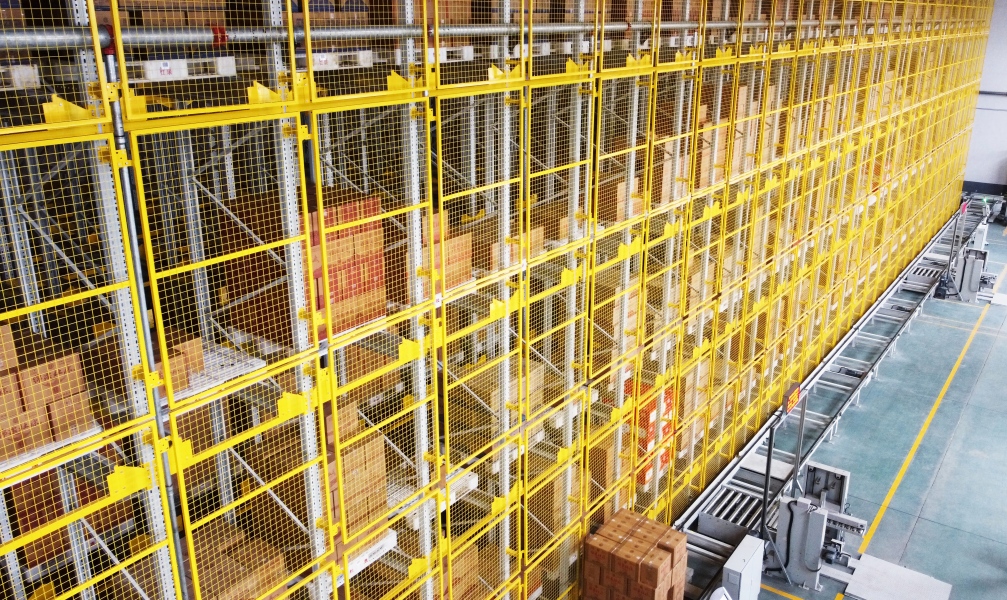
Instead of arranging one or two pallet positions between aisles, several pallet positions can extend farther into the rack. The shuttle handles that depth.
This is why the product is commonly considered for finished food, beverages, manufacturing materials, raw materials and some cold-storage applications.
The benefit does not come from the robot being particularly complicated.
It comes from removing access space that the inventory does not actually need.
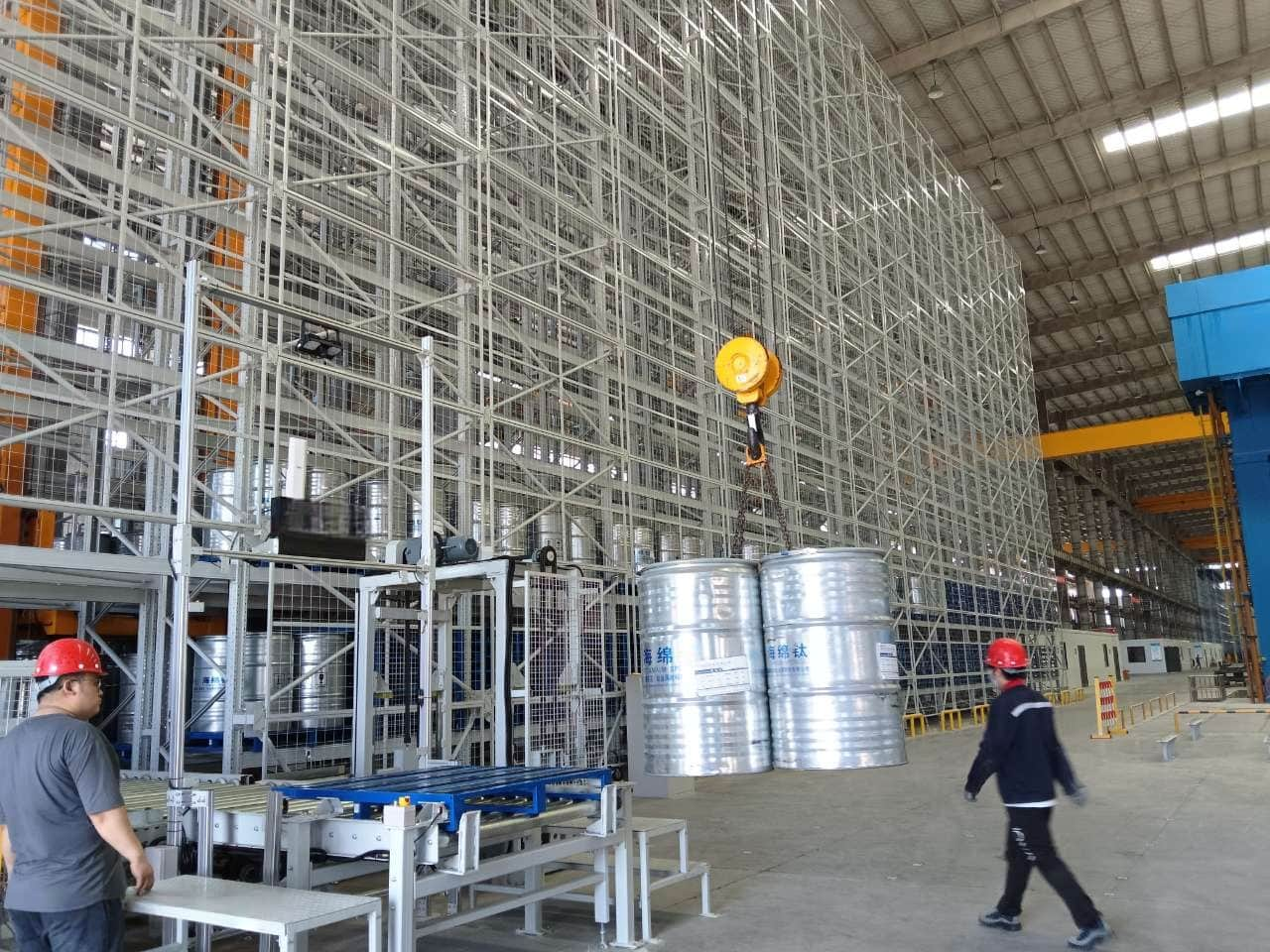
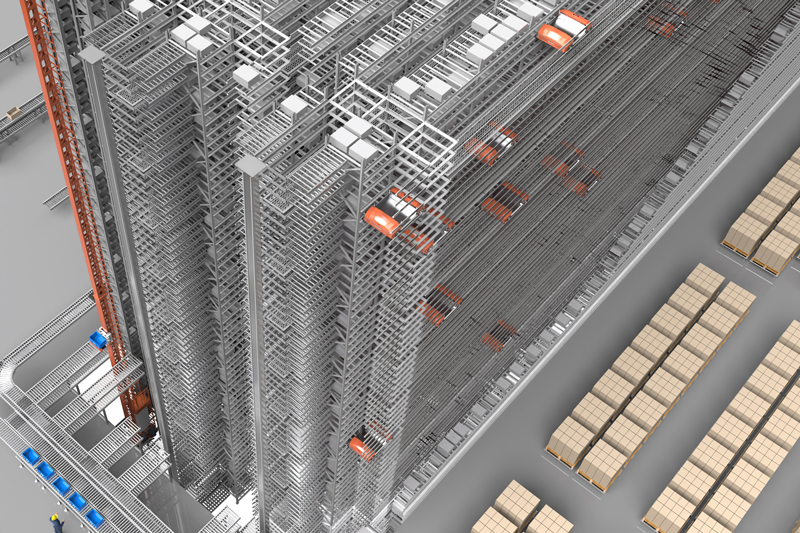
The Dukang finished-goods project is a good example. Palletized beverage products arrive in batches, so storing several pallets of the same product together is practical. The warehouse uses Pallet Two-Way Shuttle Robots with stacker cranes rather than keeping every pallet directly exposed to an aisle.
That storage rule matters much more than the number of directions the robot can travel.
Batch Size Decides Whether Deep Lanes Stay Convenient
There is a point where more rack depth stops being useful.
Suppose one SKU normally occupies twelve pallet positions. Putting those pallets into the same lane can work well.
Now suppose twelve different SKUs occupy those twelve positions.
The storage count looks exactly the same on the drawing, but the second warehouse will be much harder to operate.
That is why pallet quantity per SKU needs to be reviewed before lane depth is decided.
For an actual project, it is worth looking at several months of inventory records rather than relying only on total pallet capacity.
How many pallets does one SKU normally occupy?
Are those pallets usually received together?
Do they leave in roughly the same sequence?
How often does stock quantity change?
A food manufacturer producing one SKU for several hours at a time will normally give a very different answer from a spare-parts distributor holding one pallet each of hundreds of products.
Both may want higher storage density.
Only one may be a natural fit for very deep lanes.
The same thinking applies to FIFO and FILO.
If pallets enter and leave from the same side, the lane normally follows FILO. Where pallets can enter from one side and leave from the other, FIFO can be designed into the layout.
For products controlled by production date, lot or shelf life, this needs to be settled before the rack is built.
It is a physical storage decision first, not simply a WMS setting.
When a Stacker Crane Is Added, the Shuttle Has a Very Specific Job
In a high-bay warehouse, a Pallet Two-Way Shuttle Robot is often used together with a Pallet Stacker Crane.
The arrangement is quite practical.
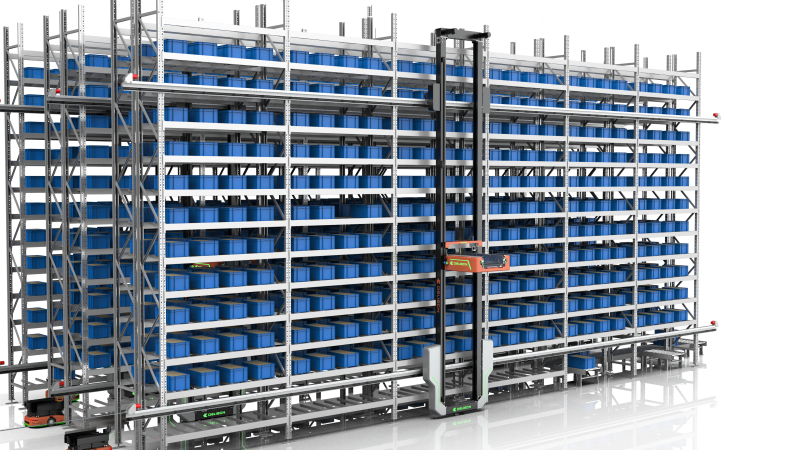
The Stacker Crane moves along the aisle and between rack levels. When the pallet reaches the required storage lane, the shuttle takes over and carries it farther into the rack.
For outbound, the same movements happen in reverse.
This allows the warehouse to use height and depth at the same time.
It also keeps the two pieces of equipment doing different jobs instead of making one machine handle the entire route.
This is useful for projects where customers want more pallet capacity but still have meaningful inbound and outbound requirements.
The design work then shifts to the handover points.
If the shuttle returns a pallet but the stacker crane is still completing another task, that pallet waits.
If several lanes request the same stacker crane at once, the queue grows.
So a good two-way shuttle ASRS is not designed by counting robots alone. The rhythm between the shuttle, stacker crane and front-end handling equipment matters just as much.
That is the part an integrator usually needs to calculate carefully.
Two-Way Is Often Enough
Four-way shuttle systems give robots more freedom inside the rack.
That freedom is useful when storage destinations change frequently and robots need to move between many lanes.
But consider a warehouse producing the same finished goods every day.
Production sends in a batch.
The warehouse stores that batch.
Later, shipment orders take the same products back out.
There may be very little value in allowing every shuttle robot to travel throughout the whole rack network.
The two-way shuttle simply stays focused on the deep-lane movement.
This is why I would not describe it as a cheaper or less capable version of a four-way shuttle.
The two products suit different storage patterns.
A highly fragmented warehouse may benefit from cross-lane flexibility.
A batch-oriented warehouse may get more value from a simpler lane structure and deeper storage.
Neither conclusion comes from the robot brochure. It comes from the inventory.
Where It Usually Fits Best
The Pallet Two-Way Shuttle Robot makes the most sense when pallet storage has a certain degree of repetition.
Finished goods are a common example.
So are raw materials received by lot, packaged food and beverages, and other products where several identical or related pallets can stay together.
In those warehouses, the customer can use more of the building for storage and less for access aisles.
The shuttle also reduces the need for forklifts to travel deep into the storage structure, which is useful in dense racks and low-temperature warehouses.
But there is no advantage in forcing the product into every high-density project.
If most SKUs have very small pallet quantities, outbound sequence changes constantly, or every pallet needs frequent independent access, the extra rack depth may create more operational problems than storage value.
That is probably the simplest way to judge the product.
When pallets already want to stay together, the Pallet Two-Way Shuttle Robot gives the warehouse a practical way to store them deeper.
The robot is simple because, in the right warehouse, the storage rule is simple too.

 Industries
 Services
 About Us
 AS/RS Handling Robot
 Vertical Storage Module
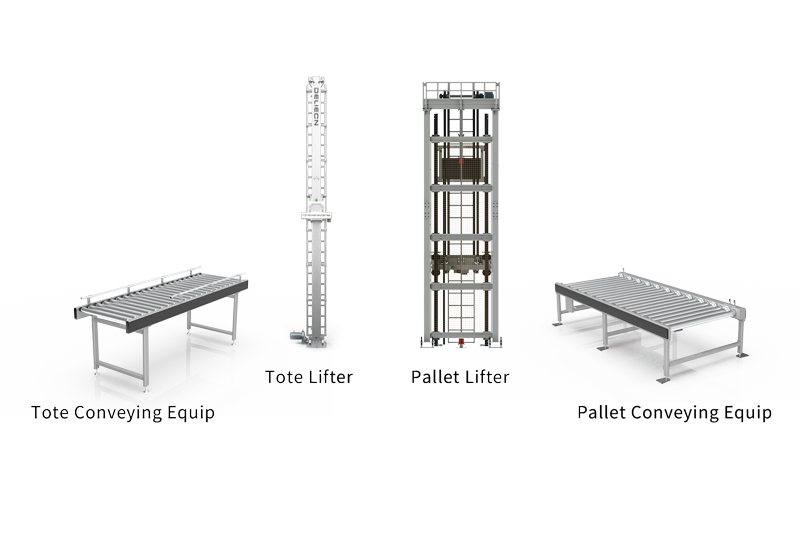 Conveying Equipment
 Smart Warehousing System
 Warehouse Racking