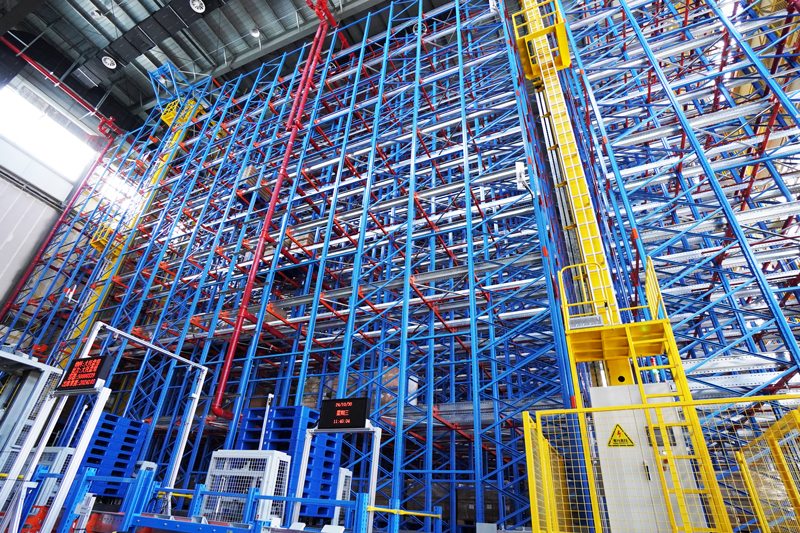
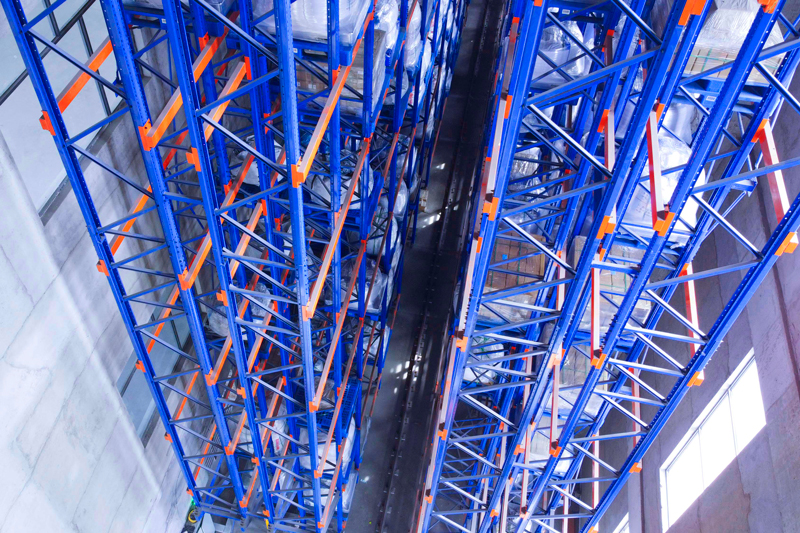
A pallet warehouse can run out of useful space long before the building is actually full.
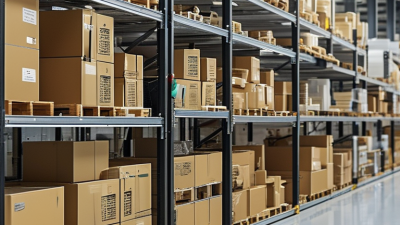
The reason is often visible in the layout. Forklift aisles occupy a large part of the floor, pallets are spread across many rows, and every increase in storage capacity creates another question: how will operators reach those pallets without making inbound and outbound work slower?
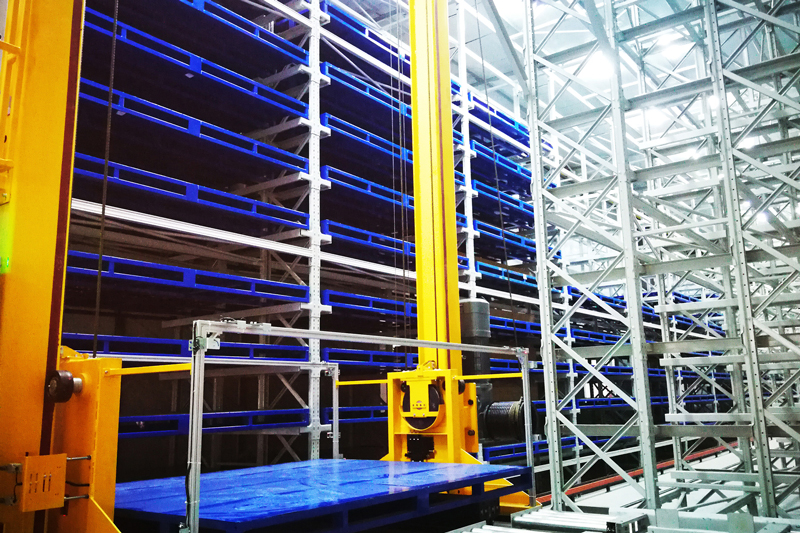
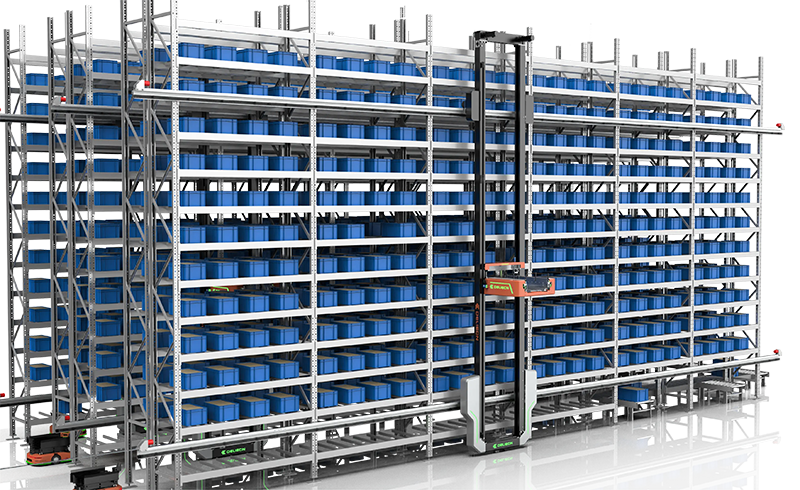
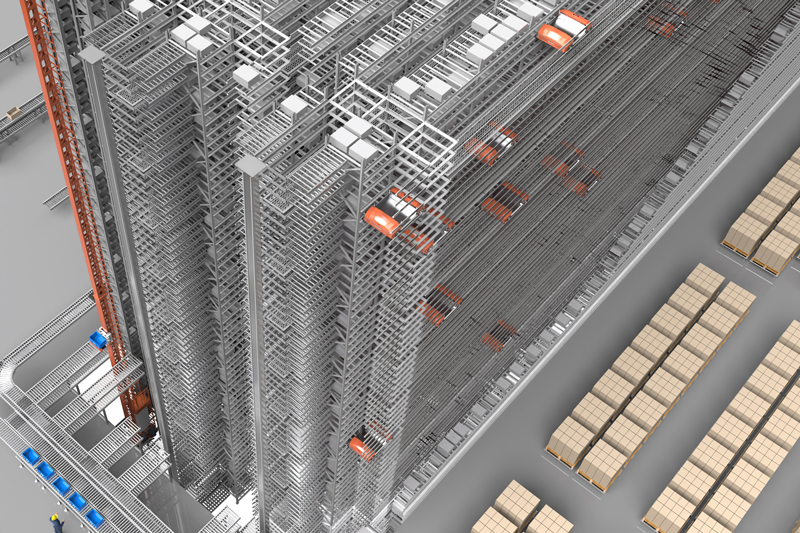
A Pallet Shuttle ASRS(Automated Storage And Retrieval System)changes this relationship between storage and access. Instead of leaving an aisle for a forklift to reach every pallet position, Shuttle Robots travel inside the racking system and handle pallet movements automatically.
That basic principle sounds simple. The engineering decisions behind it are not.
A cold store with several high-volume SKUs may need a very different shuttle system from a manufacturing warehouse where pallets frequently move between production and storage. Before choosing a Pallet Shuttle Asrs, it is worth understanding not only how the technology works, but what problem it is supposed to solve.
How Does a Pallet Shuttle ASRS Move a Pallet?
Consider one inbound pallet.
After receiving and identification, the pallet reaches the automated storage interface. WMS determines its storage destination according to the warehouse's predefined inventory and location rules. WCS then turns that requirement into equipment tasks.
From here, the physical journey depends on the system design.
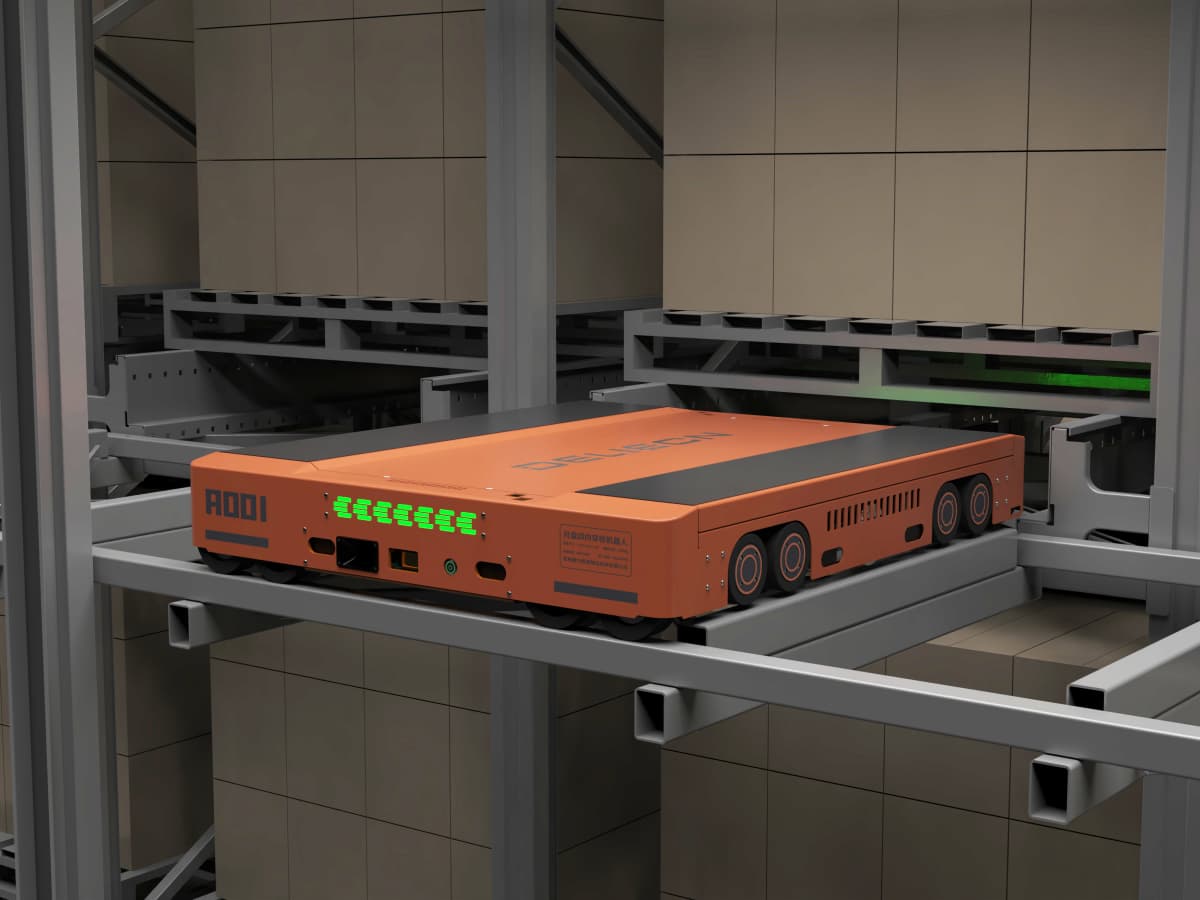
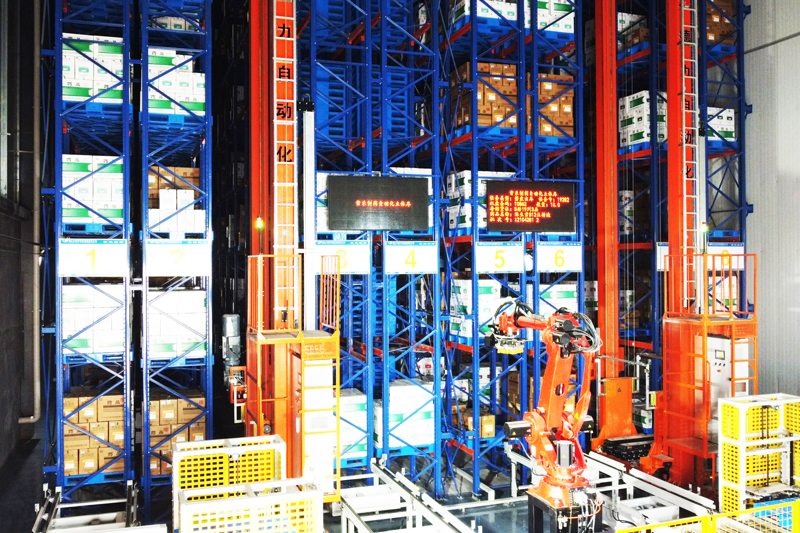
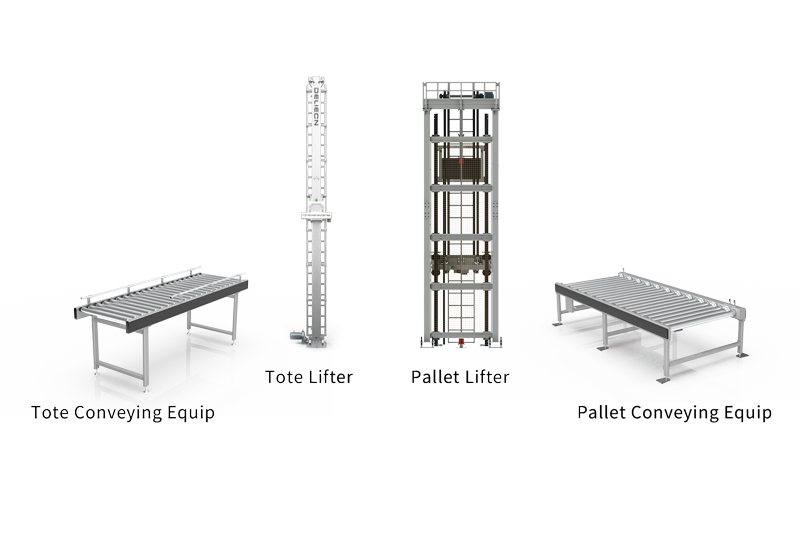
A Pallet Four-Way Shuttle Robot can travel longitudinally and laterally within the racking structure. When different levels are involved, a lifter transfers the shuttle or pallet vertically. Conveyors, AMRs or other handling equipment may connect the storage system with production, receiving or shipping areas.
A Pallet Two-Way Shuttle Robot follows a different logic. It travels along its assigned storage lane, making it particularly useful for deep-lane storage where pallets can be grouped according to SKU, batch or turnover characteristics.
When an outbound order arrives, the process works in reverse. The required pallet is identified, retrieved from its location and transferred through the relevant equipment to the outbound interface.
The important point is that the shuttle itself is only one part of the ASRS. Racking, lifters, conveyors, interfaces, WMS and WCS all influence how quickly a pallet completes the entire journey.
A shuttle capable of moving quickly inside a rack adds little value if pallets repeatedly wait for the next transfer point.
Why Do Companies Choose Shuttle Storage in the First Place?
For many customers, the discussion begins with space.
Selective pallet racking provides convenient access, but that access consumes floor area. Every forklift aisle is space that cannot hold inventory. This becomes particularly expensive in cold storage, high-cost industrial buildings or facilities where physical expansion is difficult.
Shuttle storage changes the calculation by moving pallet handling into the rack.
Deeper storage lanes and fewer access aisles allow more of the building volume to become productive storage space. But simply achieving the highest possible density is not necessarily the goal.
A lane filled with the wrong inventory can become inconvenient to operate. A very dense system designed without considering peak outbound demand can also create excellent storage figures on paper while struggling during busy periods.
This is why we normally look at pallets per SKU, inventory turnover, FIFO/FILO requirements, peak throughput and warehouse dimensions together before determining the shuttle layout.
The choice between two-way and four-way shuttle systems illustrates this well.
Two-Way or Four-Way Shuttle? The Warehouse Usually Gives the Answer
A two-way shuttle is well suited to deep storage lanes and relatively concentrated inventory. If a cold warehouse handles larger batches of the same SKU and the material flow is predictable, there may be little reason to pay for movement flexibility that the operation rarely uses.
Forklifts can also remain part of such a solution.
They may handle receiving and front-end transfer while two-way shuttles take over pallet movement inside deep storage lanes. For some cold stores, this hybrid approach concentrates automation where it produces the clearest return: inside the low-temperature, high-density storage area.
A four-way shuttle becomes interesting when the required movement is less linear.
Because the robot can change direction and move between storage lanes, the system can support more flexible pallet allocation and multi-shuttle operation. With lifters, the same architecture can also extend across storage levels.
DELIECN's Readly cold-storage project shows why this flexibility can matter.
The automated warehouse operates at -25°C and provides 3,484 pallet locations. Pallet Four-Way Shuttle Robots work with lifters, conveyors and WMS/WCS to automate pallet storage and retrieval. Compared with the customer's previous storage method, space utilization increased by approximately three times, while operational efficiency improved by more than 60% and inventory accuracy reached 99.99%.
Those figures are useful, but the design reasoning matters more.
In a refrigerated building, every square meter and cubic meter carries an operating cost. Reducing forklift aisles therefore does more than add pallet positions: it allows refrigeration and building investment to be distributed across more stored inventory. Automated pallet movement also reduces the need for people to repeatedly enter the -25°C storage area.
That is a very different business case from simply buying a faster robot.
A Pallet Shuttle ASRS Can Also Become Part of Production Logistics
Not every shuttle warehouse sits between receiving and shipping.
In manufacturing, pallets may need to move repeatedly between production lines, buffer areas and storage. Here, the value of four-way movement is often its ability to become part of a larger material-flow system.
The YFY smart warehousing project is a useful example.
The building conditions led to an “storage above, picking below” layout. On the first floor, 14 Pallet Latent AMRs provide flexible horizontal transfer. On the upper floors, 7 Pallet Four-Way Shuttle Robots and 4 lifters handle high-density pallet storage and vertical movement.
The project provides approximately 2,700 pallet locations, while the first-floor AMRs can support more than 3,000 pallet transfers per day at peak operation.
What matters here is the relationship between the technologies.
Putting fixed high-density storage everywhere would have reduced the flexibility required around the operating areas. Using mobile handling everywhere would not have exploited the upper-floor storage volume as effectively. The final architecture uses different technologies where their characteristics make sense.
That is an important lesson when evaluating a Pallet Shuttle ASRS: the shuttle system does not need to solve every movement in the warehouse.
What Should You Check Before Planning a Pallet Shuttle ASRS?
Customers often arrive with a target such as “we need 5,000 pallet locations.” That is useful, but it is not enough to design the system.
Two warehouses requiring 5,000 locations can need completely different equipment.
If one warehouse has a small number of SKUs with many pallets per SKU, deep-lane storage may be attractive. If another has far more SKUs, frequent access and constantly changing outbound demand, excessive lane depth may work against the operation.
Peak throughput also deserves more attention than average daily volume. A warehouse that ships most of its pallets during a two-hour window must be designed around that period, including shuttle robots, lifters, conveyors and outbound interfaces.
Building conditions matter just as much. Clear height, columns, fire zones, floor conditions and existing production routes can all change the practical layout.
This is why a Pallet Shuttle ASRS should normally be planned from the material flow backward—not from a robot specification forward.
What Makes a Good Pallet Shuttle ASRS?
The answer is not simply more storage locations or more shuttle robots.
A useful system has enough storage density to justify the investment, enough throughput for the busiest operating periods, and enough flexibility for the customer's actual inventory profile.
For one warehouse, that may mean deep lanes served by two-way shuttles and forklifts. For another, it may mean multiple four-way shuttles, lifters and automated front-end handling. A manufacturing project may require the shuttle ASRS to work with AMRs and production lines as one material-flow system.
The technology changes because the operation changes.
That is ultimately how a Pallet Shuttle ASRS should be understood: not as a robot running inside a rack, but as a storage method designed around how pallets actually need to move through the business.
FAQS
A Pallet Shuttle ASRS is an automated pallet storage and retrieval system that uses shuttle robots to move pallets inside high-density racking. Depending on the design, the system may also include lifters, conveyors, AMRs, WMS, and WCS to complete automatic inbound, storage, retrieval, and outbound operations.
A two-way shuttle mainly travels along a storage lane and is well suited to deep-lane storage, larger pallet quantities per SKU, and relatively stable material flows. A four-way shuttle can move both longitudinally and laterally, making it more suitable for warehouses that require flexible routing, multi-aisle operation, and more dynamic pallet allocation.
The system reduces the number of forklift aisles required inside the storage area and allows pallets to be stored in deeper, denser rack layouts. This helps convert more of the building footprint and height into usable storage capacity, which is especially valuable in cold storage or facilities where warehouse expansion is difficult.
Yes. Pallet shuttle systems are particularly valuable in cold warehouses because high-density storage helps make better use of refrigerated space and reduces the need for people and forklifts to enter low-temperature areas frequently. Equipment, batteries, sensors, and electrical components must, however, be designed for the required operating temperature.
Conclusion
A Pallet Shuttle ASRS creates value when storage density, pallet flow, throughput, and building conditions are considered together. Two-way shuttle systems can be highly effective for deep-lane storage with concentrated SKUs, while four-way shuttle systems offer greater routing flexibility for more dynamic operations. The right choice depends on how pallets actually move through the warehouse, not on which robot has the highest specification. Projects such as Readly and YFY also show that shuttle automation works best when racking, lifters, conveyors, AMRs, WMS, and WCS are planned as one operating system rather than as separate pieces of equipment.

 Industries
 Services
 About Us
 AS/RS Handling Robot
 Vertical Storage Module
 Conveying Equipment
 Smart Warehousing System
 Warehouse Racking