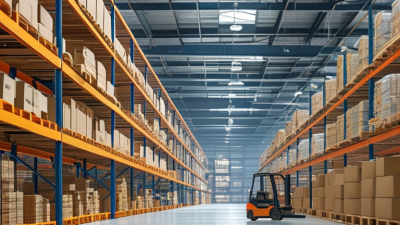
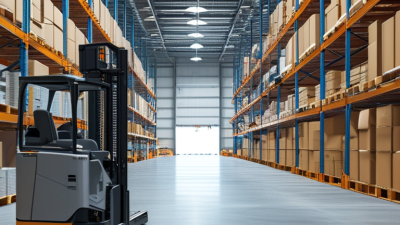
A warehouse holding 10,000 pallets of one finished product is one thing. A warehouse responsible for more than 10,000 different industrial materials is quite another.
In this project, the customer operates across coal mining, coal washing, coking, power generation and chemical production. The new materials distribution center therefore had to accommodate everything from mechanical parts and maintenance spares to long components, irregular items and small supplies.
Some could be palletized. Some could not. Some needed automated high-bay storage; putting others into the same rack would only make handling more awkward.
That was the starting point for the project.
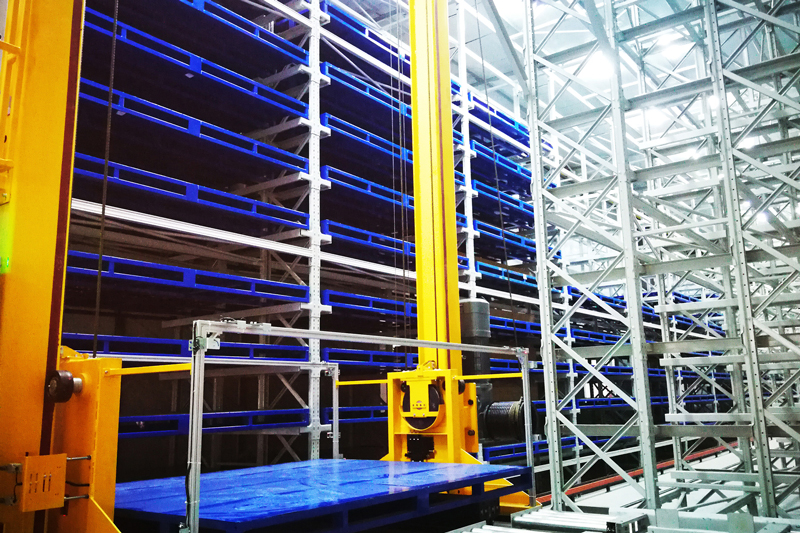
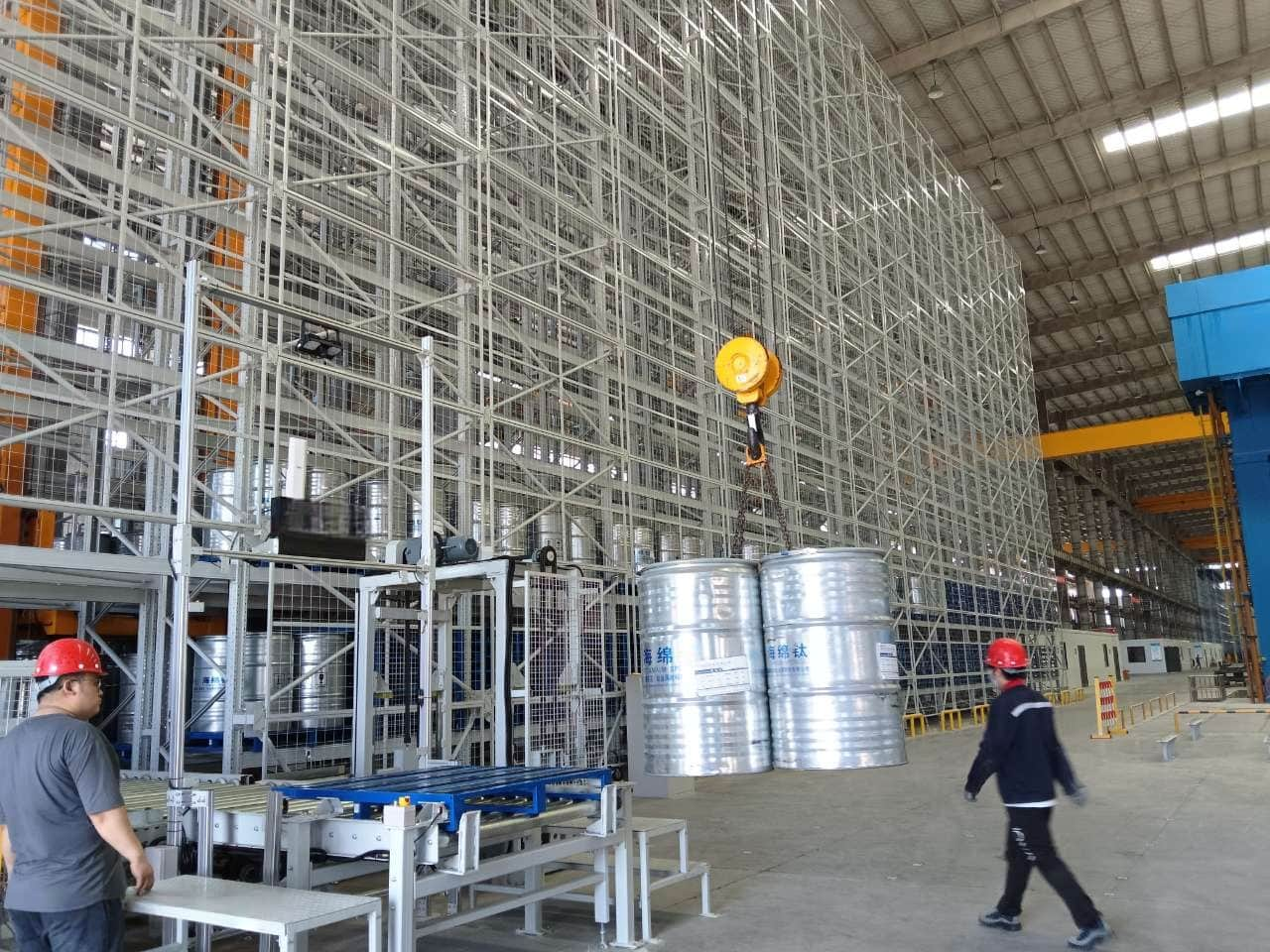
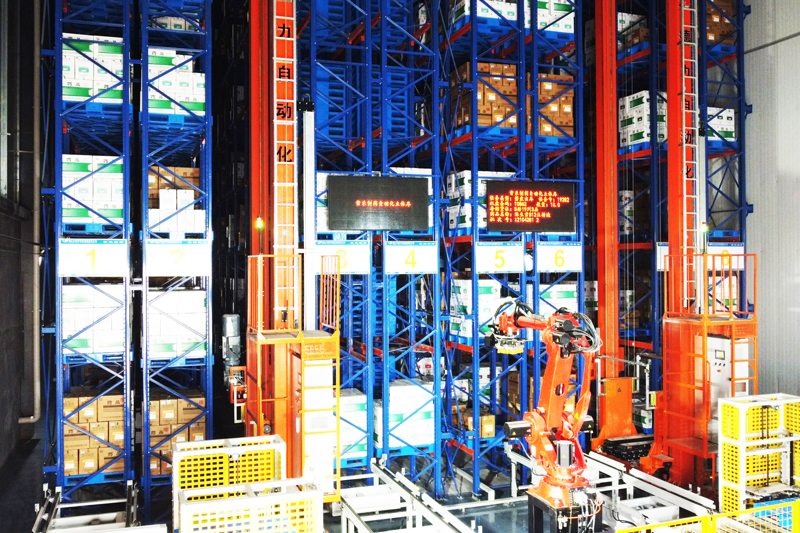
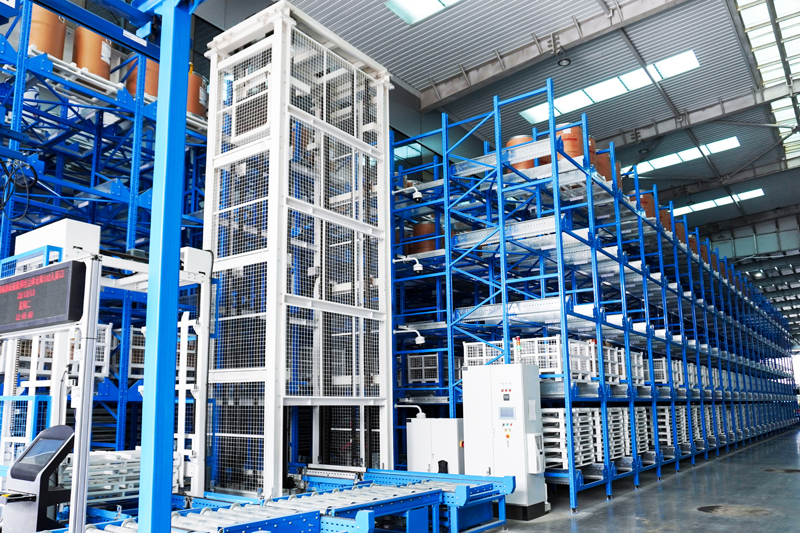
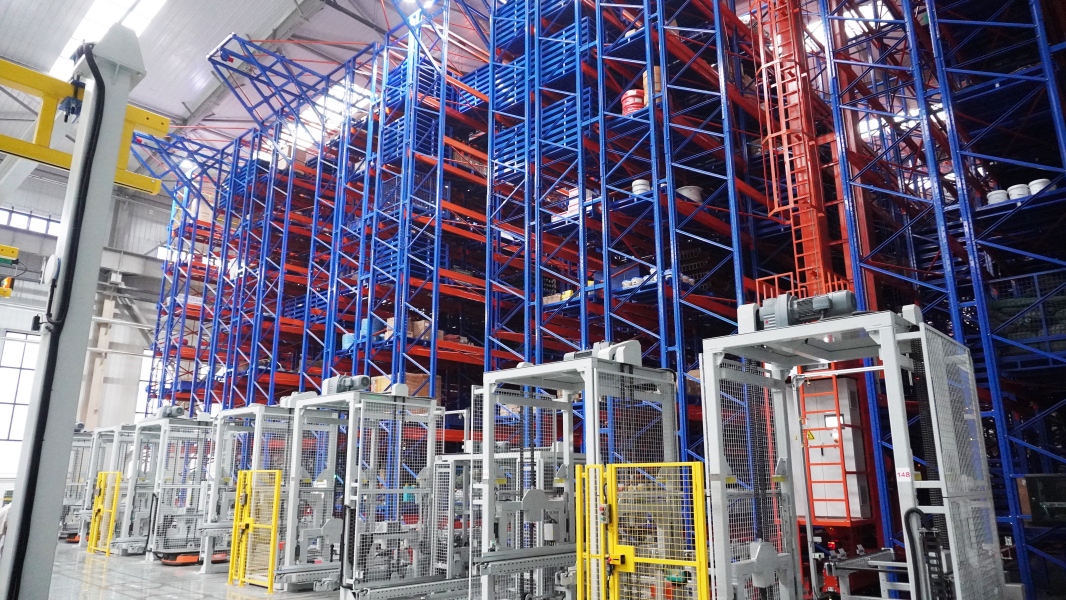
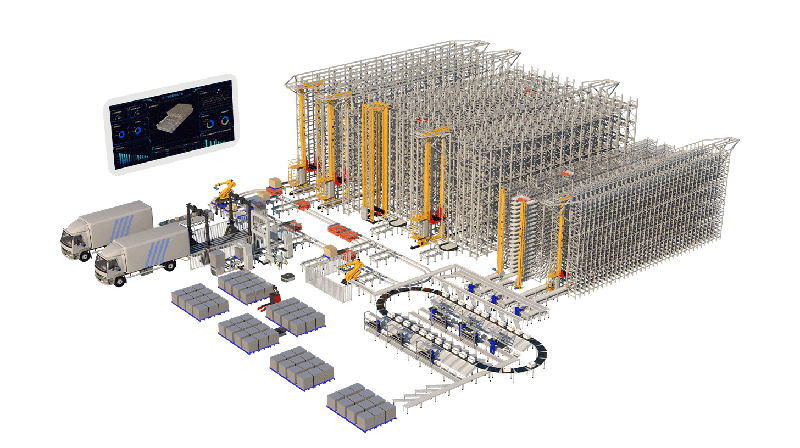
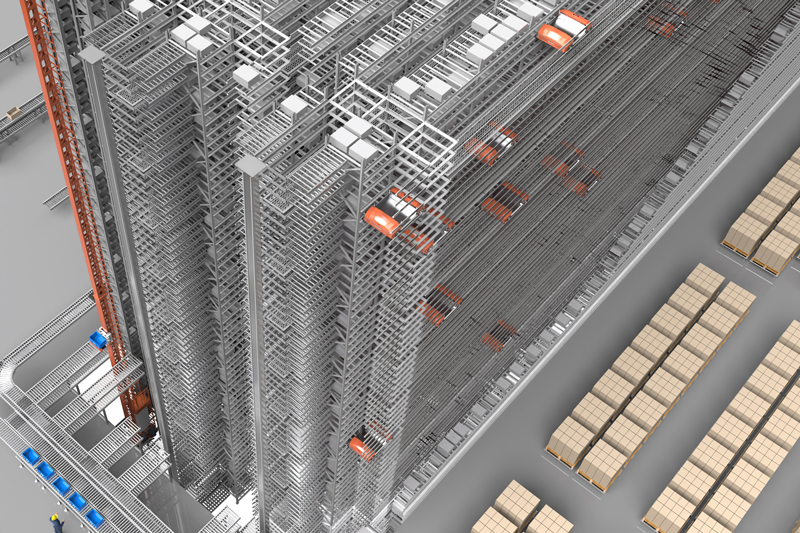
Instead of building one large ASRS and expecting every material to fit it, the warehouse was divided into several areas, including a Pallet Stacker Crane ASRS, irregular-material storage area, steel platform area and cantilever rack area. The automated high-bay section provides 3,745 effective storage locations.
The ASRS Was Only One Part of the Warehouse
The pallet ASRS handles materials that already have suitable dimensions and carriers for Automated Storage.
At inbound, materials are checked before entering the automated flow. AGVs then move qualified loads to the corresponding Stacker Crane aisle, and thePallet Stacker Crane completes the storage task.
Outbound runs in the opposite direction. WMS releases the task, WCS coordinates the equipment, and the required material is retrieved before being transferred toward the picking area.
This part of the warehouse is quite structured.
The rest of the inventory is not.
Long materials and non-standard components are better kept in dedicated storage areas. Cantilever racks provide a more sensible arrangement for long goods, while the steel platform handles materials that need another type of access.
That mix is important in an industrial materials center. A spare motor, a pipe and a box of maintenance parts may all belong to the same warehouse, but there is little reason for them to share the same storage equipment.
The project therefore uses automation where the material is suitable for it and keeps other storage forms where they make more operational sense.
Outbound Is Where the Different Areas Meet
One part of the project that deserves attention is the outbound process.
Industrial materials are normally being requested for production, maintenance or equipment repair. Once a task is released, finding the correct material is only the first step. It still has to be retrieved, transferred and prepared for the person who needs it.
For palletized materials, the Stacker Crane retrieves the load and AGVs continue the transfer toward the picking area. Long or heavy items can use KBK-assisted handling where direct manual handling would be inconvenient.
The system supports more than 80 pallets per hour of outbound operation. That figure comes from the complete flow rather than from one machine running at maximum speed.
A faster stacker crane would not solve much if the material then waited for transfer. Likewise, automating pallet transport does not remove the need for a practical way to handle an irregular or heavy item at the picking end.
The equipment was arranged around those handovers rather than treated as separate installations.
10,000+ Materials Cannot Be Managed by Location Memory
The physical zoning solves one side of the problem. The other side is knowing what is where.
With several storage areas and thousands of material specifications, inventory can no longer be managed simply by remembering a rack position or asking an experienced warehouse operator.
WMS records material and location information and manages inbound and outbound tasks. WCS handles equipment execution. The project also uses DELIECN's 3D Visualization Central Control System to show warehouse operation and equipment status centrally.
There is a practical reason for having these systems together.
A material request may involve a pallet in the ASRS today and an item in another storage zone tomorrow. To the user requesting the material, both still belong to the same warehouse.
The storage methods can be different; the inventory record cannot be fragmented in the same way.
A Warehouse Built Around the Materials, Not Around One Machine
The project increased space utilization by approximately 50%, while around 90% of material handling and storage operations are covered by the highly automated logistics network.
Those numbers are useful, but they are not what makes the project unusual.
What stands out is the range of materials being managed under one operation.
The Pallet Stacker Crane ASRS takes care of standardized medium and large loads. AGVs handle transfer around the automated flow. Long and irregular items remain in storage areas that suit their shape. Assisted handling is kept where the material itself makes it useful. WMS/WCS tie the tasks back together.
That approach is relevant well beyond the coal industry.
Mining groups, energy companies, chemical plants and heavy manufacturers often have the same issue: the warehouse supports maintenance and production with thousands of items that were never designed to look alike.
In that situation, a good automated warehouse does not need every item to use the same machine.
It needs each material to have a sensible place to go—and a clear way to find it when production asks for it.

 Industries
 Services
 About Us
 AS/RS Handling Robot
 Vertical Storage Module
 Conveying Equipment
 Smart Warehousing System
 Warehouse Racking