Leave Your Message

0%

Picking the right China ASRS supplier can really make a huge difference in how your warehouse performs over the long haul. It’s not just about the price upfront—this decision impacts storage efficiency, order turnaround times, labor planning, safety standards, and how easily you can scale up later on. Sure, a cheaper initial quote might seem tempting, but that savings could end up costing you a lot more down the road with unexpected problems.

Wain, the founder of DELIECN, hits the nail on the head when he says, “Automation should serve the warehouse’s real needs, not the other way around.” That’s a principle worth paying attention to. A good supplier won’t just sell you hardware; they’ll take the time to understand your products, pallet sizes, how often items move, ceiling height, your software setup, and busiest seasons. Don't just rely on slick brochures—visiting factories and talking to other clients with similar projects can tell you a lot more.

When you examine the proposed Asrs Rack design, look beyond the surface. Check its load capacity, steel quality, how tight the tolerances are, fire safety features, and how easy it is to access for maintenance. Be sure to ask if they can provide simulation data, offer installation supervision, train your staff, and supply spare parts quickly. Reliable suppliers are upfront about what they can and can’t do—they don’t promise perfection without knowing all the details about your site.

Experience counts, big time.

Ask for proof—case studies from warehouses that handle similar products and workflows. Review their acceptance standards, delivery history, how well they’ve integrated their systems, and how quickly they respond if stuff goes wrong after installation. Certifications can help, but they’re not everything. Practical, real-world evidence matters more.

And don’t forget to consider the full picture. Total costs include not just the purchase price, but also ongoing software updates, energy consumption, maintenance, potential downtime, and future expansion costs.

No supplier is perfect—being honest about that is important. Plus, your warehouse might evolve faster than you expect. So, the best China ASRS partner isn’t necessarily the cheapest or biggest name. It’s the one that listens carefully, tests assumptions, openly discusses risks, and helps you build a realistic plan to get from where you are now to where you want to go tomorrow.

软件1(1).png

What Is an ASRS and Why Does Supplier Selection Matter?

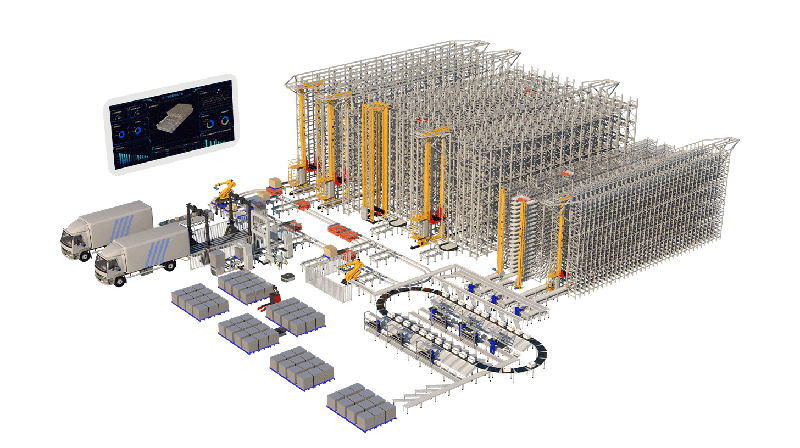
An ASRS, or Automated Storage And Retrieval System, moves, stores, and retrieves goods with limited manual handling. It may include storage racks, conveyors, software, and shuttle robots. In a busy warehouse, the system can place a pallet into a precise location within minutes. That sounds simple. It is not.

Supplier selection matters because every warehouse has different products, ceiling heights, workflows, and safety requirements. An experienced supplier should study inventory movement before suggesting equipment. Ask for load calculations,peak throughput, fire protection considerations, software integration details, and realistic performance data. A reliable team will also explain maintenance access and emergency procedures clearly. Promises alone are not evidence.

Site experience is valuable during installation and commissioning. Check whether the supplier has trained engineers, documented testing methods, and responsive after-sales support. Request references from operations similar to yours, not only impressive showcase projects. The cheapest quotation may exclude software updates, spare parts, operator training, or future expansion. That gap can become expensive.

Think beyond the first delivery. A strong supplier helps operators understand alarms, manual recovery, and daily inspections. The interface should be practical for real workers, including those new to automation. No project is perfect. Dust, uneven pallets, and changing order volumes can expose weak planning. A careful supplier identifies these risks early and adjusts the design. That honesty is often more valuable than a polished sales presentation.

Key Types of ASRS Solutions Available from Chinese Suppliers

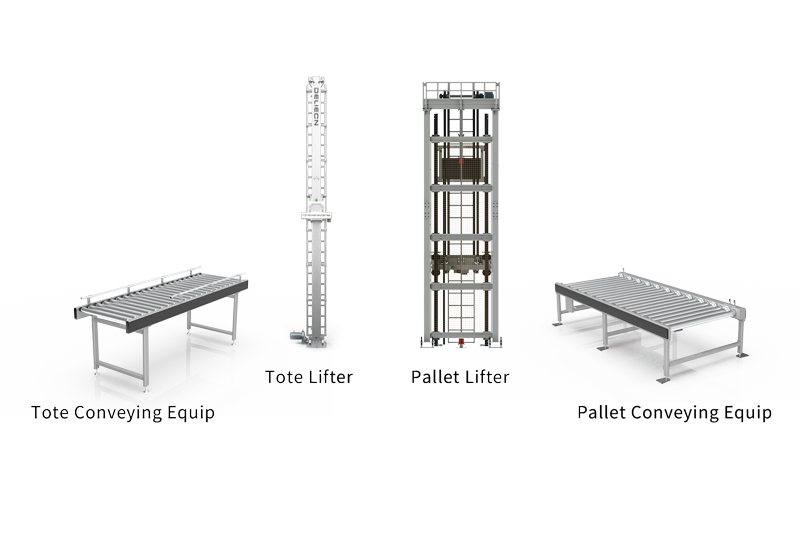
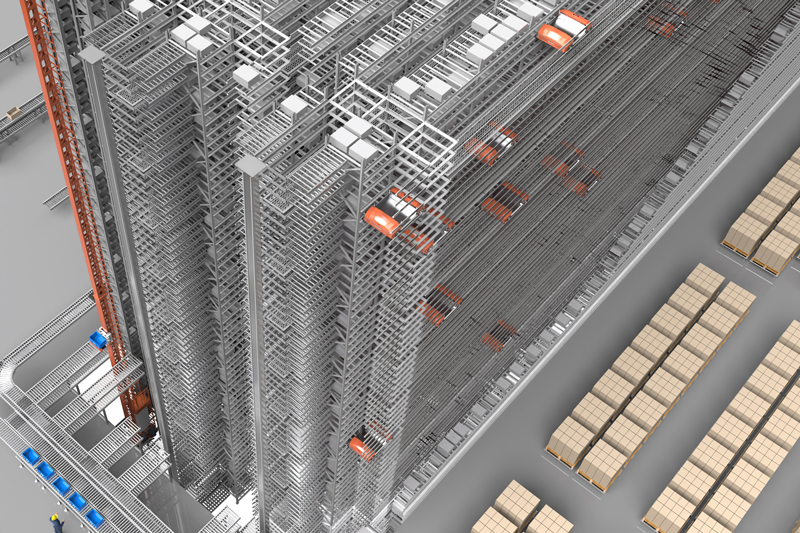
Chinese ASRS suppliers offer several solution types, and each fits a different warehouse rhythm. Pallet ASRS suits dense storage for finished goods, raw materials, and heavy pallets. Mini-load systems handle totes or cartons with many stock-keeping units. Shuttle ASRS can improve access speed when order profiles change frequentlyRobotic storage systems may combine mobile robots with shelving and workstations.

The choice should begin with data, not a catalogue. Measure pallet dimensions, daily receipts, peak orders, SKU turnover, and required retrieval time. MHI’s 2026 Annual Industry Report found that 55% of respondents expected increased supply-chain technology investment in 2026. That pressure makes measurable productivity important. Ask Chinese suppliers for throughput tests, software demonstrations, maintenance response times, and safety documentation. Check whether the warehouse management system can exchange reliable inventory data. A fast machine with weak software still creates delays.

I prefer pilot testing before full deployment. Small errors become expensive at scale. A realistic test should include mixed cartons, replenishment peaks, barcode exceptions, and power recovery. Interact Analysis has reported continued growth in warehouse automation demand, driven by labor shortages and e-commerce complexity. Yet forecasts are not guarantees. Your own order history matters more. Review local installation skills, spare-parts availability, training quality, and acceptance criteria before signing. Fancy automation can disappoint. Simple automation can win.

How to Evaluate an ASRS Supplier’s Technology and Experience

Price isn't the hard part. Neither are the warehouse photos — every supplier has a good one.

The hard part is working out who has actually done your version of the job before.

Start with engineering history, and be specific. Similar pallet weights? Similar aisle widths? The same operating temperature? A supplier who has only ever built ambient warehouses will tell you -25°C is fine. That isn't the same thing as having done it.

Ask for project data you can check. A signed commissioning record, a throughput log from a running site — not a brochure number.

Then get them talking about the machine itself. The useful questions are boring ones:

  • What's the crane positioning accuracy under a full load, not an empty one?
  • How fast does the conveyor actually run once pallets start queuing?
  • What happens when a barcode can't be read — does the whole lane stop?
  • How long between a WMS task being issued and the first piece of equipment moving?

Then the part people skip: maintenance access, spares, emergency procedure, operator training. Ask how long it takes to get a failed unit out of the rack. If the answer opens with "it depends," you've found your first negotiation point.

Site visits settle arguments that datasheets can't. Stand in one and listen. Watch a pallet land — is it aligned? Ask what happened the last time a forecast was wrong, and whether anybody wrote it down.

Every supplier gets forecasts wrong sometimes. The ones worth hiring admit it, and can show you what they changed afterwards.

A low quote rarely stays low. Integration work, software updates, year-three service — that's where the number grows. Put everything on one sheet, and let evidence beat confidence.

Which Quality, Safety, and Compliance Standards Should Be Checked?

Certificates are cheap to print. Processes aren't.
ISO 9001 tells you a quality system exists. It doesn't tell you whether anyone follows it on a Friday afternoon. What does: component traceability that leads back to a serial number, inspection records with an engineer's name on them, and factory acceptance testing performed the same way on every machine.
The International Federation of Robotics counted 541,302 industrial robot installations worldwide in 2023. Volume on that scale rewards disciplined engineering. It also punishes shortcuts — just more slowly, usually after handover.
Safety is where I'd slow the conversation down. A documented risk assessment first, then the specifics: guarding, e-stop behaviour, safe access during maintenance, load protection, and — the one people forget — what the system does when power drops mid-cycle.
A missing document is rarely just a missing document. Ask why it's missing and you'll usually find the process gap underneath.
On a factory visit, skip the demo. Ask for a full cycle with a jam thrown in, then a manual recovery — and time it.
Request FAT and SAT plans before signing, not after. MHI's 2024 research found 91% of supply chain leaders increasing technology investment, but money spent isn't return earned. Execution decides that part.
A polished demonstration is easy to build. A system that recovers badly is easy to hide. So ask the uncomfortable questions, and go look at the weak points on purpose.

How to Compare ASRS Costs, Customization, and Delivery Capabilities

Choosing the best Asrs Systems supplier requires more than comparing the lowest quotation. Grand View Research estimated the global ASRS market at about USD 8.7 billion in 2023, showing strong demand for reliable automation. However, the equipment price is only one part of the investment. Ask suppliers to separate hardware, software, installation, training, maintenance, and energy costs. Price is not total cost. A realistic comparison should include throughput, storage density, labor savings, and the expected payback period.

Customization should match your actual operation, not an attractive sales presentation. Check pallet sizes, carton weight, temperature conditions, fire protection, barcode rules, and integration with your warehouse software. MHI’s 2024 Annual Industry Report identifies robotics and automation as major supply-chain investment priorities. That trend increases choice, but also increases the risk of buying unnecessary functions. Request a live simulation using your order history. Test the exception cases. A spreadsheet can still mislead.

Delivery capability deserves equal attention. Interact Analysis has reported continuing growth in warehouse automation demand, which may pressure component availability and installation schedules. Require a milestone plan covering design approval, factory testing, shipping, commissioning, and operator training. Ask for spare-part locations and response times in writing. From practical project reviews, delayed software integration often causes more disruption than delayed machinery. I would also challenge optimistic capacity figures. No estimate is perfect. A dependable supplier explains assumptions, documents risks, and accepts measurable performance tests before final payment.

Top China ASRS Supplier: How to Choose the Best One? — How to Compare ASRS Costs, Customization, and Delivery Capabilities
Evaluation Dimension Typical Market Benchmark What a Strong Supplier Should Offer Evidence to Request Recommended Comparison Weight
Initial ASRS Investment Published price ranges for these systems vary widely because they depend on scale. A shuttle AS/RS quoted at USD 2.5 million and one quoted at USD 5.5 million are usually not the same warehouse — the difference is pallet positions, vehicle count, lifter capacity and how much software scope is included. Ask any supplier to state, next to their number: how many pallet positions, how many shuttles and lifters, whether racking is included, and which interfaces are billed separately. A transparent quotation separating storage equipment, conveyors, control software, installation, testing, training, taxes, freight, and optional items. Itemized quotation, equipment list, layout drawing, exclusions, payment schedule, and validity period. 20%
Total Cost of Ownership Annual maintenance and service commonly account for about 2%–6% of equipment value, excluding major upgrades, spare parts, utilities, and labor. A five- to ten-year operating-cost model covering preventive maintenance, spare parts, software support, energy use, training, and future expansion. Service-price list, spare-parts list, response-time policy, software renewal terms, and lifecycle cost calculation. 15%
Storage Capacity Capacity depends on building height, aisle width, load dimensions, fire-code requirements, and required access density. High-bay pallet systems commonly use 7–45 m of storage height. A validated capacity calculation based on actual SKU dimensions, inventory profile, pallet quality, turnover rate, and usable building volume. Capacity simulation, storage-density calculation, SKU data assumptions, and fire-safety review. 10%
Throughput Performance Typical system performance varies widely: pallet cranes may handle approximately 20–60 pallet movements per hour per crane; tote and shuttle systems depend on workstations, lifters, and order profiles. Guaranteed inbound, outbound, and peak-hour throughput, including replenishment, picking, buffering, and exception handling. Throughput simulation, acceptance-test procedure, cycle-time assumptions, and performance guarantees. 15%
Load and Product Compatibility Pallet ASRS commonly supports loads from about 500 kg to 2,000 kg per storage position; tote systems often support approximately 20–100 kg per tote, depending on equipment design. Compatibility with actual pallet condition, load center, dimensions, packaging stability, temperature range, and special handling requirements. Load test records, tolerance requirements, sample-product trials, and approved pallet or container specifications. 8%
Customization Capability Customization may include rack geometry, conveyor routing, lifts, cranes, shuttles, workstations, temperature control, clean-room requirements, and unusual load dimensions. In-house mechanical, electrical, software, and project-engineering resources with documented change-control procedures. Similar project layouts, engineering organization chart, design-review process, and change-order examples. 10%
Software and System Integration Common integration interfaces include REST API, database exchange, web services, message queues, barcode systems, warehouse management systems, and enterprise resource planning systems. A documented interface specification, clear data ownership, alarm management, user permissions, traceability, cybersecurity controls, and offline recovery procedures. Interface control document, sample message formats, cybersecurity checklist, demo environment, and integration test plan. 8%
Manufacturing and Delivery Lead Time A standard ASRS project commonly requires approximately 4–9 months from approved design to commissioning; complex or highly customized projects may require 9–15 months. A milestone-based schedule covering design approval, procurement, fabrication, factory testing, shipping, installation, software integration, commissioning, and site acceptance. Detailed project schedule, production capacity statement, factory-test date, shipping plan, installation manpower plan, and delay-remedy terms. 7%
Factory Acceptance Testing FAT should verify mechanical operation, controls, safety circuits, barcode or RFID handling, error recovery, software interfaces, and representative throughput before shipment. A jointly approved FAT protocol with measurable pass/fail criteria and documented corrective-action closure. FAT checklist, video records, test data, punch-list process, and shipment release conditions. 5%
Installation and Commissioning Installation duration is project-specific and depends on system size, building readiness, local regulations, and the number of equipment zones. An experienced site team, clear civil-work requirements, installation method statement, safety plan, commissioning procedure, and operator training. Site-readiness checklist, installation schedule, safety certifications, training plan, and site-acceptance criteria. 5%
Reliability and Maintainability Reliability should be evaluated using availability, mean time between failures, mean time to repair, recovery procedures, and access to critical spare parts rather than equipment price alone. Defined availability target, preventive-maintenance schedule, remote diagnostics, modular components, local or regional service coverage, and critical-spares strategy. Reference performance data, maintenance manuals, spare-parts lead times, service-level agreement, and support escalation chart. 7%
Safety and Compliance The system should comply with applicable local machinery, electrical, fire, occupational-safety, and building regulations, together with recognized risk-assessment practices. Formal risk assessment, guarding, emergency stops, interlocks, safe access, load-protection measures, safety documentation, and support for local inspections. Risk assessment, safety circuit drawings, conformity documents, inspection records, and compliance responsibility matrix. 5%
Warranty and After-Sales Support Commercial warranties commonly cover approximately 12–24 months from commissioning or shipment, subject to contract terms and exclusions. Clear warranty scope, defined response and restoration times, remote support, technician availability, software updates, and long-term parts support. Warranty certificate, service-level agreement, support-hours policy, spare-parts commitment, and escalation contacts. 5%
Benchmark note: Cost, capacity, throughput, lead time, and warranty figures are indicative industry ranges for preliminary supplier comparison. Final values must be confirmed through a site survey, approved technical specifications, simulation, and a binding commercial quotation.

What After-Sales Services Should the Best Supplier Provide?

For an ASRS Storage project, the sale ends when daily operations begin. A strong supplier provides structured after-sales support from day one. The contract should define response times, maintenance duties, and escalation contacts. Critical faults may require remote support within one hour. On-site assistance should follow within an agreed period. Ask for measurable service levels, not vague promises. This protects warehouse continuity.

Remote diagnostics can identify sensor errors, software alarms, and conveyor interruptions quickly. Technicians should explain the fault in clear language. They should also record the repair and recommended action. Spare parts planning matters as well. 

Operator training should cover safe recovery, routine checks, and emergency procedures. Refresher training is useful after software updates or staff changes. The supplier should provide manuals, and updated system drawings. Regular inspections can reveal unusual noise,  or slowing motors before failure occurs. No service plan is perfect. Warehouse conditions change, and early assumptions may prove wrong. Reliable suppliers review performance data, accept feedback, and adjust maintenance schedules instead of defending an outdated plan.

FAQS

What is an ASRS?

An ASRS is an automated storage and retrieval system. It stores and moves goods with limited manual handling. It may use racks, conveyors, software, and automated cranes.

Why does supplier selection matter?

Warehouses differ in products, ceiling height, workflows, and safety needs. A capable supplier studies these details before recommending equipment. Promises alone are not evidence.

What should I ask about system performance?

Request realistic throughput figures, load calculations, and storage-density estimates. Ask suppliers to explain their assumptions. Test performance with your actual order history.

Which costs should an ASRS quotation include?

Ask for separate prices for hardware, software, installation, training, maintenance, spare parts, and energy. The equipment price is only one part of the investment.

How can I evaluate customization?

Check pallet sizes, carton weights, temperature conditions, barcode rules, and software integration. A live simulation can reveal problems that a spreadsheet misses.

What delivery details should a supplier provide?

Require milestones for design approval, factory testing, shipping, commissioning, and operator training. Confirm spare-part locations and written response times. Delays happen.

What support should operators receive?

Operators should learn alarm handling, manual recovery, and daily inspections. The interface should feel practical for new users. Training cannot be an afterthought.

How can I check a supplier’s real experience?

Request references from warehouses with similar products and workflows. Check trained engineers, testing documents, and after-sales responsiveness. Impressive showcase projects may not match your needs.

What risks can affect ASRS performance?

Dust, uneven pallets, changing order volumes, and weak software integration can reduce performance. Ask the supplier to identify these risks early. Some planning will still be imperfect.

Is the cheapest quotation the best choice?

Not always. A low quote may exclude updates, spare parts, training, or future expansion. Compare total cost, expected savings, payback, and measurable performance before deciding.

Conclusion

Choosing the right China ASRS Supplier is essential for building a reliable, efficient, and scalable automated storage and retrieval system. An ASRS can improve space utilization, inventory accuracy, warehouse productivity, and operational safety, but its performance depends greatly on the supplier’s expertise. Buyers should compare available solutions, including pallet, tote, mini-load, shuttle, and vertical systems, according to storage capacity, product characteristics, throughput, and facility layout.

A qualified supplier should demonstrate proven technology, relevant project experience, strong engineering capabilities, and effective software integration. It is also important to verify manufacturing quality, safety design, testing procedures, and compliance with applicable industry standards. Cost should be evaluated together with customization, installation, delivery schedules, energy efficiency, and long-term operating value rather than price alone. Finally, the best supplier should provide professional project management, commissioning, operator training, spare parts, remote support, maintenance, and timely after-sales service to ensure stable performance throughout the system’s lifecycle.

Ethan

Ethan

Ethan is a seasoned marketing professional specializing in logistics automation and intralogistics solutions. With a profound understanding of advanced robotics technologies and end-to-end automation systems, he plays a key role in connecting clients with the innovative solutions that enhance......
Previous What Is the Best Four Way Shuttle System in 2026?