Industries Smart Warehousing Solutions Tailored To Your Industry
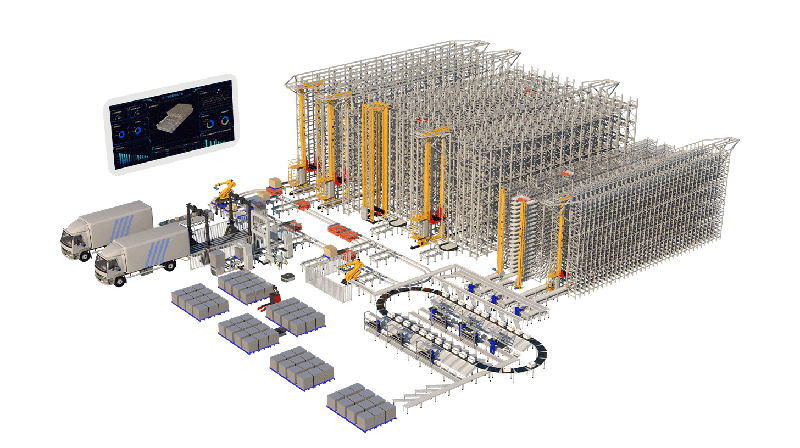
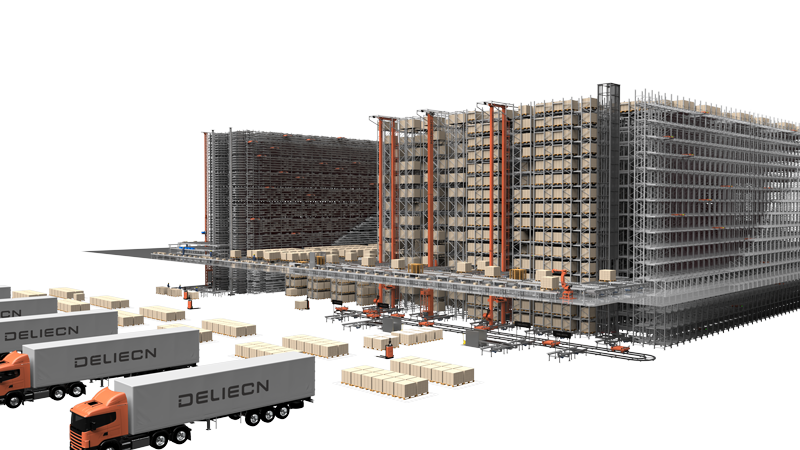
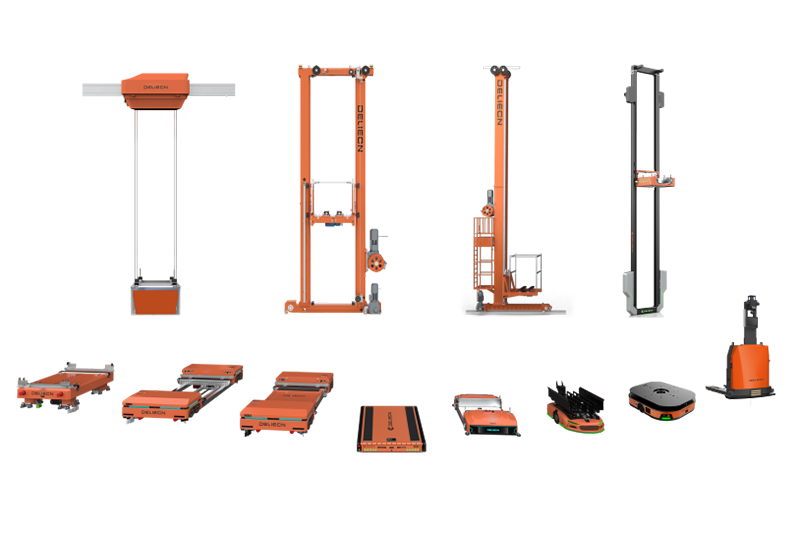
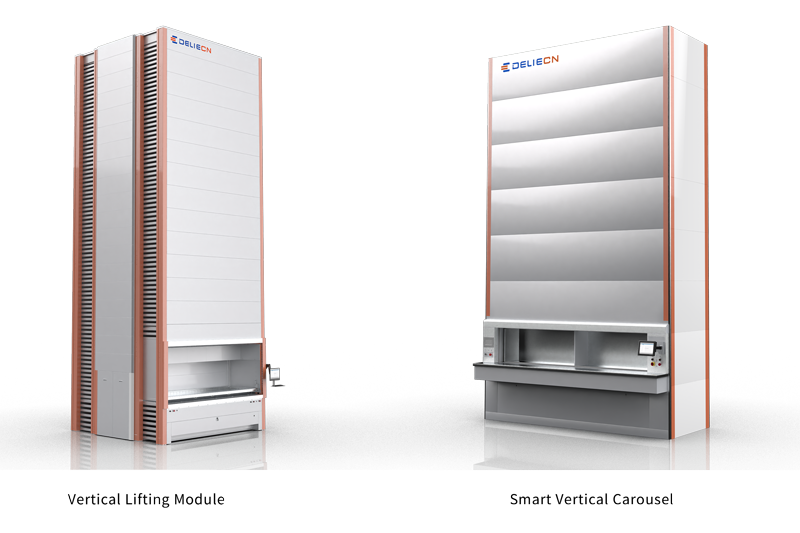
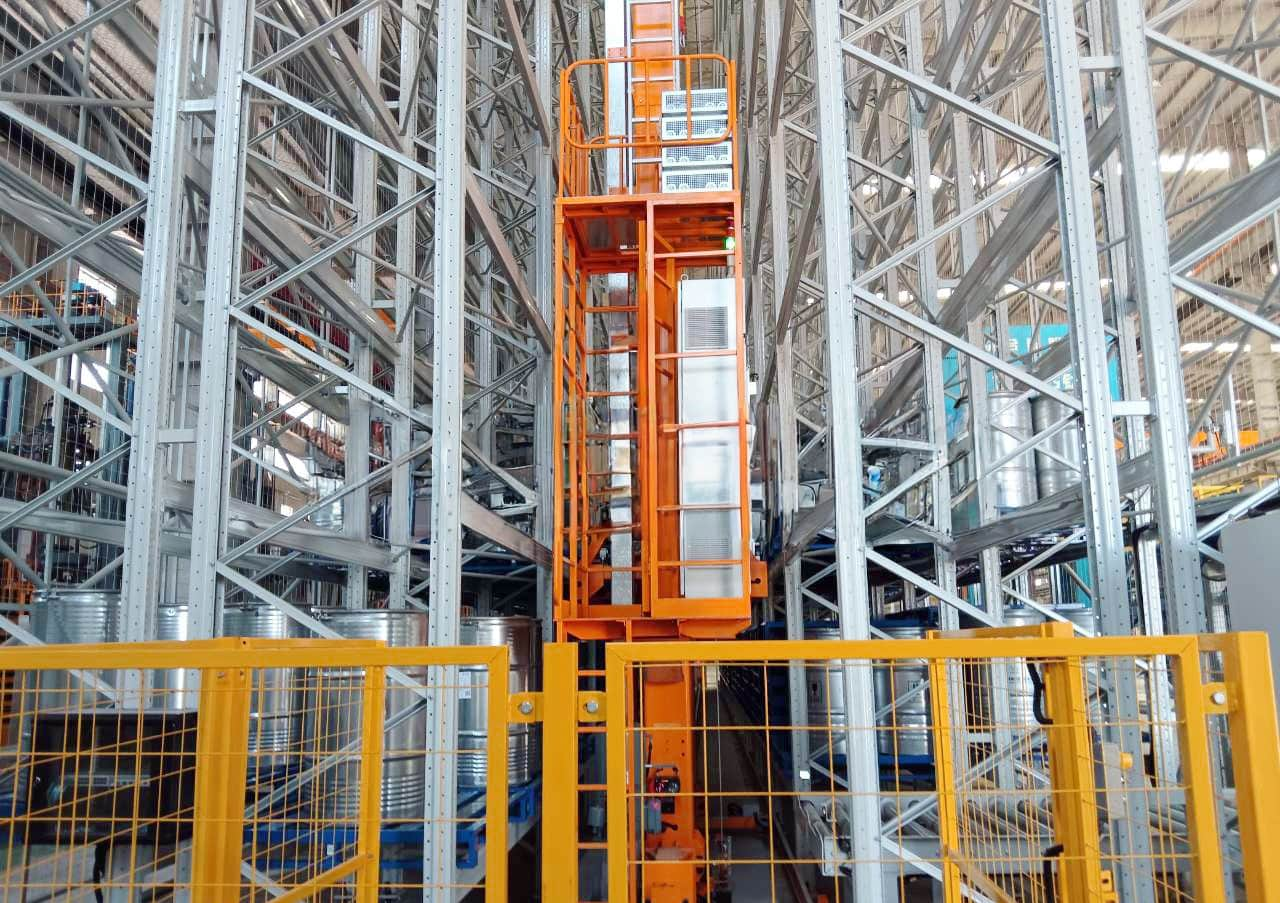
With a comprehensive range of intralogistics, products, DELlECN helps you build efficient and Fully Automated Warehouse operations.
Services Maximizing the Value of Your Logistics
At DELIECN, service goes beyond product delivery. We provide consulting, planning, design, manufacturing, installation, commissioning, and after-sales support throughout the entire lifecycle.
About Us Efficient and Flexible Automated Warehousing Solutions
DELIECN supports clients across food and beverage, new energy, chemicals, pharmaceuticals, e-commerce, precision manufacturing, textiles, and energy industries with intelligent warehousing systems tailored to their goals and requirements.

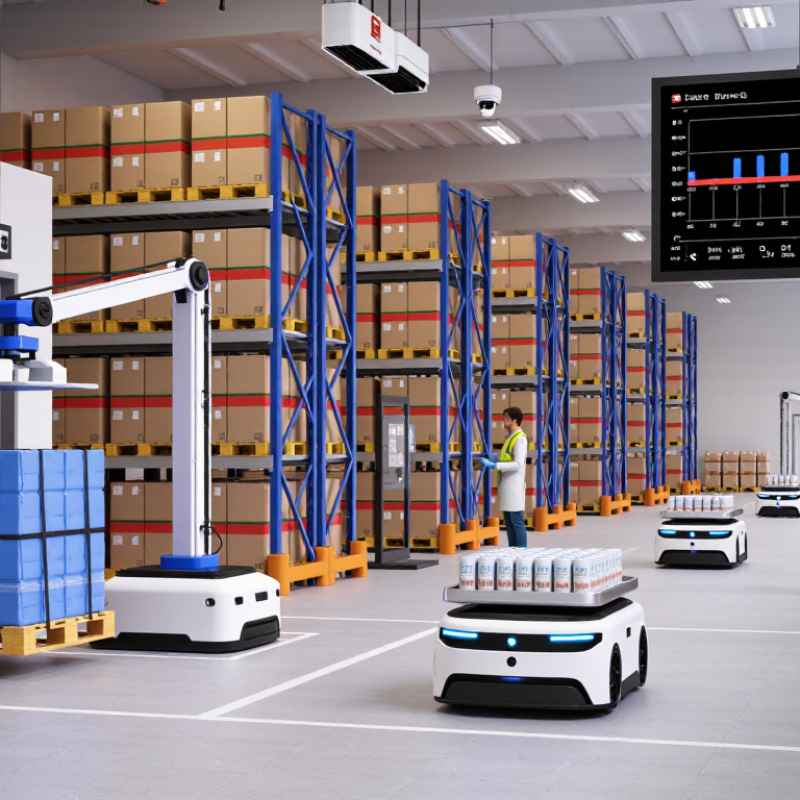
When we talk about pharmaceutical Warehouse Automation, it’s not just about slapping in some robots and calling it a day. Nope, it’s really about rethinking how medicines are received, stored, picked out, checked, and shipped off. In a real facility, those little details actually matter—like whether a pallet arrives at just the right temperature-controlled dock, or if a barcode gets scanned into inventory correctly, or if an order gets paused because the location data doesn’t match up. Every handoff needs to be clear and reliable, otherwise things can get messy pretty quick.
And here’s the thing—interest in this stuff is definitely growing. According to MHI’s 2024 Annual Industry Report, more than half of supply chain pros (55%, to be exact) said they’re planning to boost their investments in supply chain tech. While that number isn’t specifically about pharma warehouses, it definitely shows that folks are becoming more interested in digital tools and automation. Supply-chain expert Martin Christopher summed it up pretty well when he said, “Competition isn’t really between companies anymore; it’s between supply chains.” For those working in pharma, staying ahead depends on having accurate inventory records, traceable movements, and dependable order fulfillment—speed isn’t everything.
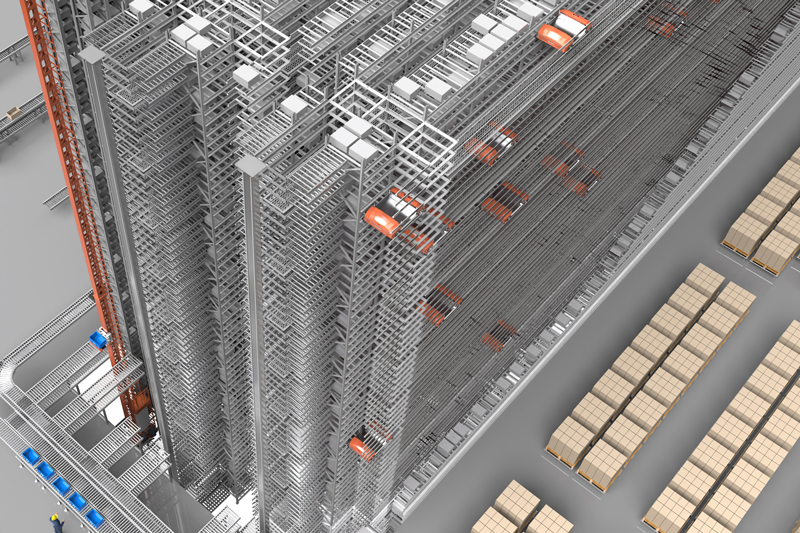
This guide’s here to help you figure out how to evaluate your current setup, pick the right automation tools, and connect them seamlessly with your warehouse management systems. You might consider options like Automated Storage And Retrieval Systems, autonomous mobile robots, machine vision systems, or electronic tracking. The best mix varies depending on what kinds of products you’re handling, how much you ship, the layout of your warehouse, and your existing workflows. But hey—automation isn’t some magic fix. If your data’s messy or your processes aren’t clear, speeding things up just means mistakes happen faster. A good plan starts small: set some clear, measurable goals, get input from your team, run a pilot project, and then see if your accuracy, throughput, and handling of exceptions actually improve.
Basically, success comes from careful planning, keeping things flexible, and making sure tech solutions match your real needs—not just jumping in headfirst.
Before choosing automation, map the warehouse’s actual work: product types, batch and expiry tracking, storage temperatures, daily order volume, and quarantine flows. Measure aisle widths, dock congestion, backup power, and temperature variations near doors. A system that fits a drawing may fail when a chilled pallet blocks a busy turning point. MHI and Deloitte’s 2024 Annual Industry Report found that 55% of surveyed supply-chain organizations planned to adopt robotics and automation within five years. This is a broad industry benchmark, not a pharmaceutical-specific target.
Translate each market’s applicable GDP and GMP requirements into system specifications. Where regulated records are created or maintained electronically, assess whether rules such as EU GMP Annex 11 or US 21 CFR Part 11 apply. Define access permissions, audit trails, time-stamped records, sensor calibration, and procedures for temperature excursions before installation. Validate the intended workflows, not just the equipment: receiving, put-away, picking, and recovery after a network or power failure. A polished dashboard cannot compensate for incomplete product-location records. That risk is easy to underestimate.
Tips: Walk the floor during a peak shift. Check the warmest and coldest storage points. Test exception handling with real staff before go-live. Keep the assessment specific to your products and jurisdiction; a generic checklist may miss a critical local requirement.
Before choosing equipment, map how materials actually move through the warehouse. Follow a shipment from receiving dock to inspection, storage, picking, and dispatch. Record handoffs, waiting time, travel distance, and environmental conditions at each step. A floor plan with marked routes can reveal where carts cross pedestrian aisles or temperature-sensitive goods wait near open doors. Start with observation.
Separate routine flows from exceptions. Quarantined stock, damaged cartons, urgent orders, and replenishment tasks may follow different routes. Note who authorizes each move and how inventory records are updated. A process map should match real work, not an idealized version of it. Our first map is often incomplete; shift changes and seasonal peaks can expose missing steps.
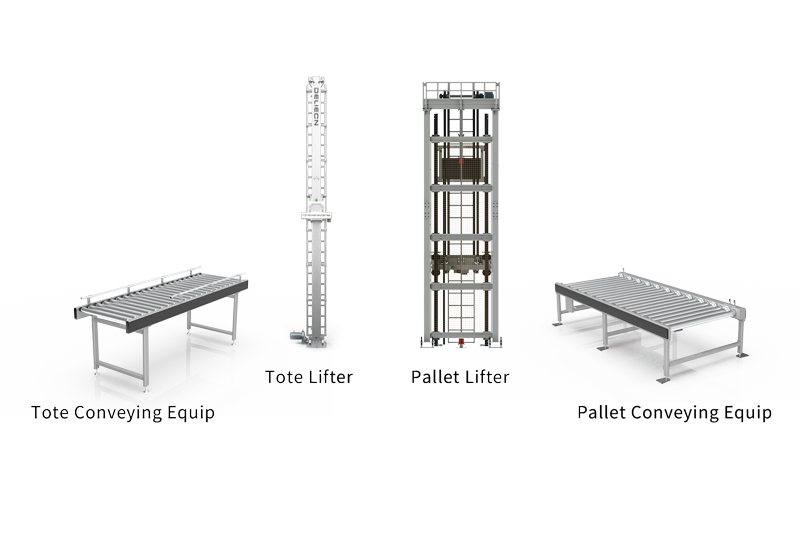
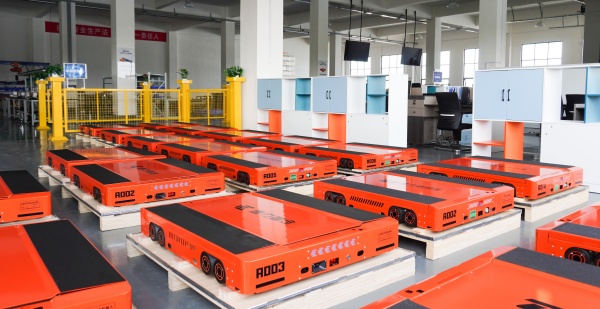
Set objectives only after identifying these bottlenecks. Define measurable targets, such as reducing travel distance, limiting manual touches, or improving order accuracy, while protecting traceability and storage conditions. Agv Warehouse Automation may help with repeatable transport between fixed points, but it cannot resolve unclear priorities or poorly designed aisles. Test proposed routes with operators, including exception scenarios. Keep a record of assumptions, then revisit them using operating data. Some targets may need adjustment once real-world constraints appear.
Pharmaceutical warehouse automation starts with the product, not the robot. Map each item’s storage range, light sensitivity, expiry rules, and order profile. WHO’s Technical Report Series 961, Annex 9, provides guidance for storing and transporting time- and temperature-sensitive pharmaceutical products. Use it to inform cold-zone design, monitoring, and excursion procedures. Choose pallet racking or high-density shelving only after checking airflow, access, and replenishment frequency. Small details matter. A blocked return-air vent can compromise an otherwise well-designed cold room.
For picking, combine barcode verification with a warehouse management system that checks lot, expiry, and product status. Add goods-to-person equipment only where order volume and repeated travel justify it. The Automation Warehouse System should keep auditable event records and support safe manual recovery when equipment fails. Select conveyors, mobile robots, or temperature-controlled carts according to route length, payload, door thresholds, and cleaning needs. MHI’s 2023 Annual Industry Report found that 87% of surveyed supply-chain leaders expected to increase investment in supply-chain innovation over the following two years. This is broad-sector evidence, not a pharmaceutical benchmark. Pilot one zone and track picking accuracy, temperature excursions, dwell time, and downtime. I would not automate every awkward exception; those exceptions can reveal a process that needs fixing first.
A pharmaceutical warehouse works best when automation shares live information with inventory and quality systems. At receiving, a scanner can capture the product code, lot number, expiry date, and storage conditions. The warehouse system should compare these details with the purchase record, then check quality status before directing stock to a rack. A quarantined pallet must not appear as available for picking. Small errors matter. One mistyped lot number can distort stock counts and complicate a later investigation.
MHI and Deloitte’s 2024 Annual Industry Report found that 55% of surveyed supply-chain professionals were increasing investment in technology and innovation.
That figure signals growing interest, not guaranteed results. Integration needs clear rules: quality systems should send release or hold decisions promptly, while inventory records preserve lot-level movements and audit trails. FDA guidance on data integrity also emphasizes reliable, accurate records. Make exceptions visible. A temperature alert, for example, should pause movement and create a review task, not disappear into a dashboard. Manual overrides may still be necessary, and they deserve scrutiny; automation does not make weak procedures reliable. Test interfaces with delayed messages and duplicate scans before launch. They happen.
Automating a pharmaceutical warehouse starts with evidence, not speed. Validate that conveyors, scanners, temperature probes, and Warehouse Automation Robots perform consistently under normal and failure conditions. Test a blocked lane, a missed barcode, and a temperature alarm. Record acceptance criteria, calibration status, test results, and corrective actions. A pilot may look clean while hiding awkward exceptions; review those closely.
MHI’s 2024 Annual Industry Report found that 55% of surveyed companies planned to increase supply-chain technology and innovation investment in 2024. This cross-sector figure signals interest, not proof that automation is suitable for every pharmaceutical site. Before scaling, qualify processes such as receiving, location assignment, picking, and dispatch. Verify that electronic records retain timestamps, user actions, and changes, and that routine reports match physical stock. A small mismatch matters.
Tips: Challenge the system with realistic test cases. Check temperature alerts at the sensor and in the operator’s dashboard. Reconcile a sample of scanned items against stock records, then document any gap. Keep test scripts, approvals, and retest results together. Revisit assumptions after software updates or workflow changes. Shortcuts can become blind spots.
Automation succeeds only when staff understand what each workflow does and where it can fail. Train operators on receiving, put-away, replenishment, picking, and dispatch through realistic practice orders. Use a sandbox with barcode scanners, mock inventory discrepancies, and temperature-excursion alerts. Keep it practical. Ask employees to pause a task, identify the risk, and follow the approved escalation path. Supervisors need deeper instruction in access controls, audit trails, downtime procedures, and change approval. Record attendance and verify competence through observed tasks, not a quiz alone. Retrain after workflow changes.
Deploy one controlled workflow at a time, such as replenishment in a single storage zone. Before launch, map handoffs between staff, software, and equipment. Test routine orders and exceptions, including unreadable labels and mismatched lot records. Compare system records with physical counts; review failed scans, queue delays, and manual overrides daily during early operation. Set clear stop conditions and name who can pause the workflow. Do not dismiss every alert as a nuisance. Staff feedback may reveal that a supposedly simple screen adds extra steps at a busy packing bench. An uncomfortable truth: training cannot repair a poorly designed process. Revise the workflow when observation shows repeated confusion, then practice the changed steps before widening deployment.
| Workflow Stage | Automated Workflow | Staff to Train | Training Focus | Go-Live Check | Required Records |
|---|---|---|---|---|---|
| System and process readiness | Connect the warehouse management system (WMS) with inventory, order, and material-handling workflows; confirm user roles and system interfaces. | Warehouse supervisors, system administrators, quality personnel, and process owners | Role-based access, approved procedures, system status handling, and escalation of errors or deviations | Test representative transactions in a controlled environment; confirm users can access only their authorized functions. | Approved procedures, training records, access approvals, test scripts, and test results |
| Receiving and identification | Scan item and shipment identifiers; compare received goods with purchase and shipment records; route discrepancies for review. | Receiving operators, inventory controllers, and quality personnel | Barcode scanning, identity and quantity checks, damage reporting, and handling of missing or unreadable labels | Verify that a test receipt records the correct item, lot or batch, quantity, and disposition status. | Receiving records, discrepancy reports, and applicable supplier or shipment documentation |
| Quarantine and quality disposition | Direct incoming materials to designated quarantine locations and prevent allocation until an authorized disposition is recorded. | Quality personnel, warehouse operators, and inventory controllers | Quarantine status, location controls, status changes, and escalation of suspected mix-ups | Confirm quarantined stock cannot be picked or issued through routine workflows before release. | Disposition records, status-change history, and investigation or deviation records when required |
| Put-away and storage | Use directed put-away to assign eligible stock to suitable locations, including controlled-temperature areas where required. | Forklift or equipment operators, warehouse operators, and supervisors | Location scanning, storage-condition requirements, equipment safety, and response to a location or system mismatch | Confirm the system location matches the physical location and that applicable storage conditions are monitored. | Put-away transactions, equipment checks, and temperature or environmental records as applicable |
| Inventory control and replenishment | Use system-directed replenishment and inventory checks; apply first-expiry, first-out (FEFO) selection where appropriate. | Inventory controllers, replenishment operators, and supervisors | Lot and expiry verification, cycle-count procedures, stock-status rules, and investigation of variances | Test a replenishment and a count discrepancy; verify that the system records the correct lot, quantity, and follow-up action. | Replenishment and count records, variance investigations, and inventory adjustment approvals |
| Picking and order verification | Generate system-directed pick tasks; validate product, lot, quantity, and order status by scanning at defined control points. | Pickers, packers, dispatch personnel, and quality personnel | Scan-confirmed picking, FEFO rules where applicable, order holds, and handling of short picks or mismatches | Run test orders that include different lots and a held item; confirm the workflow blocks invalid picks and records exceptions. | Pick confirmations, order records, exception logs, and review records where required |
| Packing and dispatch | Verify picked contents against the order, capture shipment information, and release dispatch tasks only after required checks. | Packers, dispatch personnel, and shipping coordinators | Packaging instructions, shipment identification, customer-specific requirements, and temperature-control procedures where applicable | Complete a test shipment and reconcile its contents and shipping documentation with the order. | Packing checks, dispatch records, shipment documentation, and applicable temperature-control records |
| Equipment and workflow exception handling | Route conveyor, automated storage, or mobile-robot alerts to trained personnel; use approved manual procedures when automation is unavailable. | Operators, maintenance personnel, supervisors, and system support staff | Safe equipment operation, alarm response, stop-and-escalate rules, and controlled recovery of interrupted transactions | Conduct a documented alarm and recovery test; verify affected inventory and tasks are reconciled before normal operation resumes. | Alarm and maintenance logs, downtime records, recovery checks, and deviation records when applicable |
| Ongoing qualification and performance review | Review workflow exceptions, system changes, access, and transaction records; retrain staff when procedures or responsibilities change. | Process owners, quality personnel, system administrators, and affected warehouse staff | Change control, periodic procedure review, data integrity expectations, and reporting of recurring errors | Confirm required training is current and review documented evidence before approving relevant process or system changes. | Training completion records, change-control documentation, review records, and corrective-action records |

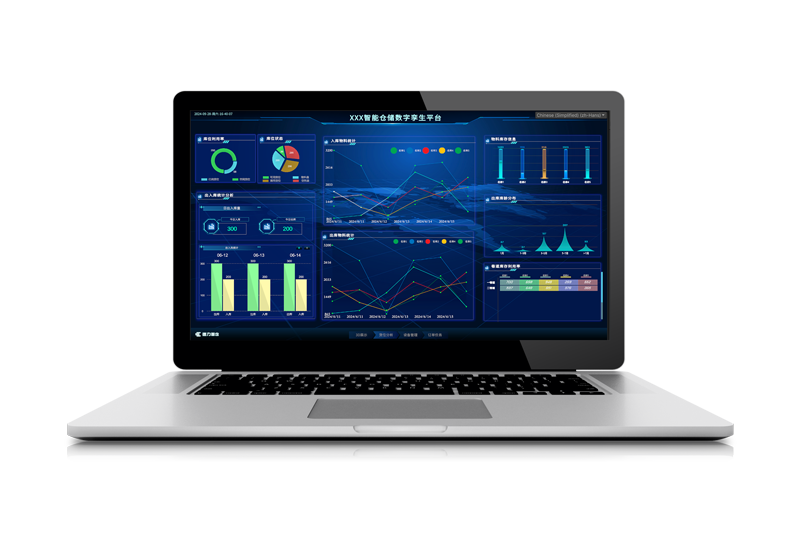
A pharmaceutical warehouse should be monitored through measures tied to daily work, not dashboard appearance. Track order accuracy, picking time, inventory discrepancies, equipment downtime, and temperature excursions. Small delays matter. Compare results by shift, zone, and product-handling process to find where performance changes. Warehouse Automation Systems can provide timestamps and exception records, but teams still need to verify that the data reflects actual floor activity.
Set a reliable baseline before changing workflows. Review a sample of completed orders against inventory and dispatch records, and investigate repeated manual overrides. Look beyond averages. A strong average can hide slow replenishment in one aisle or recurring scanner failures on a night shift. Assign an owner to each exception, with a practical response time and clear escalation steps. For temperature-controlled areas, review alarm response records alongside sensor readings; a brief alert may reveal a door left open or a poorly placed sensor.
Refine one process at a time, then compare results over several operating cycles. For example, adjust replenishment timing and observe whether pick interruptions fall without creating excess movement. Document what changed, who approved it, and what the data showed. We do not always interpret a spike correctly on the first review. Staff feedback can expose causes the dashboard misses, such as unclear labels or awkward handoffs. Keep the review routine short, specific, and open to correction.
The MHI 2024 Annual Industry Report highlights the growing importance of connected, data-driven operations as warehouses adopt automation to meet changing demands. Yet automated equipment delivers its full value only when the systems coordinating it can communicate reliably. Application programming interfaces (APIs) help connect warehouse management and control systems with enterprise resource planning, manufacturing execution, and SAP environments, reducing information gaps between operational and business processes.
A flexible API interface system can support several integration methods, including WebService, WebAPI, and table-to-table connections, so organizations can select an approach suited to their existing infrastructure. Through these links, commands, task feedback, inventory records, and equipment status can be synchronized in real time. This enables teams to coordinate work across software platforms, respond more quickly to operational changes, and maintain clearer visibility into warehouse activity. By simplifying system connections and supporting smooth data exchange, API integration can make automation projects easier to deploy and help businesses adapt their operations as requirements evolve.
Trace goods from receiving through inspection, storage, picking, and dispatch. Mark handoffs, waiting times, travel routes, and temperature conditions. Start by watching. Shift changes may reveal steps your first map missed.
Set measurable goals after identifying bottlenecks, such as fewer manual touches or shorter travel distances. Protect order accuracy, traceability, and storage conditions. Revisit targets when real operating data challenges your assumptions.
No. It can move items between repeatable points, but unclear priorities and crowded aisles remain problems. Test routes with operators, including urgent orders and damaged cartons.
Test scanners, temperature probes, conveyors, and robots during normal operation and failures. Simulate a blocked lane, unreadable barcode, or temperature alarm. A neat pilot can still hide awkward exceptions.
Compare scanned items with physical stock, and check timestamps, user actions, and recorded changes. Confirm temperature alerts appear at the sensor and operator dashboard. Small gaps matter.
Practice receiving, put-away, picking, and dispatch with sample orders and mock inventory mismatches. Teach staff when to pause and escalate a problem. Keep it practical. Observe tasks, not quizzes alone.
Start with one controlled workflow, such as replenishment in a single storage zone. Test routine orders, unreadable labels, and mismatched lot records. Review failed scans and manual overrides daily.
Set clear stop conditions and name who can pause operations. Repeated confusion or extra steps at a busy packing bench deserve attention. Training cannot fix every poor design.
Pharmaceutical Warehouse Automation begins with a clear assessment of warehouse capacity, product handling needs, and applicable quality and regulatory requirements. Mapping how materials move through receiving, storage, picking, and dispatch helps identify bottlenecks and set practical goals for accuracy, traceability, and efficiency. Based on these needs, organizations can select suitable storage, picking, and transport technologies while ensuring that automated workflows can integrate with inventory and quality management systems.
Before full deployment, equipment, processes, and data controls should be validated to confirm they perform reliably and preserve accurate records. Staff training is essential so employees understand their roles, system procedures, and how to respond to exceptions. After implementation, teams should monitor performance indicators, review operational feedback, and refine workflows over time. This structured approach helps create a dependable, well-controlled warehouse operation that supports product quality and consistent order fulfillment.