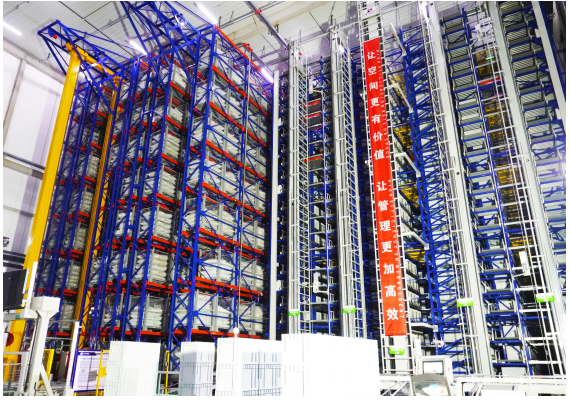
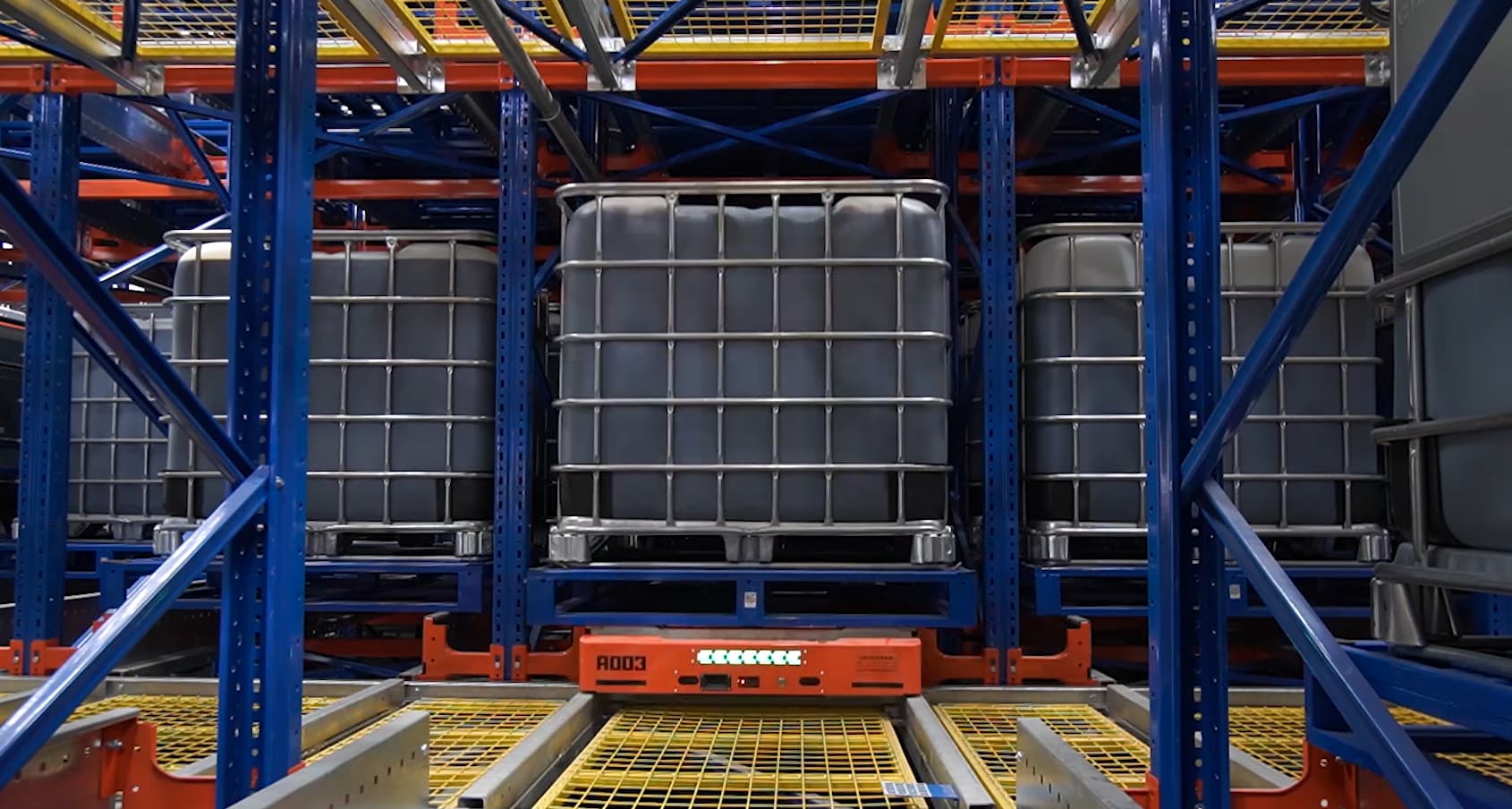
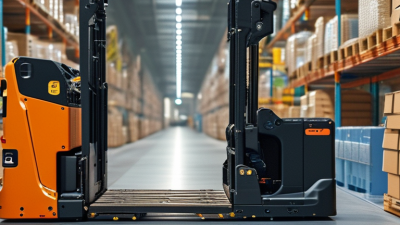
In today's fast-paced warehouse world, grabbing every bit of efficiency really matters. That's where High Density Storage Solutions come into play—helping to make the most of your space and resources. Companies like STORABLE and Space Saver have totally shaken things up, showing us new ways to make use of vertical space. These innovations don’t just pack in more stuff; they actually help everything run smoother.
Bringing in these storage solutions can seriously boost how well your operations run. For example, Vertical Lift Modules make it super easy to grab what you need quickly. That can cut down the time you spend searching for items and give your productivity a real lift. But here’s the thing—no one-size-fits-all answer, right? Not every solution works for every warehouse.
It’s so important to really assess what your warehouse needs. Some places might struggle with bulky items, or have pretty unique workflows. Regularly checking in on your storage setup keeps things running smoothly in the long run. Taking the time to choose the right High Density Storage Solution is key—only then can your warehouse be efficient and tailored perfectly to what you do.
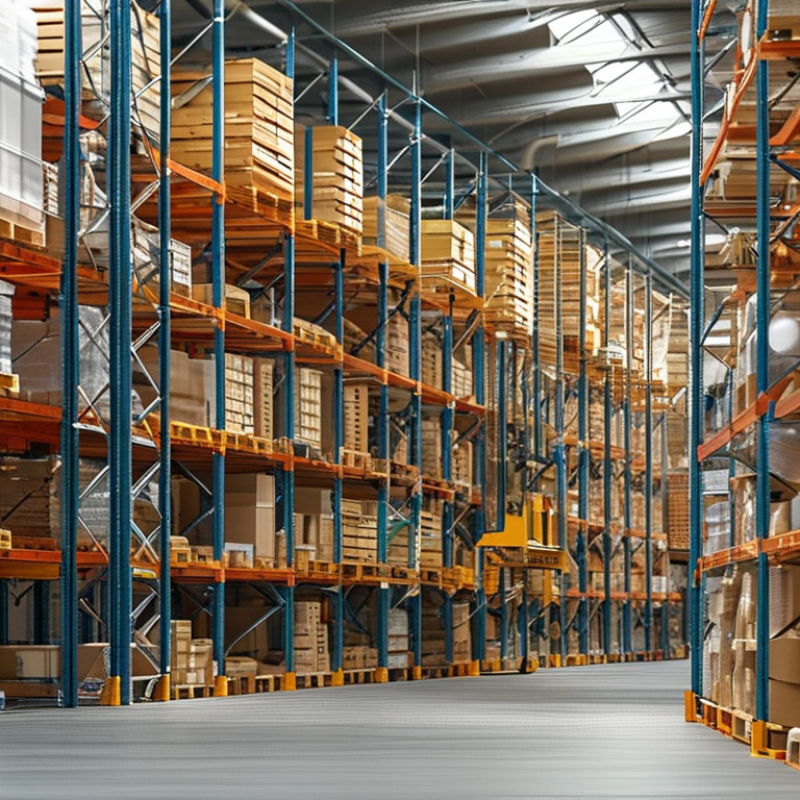
Overview of High Density Storage Solutions in Warehousing
High-density storage solutions are essential for maximizing warehouse space. These methods allow businesses to store more items in a smaller footprint. Various systems, such as vertical shelving and mobile racking, improve efficiency. By utilizing the vertical space in a warehouse, companies can reduce the overall footprint while increasing storage capacity.
Tips for implementation: Assess your available vertical space. Ensure your systems are customizable to fit different products. Regularly review inventory to adjust storage needs.
Incorporating high-density storage requires careful planning. Not all items will benefit equally from these solutions. Some products might require easy access, while others can be stored out of reach. Evaluate the specific needs of your inventory before deciding on a solution.
Consider the potential drawbacks of high-density systems. They can sometimes complicate access to frequently used items. A balance between efficiency and accessibility is crucial for optimal operations. Proper employee training is vital to navigate these complex storage systems effectively.
Top High Density Storage Solutions for Efficient Warehousing
| Storage Solution | Capacity (Units) | Space Utilization (%) | Ideal Use Case | Cost Consideration ($) |
| Mobile Shelving | 1500 | 85 | Library & Archives | 1000-$1500 |
|
Vertical Lift Modules | 600 | 90 | Manufacturing | 10,000-$50,000 |
| Push-back Racking | 1200 | 80 | Distribution Centers | 5000-$20,000 |
| Cantilever Racking | 900 | 75 | Lumber Yards | 2000-$8000 |
| Driving Racking Systems | 2000 | 95 | Cold Storage | 15,000-$30,000 |
Benefits of High Density Storage for Warehouse Efficiency
High-density storage solutions stand out in modern warehousing for their ability to maximize space and efficiency. By utilizing vertical space and optimizing layout, businesses can store more goods in less area. This leads to a more organized environment, which can significantly reduce the time spent searching for items. When every inch of space is used wisely, warehouses can become hubs of productivity rather than cluttered, chaotic spaces.
The benefits extend beyond mere space-saving. High-density systems enhance inventory management by providing better access to goods. This easier accessibility can lead to faster order fulfillment. It allows for a more seamless workflow, minimizing the likelihood of errors. However, implementing such systems requires thoughtful planning and regular reassessment. Companies may find that initial setups can pose challenges, as they need to be versatile enough to adapt to changes in stock levels and product types. Finding the right balance between high-density capabilities and operational flexibility can be an ongoing journey.
Top High Density Storage Solutions for Efficient Warehousing
This chart illustrates the benefits of various high density storage solutions and their impact on warehouse efficiency. The data showcases the percentage improvements in space utilization, retrieval speed, and inventory accuracy.
Types of High Density Storage Systems: A Comparative Analysis
High Density Storage Systems are key to maximizing warehouse efficiency. Various types exist, each with unique features and benefits. Mobile racking systems, for instance, allow for flexible space utilization. These systems move along tracks, enabling access to stored goods without the need for wide aisles. However, they may present challenges in terms of initial setup costs and maintenance.
Pallet Racking is another popular choice. It offers direct access to each pallet and is easy to install. This system can be adjusted or expanded as storage needs change. Even so, space may not be utilized as efficiently compared to mobile systems.
When considering high density storage, it’s crucial to assess the unique needs of your warehouse. Space optimization is vital, but so is accessibility. Always keep in mind the long-term implications of your choice. Training staff on new systems can be a tedious process. The adaptation period may affect operations initially, but it’s essential for efficiency.
Analyze the layout before installation. Taking time for this can prevent costly mistakes later. Reflect on the flow of goods. Adapting storage solutions to your operational flow can significantly enhance efficiency. Remember, the right choice can lead to maximized space and increased productivity, but it requires careful thought and planning.
Key Considerations for Implementing High Density Storage
When implementing high-density storage solutions, several key considerations emerge. Assessing the layout of your warehouse is critical. The existing footprint influences storage system design. Measure height, width, and access points. This information guides the selection of appropriate systems.
It's also vital to consider the types of goods stored. Do products vary greatly in size or weight? Understanding this aids in choosing whether to use pallet racks, shelving, or automated systems. The nature of the items impacts accessibility and retrieval speed, which are crucial for operational efficiency.
Staff training cannot be overlooked. Employees must understand new systems and safety protocols. Regularly review procedures to ensure efficiency. This ongoing education fosters a culture of adaptability. An emphasis on training minimizes errors and enhances productivity. Balancing technology and human skill is essential in high-density storage environments.
Technology Integration in High Density Storage Solutions
High-density storage solutions are becoming increasingly popular in warehousing operations. Technology integration plays a key role in enhancing these systems. Automated systems can optimize space and improve efficiency. Using vertical space becomes feasible with mobile shelving and stackable storage units. This transformation allows warehouses to store more items within a smaller footprint.
Incorporating advanced technologies like RFID and IoT significantly improves inventory management. These technologies provide real-time data, reducing errors and ensuring accurate stock levels. However, integrating such technologies can be a challenge. Employees often require specialized training, which can take time and resources. A thoughtful approach is essential to overcome these hurdles.
Sustainability also factors into the adoption of high-density storage solutions. Eco-friendly materials and energy-efficient systems can further enhance warehouse operations. The initial investment may be substantial, but the long-term benefits can outweigh costs. Balancing these elements is crucial for organizations aiming to modernize their warehousing strategies. Exploring different storage solutions remains vital for ongoing improvement.
Best Practices for Maximizing High Density Storage Efficiency
In the pursuit of efficient warehousing, high-density storage solutions significantly enhance space utilization. A report from the Warehousing Innovation Institute highlights that optimizing space can improve storage capacity by up to 30%. This is crucial for businesses dealing with limited square footage. By implementing Vertical Storage Systems, companies can leverage unused vertical space, which often accounts for over 50% of warehouse volume.
Moreover, effective inventory management practices play a pivotal role in maximizing high-density storage efficiency. Studies indicate that well-organized inventory can reduce retrieval time by as much as 20%. Using automated systems for tracking inventory adds another layer of precision. However, it is essential to remember that over-automation may lead to increased complexity. Companies must balance efficiency with simplicity to avoid operational bottlenecks.
Training staff is another area needing attention. While technology aids storage solutions, personnel must understand how to use it efficiently. A survey by the Logistics Performance Council found that 70% of warehousing errors stem from inadequate training. Continuous learning initiatives can help mitigate this issue. Only through consistent evaluation can organizations truly maximize their storage efficiency while adapting to ever-changing market demands.
Future Trends in High Density Storage for Warehousing Solutions
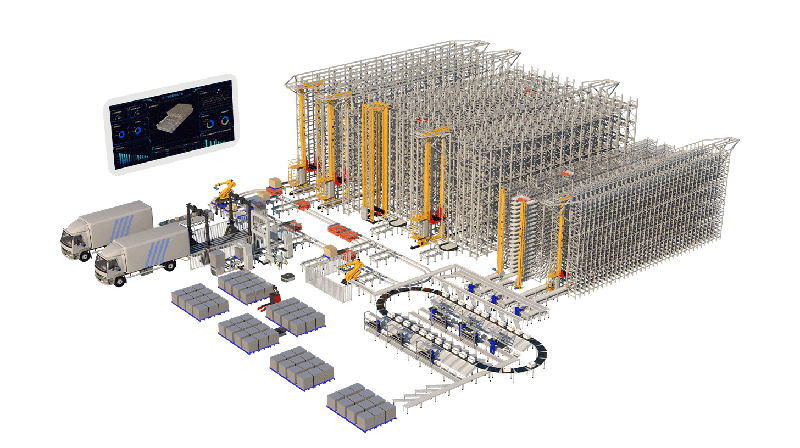
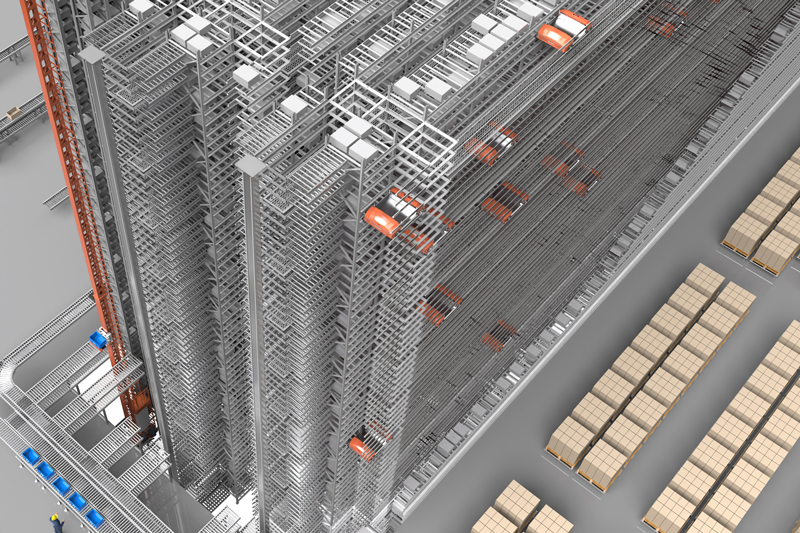
The future of high density storage in warehousing is rapidly evolving. According to recent industry reports, the global demand for high density storage solutions is projected to grow by 7.5% annually through 2026. This growth is driven by the need for more efficient use of space and cost savings in logistics. Innovative designs, such as modular racking systems and automated storage and retrieval systems (AS/RS), are reshaping traditional warehousing approaches.
Sustainability trends are also influencing storage solutions. More companies are now seeking eco-friendly materials and energy-efficient systems. A study from a leading logistics research firm highlights that 32% of warehouse managers are prioritizing environment-friendly storage options. However, despite these advancements, many facilities struggle with integration. This leads to inefficiencies and heightened costs. The challenge remains in balancing technology with practical operation.
Emerging technologies, like real-time data analytics, are set to enhance inventory management. With accurate tracking, businesses can minimize storage times and reduce waste. The evolving landscape requires a shift in mindset, where flexibility plays a key role in adapting to market trends. As high density storage continues to adapt, the focus on user experience and operational efficiency will remain crucial. The journey is complex, and continuous improvement is essential for success.
FAQS
: Measure height, width, and access points. This data influences the design choice significantly.
Variations in size or weight affect the choice of racks or automated systems. Access and retrieval speed matter.
Employees must grasp new systems and safety protocols. Ongoing training reduces errors and improves efficiency.
Technology optimizes space, enhances efficiency, and enables better inventory management in warehouses.
RFID and IoT provide real-time data. They reduce errors and ensure accurate stock levels.
Employees often need specialized training. This can consume time and resources, requiring a thoughtful approach.
Eco-friendly materials and energy-efficient systems enhance operations. Initial costs may be high, but benefits can outweigh them.
Yes, long-term benefits often surpass initial costs. However, it requires careful planning and exploration.
Balancing technology and human skills is essential. This ensures effective operations and minimizes reliance on one aspect.
Conclusion
High Density Storage Solutions play a crucial role in enhancing warehousing efficiency by maximizing space utilization and improving inventory management. This overview highlights the various types of high density storage systems available, such as pallet racks, mobile shelving, and vertical lift modules, each with unique benefits tailored to different operational needs. Implementing these solutions requires careful consideration of factors like warehouse layout and inventory turnover to ensure optimal performance.
Additionally, the integration of advanced technologies, such as automated retrieval systems and inventory management software, can further streamline operations within high density storage environments. Best practices for maximizing efficiency include regular training for staff and ongoing evaluation of storage performance. Looking ahead, future trends suggest an increasing reliance on smart storage solutions and sustainability practices, which will continue to shape high density storage strategies in modern warehousing.

 Industries
 Services
 About Us
 AS/RS Handling Robot
 Vertical Storage Module
 Conveying Equipment
 Smart Warehousing System
 Warehouse Racking