Industries Smart Warehousing Solutions Tailored To Your Industry
With a comprehensive range of intralogistics, products, DELlECN helps you build efficient and Fully Automated Warehouse operations.
Services Maximizing the Value of Your Logistics
At DELIECN, service goes beyond product delivery. We provide consulting, planning, design, manufacturing, installation, commissioning, and after-sales support throughout the entire lifecycle.
About Us Efficient and Flexible Automated Warehousing Solutions
DELIECN supports clients across food and beverage, new energy, chemicals, pharmaceuticals, e-commerce, precision manufacturing, textiles, and energy industries with intelligent warehousing systems tailored to their goals and requirements.

Picking a Tote ASRS in 2026 isn't just about comparing how much it can store or how fast the robots move. You really need a clear picture of what a normal day looks like in your warehouse. That means looking at order lines, tote sizes, replenishment cycles, peak-hour volume, and how much floor space you actually have to work with. Honestly, a system that looks great in a demo can fall apart next to a busy packing line.
James A. Tompkins, founder of Tompkins International, put it well: “The future of supply chains is not about automation alone; it is about intelligent orchestration.” That still rings true. A Tote ASRS has to connect smoothly with your WMS, WCS, conveyors, scanners, and the way your people work. In a lot of cases, how well it integrates matters more than shiny equipment specs.
So look closely at the little things. Can operators safely get to maintenance areas? How fast can a failed shuttle be swapped out? Does the design handle cold storage, fragile goods, or totes that change size? A Tote Shuttle System might be great for high-density storage, but it still depends on solid software and smart workload planning. Even small delays can snowball into long queues.
No forecast is perfect. And yeah, that's not the most comfortable thing to hear.
A practical decision should weigh total ownership cost, energy use, service response, training needs, and room to grow. Ask for realistic simulations using your own order data—not just the supplier's pretty examples. Talk to current users, visit a live installation, and ask what problems they didn't see coming. The strongest choice might not be the fastest one. It might be the system your team can run confidently five years from now.
A tote ASRS system is an Automated Storage And Retrieval System for standard-sized containers. It stores totes in a dense rack structure and moves them through cranes, shuttles, lifts, or robotic carriers. Software directs each tote to a storage location, then retrieves it when an operator needs the items inside. It is not magic. Sensors, barcode readers, safety controls, and inventory data must work together.
In warehouse assessments, I examine the complete movement path. A tote may arrive from picking, pass through inspection, and reach a workstation within minutes. The system should handle product weight, tote dimensions, order frequency, and required throughput. Fast storage is useful, but consistent accuracy matters more. A good design also supports damaged-tote detection and clear manual recovery procedures.
Small details often decide performance. Measure aisle width, ceiling height, floor strength, lighting, and temperature before requesting proposals. Check whether the software connects reliably with Warehouse Management systems. Ask for tested figures, not optimistic estimates. Peak-hour performance deserves special attention. A system sized only for average demand may struggle during seasonal surges. Maintenance access is another concern, and it is easy to overlook. In practice, some facilities overestimate future automation and underestimate training needs. That mistake can make a technically impressive system difficult to operate.
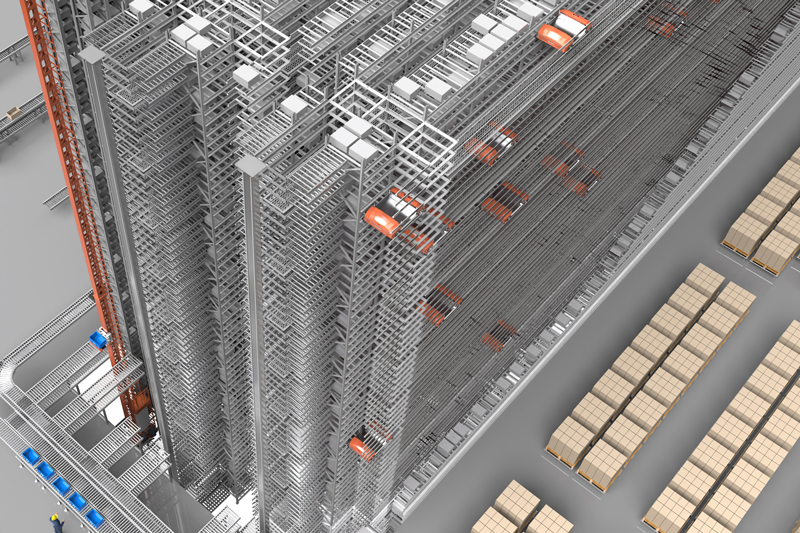
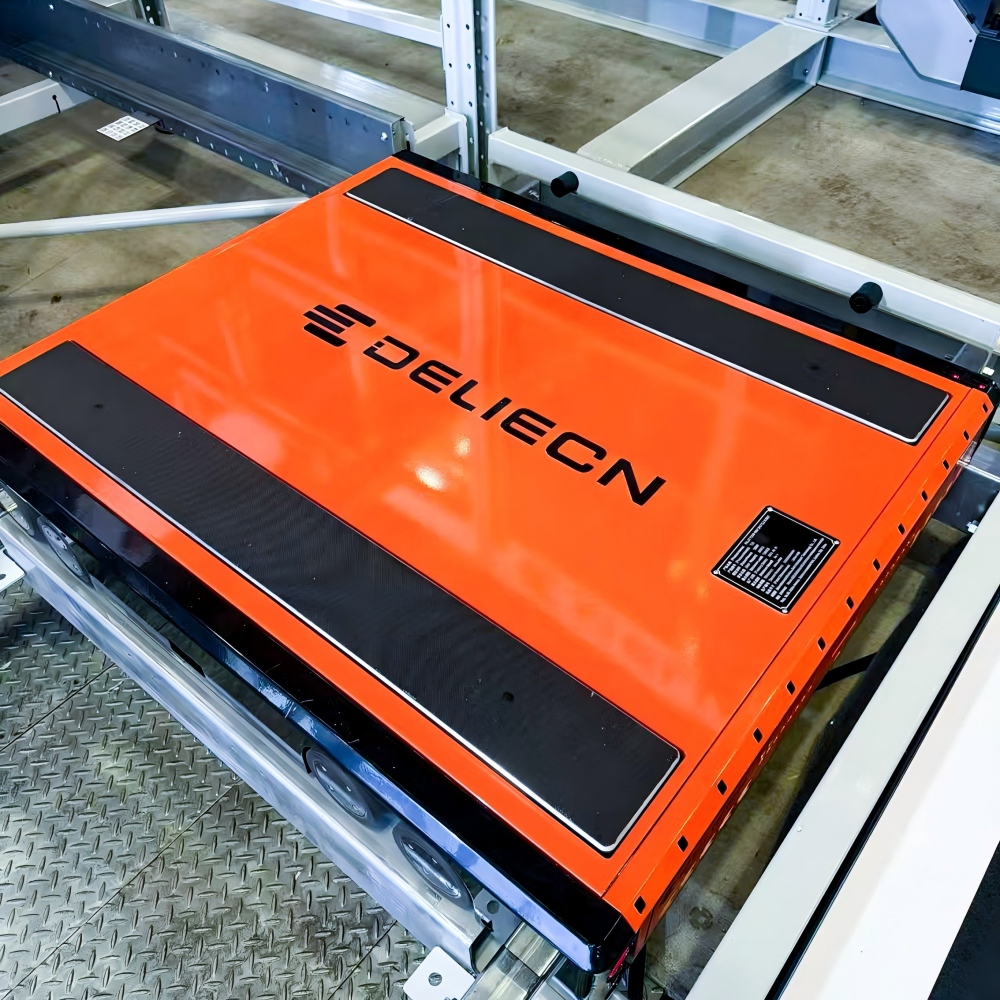
A tote ASRS system stores, retrieves, and sequences containers through coordinated automation. A Tote Shuttle travels inside a rack and carries one tote at a time. Lifts move shuttles between levels. Conveyors transfer totes to picking or replenishment stations. At induction, scanners identify each tote and its location. The warehouse control system then assigns storage positions and retrieval tasks. When an order arrives, software selects the shortest practical route. Sensors verify movement, position, and tote presence. That handoff matters.
The MHI 2024 Annual Industry Report, produced with Deloitte, found that 55% of surveyed supply chain leaders planned to increase technology investment. The International Federation of Robotics reported 541,302 industrial robots installed worldwide in 2023. These figures do not measure tote ASRS adoption directly, but they show growing pressure for measurable automation.
In practice, buyers should compare peak hourly throughput, tote dimensions, lift speed, station capacity, and recovery time after faults. Average performance can mislead.
Start with real order history, not attractive simulation data. A small tote may jam when labels curl. Dust can weaken sensor readings. Poorly sized stations create queues. The first model is rarely right. A capable integrator should test replenishment, mixed-SKU orders, empty-tote returns, and power-loss recovery. Review software interfaces with the Warehouse Management system, maintenance access, safety controls, and spare-part availability. A fast rack is still a weak investment if operators cannot clear exceptions quickly.
How to Choose a Tote ASRS System in 2026?
Storage density should guide your tote ASRS decision, not equipment appearance. Measure usable height, aisle width, floor loading, and fire-clearance limits. A system may store 12,000 totes, yet waste capacity above low ceilings. Record each tote’s dimensions, weight, and daily movement pattern. MHI’s 2024 Annual Industry Report reported that 55% of supply-chain leaders expect to adopt robotics and automation within five years. That trend supports investment, but automation alone cannot fix poor data or irregular inventory.
Throughput requires a realistic peak-hour model. Count inbound receipts, order lines, replenishment tasks, and returns separately. Then test whether the Tote Conveyor, lifts, and picking stations can handle simultaneous demand. Avoid designing only for average volume. A 30-minute promotion can expose a weak system quickly. Interact Analysis has forecast continued double-digit growth in warehouse automation investment through 2027, reflecting rising pressure for faster fulfillment. Still, forecasts are not guarantees. Your own order history matters more.
Tips: Build a three-year and seven-year scenario. Keep 15–25% peak capacity if the budget allows. Use simulation before construction. Check maintenance access around every lift and conveyor. I would also challenge the promised tote capacity. Empty space, blocked locations, and slow software can reduce practical storage. A smaller system with balanced throughput may outperform a larger one.
Choosing a tote ASRS system in 2026 requires more than comparing storage capacity. Start with the work profile. Measure daily order lines, peak-hour volume, tote dimensions, SKU turnover, and replenishment patterns. Space is expensive.
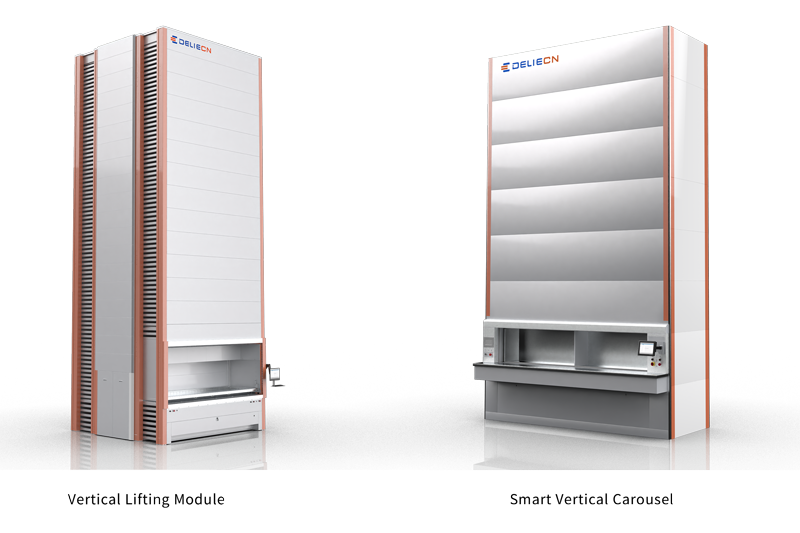
Shuttle-based systems suit facilities needing flexible tote access and strong peak performance. Crane-based systems can serve tall buildings with organized, predictable storage. Vertical lift modules use limited floor space, but access speed may vary by tray position. Robotic grid systems offer dense storage and scalable expansion, though they require careful tote presentation and software coordination. Each technology has trade-offs. The fastest option is not always the most practical.
Configuration decisions shape long-term results. Goods-to-person stations should match operator reach, screen visibility, and walking reduction goals. Select single-deep or multi-deep storage based on access frequency, not only density targets. Standard tote sizes simplify handling, while mixed sizes improve space usage but add complexity. Include inspection zones, exception lanes, empty-tote buffers, and safe maintenance access. These areas are often missed in early layouts.
A reliable evaluation uses real operating data and simulation where possible. Check throughput at average and peak demand. Review recovery procedures during equipment or software interruptions. Our first estimate was wrong. Small delays at induction created larger queues downstream. That lesson changed the design review process. Ask suppliers for measured performance assumptions, service requirements, noise data, and expansion limits. A system should fit today’s operation without trapping tomorrow’s choices.
| Technology / Configuration | Typical Tote Format | Storage Density | Indicative Throughput | Typical Storage Height | Best-Fit Application | Main Advantages | Key Limitations | Important Selection Criteria |
|---|---|---|---|---|---|---|---|---|
| Mini-Load ASRS with Single-Deep Crane | Plastic totes or cartons, commonly 300–600 mm wide and 200–500 mm long; load capacity often 20–50 kg per tote. | Medium to high. Single-deep access provides direct access to every storage location. | Approximately 100–300 tote movements per hour per crane, depending on aisle length, lift height, travel distances, and dual-command operation. | Approximately 6–25 m, subject to building structure, fire protection, and equipment design. | High-SKU operations requiring reliable access, predictable sequencing, and accurate inventory control. | Direct access Accurate positioning Good scalability | Higher infrastructure and installation requirements than floor-based automation; throughput can be constrained by crane cycle time. | Required cycles per hour, aisle count, tote dimensions, load stability, rack height, maintenance access, and future expansion space. |
| Mini-Load ASRS with Multi-Deep Shuttle | Standardized totes or trays, frequently 300–600 mm in plan dimensions; load rating commonly 20–50 kg per tote. | High to very high. Multiple totes are stored behind one another in each channel. | Approximately 150–400 tote movements per hour per aisle or shuttle module, depending on shuttle quantity, lifts, and replenishment strategy. | Approximately 6–20 m, with configuration-dependent rack and lift limits. | Large-volume inventories where high space utilization is more important than immediate access to every tote. | High cube utilization Modular expansion Good for batch storage | Deep-lane storage may require additional moves to reach totes stored behind the first position; SKU allocation must be carefully planned. | Inventory turnover, channel depth, FIFO or LIFO requirements, tote sequencing, shuttle redundancy, and lift capacity. |
| Robotic Cube-Based Tote Storage | Rigid totes designed for robotic handling, commonly around 300–600 mm in width and length; load capacity often 20–35 kg per tote. | Very high. Totes are arranged in a dense grid with robots operating above or within the storage structure. | Approximately 300–1,000+ tote movements per hour at system level, depending on robot fleet size, workstation count, software, and travel distance. | Commonly 4–12 m, with higher or lower designs possible according to structural and operational requirements. | Goods-to-person order fulfillment with many SKUs, high order-line density, and frequent tote presentation. | High storage density Flexible deployment Strong goods-to-person performance | Requires compatible totes and a controlled operating environment; workstation and robot traffic can become bottlenecks if poorly balanced. | Robot-to-port ratio, SKU velocity profile, tote interchangeability, battery charging, system redundancy, and software integration. |
| Tote-Shuttle ASRS with Dedicated Shuttles | Standard totes or trays, generally 300–600 mm wide and 200–500 mm high; load capacity commonly 20–50 kg. | High. Multi-level shuttle lanes use horizontal shuttles and vertical lifts to access tote positions. | Approximately 200–600 tote movements per hour per aisle or operating zone, depending on the number of shuttles, lifts, and transfer points. | Approximately 5–25 m, depending on lift design, rack configuration, and building height. | Medium- to high-throughput fulfillment, buffer storage, sequencing, and production-feeding applications. | High throughput Multi-level access Scalable by zone | More mechanical components than simple conveyor storage; lifts and transfer stations require coordinated control and maintenance. | Lift capacity, shuttle redundancy, transfer-point design, tote presentation rate, fire protection, and maintenance strategy. |
| AMR-Based Tote-to-Person System | Reusable totes, bins, or shelf-compatible containers, commonly 20–50 kg per tote or storage location. | Low to medium compared with dense crane or cube systems, but flexible in existing facilities. | Approximately 100–500 tote presentations per hour per workstation or operating zone, depending on robot fleet, travel paths, and workstation design. | Typically 2–8 m using shelving or mobile storage; higher layouts require additional handling equipment. | Brownfield installations, variable product profiles, phased automation, and operations requiring flexible storage locations. | Flexible layout Low civil work Phased investment | Floor space is needed for robot traffic and staging; congestion and walking or presentation distances may reduce performance. | Robot fleet sizing, aisle width, traffic management, battery charging, workstation ergonomics, floor condition, and Wi-Fi reliability. |
| Vertical Lift Module or Vertical Carousel for Totes | Trays, bins, or totes sized for the module; individual load limits commonly range from 100–500 kg per tray, depending on design. | High floor-space efficiency because storage is arranged vertically, but total capacity depends on tray size and module height. | Approximately 30–150 tote or tray presentations per hour per module, depending on lift travel, operator interaction, and batch-picking methods. | Approximately 3–15 m, commonly limited by ceiling height, building structure, and access requirements. | Small parts, maintenance inventory, secure storage, ergonomic picking, and operations with moderate throughput. | Small footprint Ergonomic access Secure inventory | Usually less suitable for very high-volume fulfillment; a single lift or carousel mechanism may limit peak throughput. | Tray dimensions, item weight distribution, operator access time, fire code, service access, and required presentation rate. |
| Pallet ASRS Feeding a Tote Decanting Area | Palletized cases or bulk inventory are stored on pallets; items are later transferred into totes for automated picking. | High for reserve inventory, but tote storage density depends on the downstream tote ASRS configuration. | Approximately 30–150 pallets per hour for pallet movements, plus the capacity of the decanting and tote-handling process. | Approximately 8–30 m, depending on pallet rack design, crane type, and building constraints. | Operations combining reserve storage, case replenishment, and high-volume piece picking. | Strong reserve capacity Reduced manual travel Supports replenishment | Requires decanting, identification, quality checks, and replenishment controls; it is not a direct substitute for tote-only storage. | Case-to-tote workflow, replenishment frequency, pallet velocity, decanting labor, product traceability, and inventory synchronization. |

Choosing a tote ASRS in 2026 requires more than counting storage positions. The software determines how reliably inventory moves, updates, and recovers. Ask for live demonstrations using your own order profiles, not prepared sample data. Watch a tote enter a station, pause, and return after a rejected scan. Those small moments reveal system maturity. Keep it practical.
Integration deserves equal attention. The ASRS should exchange orders, stock levels, locations, and exceptions with warehouse and business systems. Confirm supported APIs, event messages, authentication, and error handling before signing a contract. Test a delayed network connection. Can operators continue safely, or does every station freeze? Review data ownership, audit trails, and upgrade procedures with technical staff. A clean interface on paper may still create manual work.
Automation features should match the work, not the sales presentation. Compare shuttle speed, tote dimensions, lifts, picking aids, and replenishment logic against actual hourly demand. If conveyors include curves, inspect Tote Curve Conveyor performance with full and uneven loads. Measure noise, access space, accumulation, and maintenance time. Request a failure simulation. Remove a sensor, block a lane, or send a damaged label. Recovery matters. I have seen teams overvalue peak throughput and underestimate exception handling. That mistake is expensive. Leave room for learning; forecasts change, and operators may need clearer prompts than expected.
How to Choose a Tote ASRS System in 2026?
Calculating Costs, Benefits, and Long-Term Scalability
A reliable tote ASRS evaluation starts with real operating data. Measure daily orders, peak-hour volume, tote sizes, and replenishment patterns. Include labor, software, energy, maintenance, training, and downtime in the total cost calculation. A low purchase price can hide expensive integration work. Measure the baseline. That matters.
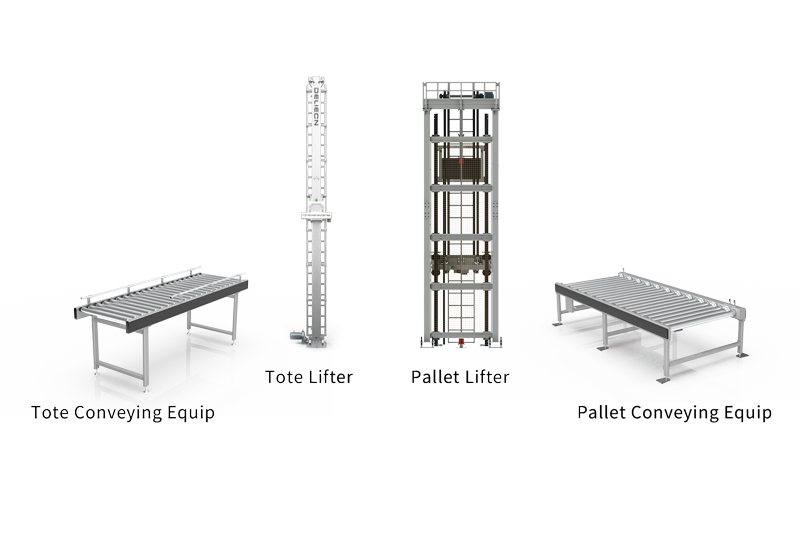
A Tote Roller Conveyor may improve tote movement between storage, picking, and packing zones. Its value depends on layout, load weight, noise limits, and service access. Compare current labor hours with projected labor savings. Then test whether those savings remain during seasonal peaks. My early estimates were often too optimistic because they ignored exception handling and manual inspections. A small pilot can expose these weaknesses before full deployment.
Long-term scalability requires more than extra storage positions. Check whether the system can add aisles, workstations, lifts, and software connections without major reconstruction. Review equipment availability, technician response times, and spare-parts policies. Ask for measured throughput under realistic conditions, not only ideal demonstrations. A scalable design should handle changing tote dimensions and product profiles. Leave physical and software capacity for growth, but avoid paying for unused capacity today. Revisit the financial model annually, because labor rates, order profiles, and energy costs will change.
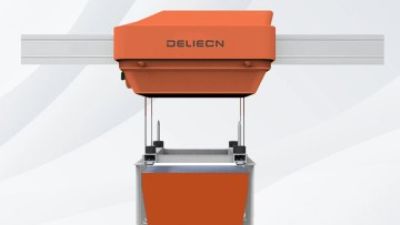
Electric monorail systems are transforming high-density storage and retrieval by combining overhead transportation with intelligent warehouse control. Running on elevated tracks, these systems move materials quickly and accurately between storage locations, production lines, packing areas, and designated workstations. Because the transport path is above the floor, they preserve valuable ground space and reduce interference with forklifts, workers, and other equipment. This makes them especially suitable for facilities where storage capacity and smooth material flow are critical.
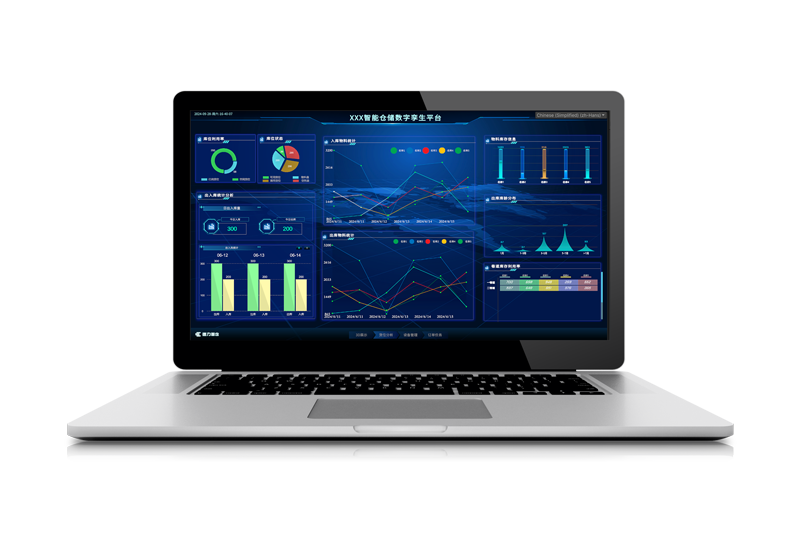
Designed for automated operations, an electric monorail system can coordinate multiple carriers, optimize delivery sequences, and respond to changing production or order requirements. Intelligent scheduling helps reduce unnecessary travel, waiting time, labor demand, and operating costs, while precise positioning supports reliable handling and repeatable performance. Integrated safety protection, such as controlled movement and monitored operating zones, helps support secure daily use. With visualized management tools, operators can track equipment status, material movement, and system performance in real time, enabling faster adjustments and more informed warehouse decisions.
It automatically stores and retrieves standard-sized totes. Cranes, shuttles, lifts, or robotic carriers move them through dense racks.
Software uses inventory data, barcode readers, and sensors. It assigns storage locations and directs retrieval when needed.
Measure daily orders, peak-hour volume, tote sizes, product weights, aisle width, and ceiling height. Check floor strength, lighting, and temperature too.
Average demand can hide serious delays. Seasonal surges may overwhelm a system designed only for normal workloads.
Include equipment, integration, labor, software, energy, maintenance, training, and downtime. A low purchase price may conceal costly integration work.
It can move totes between storage, picking, inspection, and packing zones. Results depend on layout, load weight, noise limits, and service access.
Ask whether the system can add aisles, workstations, lifts, and software connections. Leave room for growth, but avoid paying for unused capacity.
A pilot reveals exception handling, manual inspections, damaged totes, and recovery problems. Early estimates can be too optimistic.
Check technician response times, spare-parts policies, maintenance access, and operator training. Impressive equipment can still be difficult to run.
Request tested figures under realistic conditions. Review peak throughput, accuracy, downtime, and recovery procedures instead of trusting ideal demonstrations.
Choosing the right Tote Asrs System in 2026 requires more than comparing equipment prices. A tote automated storage and retrieval system uses robotic handling, storage locations, conveyors, and control software to store and retrieve inventory accurately and efficiently. The selection process should begin with a clear assessment of tote sizes, inventory profiles, storage capacity, order volume, peak throughput, available floor space, ceiling height, and future expansion needs. These factors help determine the most suitable system layout and operating configuration.
Companies should also compare different storage technologies, access methods, and levels of automation while reviewing software capabilities, warehouse management integration, tracking functions, safety controls, and ease of maintenance. A complete evaluation should include installation, training, energy use, service, and upgrade costs, not only the initial investment. By measuring labor savings, space utilization, accuracy improvements, throughput gains, and expected payback, businesses can select a scalable Tote Asrs System that supports current operations and adapts to changing demand over the long term.