Picking the right Pallet Asrs system isn’t just about shiny machinery — it really starts with understanding your day-to-day operations. For example, a warehouse might handle around 800 pallets each day, but during busy hours, that demand can reveal some pretty serious design flaws. Things like product weight, pallet size, stability, how high you can stack, temperature control, and order frequency all play a huge role in figuring out what system will actually work best for you. Plus, if your pallets aren’t identical—say, damaged boards or mixed heights—the system you choose could struggle. Honestly, those small details can make all the difference.
John Paxton, the President and CEO of MHI, once said, “The best automation strategy starts with the business problem, not the technology.” And I couldn’t agree more — that mindset really should guide every decision when evaluating Pallet Asrs options. When comparing different setups, make sure to look at stacker cranes, Shuttle Systems, conveyors, warehouse control software, safety features, and the level of support from the supplier. Keep in mind, the fastest machine out there isn’t necessarily the smartest buy. Sometimes, a simpler layout can mean better reliability and easier upkeep.
Also, real-world experience counts — don’t just take their word for it. Ask suppliers for references: similar facilities they’ve worked with, actual throughput numbers, how they handle peak seasons, and how smoothly the system integrates with existing operations. Get proof — broad promises are fine, but hard data is better. Think about how the system will handle things like equipment failures, different pallet sizes, or future growth plans. A fancy spreadsheet might hide a tricky aisle layout, but visiting a site in person can really show you what’s what.
And of course, cost is a big deal. You’ll want to consider upfront equipment costs, any building modifications, software setup, staff training, energy bills, and ongoing service expenses — all these can affect how long it takes to see a return on your investment. No system is perfect, but doing a thorough, deliberate review helps cut down on surprises and gives you confidence in your choice. Ultimately, the right Pallet Asrs should keep your operation safe, accurate, flexible enough to grow, and reliable enough to keep running day in and day out.
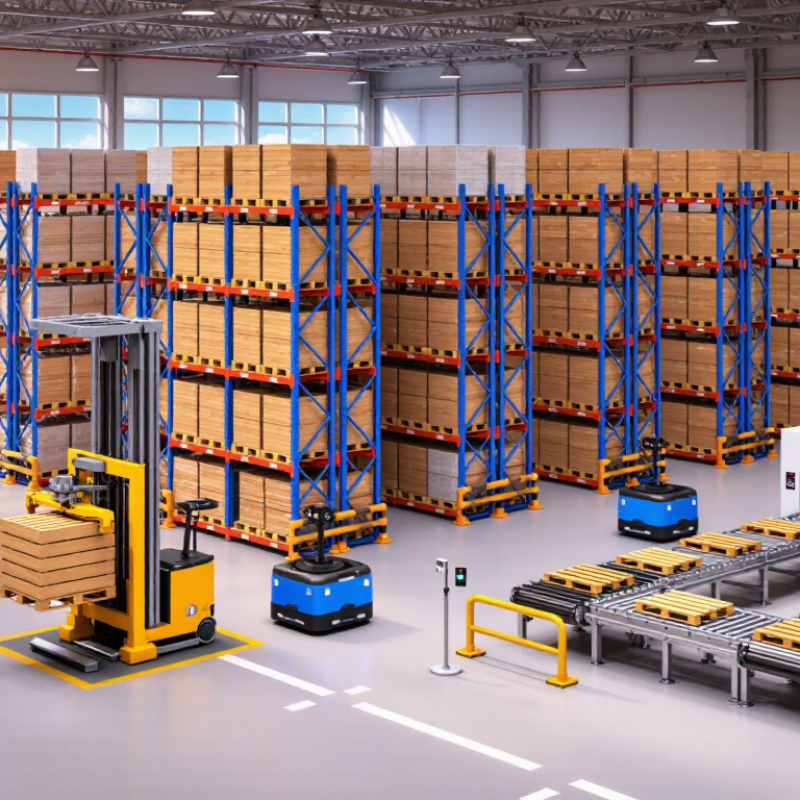
Define Pallet ASRS Types and Their Typical 40–60% Space Savings
How to Choose the Right Pallet Asrs System?
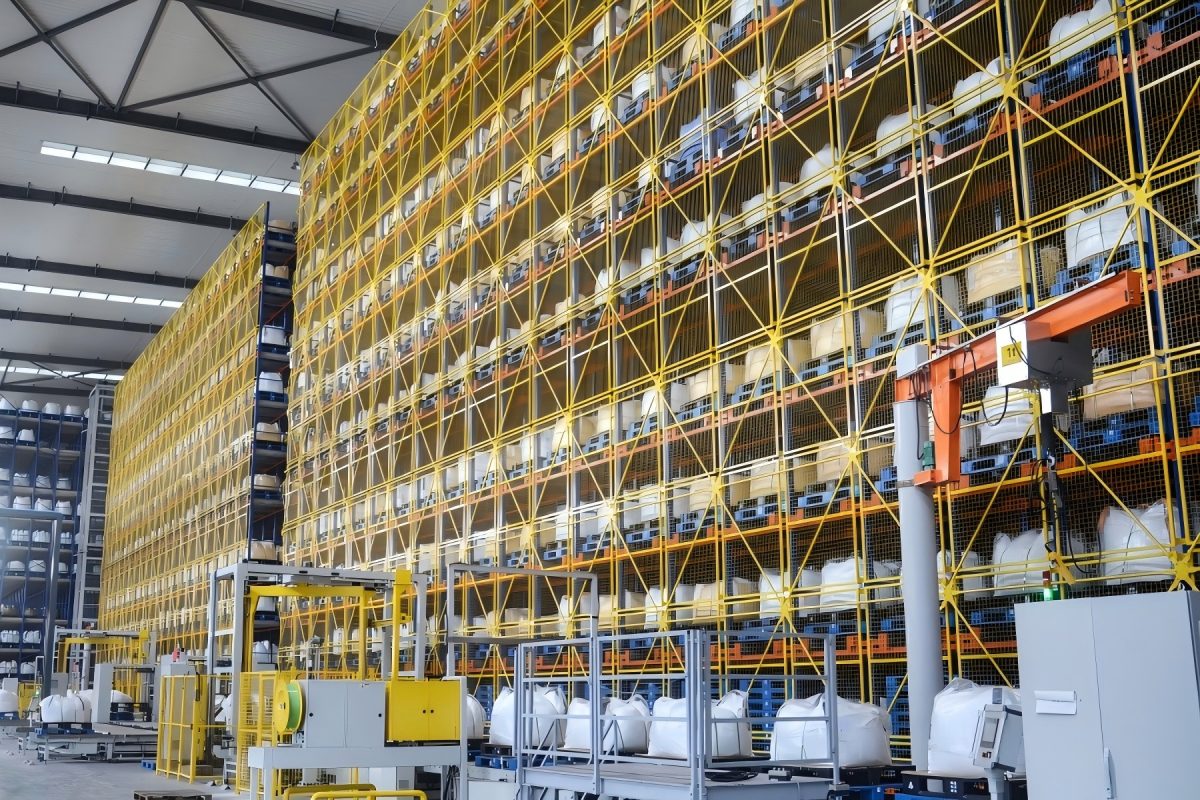
Pallet ASRS usually falls into three practical types: stacker-crane, shuttle-based, and automated vertical-lift systems. Stacker Cranes suit high-bay warehouses with stable pallet dimensions. Shuttle systems support dense, multi-deep storage and faster access to repeated stock. Vertical-lift systems work better for smaller pallet volumes or irregular layouts. Industry feasibility studies commonly estimate 40–60% space savings, but this range is not automatic. WERC’s DC Measures research stresses accurate measurement of storage density, travel distance, and inventory velocity. A poorly sized system may save floor space yet create slow replenishment.
The real choice begins with data. Measure pallet height, weight, turnover, load variation, aisle width, and peak-hour demand. The MHI Annual Industry Report has repeatedly identified robotics and automation as growing warehouse priorities, reflecting pressure to use limited space more productively. Still, reports often combine different building heights and operating models. That weakens direct comparisons. My practical view is simple: calculate usable cubic capacity before discussing percentages. Then test the design against seasonal peaks, damaged pallets, maintenance access, and emergency manual handling.
Tips: Request a storage simulation using your actual stock history. Compare single-deep and multi-deep layouts. Ask for the assumptions behind every space-saving claim. Leave inspection clearance. A full system is not always an efficient system.
Match Pallet Loads to ASRS Capacity, Dimensions, and 1,000–3,000 kg Loads
Choosing the right pallet ASRS system starts with the real load, not the catalog description. Record each pallet’s weight, height, depth, and center of gravity. A 1,000 kg load behaves very differently from a 3,000 kg load.
Asrs Pallet Racking must match the heaviest stable load your operation will store. Check pallet quality, fork entry, bottom-board strength, and load overhang. A damaged pallet may twist during extraction. Small gaps matter. Measure rack height, aisle width, conveyor transfer points, and fire-service clearances before selecting equipment. Allow space for beams, sensors, and mechanical movement.
Throughput also affects capacity. Count inbound pallets during peak hours, not during a quiet shift. Confirm whether the system needs single-deep or double-deep storage. Heavy loads require suitable lifting capacity, mast stability, and reinforced floor conditions. Ask for tested performance data under your actual pallet dimensions and load distribution. Generic figures can mislead.
There is room for doubt. A perfect spreadsheet may still miss seasonal weight changes or uneven loading. Have a qualified engineer review structural assumptions and operating risks. Test several representative pallets, including the awkward ones. The best design protects equipment, products, and workers while keeping retrieval times predictable.
How to Choose the Right Pallet ASRS System?
Match pallet loads to ASRS capacity, dimensions, and operating safety margin. The chart compares representative pallet load classes with the recommended minimum ASRS rated capacity.
Selection reference: standard pallet footprints commonly include 1,200 × 800 mm, 1,200 × 1,000 mm, and 1,219 × 1,016 mm. The recommended capacity includes approximately a 20% allowance for load variation, handling dynamics, and operational safety. Confirm final rack, conveyor, lift, and floor-load requirements with the system specification.
Calculate Throughput Using Inbound and Outbound Pallets per Hour
How to Choose the Right Pallet ASRS System?
Throughput is the clearest starting point when selecting a pallet ASRS system. Measure inbound and outbound pallets separately, not as one combined figure. A warehouse receiving 60 pallets hourly and shipping 45 needs at least 60 inbound moves and 45 outbound moves per hour. These flows may use different lifts, conveyors, and staging lanes. Small delays can quickly create congestion.
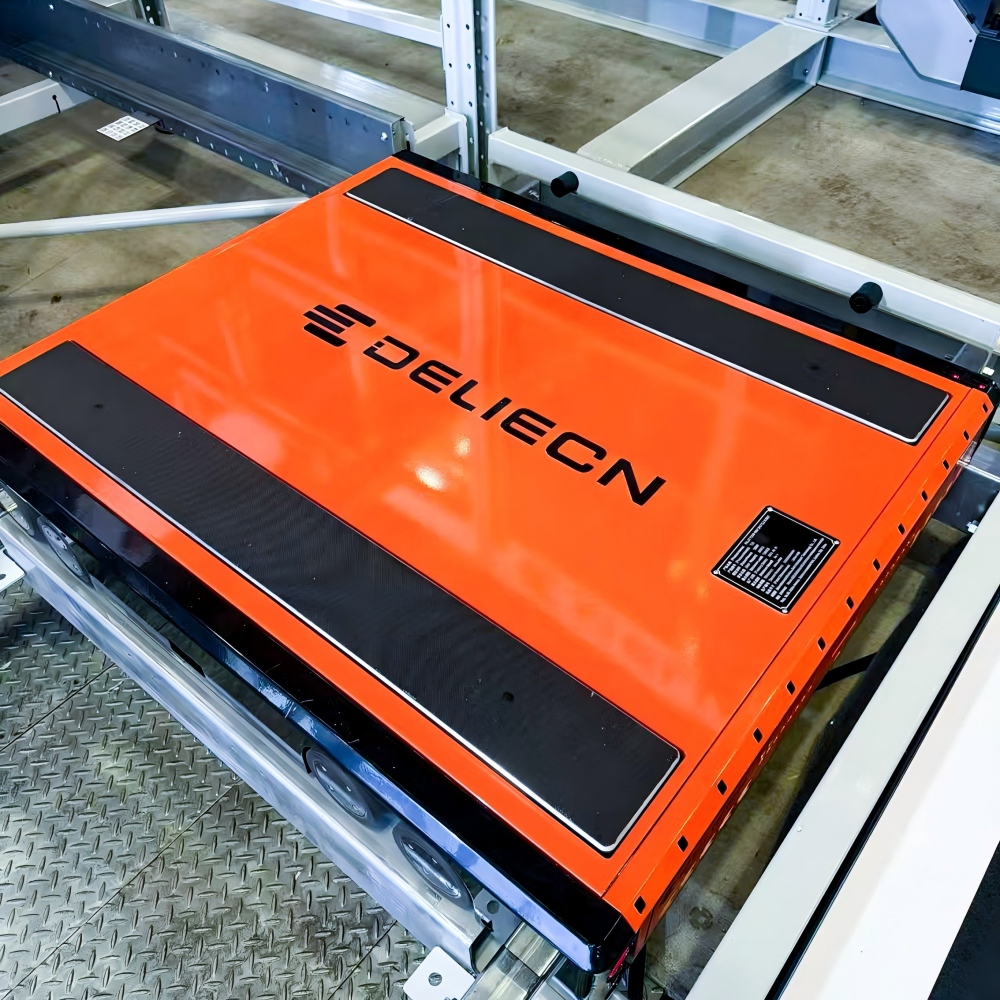
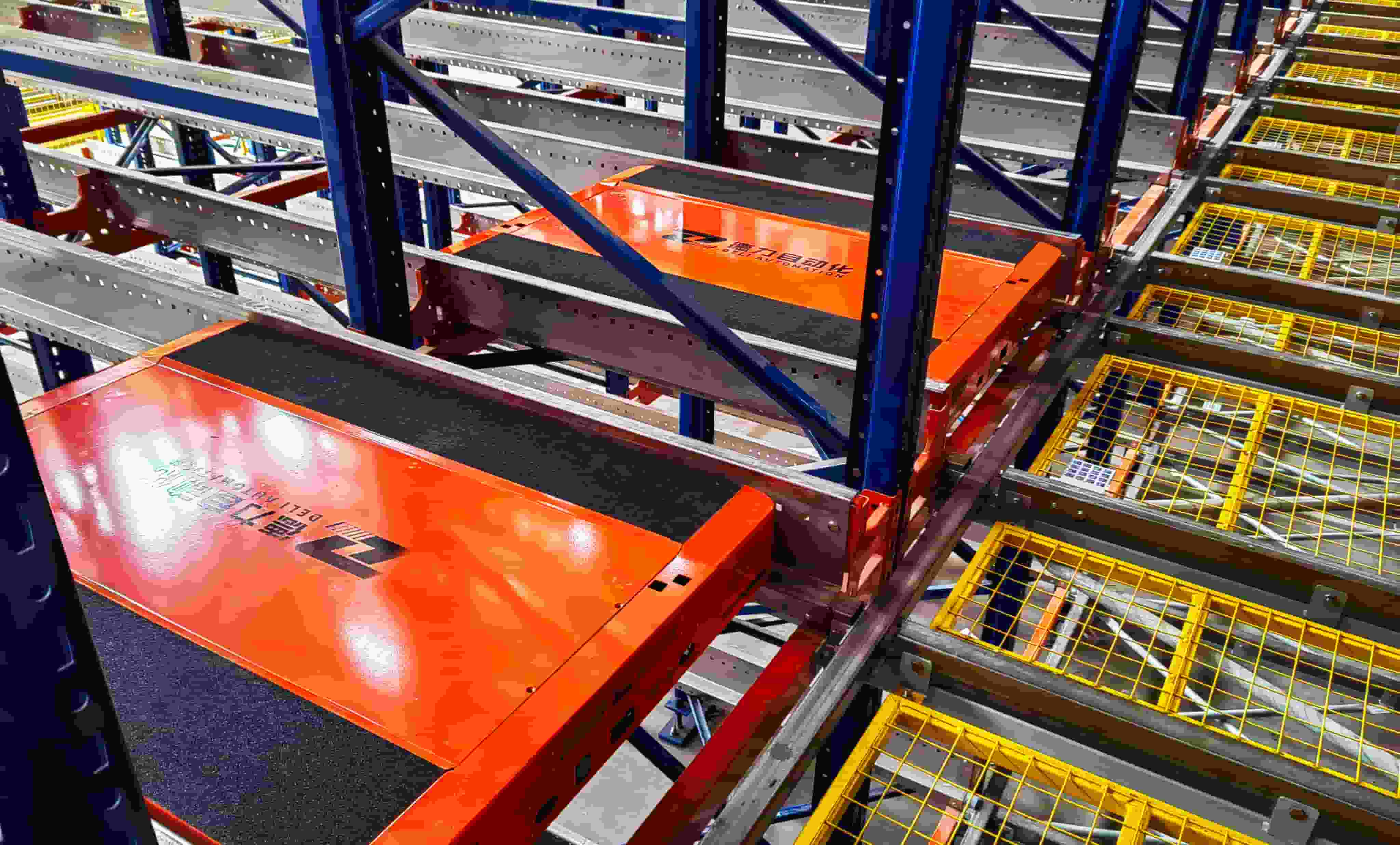
Record actual figures during peak periods. Include receiving appointments, order cut-off times, pallet inspections, and empty-location searches. For example, 80 inbound pallets and 70 outbound pallets per hour require 150 handling moves hourly. Add practical capacity for peaks, often 15% to 25%, depending on demand stability. A Pallet Shuttle Asrs solution may suit dense storage, but its shuttle speed alone does not guarantee system throughput.
Check the full process. Can conveyors feed the storage aisles continuously? Can operators clear damaged labels without stopping the line? Can the system recover after a sensor fault? These questions matter. A spreadsheet estimate may look precise, yet real operations contain interruptions. I have seen plans fail because lunch changes and late trucks were ignored. Measure for several days, compare average and peak rates, then test the proposed capacity with realistic pallet weights, dimensions, and retrieval patterns.
Set Inventory Accuracy Targets of 99.5–99.9% for System Selection
How to Choose the Right Pallet ASRS System?
Set Inventory Accuracy Targets of 99.5–99.9% for System Selection
Inventory accuracy should guide pallet ASRS selection, not follow it. WERC’s DC Measures benchmarking reports place leading warehouse operations near 99.9% inventory accuracy. That figure is demanding. A single misplaced pallet can delay production, trigger recounts, and distort replenishment decisions. Set a measurable target between 99.5% and 99.9% before comparing system designs. Then define what accuracy means: location, quantity, item identity, or all three.
Use your own transaction history as evidence. Review cycle counts, receiving errors, pallet damage, barcode quality, and operator overrides. MHI’s 2024 Annual Industry Report found that 55% of supply chain professionals planned to increase technology investment. Investment alone does not guarantee reliable records. The system must control scans, exception handling, and inventory adjustments. Ask vendors to demonstrate these tasks using realistic pallets, mixed loads, and damaged labels.
Test the uncomfortable cases. Always test exceptions.
A 99.9% target may require tighter processes than expected. It can also increase scanning discipline, maintenance needs, and implementation cost. That trade-off deserves honest modeling. Some companies select a high-throughput system, then discover their inbound data cannot support its accuracy promise. A smaller pilot can expose this gap. Track every variance for several weeks, compare physical counts with system records, and calculate accuracy by process rather than using one attractive warehouse average.
Evaluate Labor Savings of 60–70%, Safety, Integration, and ROI Periods
How to Choose the Right Pallet ASRS System?
An
Asrs Racking System can reduce pallet-handling labor by 60–70% in suitable operations. That figure depends on shift patterns, travel distance, and current staffing. A warehouse moving pallets manually may show strong savings after automation. However, a low-volume site may not recover the investment quickly. Use twelve months of real labor, overtime, maintenance, and error data. Then compare it with the system’s purchase and installation costs.
Safety deserves equal attention. Automated cranes and conveyors can reduce forklift traffic, collisions, and repetitive lifting. They still require guarded access, emergency stops, inspections, and trained operators. Integration also matters. Check connections with warehouse management software, barcode scanners, fire systems, and existing conveyors. A disconnected system creates delays, even when the hardware performs well.
Tips: Request a process simulation before approval. Measure peak-hour throughput, not only daily averages. Test damaged pallets, uneven loads, and power interruptions. Ask for a clear ROI period, often estimated between two and five years, but verify every assumption. A spreadsheet can look convincing. One wrong shift assumption changes everything. I have seen projected labor savings shrink when supervision and maintenance were excluded. Review the model with operations, finance, safety, and IT teams. Their disagreement may reveal the most useful risk.
Smarter Warehouse Flow: How Pallet Level-Changing Lifters Enable Automated Material Handling
Modern warehouses are under growing pressure to move more goods with fewer delays and less manual handling. The MHI 2024 Annual Industry Report found that 83% of supply chain professionals are experiencing labor shortages, while more than half are increasing investment in automation. In this environment, pallet level-changing lifters provide a practical solution for connecting storage levels and creating a smoother automated material-handling flow.
Designed for medium- to heavy-duty pallet loads, a pallet level-changing lifter transfers goods vertically between racking levels, conveyors, and picking or dispatch areas. It can also move pallet shuttle robots across floors, helping warehouses establish a continuous cross-level logistics channel. By coordinating with warehouse control systems, conveyors, and robotic equipment, the lifter reduces unnecessary forklift travel, shortens transfer cycles, and supports more consistent throughput.
This capability is especially valuable in manufacturing, food and beverage, chemical processing, and cold-chain operations, where load weight, turnover frequency, and process reliability are critical. The World Robotics report from the International Federation of Robotics also highlights the continued expansion of robotics across logistics and manufacturing, reinforcing the need for infrastructure that allows automated equipment to operate across multiple levels. With controlled lifting, guided pallet positioning, and safer separation from pedestrian traffic, level-changing systems can improve space utilization while reducing manual handling risks.
Conclusion
Choosing the right Pallet Asrs System begins with understanding the available ASRS types and their typical ability to save 40–60% of warehouse space. Start by matching pallet weight, dimensions, and load profiles with system capacity, especially when handling loads between 1,000 and 3,000 kg. Warehouse throughput should be calculated from both inbound and outbound pallets per hour, while inventory accuracy targets of 99.5–99.9% help define the required software, scanning, and control features.
The final selection should compare shuttle, crane, and pallet-runner solutions according to aisle height, storage density, flexibility, and operating speed. It is also important to estimate potential labor savings of 60–70%, improve workplace safety, confirm integration with warehouse management systems, and calculate the expected return-on-investment period. A well-planned solution should balance capacity, performance, accuracy, scalability, and long-term operating costs rather than focusing on storage density alone.

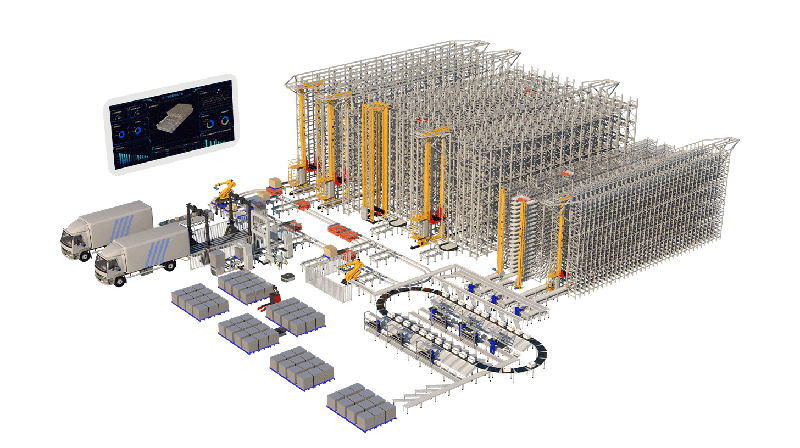 Industries
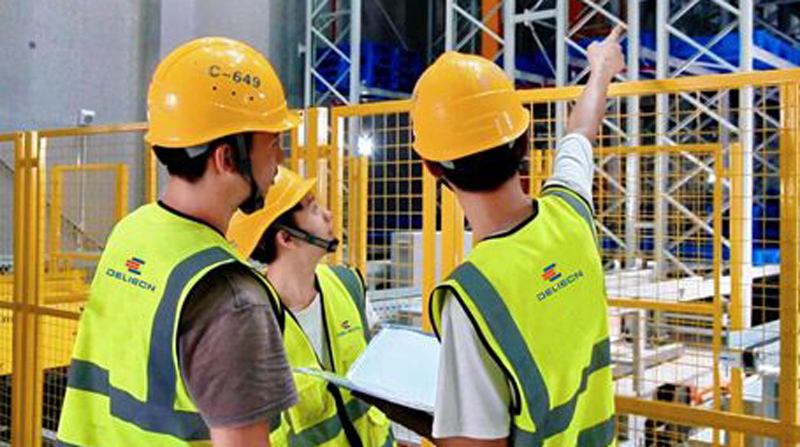 Services
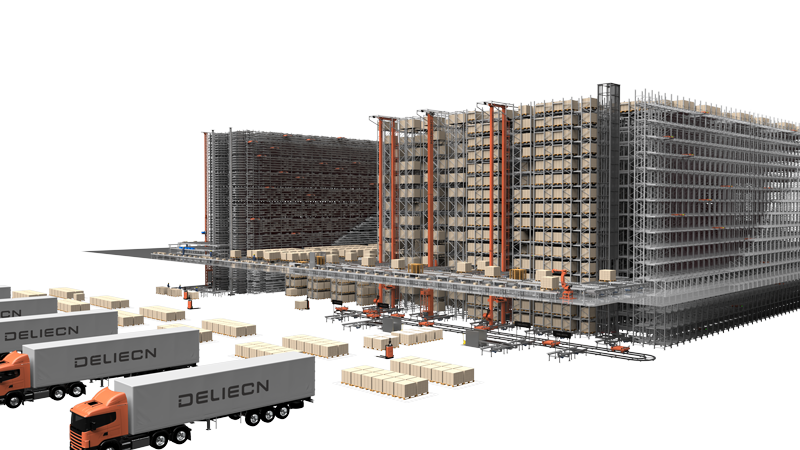 About Us
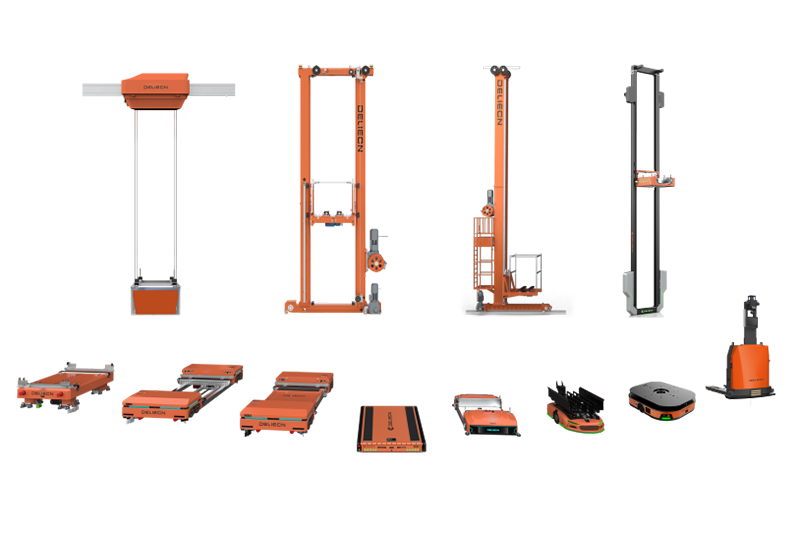 AS/RS Handling Robot
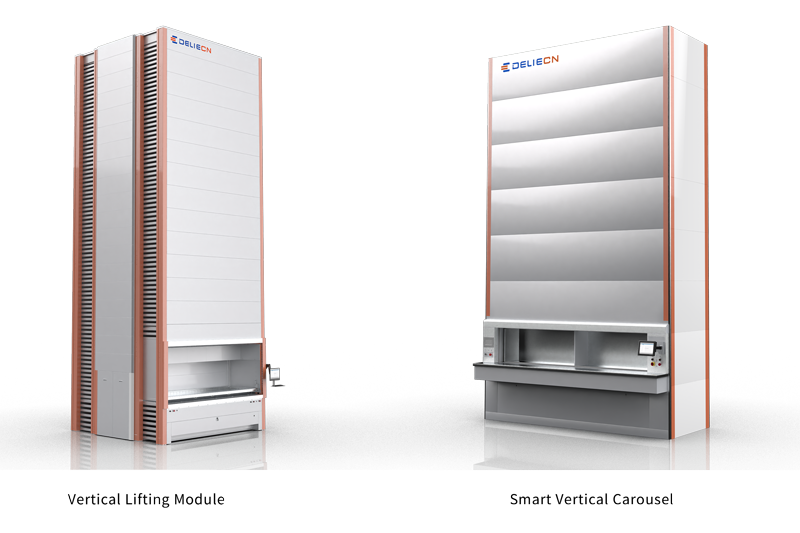 Vertical Storage Module
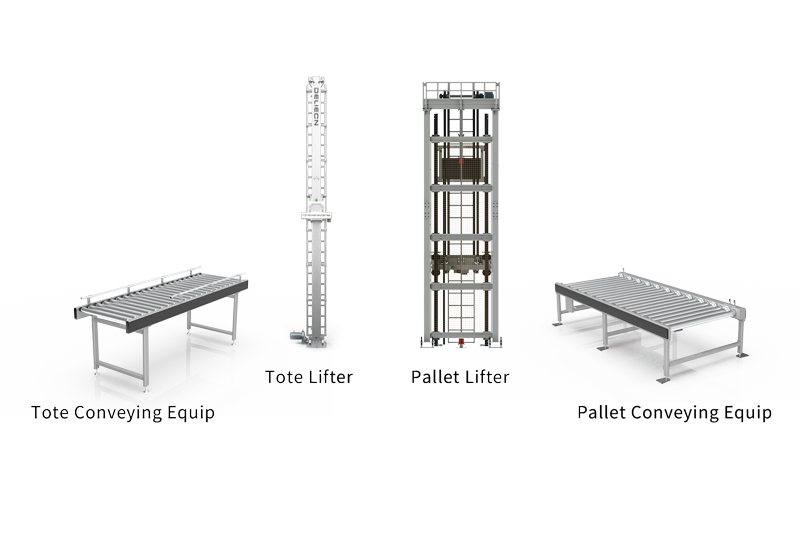 Conveying Equipment
 Smart Warehousing System
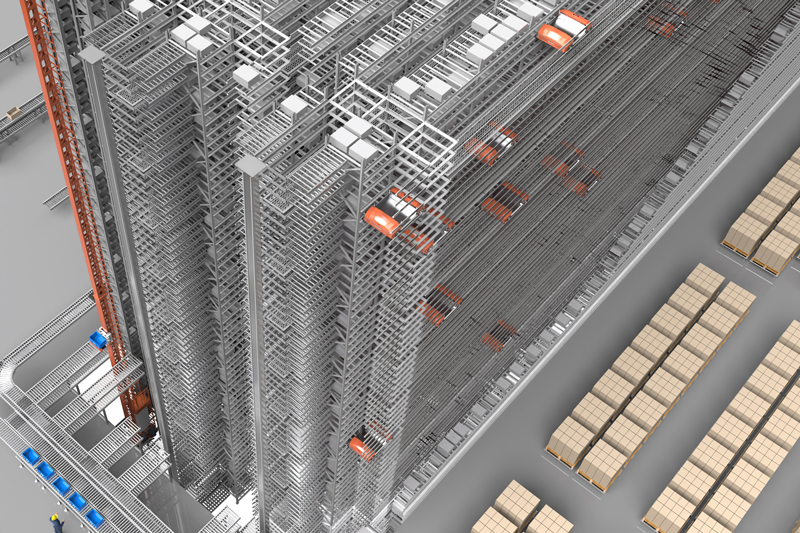 Warehouse Racking