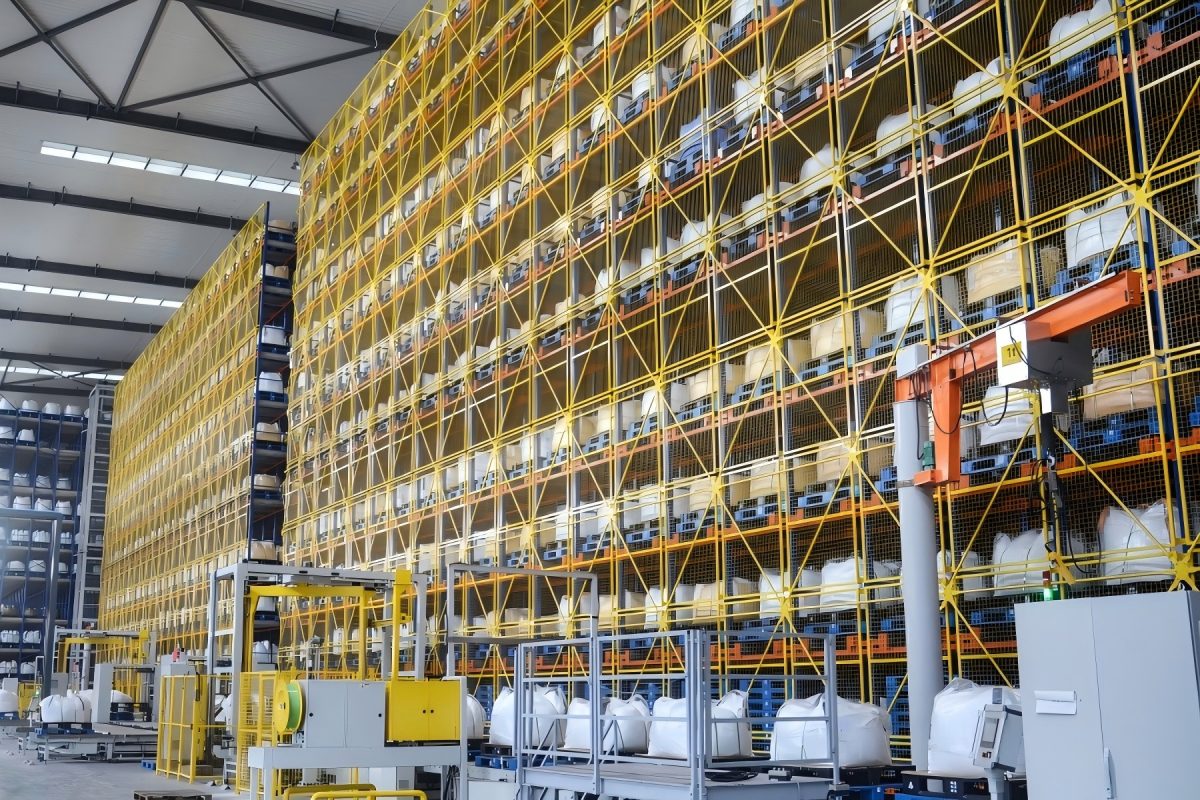
Industries Smart Warehousing Solutions Tailored To Your Industry
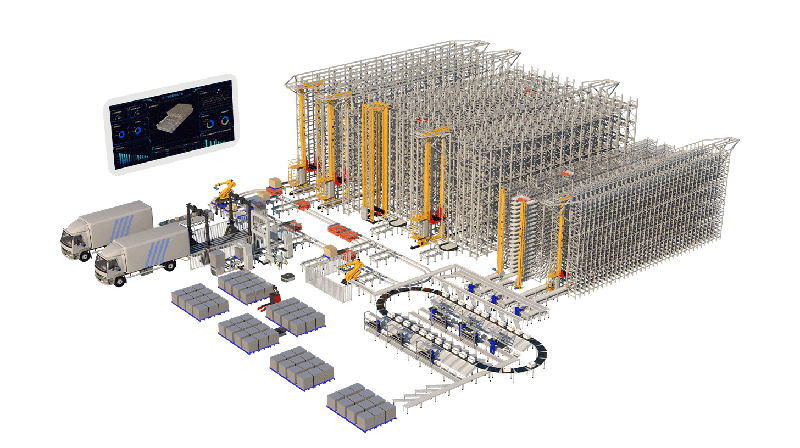
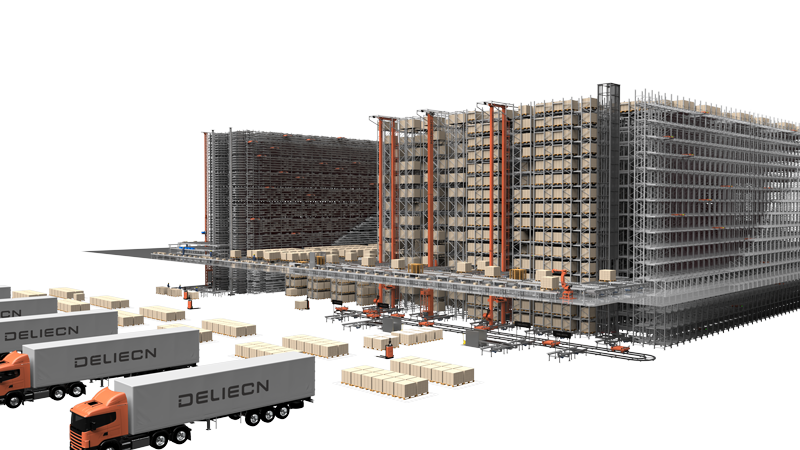
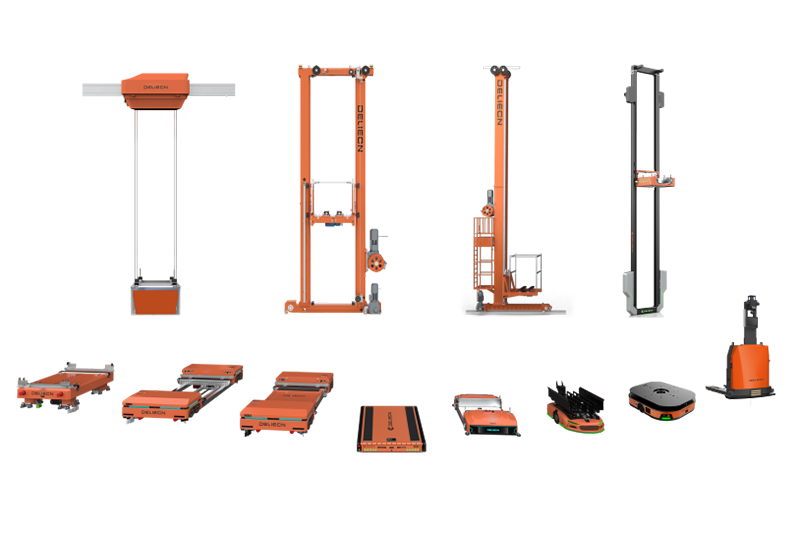
With a comprehensive range of intralogistics, products, DELlECN helps you build efficient and Fully Automated Warehouse operations.
Services Maximizing the Value of Your Logistics
At DELIECN, service goes beyond product delivery. We provide consulting, planning, design, manufacturing, installation, commissioning, and after-sales support throughout the entire lifecycle.
About Us Efficient and Flexible Automated Warehousing Solutions
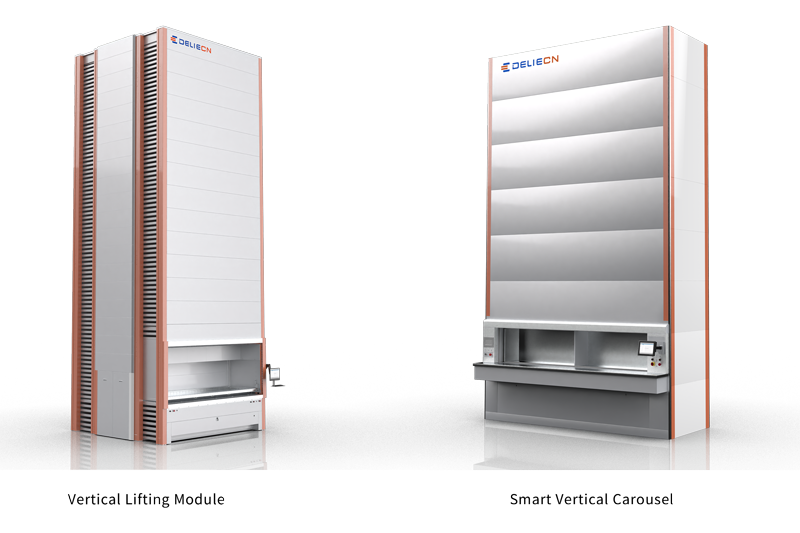
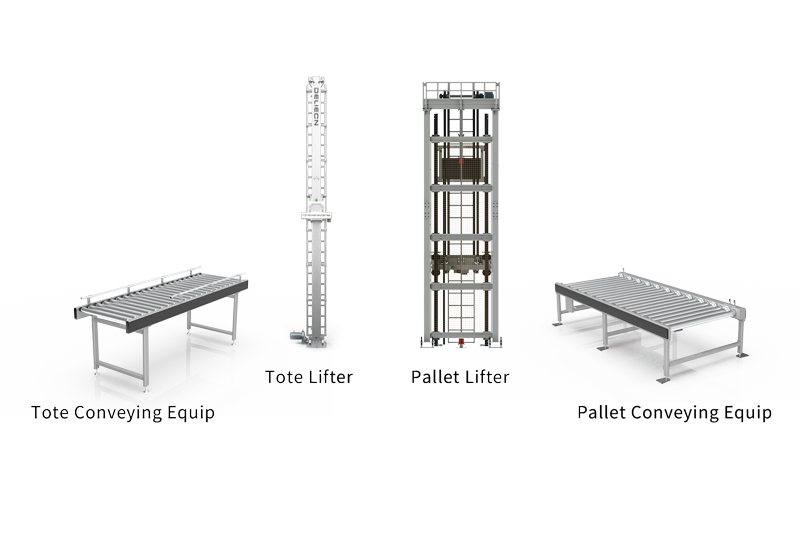
DELIECN supports clients across food and beverage, new energy, chemicals, pharmaceuticals, e-commerce, precision manufacturing, textiles, and energy industries with intelligent warehousing systems tailored to their goals and requirements.

Choosing a China Warehouse Automation supplier? Honestly, it takes more than comparing equipment prices. A warehouse can look super efficient in a product brochure, then struggle once real peak-season pressure hits. Conveyors, autonomous mobile robots, storage systems, and warehouse software all need to work together reliably. The right partner should understand your products, order profiles, facility layout, labor conditions, and expansion plans.
Look for a supplier with documented project experience in operations similar to yours. Ask for customer references, performance data, maintenance records, and clear implementation responsibilities. A factory tour can reveal practical stuff—testing procedures, spare-parts storage, quality-control checkpoints. Ask how they handle software integration, operator training, emergency stops, cybersecurity, and local safety requirements. Certifications help with credibility, but they don’t replace independent verification.
Fit matters more.
A serious evaluation should include a site survey, process simulation, and carefully defined acceptance targets. Check throughput, picking accuracy, system availability, installation time, and total ownership cost. A low initial quote may leave out integration, training, upgrades, or after-sales support. That gap can become expensive later. Before signing, consider response times, remote diagnostics, local service coverage, and contract transparency. No supplier is perfect. Even an experienced provider may underestimate seasonal peaks or change-management difficulties. That’s why a pilot project and staged deployment can reduce risk. Review the results honestly—including delays and operator feedback. The best Warehouse Automation partner isn’t simply the cheapest manufacturer. It’s a reliable, technically capable company that communicates clearly and improves when evidence exposes a gap.
Choosing a top China Warehouse Automation supplier starts with your operating reality, not a product catalogue. Walk through each process, from receiving pallets to dispatching cartons. Record hourly volume, SKU dimensions, order peaks, travel distances, and labor constraints. A useful target might be 120 cartons per hour with 99.5 percent inventory accuracy. Make it measurable. Include exceptions, such as damaged labels, blocked aisles, and urgent orders.
Agv Warehouse Automation can reduce repetitive travel, but it cannot repair unclear workflows. Specify load weight, battery charging, floor tolerance, aisle width, and handoff points. Ask how vehicles connect with your WMS and how operators recover from faults. Demand simulations using your actual order history, not idealized demonstration data. Safety matters. Require documented traffic rules, emergency stops, guarding, training, and local compliance evidence. A supplier’s engineering team should explain assumptions in plain language.
In one planning exercise, projected throughput looked impressive until peak-hour congestion appeared. The model needed more staging space and a slower charging schedule. That correction was uncomfortable, but valuable. Ask for a site survey, risk register, acceptance criteria, spare-parts plan, and response times. Check installation experience in facilities with similar temperatures, ceiling heights, and product mixes. Review pilot results and maintenance records with independent references. Leave room for manual handling when software or equipment fails. A reliable supplier will discuss limitations openly, not promise effortless automation.
Choosing a top China Warehouse Automation supplier requires more than comparing prices. Assess years of project experience, completed installations, and technical staffing. Ask for evidence from warehouses with similar storage density, order volume, and product handling needs.
A capable supplier should explain how its Automation Warehouse System manages receiving, storage, picking, and dispatch. Look for clear data on throughput, equipment uptime, integration methods, and recovery procedures. Request a live demonstration. Watch how the system handles a delayed barcode scan or a full picking lane. Small details often reveal real engineering quality.
Industry expertise matters just as much. A supplier serving spare parts may not understand cold-chain workflows or fragile goods. Check whether engineers understand your inventory patterns, seasonal peaks, and workplace routines. Speak with previous customers, not only selected references. Their feedback may expose slow support or difficult upgrades.
Visit a production site if possible. Inspect testing records, software controls, training materials, and maintenance access. The first proposal is rarely complete. Some suppliers may overlook aisle changes or future expansion. That is a useful warning. Choose a team that documents assumptions, admits limitations, and adjusts the design with measurable reasons. Reliable communication, verified performance, and practical after-sales support usually matter more than impressive demonstrations.
How to Choose a Top China Warehouse Automation Supplier?
Choosing a China Warehouse Automation supplier requires more than comparing equipment prices. Compare the complete solution, including storage systems, conveyors, robots, software, and safety controls. Compatibility matters on the warehouse floor. Check whether the system connects with your WMS, ERP, barcode scanners, and existing equipment. A small interface problem can delay every order.
MHI’s 2024 Annual Industry Report identified robotics and automation as a major investment area, with 35% of surveyed companies already using these technologies. The report also showed that 29% planned adoption within the next one to two years. These figures suggest growing demand, but market enthusiasm can hide practical weaknesses. Ask suppliers for live testing, integration records, maintenance response times, and measurable picking accuracy. Do not accept a polished demonstration as proof.
Tips: Start with one aisle or process. Measure orders per hour, error rates, downtime, and training time. Then test expansion from 10,000 to 50,000 storage locations. Interact Analysis has reported continued growth in Warehouse Automation investment, but forecasts cannot replace site-specific validation. A scalable supplier should offer modular hardware, open interfaces, spare-parts planning, and software upgrades. Leave room for manual work, too. Warehouses rarely behave perfectly.
| Evaluation Dimension | Goods-to-Person AMR | Carton Shuttle System | Pallet AS/RS | Conveyor and Sortation | Recommended Supplier Evidence |
|---|---|---|---|---|---|
| Primary application | Piece picking, e-commerce, apparel, cosmetics, and mixed-SKU operations | High-density carton or tote storage with batch picking and replenishment | Pallet storage, manufacturing warehouses, cold storage, and high-bay facilities | Order consolidation, parcel handling, cross-docking, and shipping automation | Reference projects with similar SKU profiles, order patterns, and operating conditions |
| Typical storage density improvement | Approximately 20–50% versus conventional shelving, depending on layout and utilization | Approximately 30–60% versus conventional carton shelving | Approximately 60–90% versus conventional pallet racking in suitable high-bay layouts | Primarily improves flow and floor utilization rather than storage density | Validated before-and-after layout calculations using the customer’s actual inventory data |
| Typical handling throughput | Approximately 100–600 picks per hour per workstation, depending on workflow and SKU mix | Approximately 100–400 carton or tote movements per hour per aisle, depending on configuration | Approximately 20–100 pallet movements per hour per crane, depending on aisle height and travel distance | Approximately 1,000–10,000 parcels or cartons per hour, depending on sorter type and item dimensions | Site acceptance test results measured with agreed product, order, and peak-volume conditions |
| Best scalability method | Add robots, charging stations, workstations, and storage locations in stages | Extend aisles, add shuttle vehicles, and increase lift or conveyor capacity | Add cranes, aisles, storage levels, and auxiliary handling equipment | Add conveyor sections, induction points, divert points, and sorting capacity | A phased expansion plan showing capacity, floor space, interfaces, and investment at each stage |
| Compatibility requirements | Flat floors, reliable Wi-Fi or industrial network coverage, defined traffic zones, and safe pedestrian separation | Accurate rack tolerances, suitable tote or carton dimensions, and stable floor loading conditions | Adequate clear height, floor flatness, fire protection, rack engineering, and load-rated foundations | Suitable carton dimensions, barcode or RFID readability, floor loading, and planned maintenance access | A documented site survey, interface matrix, safety assessment, and equipment compatibility test |
| Software integration | WMS, WES, fleet management, task allocation, traffic control, and workstation software | WMS or WES, inventory control, shuttle control, lift control, and conveyor management | WMS or WES, material-flow control, crane control, PLC interfaces, and inventory tracking | WMS or WES, warehouse control, PLC interfaces, scanner systems, and shipping platforms | API documentation, supported interface protocols, sandbox testing, and clear data ownership |
| Common implementation period | Approximately 3–9 months for a standard facility, subject to integration and construction scope | Approximately 6–12 months, including rack, shuttle, conveyor, and software installation | Approximately 9–18 months, especially for new high-bay or temperature-controlled buildings | Approximately 4–12 months, depending on sorter complexity and building modifications | A detailed project schedule covering design, manufacturing, installation, commissioning, and training |
| Maintenance considerations | Battery management, wheel and sensor replacement, software monitoring, and spare-robot planning | Shuttle battery or power systems, lift maintenance, sensors, rollers, and spare vehicles | Crane mechanics, motors, cables, sensors, safety systems, and preventive inspections | Belts, rollers, motors, scanners, divert mechanisms, sensors, and conveyor alignment | Local service capability, response-time commitments, spare-parts availability, and technician training |
| Safety and compliance checks | Obstacle detection, emergency stops, speed control, pedestrian protection, and documented risk assessment | Rack protection, access control, emergency stops, maintenance access, and load-management safeguards | Guarding, interlocks, emergency exits, load protection, fire safety, and high-bay risk controls | Guarding, emergency stops, pinch-point protection, access gates, and safe maintenance procedures | Applicable safety documentation, risk assessments, testing records, and conformity declarations |
| Most suitable growth profile | Fast-changing product ranges, variable order volumes, and facilities requiring flexible deployment | Stable carton dimensions, high inventory density, and repetitive replenishment or picking patterns | Large, stable pallet inventories with long-term demand visibility and high space costs | High and predictable outbound volumes with standardized packaging and shipping processes | Capacity modeling based on current volume, peak demand, five-year growth, and required redundancy |
| Key selection risk | Insufficient workstation capacity, weak network coverage, congestion, or underestimated peak demand | Poor carton standardization, limited access flexibility, or bottlenecks at lifts and induction points | High capital commitment, long changeover periods, and dependence on accurate building tolerances | Single-point failures, inadequate maintenance access, and mismatched sorter specifications | Supplier’s documented mitigation plan, redundancy design, performance guarantees, and acceptance criteria |

Indicative industry ranges are provided for preliminary comparison only. Actual performance depends on warehouse layout, SKU dimensions, order profile, operating hours, integration quality, safety requirements, and site conditions. Request a data-based simulation and a site-specific acceptance test before procurement.
Choosing a China warehouse automation supplier requires more than comparing quotations. Product quality should be tested under working conditions, not only shown in polished videos. Ask for batch inspection records, component traceability, load tests, and maintenance histories. Visit a reference site, if possible, and watch conveyors run during peak shifts. Listen for unusual vibration. Check whether barcode scanners read damaged labels. Details matter.
Safety verification needs evidence. Request risk assessments, emergency-stop tests, guarding specifications, and electrical inspection reports. Confirm that the proposed system matches applicable safety standards in your operating region. A qualified engineer should review layouts, access points, fire routes, and software permissions. Do not accept a certificate without checking its scope and validity. Safety can fail at the handover stage. Operators may bypass sensors when training is rushed. That risk deserves practical observation.
System reliability is measured over months, not during a demonstration. Ask for uptime data, fault logs, spare-parts lead times, and remote-support response targets. Require a factory acceptance test with realistic cartons, variable weights, and peak-order simulations. Systems can struggle when dust covers sensors or network traffic increases. Discuss that possibility openly. A supplier’s response to failure matters as much as its original design. Review warranty terms, software update control, cybersecurity practices, and local service coverage before signing. Leave room for independent testing; confidence should be earned.
How to Choose a Top China Warehouse Automation Supplier?
Integration services determine whether Warehouse Automation Robots improve operations or create new bottlenecks. Ask the supplier to map your receiving, storage, picking, and dispatch processes. A reliable team should explain how robots connect with your WMS, ERP, scanners, conveyors, and safety controls. Request a small pilot before approving a full rollout. During testing, watch order accuracy, travel paths, charging behavior, and recovery after a blocked aisle. Technical promises are not enough.
Support should be measured in response times, not friendly presentations. Confirm service hours, remote diagnostics, escalation procedures, and spare-parts availability. Ask for written service-level targets. Check whether engineers can visit your facility when remote support fails. One overlooked detail is language coverage during night shifts. That delay can stop a busy warehouse. Review maintenance records from similar installations, including repeated faults and repair times. Honest suppliers should discuss limitations clearly.
Training must include operators, supervisors, maintenance staff, and software administrators. Use real tasks, such as replacing a sensor or clearing a stopped robot safely. Short videos help, but supervised practice matters more. A useful program also includes refresher sessions after system updates. I would not rely on one trained employee. People change roles, and knowledge disappears quickly. Build a handover checklist, keep spare components labeled, and schedule preventive inspections. No system stays perfect. The supplier’s reaction to small failures often reveals more than its sales proposal.
Recommended evaluation weighting for integration services, support, training, and maintenance
Integration capability receives the highest weighting because system compatibility, commissioning, data exchange, and project delivery directly affect operational performance. Support and maintenance are also critical for uptime, while training and future scalability help protect the long-term value of the automation investment.
Choosing a top China warehouse automation supplier requires more than comparing equipment prices. Compare total cost of ownership across the system’s full life. Include conveyors, robots, Warehouse Automation Systems software, integration, training, spare parts, energy, and maintenance. A low quote may hide expensive exclusions. MHI’s 2024 Annual Industry Report found that 83% of supply chain professionals face labor shortages, increasing pressure to measure productivity gains accurately. Ask for tested throughput, staffing assumptions, and recovery time after a stoppage.
Delivery terms deserve equal attention. Confirm whether pricing includes export packing, inland transport, insurance, installation, and commissioning. Define the delivery point under the agreed Incoterm. Request a production schedule with factory acceptance testing, shipment dates, site readiness checks, and acceptance criteria. A promised 12-week lead time means little if software integration starts late. It happens. Require progress evidence, not optimistic emails.
Supplier value also includes local service capability and engineering discipline. Review similar project references, response-time commitments, cybersecurity controls, and spare-parts availability. Interact Analysis has reported continued double-digit growth in warehouse automation investment, but rapid expansion can expose inexperienced suppliers. Compare five-year operating costs, not only the purchase order. Calculate cost per order, available operating hours, and the financial impact of one idle shift. Leave room for uncertainty. Forecasts change, and a system designed only for today may become a costly constraint.
Choosing a top China warehouse automation supplier requires evidence, not polished presentations. According to the International Federation of Robotics’ World Robotics 2024 report, China installed 276,288 industrial robots in 2023, representing 51% of global installations. This scale shows strong manufacturing capacity, but it does not guarantee warehouse expertise.
Conduct due diligence around your actual operation. Request audited financial statements, customer references, factory records, software release histories, and service-level agreements. Visit a working site, not only a showroom. Watch an operator clear a jam, replace a sensor, and recover from a network failure. Ask for total cost of ownership, including integration, spare parts, training, energy, and upgrades. MHI’s 2024 Annual Industry Report found that 55% of supply chain leaders increased technology investment recently, while 88% expected further increases within one to two years. Budget pressure will remain real.
Require a pilot using your SKU dimensions, order profiles, peak volumes, and exception cases. Measure throughput, picking accuracy, recovery time, and system availability. Confirm data ownership, cybersecurity controls, and compatibility with your warehouse software. Some supplier promises age quickly. My own selection mistake would be trusting impressive speed tests without checking maintenance access. A best-fit supplier should explain limitations clearly, provide local support coverage, and accept measurable acceptance criteria before full deployment.
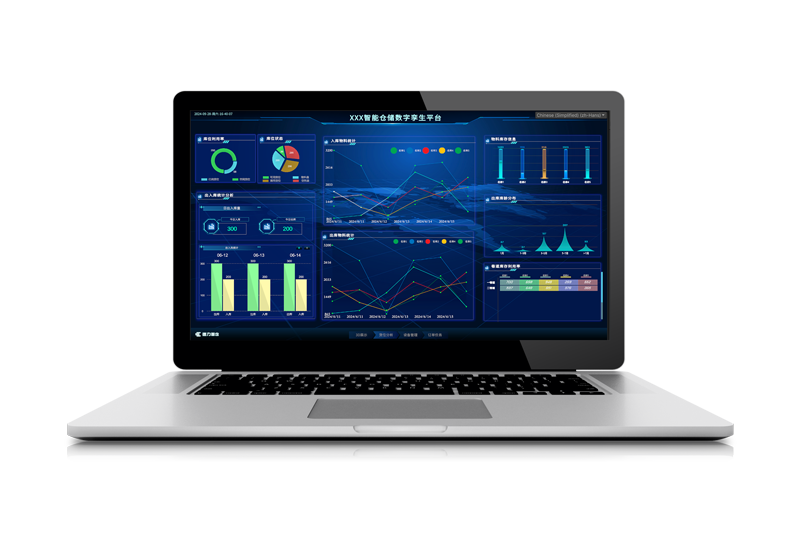
Modern warehouses need more than basic inventory records; they need flexible systems that can respond intelligently to changing demand. An advanced Warehouse Management System (WMS) combines artificial intelligence, the Internet of Things, and digital twin technology to turn operational data into practical decisions. By providing a real-time view of warehouse activity, it helps managers improve visibility, identify potential bottlenecks, and coordinate resources with greater accuracy.
Designed for complex and evolving operations, the system offers strong configurability, reliable integration, and intuitive visualization. It supports the complete warehouse workflow, including inbound receiving, storage, outbound fulfillment, internal transfers, inventory control, batch tracking, and quality management. Intelligent location allocation can place goods where they best support efficiency, while dynamic inventory optimization helps maintain appropriate stock levels and reduce unnecessary handling.
The platform can connect smoothly with enterprise planning, manufacturing, transportation, and other business systems, creating a coordinated flow of information across the supply chain. Its task scheduling capabilities help assign work precisely according to priorities, equipment, personnel, and real-time conditions. As warehouse requirements change, configurable processes and data-driven tools make it easier to scale operations, improve responsiveness, and build a smarter, more adaptable working environment.
Map every process, from pallet receiving to carton dispatch. Record hourly volume, SKU sizes, order peaks, travel distances, and labor limits. Set measurable targets, such as 120 cartons per hour and 99.5 percent inventory accuracy. Include damaged labels, blocked aisles, and urgent orders.
Share load weights, battery requirements, floor conditions, aisle widths, and handoff points. Explain where vehicles charge and where operators intervene. Ask how the system connects with your warehouse software. Recovery steps matter.
Request simulations using your actual order history. Ideal demonstration data can hide congestion. A peak-hour model may reveal crowded staging areas or slow charging schedules. That correction can feel inconvenient. It is still valuable.
Review completed installations with similar storage density, order volume, temperatures, and product types. Ask for throughput, uptime, integration, and recovery data. Speak with previous customers, not only selected references. Their feedback may reveal slow support.
Watch delayed barcode scans, full picking lanes, and damaged labels. Observe conveyor movement during a busy period. Listen for unusual vibration. Check whether operators can recover from faults without confusion. Small details often matter more than polished videos.
Request risk assessments, emergency-stop test records, guarding specifications, and electrical inspection reports. Confirm local safety compliance for your facility. Review access points, fire routes, traffic rules, and software permissions. Do not trust a certificate without checking its scope.
Ask for batch inspection records, component traceability, load tests, and maintenance histories. Require realistic factory acceptance tests with varied carton weights. Review uptime data, fault logs, spare-parts lead times, and support response targets. Reliability appears over months.
Define acceptance criteria, installation duties, response times, warranty terms, software updates, and cybersecurity controls. Include a spare-parts plan and manual handling procedures. Leave room for independent testing. We may overlook something. Good planning admits that.
Choosing the right Warehouse Automation Supplier begins with a clear understanding of your warehouse’s operational goals, current challenges, and future growth plans. Define the processes that require automation, then assess each supplier’s experience, technical capabilities, industry knowledge, and ability to provide compatible, scalable solutions. Carefully review product quality, safety standards, system reliability, and performance under real operating conditions to ensure the proposed equipment can support long-term efficiency.
A strong supplier should also offer professional system integration, implementation guidance, employee training, responsive technical support, and practical maintenance services. Beyond the initial purchase price, compare total ownership costs, delivery schedules, warranty terms, upgrade options, and expected returns. Finally, conduct thorough due diligence by checking qualifications, project experience, service capacity, and customer feedback. Selecting the best-fit supplier requires balancing technology, reliability, support, cost, and long-term value rather than focusing on a single factor.