Leave Your Message
0%

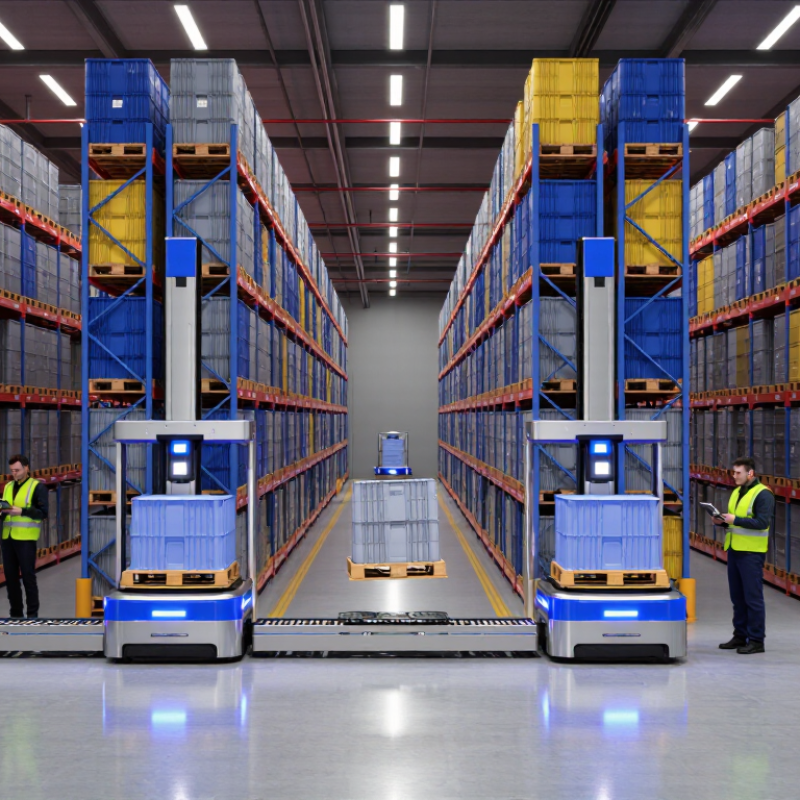
Choosing a dual-station Tote Shuttle robot isn’t just about buying machinery — it’s more of an operational decision. The right system needs to fit your storage needs, order flow, and growth plans. It’s all about finding that perfect match.

John Santagate, who’s got a ton of experience in robotics and supply chain tech at Körber, put it pretty simply: “Automation should support how you work, not force you to change everything just to make the automation fit.” That’s a key point, especially when you’re comparing tote shuttle solutions for high-density storage. A dual-station tote Shuttle Robot should be able to handle two totes at once without bottlenecking your workflow. So, keep an eye on things like load capacity, travel speed, how it lifts, and how long each station cycle takes. Little differences can really add up during a long 10-hour shift.

And don’t forget to look at the nitty-gritty details. Will the robot handle your tote sizes consistently? Can your operators reach the presentation stations easily without crossing paths with the robot? Is your Warehouse Management system (WMS) and warehouse control system (WCS) communicating smoothly? Always ask for actual throughput numbers — don’t just rely on pretty estimates. Also, make sure to check maintenance schedules, battery life, spare parts availability, and what happens if a tote gets stuck. And of course, safety features should be a top priority, not an afterthought.

Now, no system is perfect. A faster robot might cause more congestion, or a super-dense rack might make maintenance trickier. Choosing a cheaper solution could mean more work down the line when you try to integrate it with your existing setup. That’s why it’s smart to do a trial run — use real totes, simulate real orders, and test during peak times. Watch for noise, how quick the system recovers from hiccups, operator movement, and handling exceptions. Remember, the fastest-looking Tote Shuttle isn’t always the best pick. Sometimes, the most predictable system, especially under uneven demand, is the real winner. That’s where careful planning really pays off.

How to Choose a Dual Station Tote Shuttle Robot?

Define the Role of a Dual Station Tote Shuttle Robot

How to Choose a Dual Station Tote Shuttle Robot?

Define the Role of a Dual Station Tote Shuttle Robot

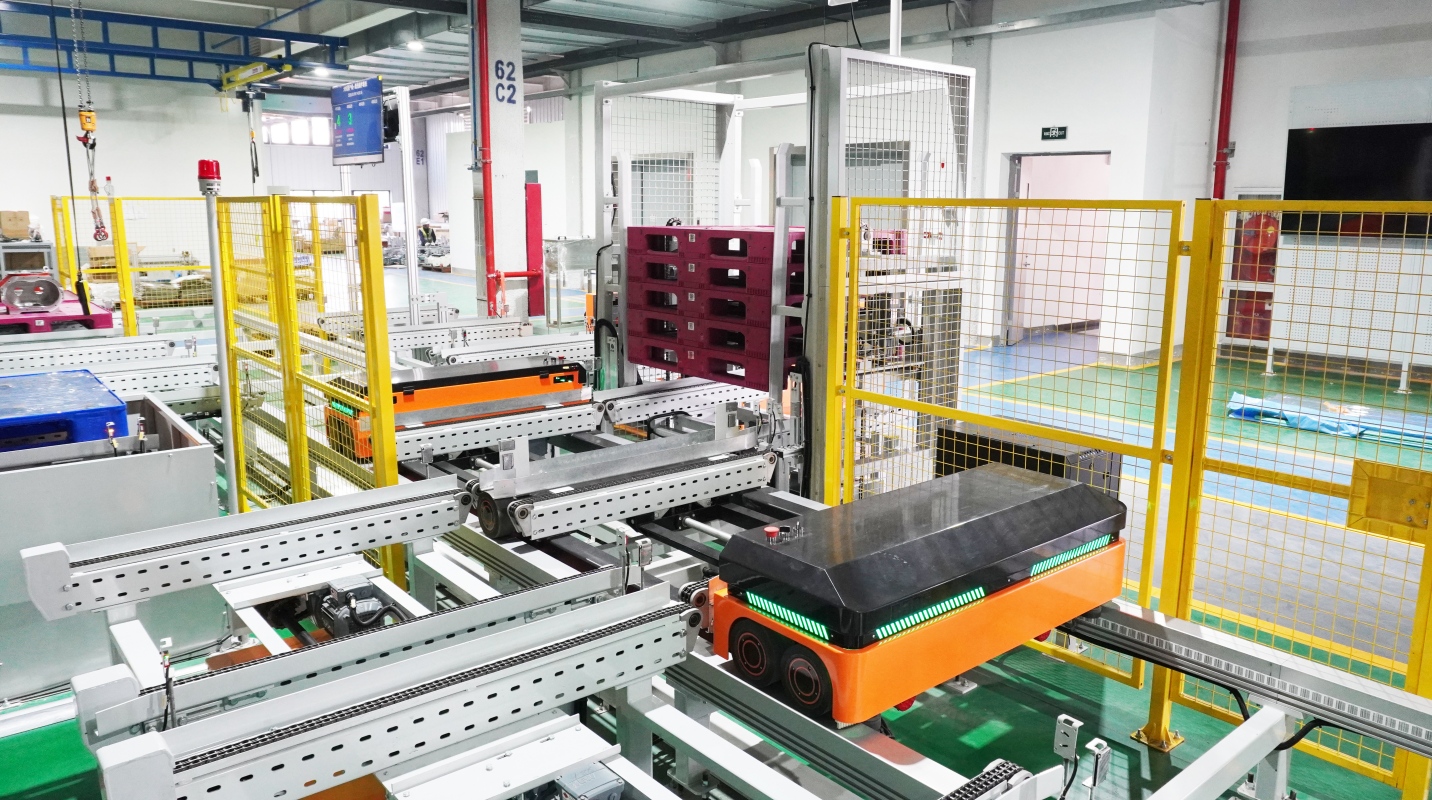
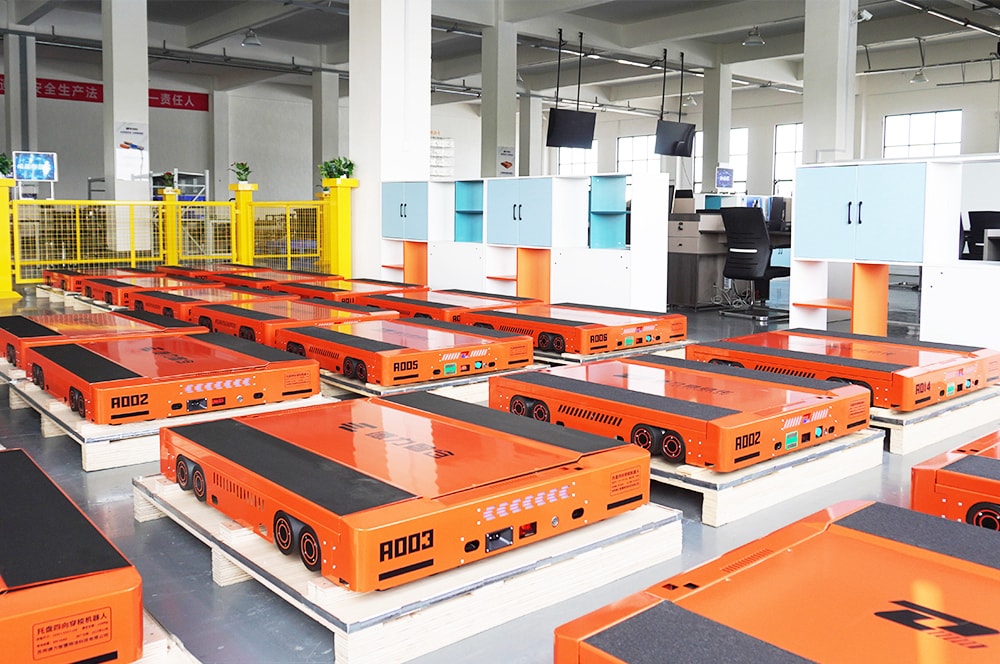
A dual station tote Shuttle Robot moves containers between storage lanes and two operating stations. Its main role is controlled tote delivery, not simply fast movement. It can support picking, replenishment, kitting, or order sequencing. The correct role depends on workflow timing, tote weight, station layout, and required response speed.

This signals strong automation demand, but investment alone does not guarantee better performance. Measure real conditions first. For example, record hourly tote demand, station waiting time, travel distance, and replenishment interruptions. A robot may serve two stations well during normal shifts, yet create a bottleneck during peak waves. That uncomfortable gap deserves attention.

Tips:

Define the robot’s job in one sentence. Then test it against actual data. Check whether both stations need totes simultaneously. Confirm load limits, charging access, software integration, safety zones, and recovery procedures. The International Federation of Robotics reported 541,302 industrial robots installed globally in 2023, showing mature automation adoption. Still, every facility behaves differently. Begin with a short pilot, track missed deliveries and idle minutes, and revise the design before scaling.

Assess Tote Dimensions, Loads, and Storage Requirements

Choosing a Shuttle Robot starts with the tote, not the software. Measure length, width, height, rim shape, and usable internal space. Include warped containers and damaged corners. A few millimeters can affect gripping, clearance, and storage density. Record the actual tote mix from the last six months. Do not rely only on catalog dimensions.

Load data needs equal attention. Weigh the lightest, average, and heaviest totes. Note uneven loads, liquid movement, and fragile contents. A 30-kilogram tote may require different acceleration settings than a 10-kilogram tote. The 2024 MHI Annual Industry Report reported that 55% of supply chain professionals expected to increase technology investment. That investment should follow measured operating conditions, not optimistic assumptions. Test the robot with real totes during peak order periods.

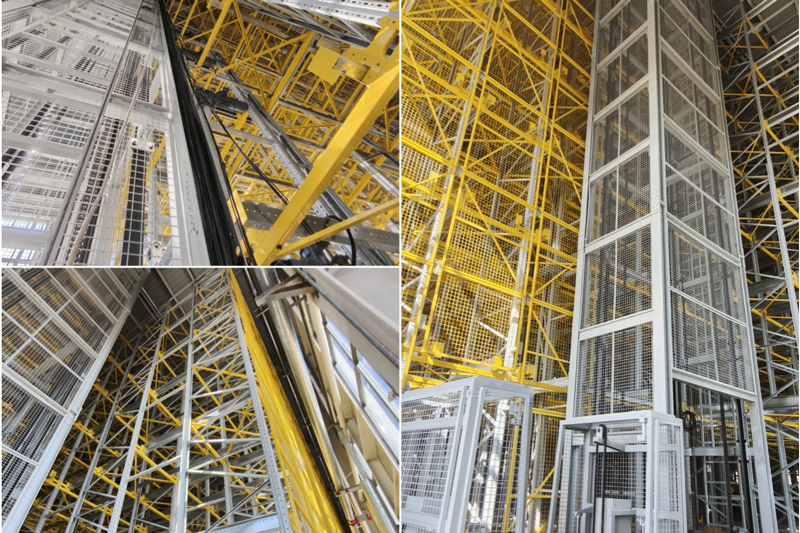
Storage requirements shape the dual-station design. Calculate daily throughput, peak hourly demand, replenishment frequency, and required reserve positions. The IFR World Robotics 2024 report recorded 541,302 new industrial robot installations in 2023, showing continued automation growth. However, more automation does not fix poor slotting. Keep fast-moving totes near accessible positions. Confirm aisle width, floor loading, fire clearances, battery charging, and maintenance access. One overlooked detail: dust or moisture can change tote friction. Pilot testing may reveal this late. That is uncomfortable, but useful. A reliable Shuttle Robot selection includes measured loads, realistic dimensions, and storage growth over three to five years.

Compare Shuttle Robot Designs and Operating Mechanisms

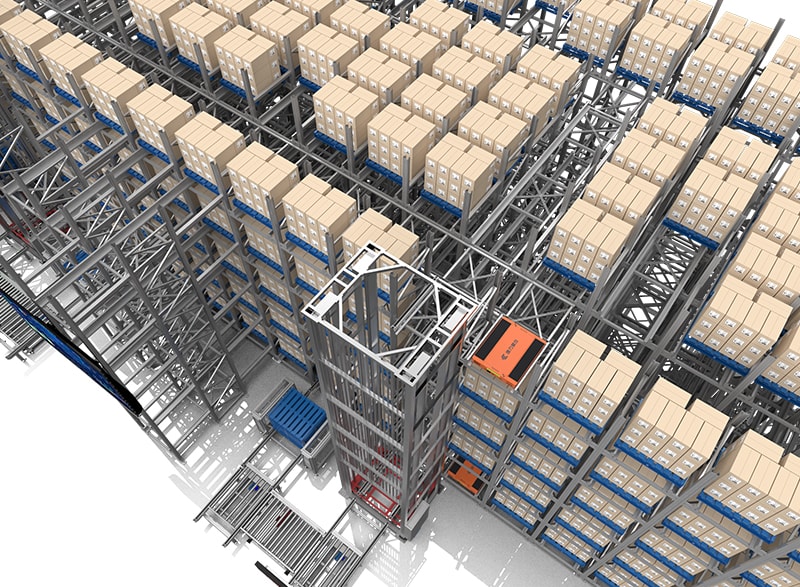
Choosing a dual station tote shuttle robot requires more than checking its advertised speed. The design must match tote dimensions, load weight, aisle length, and station placement. A rail-guided shuttle offers stable movement and accurate positioning. It suits fixed storage lanes with repeatable traffic. A wheel-driven design provides greater layout flexibility, but floor flatness becomes more important. Small deviations can affect alignment.

Compare the operating mechanism at each transfer point. Belt conveyors usually move totes smoothly and support frequent handoffs. Roller systems can handle rigid containers well, but poorly positioned totes may create gaps. Telescopic forks save aisle space and reach deeper locations. They also add moving parts and require careful maintenance. A lift-based shuttle can serve different storage levels, although its vertical cycle may reduce peak throughput. Dual stations improve flow when one station receives a tote while the other completes dispatch. This benefit disappears when software releases poorly sequenced tasks.

Measure the aisle.

In warehouse evaluations, I would record cycle time under full load, not empty travel. Check stopping accuracy after repeated runs. Listen for unusual vibration near the rails, wheels, and lifting unit. Controls should show tote location, battery status, faults, and recovery steps clearly. Safety sensors need practical testing with blocked paths and misplaced totes. No design is perfect. A compact robot may reduce construction work but limit future tote sizes. A faster mechanism may also demand more service attention. I would leave capacity for seasonal peaks, because operating at the limit often exposes weaknesses that specifications overlook.

Evaluate Station Layout, Throughput, and Travel Performance

How to Choose a Dual Station Tote Shuttle Robot?

A dual station layout should match real picking behavior, not just fit a floor plan. Measure aisle width, tote presentation height, replenishment paths, and operator reach. A Tote Shuttle System can reduce handoffs when inbound and outbound stations sit near the same work zone. However, two stations may create congestion if both request totes during peak waves. MHI’s 2024 Annual Industry Report found that 55% of respondents planned to increase investment in supply chain technology. That investment needs measurable design logic.

Throughput depends on the complete cycle. Include shuttle travel, lift movement, tote transfer, station service time, and empty-return travel. A robot rated for fast movement may still underperform beside a slow workstation. Build a peak-hour model using orders per hour, totes per order, and realistic buffer capacity. Allow at least 15% to 20% capacity headroom; demand rarely follows the average forecast. WERC benchmarking reports also encourage comparing distribution centers through normalized productivity measures, rather than isolated equipment speed.

Travel performance deserves practical testing. Record loaded and empty travel separately. Check acceleration near rack ends, crossing points, and station queues. Shorter routes are not always better if they increase interference. A digital simulation may show perfect flow, yet floor trials can expose uneven tote placement or delayed scans. That gap is worth admitting. Evaluate battery recovery, fault-reset time, and travel consistency over a full shift. Review results against ISO 3691-4 safety expectations and documented site risks before approving the final layout.

Review Software, Controls, Safety, and System Integration

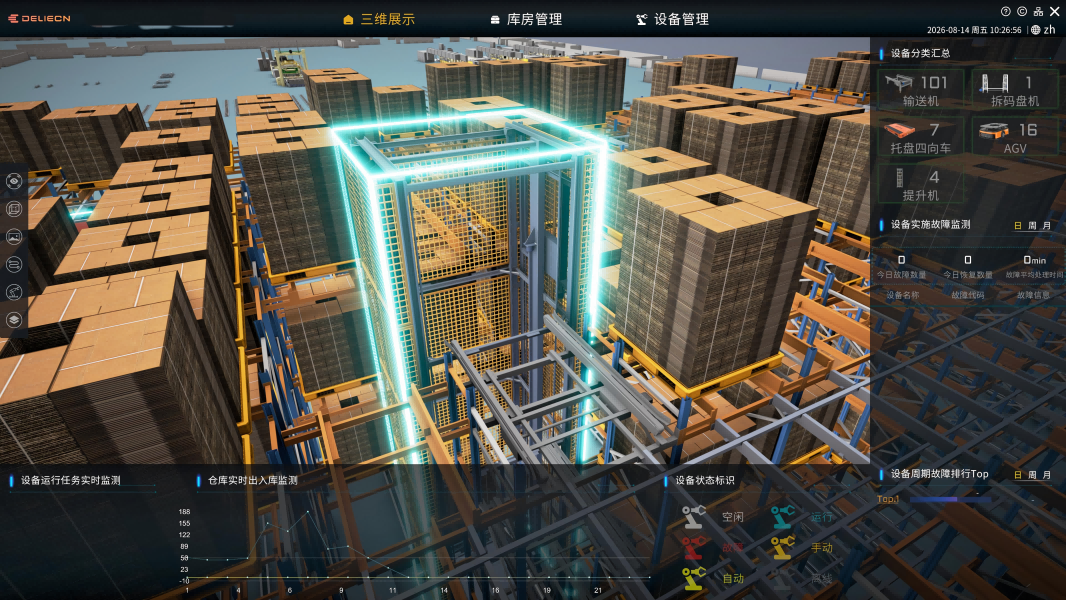
Choosing a dual-station tote shuttle robot requires more than checking speed and storage density. Review the software beside a live aisle. Can it show tote locations, battery status, blocked routes, and pending tasks in real time? Operators should edit priorities without hidden menus. The control layer must recover after network loss, scanner errors, or misplaced totes. Test the exception paths. During a warehouse assessment, I found a fast simulation looked excellent, yet manual recovery took several minutes. That gap matters during a busy shift. Ask for event logs, user permissions, alarm history, and data export options. These details reveal whether the system remains manageable after installation.

Safety needs practical observation, not only a certificate folder. Check guarded transfer points, emergency stops, speed limits, light curtains, and maintenance access. Watch the robot approach both stations with uneven tote loads. A Robot Pallet Shuttle may behave differently when aisles are crowded or floors are slightly uneven. Controls should coordinate conveyors, lifts, scanners, warehouse software, and fire protection interfaces. Confirm signal ownership before commissioning. Run restart tests, sensor-failure tests, and controlled evacuation drills with trained staff. Integration often exposes the weakest assumption. Do not ignore noise, charging heat, or awkward service positions.

Tips: Request a short pilot using real totes and peak-hour task patterns. Measure recovery time, not only throughput. Let operators score screen clarity after several shifts. Recheck every safety zone after layout changes. Leave room for honest redesign; the first layout may work on paper but feel uncomfortable in practice.

How to Choose a Dual Station Tote Shuttle Robot? - Review Software, Controls, Safety, and System Integration

Evaluation Area Suggested Weight Recommended Requirement Review Questions and Evidence Practical Benchmark Rating
Application Fit 10% The robot should support the tote dimensions, payload, aisle layout, station arrangement, and required storage depth of the operation. Are maximum tote size, payload, center of gravity, and allowable tote conditions clearly documented? Can the system handle empty, full, and partially filled totes? All operating totes remain within the published dimensional and load limits. 1–5
Dual-Station Throughput 15% The design should enable two simultaneous tote handoffs or work positions without creating avoidable blocking or excessive waiting. Is the second station independently addressable? What is the demonstrated cycle time with both stations active? How are station conflicts prioritized? Supplier provides measured cycle-time data for single-station and dual-station operation under representative loads. 1–5
Fleet Management Software 12% The software should provide job creation, tote tracking, task prioritization, fleet visibility, alarms, and operational reporting. Can operators view robot status, battery level, active missions, blocked locations, and error codes? Are historical events exportable for analysis? Real-time dashboard, searchable event history, role-based access, and standard data export are available. 1–5
Warehouse Control Integration 12% The control layer should exchange tote, inventory, order, and task information with warehouse or manufacturing systems. Which interfaces are supported? Are APIs, message queues, or industrial protocols documented? How are duplicate, delayed, or failed messages handled? End-to-end test confirms reliable task acknowledgment, tote identity tracking, and recovery from communication interruptions. 1–5
Robot Controls and Navigation 10% The robot should navigate accurately, manage traffic, detect obstacles, and recover safely from normal interruptions. How is positioning maintained? Can routes, speed zones, and one-way areas be configured? What happens after a blocked path or loss of localization? Demonstrated navigation remains stable in representative traffic, lighting, floor, and obstruction conditions. 1–5
Safety Functions 15% The system should include protective sensing, emergency stopping, controlled restart, speed limitation, and risk-based safeguarding. Is a documented risk assessment available? Are safety circuits, protective fields, warning indicators, and reset procedures validated? Can safety events be logged? Safety functions are tested during commissioning and documented with clearly defined operating and maintenance procedures. 1–5
Station Interface 8% Both tote stations should provide accurate handoff detection, presence confirmation, alignment control, and clear operator feedback. How does the robot confirm tote arrival and successful transfer? What prevents a tote from being released at an incorrect or occupied station? Handoff sensors and interlocks prevent misplacement, double occupancy, and unverified tote release. 1–5
Reliability and Availability 8% The solution should maintain predictable operation, provide fault diagnostics, and minimize recovery time after stoppages. Are uptime assumptions, mean time between failures, recovery procedures, and spare-parts requirements documented? Which faults can operators clear without service support? Performance is measured using defined availability, downtime, and recovery-time metrics during a representative trial. 1–5
Battery and Charging 5% Charging should support the planned operating schedule without causing frequent manual intervention or mission disruption. What is the expected operating time under rated payload? Is charging automatic? How are low-battery missions rescheduled or handed over? The charging strategy covers the required shifts and includes documented battery replacement and maintenance procedures. 1–5
Maintenance and Serviceability 5% Routine inspection, cleaning, sensor replacement, software updates, and troubleshooting should be straightforward and documented. Are maintenance intervals, service tools, manuals, training, remote support, and escalation procedures included? Operators can complete routine checks, while critical repairs have defined response times and spare-part availability. 1–5
Scalability and Future Expansion 5% The architecture should allow additional robots, storage locations, stations, shifts, and workflows without a complete redesign. What are the system limits for robots, stations, missions, and storage locations? Can software changes be made without stopping all operations? A documented expansion plan identifies capacity limits, licensing implications, and required infrastructure changes. 1–5
Data, Cybersecurity, and Access Control 5% Operational data and control access should be protected through authentication, permissions, backups, and controlled software changes. Are user roles separated? Are communications protected? How are backups, patches, audit logs, and remote access managed? Access is role-based, changes are traceable, backups are tested, and remote connections require approval. 1–5
Implementation and Total Cost 5% The proposal should cover equipment, software, integration, installation, training, support, utilities, and ongoing maintenance. Are acceptance criteria, project milestones, site responsibilities, exclusions, training, warranty, and recurring costs clearly stated? The business case includes capital cost, operating cost, labor impact, implementation risk, and expected payback assumptions. 1–5
Total Evaluation 100% Calculate the weighted score using: Rating × Suggested Weight. Require satisfactory results in safety and integration before comparing commercial scores. Weighted Score
Scoring Guide: 1 = Does not meet the requirement; 2 = Major gaps; 3 = Meets the basic requirement; 4 = Strong capability with documented evidence; 5 = Exceeds the requirement and has been validated in a representative operating trial.

Calculate Total Cost, Maintenance Needs, and Future Scalability

Choosing a Dual Station Tote Shuttle Robot starts with the full operating cost, not the purchase quote. Include the robot, charging equipment, conveyors, software, installation, training, and floor preparation. Energy use matters too. A system running two shifts may consume less than extra manual labor, but only if station utilization stays high. Request a five-year cost model with labor savings, downtime, spare parts, and software fees shown separately.

Maintenance costs are often underestimated. Track battery replacement, wheel wear, sensors, cables, and shuttle alignment. Ask how technicians access each unit without stopping the entire system. A dual-station design can improve availability, but it does not remove every failure point. I have seen operations protect only the robots and overlook conveyor motors. That creates an expensive bottleneck. Set inspection intervals, response times, and a practical manual recovery procedure.

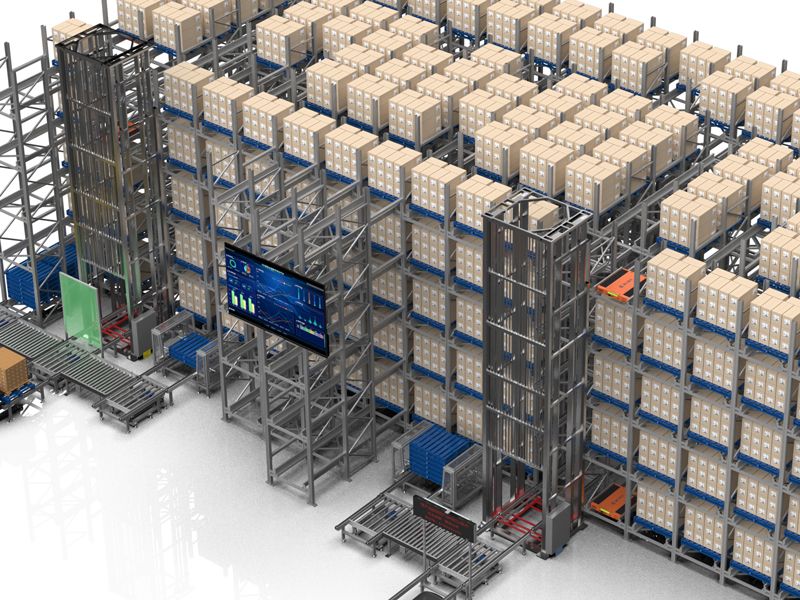
Future scalability needs measurable assumptions. Record current tote volume, peak hourly demand, storage density, and expected growth. Then calculate the cost of adding robots, stations, chargers, and control capacity. A Pallet Shuttle Robot may handle another load profile, so do not copy its capacity figures without testing. Leave space for new lanes and larger control cabinets. Run a simulation using real tote weights and mixed order patterns. Spreadsheets can mislead. Physical tests reveal awkward handoffs, uneven loading, and delays that forecasts miss.

How to Choose a Dual Station Tote Shuttle Robot?

Five-year total-cost planning model for a dual-station tote shuttle system. The comparison separates initial equipment and integration costs, cumulative maintenance, and the budget reserved for future expansion. Values are non-brand-specific estimates in USD thousands and should be validated with project quotations.

A larger system increases upfront investment but can reduce cost per tote handled when capacity is fully used. When comparing suppliers, review maintenance coverage, spare-parts availability, software upgrade terms, and whether the design supports additional robots, stations, and storage lanes without major reconstruction.

High-Throughput Tote Lifters for Small Items: Boosting Efficiency in Material Handling

# High-Throughput Tote Lifters for Small Items: Boosting Efficiency in Material Handling

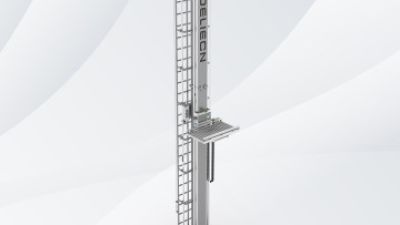
The rapid growth of e-commerce, pharmaceuticals, retail, and cold-chain distribution is increasing demand for faster small-item handling. The 2024 MHI Annual Industry Report found that 55% of supply-chain leaders planned to increase technology investment, reflecting the need for scalable automation. In high-frequency inbound and outbound operations, a tote lifter can move containers quickly between storage levels, conveyors, and picking stations while reducing manual handling and improving workflow consistency.

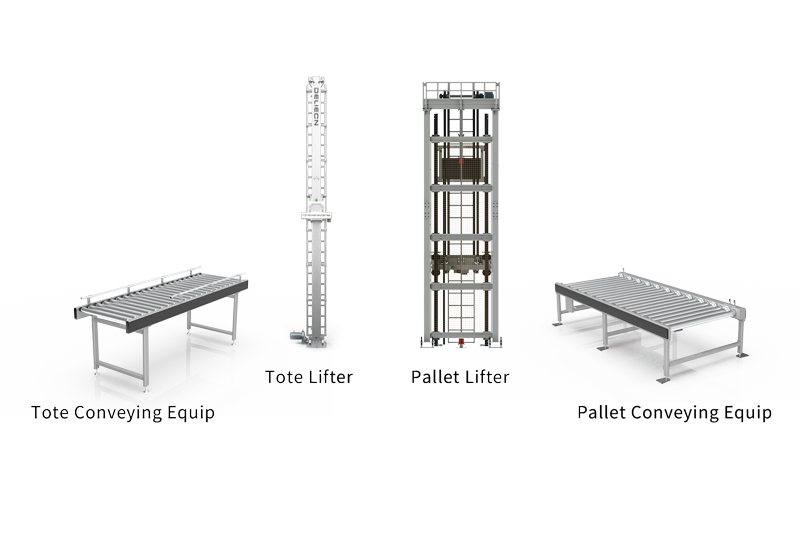
Designed for seamless integration with tote shuttle robots, conveyor systems, and WMS/WCS platforms, a high-throughput tote lifter supports cross-level order picking, batch sorting, and buffer scheduling. Its high-speed lifting mechanism helps maintain smooth product flow when processing multi-SKU and large-volume orders. Modular expansion also allows facilities to adapt equipment capacity as order profiles, storage density, and throughput requirements change.

Deloitte’s 2024 supply-chain research highlights the importance of flexibility and digital integration as companies respond to volatile demand and shorter fulfillment windows. By connecting lifting equipment with automated storage and execution systems, operators can coordinate tote movement with real-time inventory and order data. This approach helps maximize vertical space, reduce transfer delays, and create a more responsive material-handling environment for compact items.

FAQS

What does a dual station tote shuttle robot do?

It moves totes between storage lanes and two operating stations. Its purpose is controlled delivery, not merely speed. It can support picking, replenishment, kitting, or order sequencing.

How should I define the robot’s role?

Describe the job in one clear sentence. For example, “Deliver the correct tote to either station within two minutes.” Then compare that sentence with real workflow data. The first definition may be wrong.

What data should I collect before choosing one?

Record hourly tote demand, waiting time, travel distance, and replenishment interruptions. Check whether both stations need totes simultaneously. Measure normal and peak shifts. Peak periods reveal hidden bottlenecks.

Can one robot serve two stations effectively?

It can, when demand is balanced and routes remain short. However, simultaneous tote requests may create waiting. Track missed deliveries and idle minutes during a pilot. Do not trust average demand alone.

What costs should be included in the purchase decision?

Include the robot, chargers, conveyors, software, installation, training, and floor preparation. Add energy, spare parts, labor changes, and software fees. Request a five-year cost model. Purchase price is only one piece.

Which maintenance issues deserve attention?

Check batteries, wheels, sensors, cables, conveyor motors, and shuttle alignment. Ask how technicians reach a failed unit. The entire system should not stop for one repair. Prepare a practical manual recovery method.

How can I evaluate future scalability?

Record current tote volume, peak demand, storage density, and expected growth. Calculate the cost of adding robots, stations, chargers, and control capacity. Leave space for new lanes and larger control cabinets. Growth plans often look cleaner than reality.

Why is a physical pilot important?

Simulations can miss awkward handoffs, uneven loading, and short delays. Test real tote weights and mixed order patterns. Measure missed deliveries, idle minutes, recovery time, and station waiting. Spreadsheets can mislead.

Conclusion

Choosing the right dual-station tote shuttle robot begins with clearly defining its role in the warehouse, such as buffering, order fulfillment, or goods-to-person picking. Start by reviewing tote dimensions, weight limits, storage density, and the variety of items to be handled. Then compare shuttle designs, movement methods, lifting mechanisms, and station configurations to ensure the system matches operational requirements. Layout planning should consider station placement, aisle length, travel distance, peak throughput, and potential bottlenecks.

A complete evaluation should also cover control software, warehouse system integration, safety functions, traffic coordination, and ease of monitoring. Estimate total ownership costs by including equipment, installation, energy use, maintenance, spare parts, and staff training rather than focusing only on the initial purchase price. Finally, assess reliability, service accessibility, modular expansion, and future capacity needs. A well-selected solution should deliver stable performance today while allowing the warehouse to adapt efficiently as storage volume, order profiles, and workflow demands change.

Aria

Aria

Aria is a dynamic marketing professional specializing in logistics automation, with a deep understanding of the intricacies of intralogistics and advanced robotics technologies. With a commitment to excellence, Aria plays a crucial role in showcasing the company's innovative solutions, which......
Previous What Is an Automated Storage and Retrieval System?