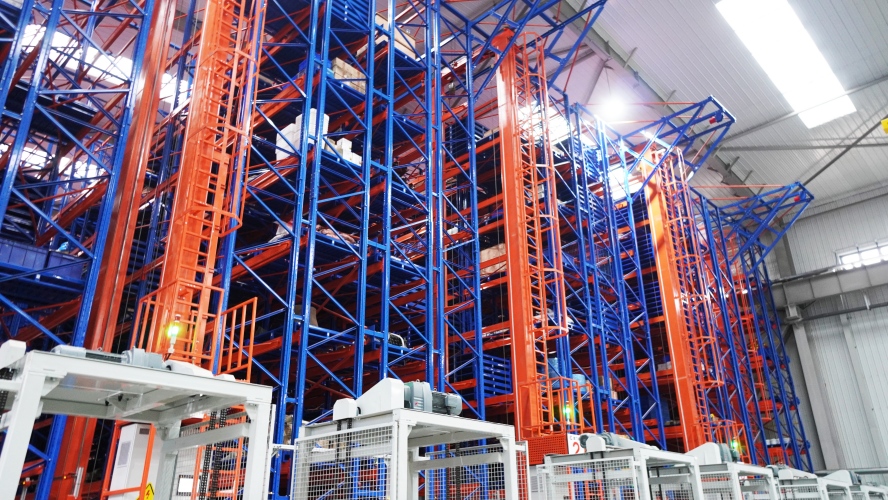
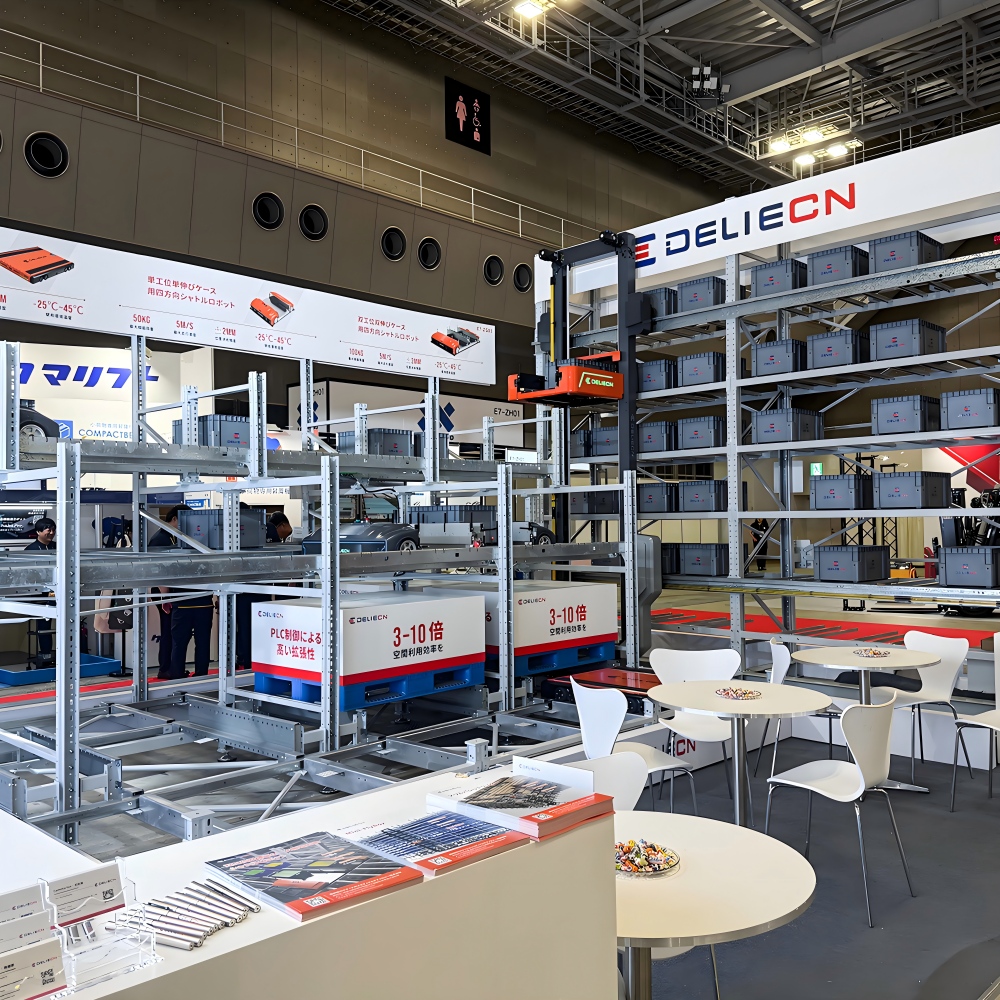
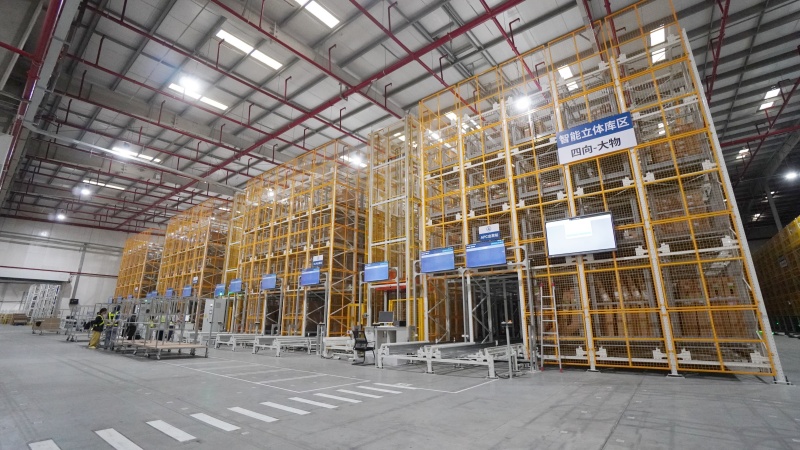
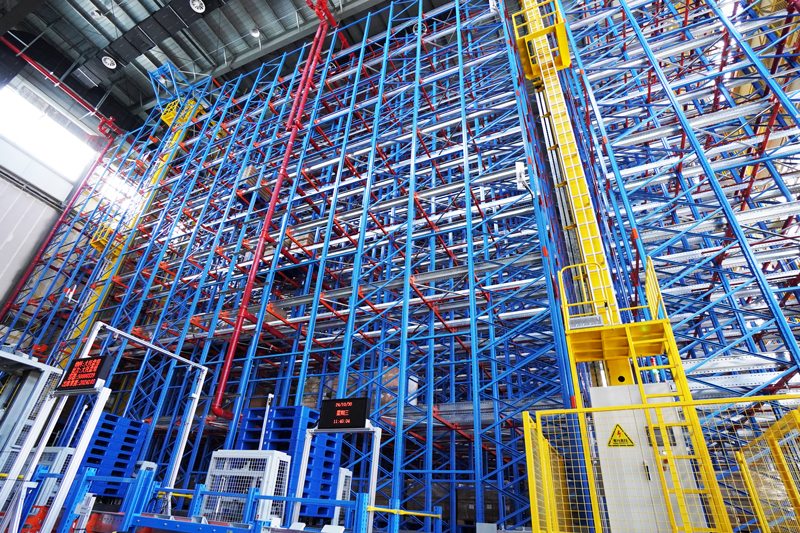
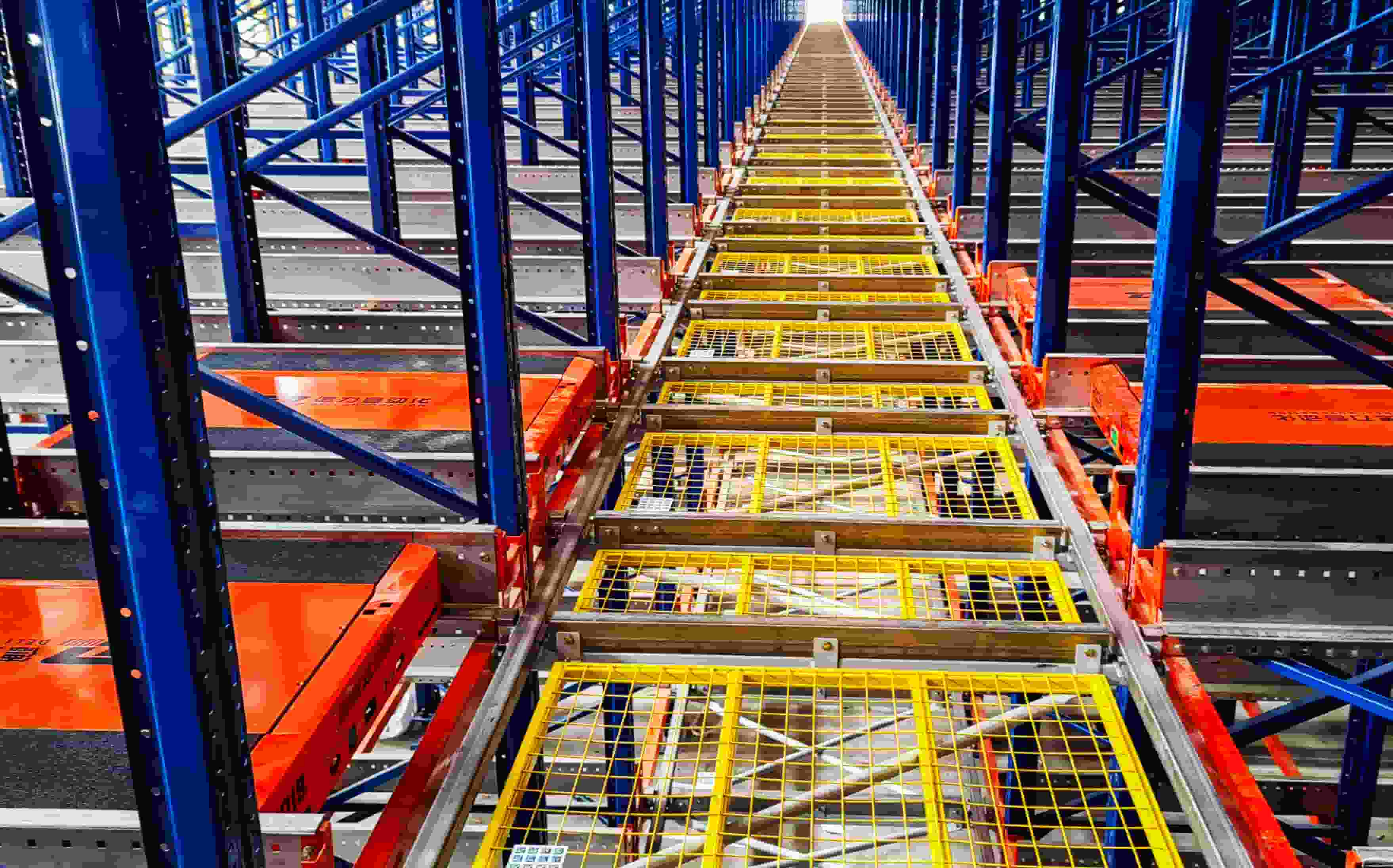
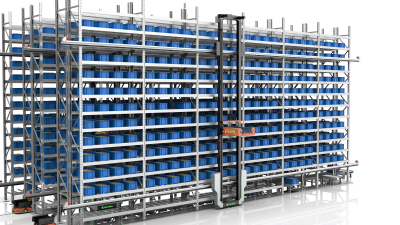
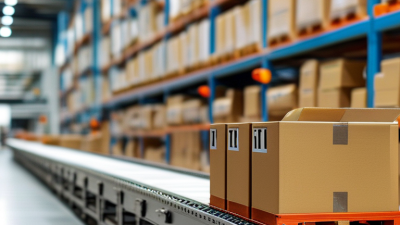
When you're choosing a Warehouse Automation manufacturer in China, it's much more than just comparing prices. It's about finding a partner who really understands your products, your typical order profiles, the limitations of your facility, and where you're headed in the future. Sure, Warehouse Automation can boost storage density, improve picking accuracy, and speed up deliveries— but only if the system fits your daily operations perfectly.
Don’t just get wowed by slick videos or fancy brochures. Dig deeper. Ask how they handle cartons, pallets, conveyor transfers, and how easily their software integrates with your existing systems. Make sure to request clear info on throughput rates, how long their equipment lasts, spare parts availability, maintenance support, and operator training. A trustworthy supplier should also be open about their testing processes and willing to provide references from similar warehouses. If possible, visit an active installation. It’s really helpful to see the system in action during a busy shift.
Details really do count here.
Take a good look at the proposed layout. Something as simple as a few meters misplaced can cause walking delays or make maintenance a nightmare. Double-check if the quote covers everything—controls, installation, start-up support, training, and future upgrades. Sometimes, early price quotes hide pesky gaps in integration, which can be a real pain down the line. It’s totally normal to have honest discussions about these potential issues. The best China Warehouse Automation providers will be happy to answer technical questions rather than dodge them. They should also be upfront about potential risks, like peak-season congestion, unstable data, or limited space. Getting an independent engineering review, especially on bigger projects, can give you extra peace of mind.
Of course, no supplier is perfect. That’s why your team should validate assumptions using real order data, sample cartons, and clear acceptance criteria. Ultimately, choosing the right partner involves a mix of their experience, solid technical evidence, honest communication, and reliable support over the long haul. It’s all about protecting both your system’s performance and your budget.
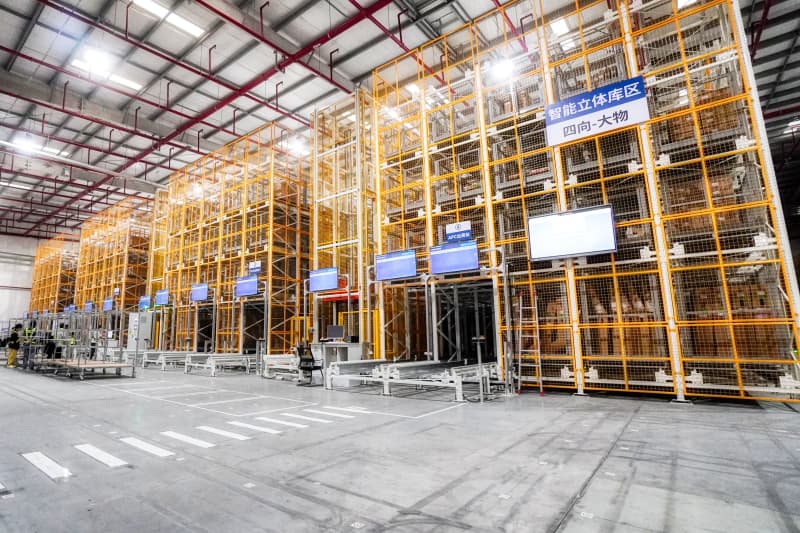
What Is a China Warehouse Automation Manufacturer?
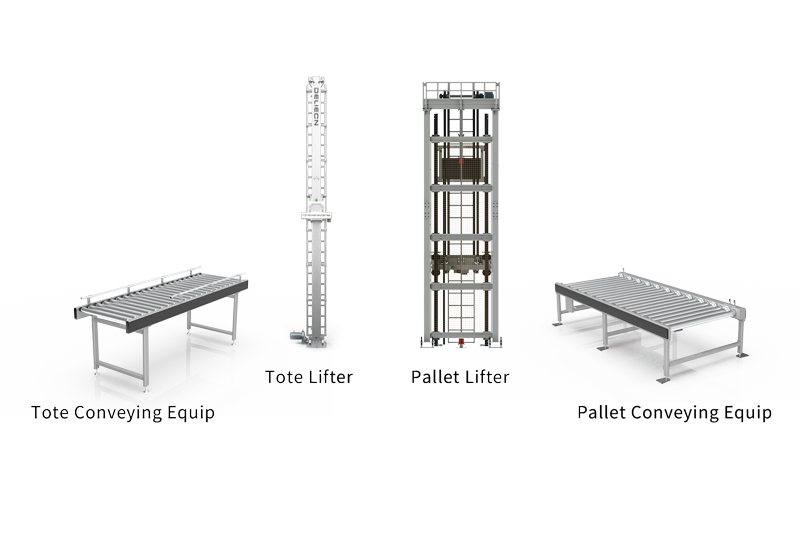
A China Warehouse Automation manufacturer designs, produces, and supports equipment that moves, stores, and controls goods inside a warehouse. Its work may include conveyors, pallet systems, sorters, storage machines, sensors, and warehouse control software. Unlike a simple trading company, a manufacturer usually manages engineering, production, testing, installation, and after-sales service.
The right manufacturer studies your warehouse before suggesting equipment. It should review storage height, floor conditions, product weight, order volume, and future expansion plans. Factory experience matters here. A supplier that has tested similar systems can identify practical risks, such as barcode errors, narrow aisles, or slow manual handovers. However, a good manufacturer can still make a poor recommendation. I learned that impressive equipment does not always fit a real operation.
Tips: Ask for factory videos, technical drawings, safety test records, and references from similar warehouses. Confirm who provides installation, operator training, spare parts, and software updates. Request clear performance data, including throughput, accuracy, recovery time, and power use. Visit the production site if possible. Look beyond polished presentations.
A reliable China Warehouse Automation manufacturer explains limitations in plain language. It should also provide a realistic project schedule and documented acceptance standards.Communication is part of the product. Small misunderstandings about carton sizes or shift patterns can become expensive delays. Choose a team that records requirements carefully, tests the system with your actual goods, and accepts reasonable design changes before production.
Which Warehouse Automation Technologies Do You Need?
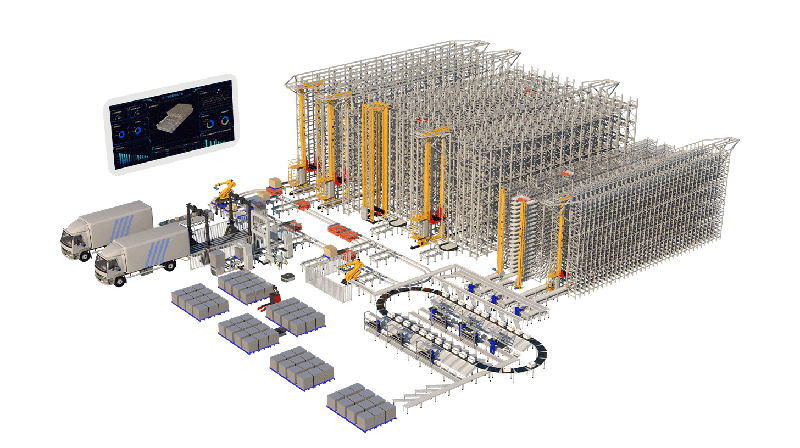
When choosing a China Warehouse Automation manufacturer, begin with your daily warehouse problems, not a product catalogue. Which technologies do you need? Map SKU sizes, order peaks, aisle widths, floor conditions, and worker travel distances. A warehouse handling small cartons may benefit from shuttle storage, goods-to-person stations, and automated picking. Heavy pallets require pallet conveyors, stacker cranes, or robust pallet-moving robots.
Agv Warehouse Automation can reduce repetitive travel, but vehicle routes need careful planning. Check payload limits, turning radii, charging methods, traffic control, and emergency stops. A warehouse management system should exchange accurate inventory data with the automation software. Otherwise, a fast robot can move the wrong carton faster. Vision systems may improve identification, while barcode scanners often remain simpler and more dependable. Sometimes, a conveyor line is unnecessary. That is worth questioning.
Ask manufacturers for installation records, testing procedures, maintenance response times, and operator training plans. Request a simulation using your actual order profiles. A small pilot can expose delays at packing stations or charging areas. Real projects are rarely perfect. Dust, uneven floors, changing cartons, and rushed replenishment can weaken performance. Review spare-parts availability and software update control before signing a contract. An honest supplier should explain capacity limits, not promise unlimited efficiency.
How to Define Your Project Requirements and Budget
Before contacting a China warehouse automation manufacturer, define the work your facility must handle. Record SKU dimensions, weights, storage conditions, order profiles, and daily volumes. Measure peak demand, not only average demand. A system designed for 500 orders daily may fail during seasonal spikes.
List each required process, including receiving, put-away, picking, packing, replenishment, and returns. Specify the accuracy target and acceptable handling time. Also describe your current software, barcode rules, and available floor space. The Automation Warehouse System should fit your operation, not force your team into unsuitable workflows. Include future growth, but avoid paying for capacity you may never use.
Tips: Prepare a simple data sheet with six months of order records. Add photos of aisles, racks, loading areas, and electrical points. Request a layout review, process simulation, and itemized quotation. Separate equipment, software, installation, training, maintenance, and spare parts costs. Keep a contingency allowance of 10–15 percent. A low initial quote can hide integration or civil-work expenses. We have seen this happen. Recheck every assumption. A small pilot may reveal awkward carton sizes, unclear labeling, or slower packing steps before full deployment.
How to Evaluate a Manufacturer’s Technical Capabilities
How to Choose a China Warehouse Automation Manufacturer: How to Evaluate a Manufacturer’s Technical Capabilities
A capable manufacturer should explain how its Warehouse Automation Robots operate in real warehouse conditions. Ask for details about navigation accuracy, payload limits, battery performance, and safety responses. A factory visit can reveal more than a polished presentation. Watch robots move around pallets, narrow aisles, and temporary obstacles. Check whether operators can adjust routes without depending on complicated coding. Request test data from projects with similar storage density, temperature, and order volume. Vague answers usually signal weak engineering control.
Evaluate the complete technical system, not only the machines. The manufacturer should demonstrate software integration with warehouse management and execution systems. Ask how the system handles network interruptions, barcode errors, battery changes, and unexpected congestion. Review maintenance records, spare-parts availability, and remote diagnostic procedures. Reliable suppliers explain both successful results and previous failures. That honesty matters. No evaluation is perfectly clean, though; even experienced teams can underestimate seasonal order peaks.
Tips: Bring your own process data. Ask for a live demonstration. Test one difficult workflow. Compare promised capacity with measured performance. Confirm who will install, train, and support the system after delivery. Also, request clear acceptance criteria before signing a technical agreement. A manufacturer that welcomes tough questions often has stronger practical experience. Still, keep reviewing assumptions during pilot testing. Small details, such as scanner placement or charging delays, can reshape the entire automation result.
How to Verify Quality, Compliance, and Production Standards
Choosing a China manufacturer for Warehouse Automation Systems requires evidence beyond polished brochures. Request ISO 9001 certification, then verify its scope, issuing body, and audit status in the certification database. The ISO Survey 2023 recorded more than 1.26 million ISO 9001 certificates worldwide, so certification alone does not prove engineering quality. It is only a starting signal.
Visit the production site, or arrange a live video audit. Inspect welding seams, cable routing, safety guarding, barcode labels, and spare-parts storage. Ask for material certificates, inspection records, software version control, and factory acceptance test results.
The International Federation of Robotics reported 541,302 industrial robots installed globally in 2023. That figure reflects rising automation capability, but it does not confirm one supplier’s assembly discipline. Demand sample test data, not promises.
Check load accuracy, cycle time, emergency stops, noise, and recovery after power loss.
Compliance must cover the complete system. Ask how the manufacturer handles risk assessment, electrical safety, machine guarding, data protection, and local installation requirements. Relevant standards may include ISO 9001,CE Certification, depending on the equipment and destination. Documents can look complete.
They may not be.
Review rejected-unit records and corrective-action reports. A supplier hiding every defect may be less trustworthy than one showing how failures were fixed. MHI’s 2024 Annual Industry Report identifies robotics and automation as major supply-chain investment priorities, increasing the need for measurable supplier controls. Before signing, require traceable acceptance criteria, independent inspection rights, and production milestones linked to payment.
How to Compare Pricing, Service, and Delivery Terms
Choosing a China warehouse automation manufacturer should not begin with the lowest price. It should begin with a comparable scope. Ask for separate costs for equipment, software, installation, training, spare parts, packaging, and shipping. A low quote may exclude integration work or onsite commissioning. Request line-item pricing and currency details. Then compare identical requirements. One proposal may include twelve conveyor sections, while another includes only ten. Small differences matter.
Service terms often reveal more than a sales presentation. Check technical response times, remote support hours, onsite availability, and spare-parts access. Ask who manages installation and system testing. Include measurable acceptance standards, such as throughput, picking accuracy, noise levels, and recovery time after a fault. If possible, speak with recent customers about actual support performance. Polished promises prove little. Require written service levels.
Delivery terms need equal attention. Compare manufacturing lead time, factory testing, export documentation, transportation, installation, and staff training. Request a milestone schedule with named responsibilities. Payment stages should match verifiable progress, not vague dates. A realistic schedule is safer than an impressive promise. Delays still happen. Include change-control procedures and storage responsibilities in the contract. Check whether critical sensors, scanners, and control parts are available locally or require international shipment. One overlooked spare part can stop an otherwise complete warehouse. I would question every unclear assumption before signing.
How to Select the Right Long-Term Automation Partner
How to Choose a China Warehouse Automation Manufacturer?
Choosing a long-term automation partner requires more than comparing equipment prices. Study the manufacturer’s engineering experience, factory controls, and completed warehouse projects. Ask for references from operations with similar volumes and product sizes. A reliable supplier should explain throughput, error rates, maintenance needs, and expansion limits clearly. Avoid impressive promises without test data.
Tips: Visit the production site if possible. Watch a live factory acceptance test. Check wiring quality, safety sensors, software alarms, and spare-parts storage. Ask who will answer a service call at 2 a.m. Confirm response times, training plans, documentation, and remote-support procedures. Review contract terms for upgrades, warranties, and system ownership. Small details matter.
Long-term cooperation also depends on communication. Your partner should involve warehouse operators before final design approval. They understand bottlenecks that drawings may miss. Require clear project milestones, installation records, and performance reports after launch. A low initial quote can hide costly integration work. Sometimes, the cheapest design is not the safest choice. No audit is perfect. Recheck assumptions after the first three months of operation, because real order patterns often differ from forecasts. Choose a manufacturer willing to admit limitations, correct mistakes, and improve the system with you.
Pallet Stacker Cranes: The Smart Path to Automated Warehouse Efficiency
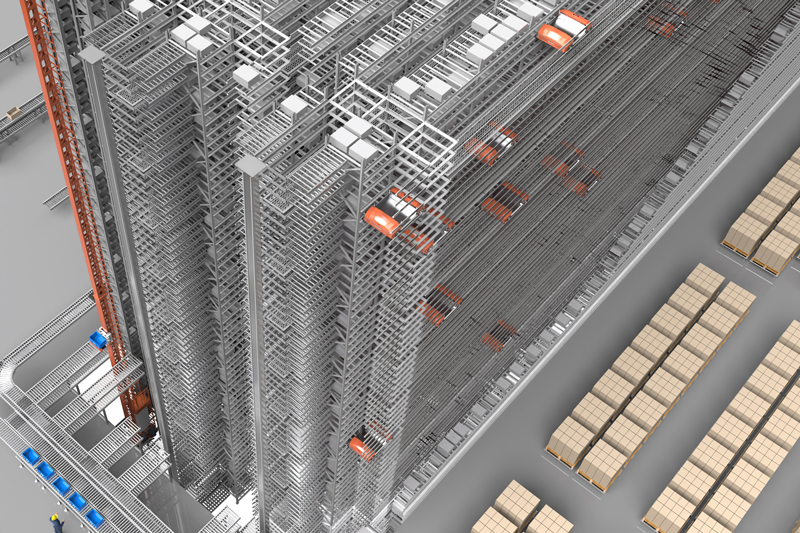
Pallet stacker cranes offer a smart path to automated warehouse efficiency by combining high storage capacity with precise, reliable material handling. Designed for high-volume and high-frequency automated storage and retrieval systems, these cranes support single-deep, double-deep, and multi-deep pallet configurations. Single-column, double-column, and curve-going models can be selected according to layout, load requirements, and storage density, allowing warehouses to make better use of vertical space while maintaining smooth pallet movement.
Built to meet FEM standards, modern pallet stacker cranes can reach operating heights of up to 40 meters and manage heavy loads during continuous inbound and outbound operations. Their stable performance in both ambient warehouses and cold storage environments down to -25°C helps businesses maintain consistent productivity under demanding conditions. With automated positioning, accurate pallet access, and coordinated warehouse control, they can reduce manual handling, improve inventory flow, and support safer daily operations. These systems are well suited to food and beverage, pharmaceutical, chemical, and e-commerce facilities seeking higher throughput, greater storage density, and more dependable warehouse performance.
FAQS
Record SKU sizes, weights, storage conditions, and daily order volumes. Measure peak demand, not only average demand. Include receiving, put-away, picking, packing, replenishment, and returns. Six months of order records can reveal useful patterns.
Average volume can hide seasonal pressure. A system handling 500 daily orders may struggle during promotions. Check the busiest days and hours. Forecasts are rarely perfect.
Share floor plans, aisle widths, rack locations, loading areas, and electrical points. Add clear photographs. Describe barcode rules and current software. Small layout details can affect installation.
Request separate prices for equipment, software, installation, training, maintenance, and spare parts. Check integration and civil-work expenses carefully. Keep a contingency allowance of 10–15 percent. A low quote may not be complete.
Review engineering experience, factory controls, and similar completed projects. Ask for references involving comparable products and order volumes. Require test data for throughput, error rates, maintenance, and expansion limits. Attractive promises are not enough.
Watch a live acceptance test when possible. Check wiring, safety sensors, software alarms, and spare-parts storage. Ask how urgent service calls are handled. Details matter.
Confirm response times, training, documentation, remote support, warranties, upgrades, and system ownership. Identify who supports the system outside normal hours. Make responsibilities visible in writing.
Operators see bottlenecks that drawings may miss. They can explain awkward cartons, unclear labels, and slow packing steps. Their feedback may change the design. We may overlook something without them.
A small pilot can expose handling problems early. Test carton sizes, labeling, packing time, and order accuracy. Review the results before expanding. Real operations can be humbling.
Compare actual orders, errors, handling times, and maintenance needs with the original assumptions. Review performance after three months. Adjust workflows when real patterns differ from forecasts. No audit is perfect.
Conclusion
Choosing the right China Warehouse Automation Manufacturer requires a clear understanding of your warehouse goals, operating processes, and future growth plans. Begin by identifying the technologies you need, such as conveyors, automated storage and retrieval systems, sortation equipment, robotics, or warehouse management software. Define your project scope, performance targets, available space, implementation schedule, and budget before contacting potential suppliers. This preparation makes it easier to compare solutions and avoid unnecessary costs.
When evaluating manufacturers, examine their engineering expertise, customization capabilities, production capacity, testing procedures, and experience with projects similar to yours. Verify quality control systems, safety practices, certifications, and compliance with applicable regulations. Pricing should be assessed together with warranty coverage, installation support, training, spare parts availability, delivery terms, and after-sales service. The best partner is not always the lowest-cost option, but the manufacturer that offers reliable technology, transparent communication, practical project management, and dependable long-term support.

 Industries
 Services
 About Us
 AS/RS Handling Robot
 Vertical Storage Module
 Conveying Equipment
 Smart Warehousing System
 Warehouse Racking