Leave Your Message
0%

Picking an Automated Pallet Storage System isn’t just about comparing price tags. Honestly, it’s a warehouse design decision. The right supplier has to tie together storage density, pallet flow, software control, safety, and long-term service.

As Martin Christopher, a well-known supply-chain expert, put it: “Supply chains compete, not companies.” That still rings true here. A high-bay system can look great on paper, but if the software integration is weak, you’ll feel it at receiving and picking. Small details matter. So do forklift routes. Battery charging matters, too. And so does how quickly you recover after a system fault.

This intro looks at ten major suppliers—Dematic, SSI SCHAEFER, Vanderlande, Daifuku, Honeywell Intelligrated, Swisslog, Mecalux, TGW Logistics, KNAPP, and Witron. We compare Shuttle Systems, stacker cranes, pallet flow, warehouse control software, installation support, scalability, and lifecycle costs. We also consider real-world conditions: ceiling height, fire protection, pallet quality, temperature, and daily throughput.

No ranking lasts forever. A supplier that shines in a big European distribution center may not be the right fit for a smaller Asian facility. That’s a key limitation. Buyers want different things, and specs on paper don’t always show how hard maintenance will be or where integration risks hide. So this guide treats supplier selection as a verification process, not a final verdict.

Before you decide, ask for reference projects, service-level details, energy data, and realistic performance tests. A careful review can uncover hidden costs before construction starts. The best Automated Pallet Storage System isn’t always the fanciest one. It’s the one that keeps running reliably under your actual operating conditions.

China Top 10 Automated Pallet Storage System Suppliers

What Is an Automated Pallet Storage System?

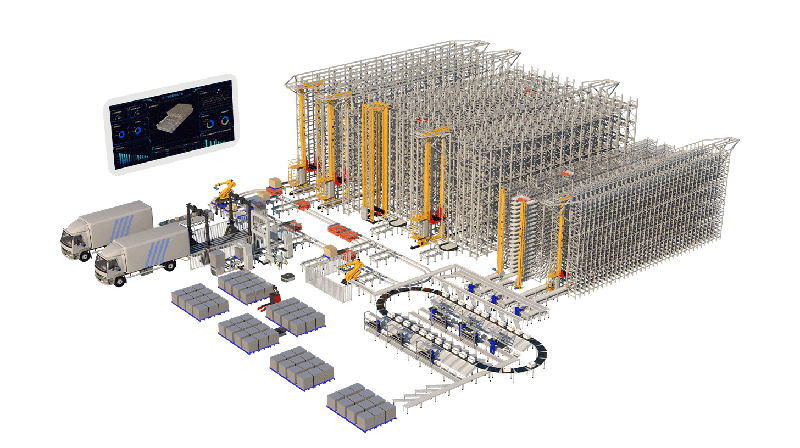
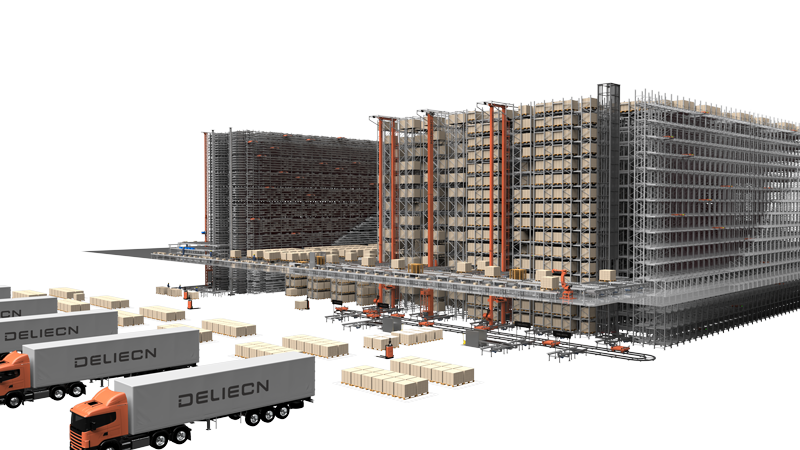
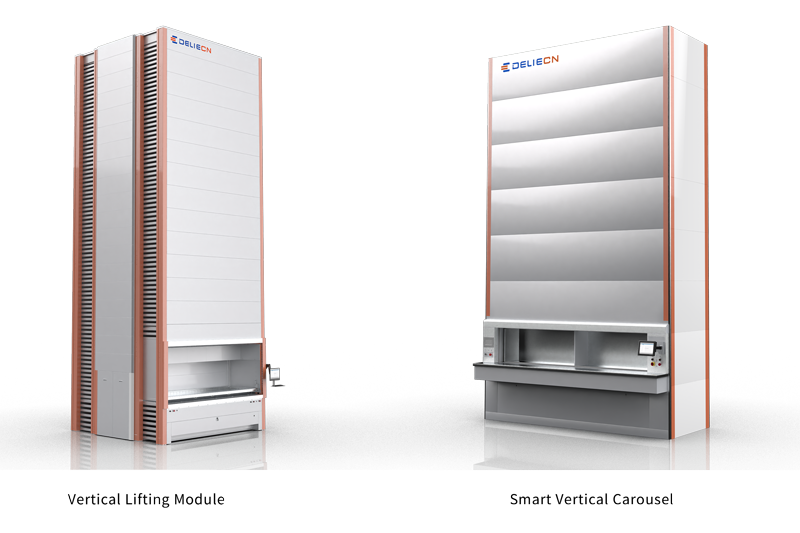
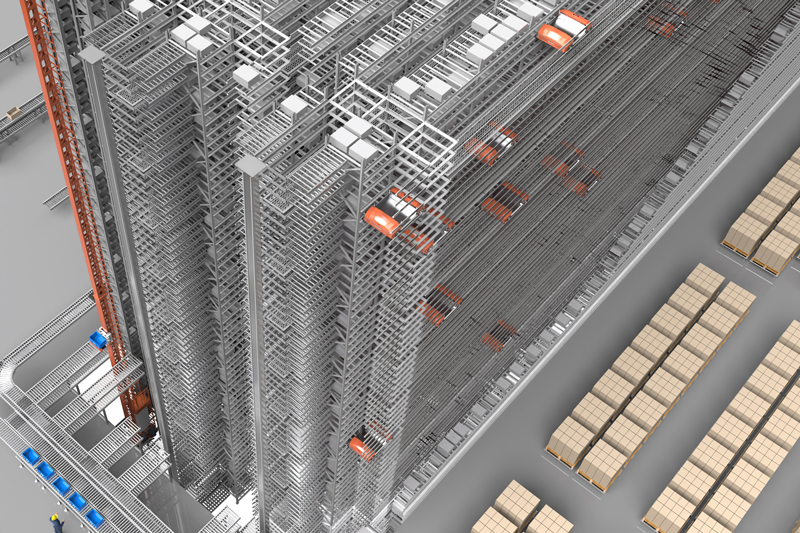
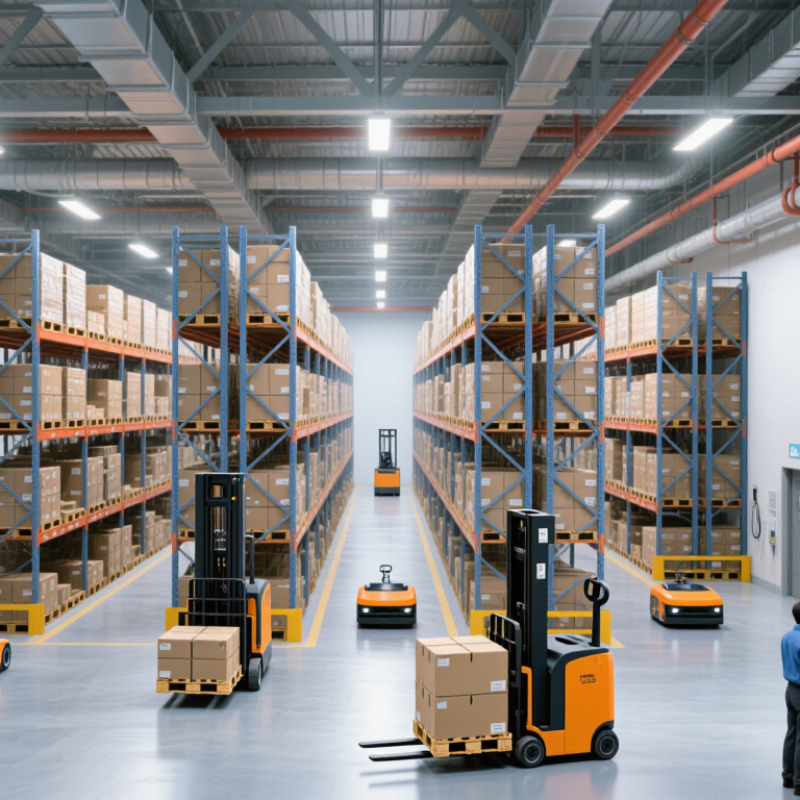
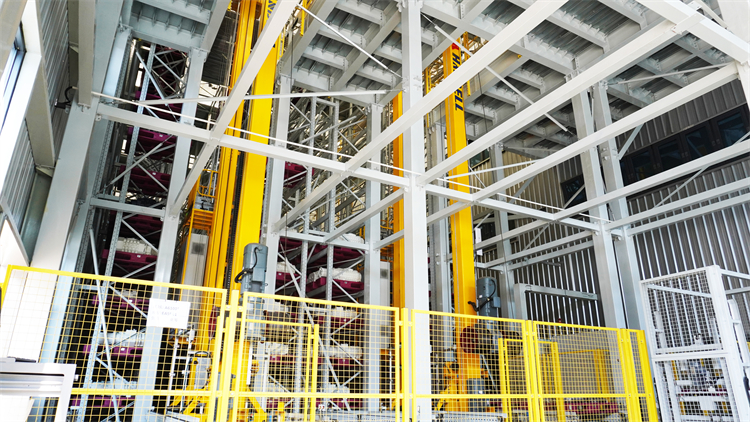
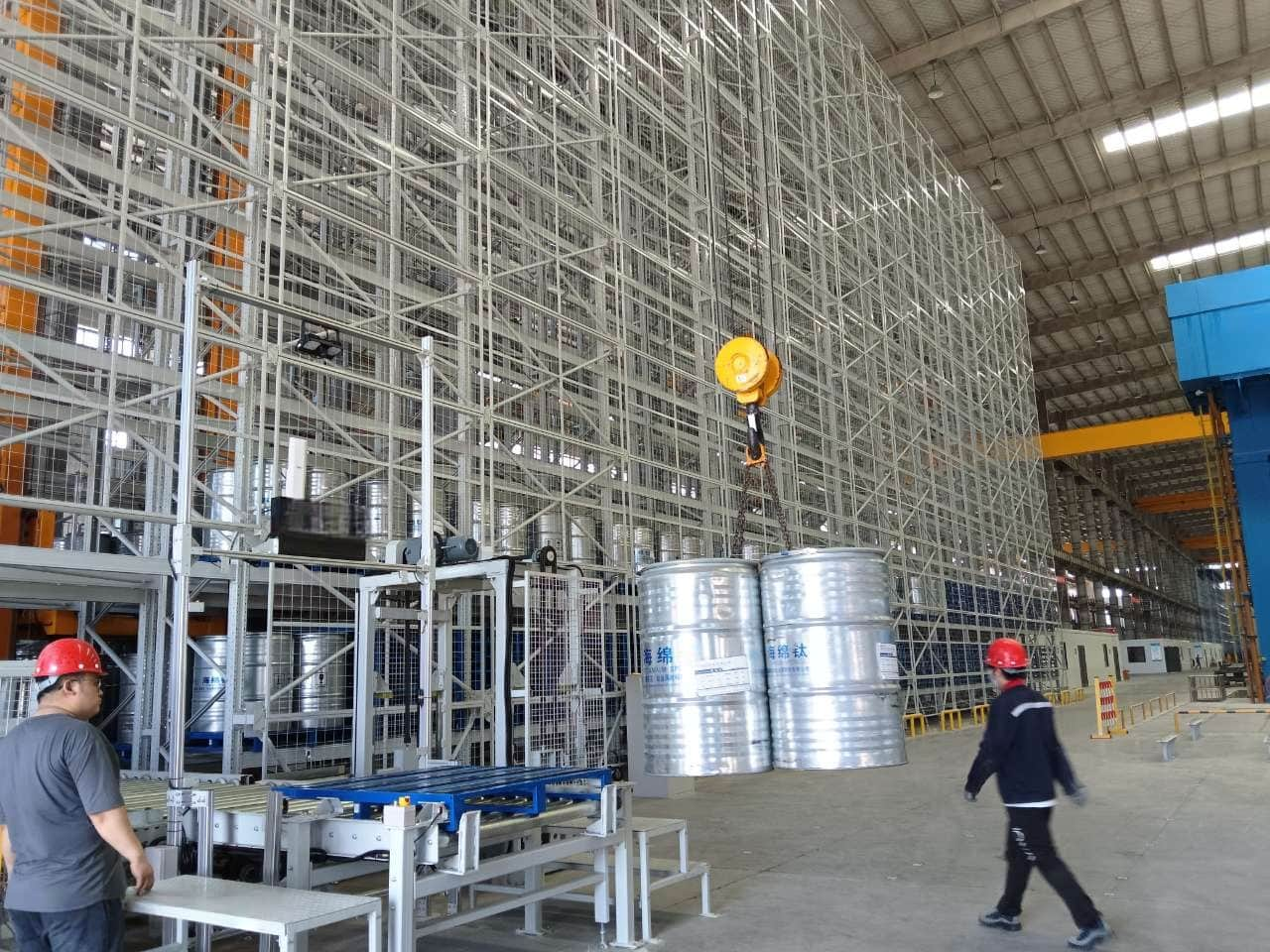
An Automated Pallet Storage System is a warehouse arrangement that stores and retrieves palletized goods with limited manual handling. It uses storage racks, conveyors, cranes, shuttles, scanners, and control software. Instead of searching for locations, workers send instructions through a warehouse management system. The equipment then places each pallet in a defined slot and records its position. A typical system supports high-bay storage and makes better use of vertical space. That sounds simple. But it is not.

In daily operation, an operator scans a pallet label at the receiving point. The software checks its size, weight, destination, and storage rules. A crane or shuttle carries the pallet to an available location. Sensors confirm movement, alignment, and pallet presence. When an order arrives, the system retrieves the correct unit and delivers it to a picking station. This can reduce travel time, product damage, and counting errors, especially in busy distribution centers.

Good performance depends on accurate data and suitable pallet quality. Broken boards, uneven loads, or unclear labels can interrupt the process. Temperature, dust, floor flatness, and emergency access also require careful planning. The technology is not magic. A poorly designed workflow may simply automate confusion. Reliable suppliers should explain capacity, recovery procedures, maintenance needs, and safety controls in measurable terms. Operators also need practical training, because a screen cannot replace sound judgment during unusual situations.

How Automated Pallet Storage Systems Work

How Automated Pallet Storage Systems Work

An automated pallet storage system connects conveyors, storage equipment, sensors, and warehouse software. At receiving, operators scan each pallet’s barcode or RFID tag. The warehouse management system checks its destination, product type, weight, and expiry date. A warehouse control system then directs the pallet to a crane, shuttle, or lift. The equipment places it into a defined rack location.

When an order arrives, software selects the correct pallet. The machine retrieves it and sends it to a picking or dispatch station. Inventory updates happen automatically after each movement. This creates a clear digital trail and reduces manual travel. MHI’s 2024 Annual Industry Report found that 43% of supply chain professionals planned to increase technology investment. That interest is understandable, but automation is not magic. Poor data, uneven pallets, or weak integration can still create delays.

Tips: Measure pallet dimensions carefully before choosing equipment. Confirm load weight, rack height, temperature, fire protection, and emergency access. Test FIFO or FEFO rules with real inventory, not only simulations. Interact Analysis reports that warehouse automation demand continues to grow, yet implementation results depend heavily on software integration and operational discipline. One overlooked detail matters: damaged pallets may stop a high-speed system. Build inspection and exception-handling steps into the workflow.

China Top 10 Automated Pallet Storage System Suppliers - How Automated Pallet Storage Systems Work
No. Automated System Configuration How the System Works Typical Pallet Load Typical Storage Height Typical Throughput Suitable Applications Key Selection Factor
1 Single-Deep Pallet Crane AS/RS A computer-controlled stacker crane travels along an aisle, lifts pallets vertically, and places or retrieves them from one position deep. 500–1,500 kg per pallet 8–30 m 20–60 pallet movements per hour per crane High-SKU warehouses requiring direct access to every pallet High selectivity and accurate inventory control
2 Double-Deep Pallet Crane AS/RS A stacker crane stores pallets two positions deep, increasing storage density while retaining access to the front pallet position. 500–1,500 kg per pallet 10–30 m 20–50 pallet movements per hour per crane Medium-SKU operations with repeated pallet demand Higher density with reduced immediate accessibility
3 Multi-Deep Shuttle AS/RS Motorized shuttles transport pallets within storage lanes, while lifts or transfer cars move shuttles between levels and zones. 500–1,500 kg per pallet 6–25 m 30–120 pallet movements per hour per zone High-volume goods with several pallets per SKU Excellent density and scalable lane capacity
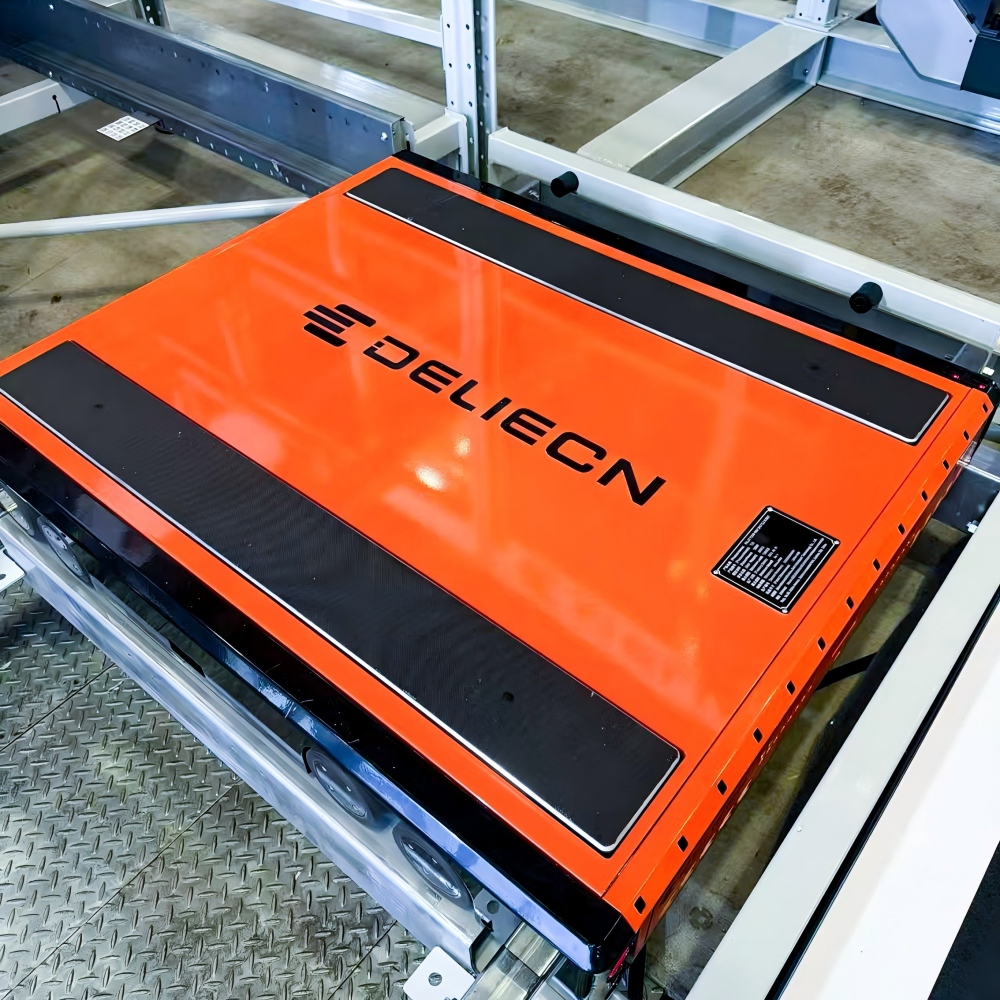
4 Pallet Shuttle Racking System A radio-controlled shuttle enters deep storage channels, transports pallets horizontally, and returns to a charging or parking position. 500–1,500 kg per pallet Up to approximately 15 m 20–80 pallet movements per hour per shuttle Cold storage, batch storage, and high-density warehouses Temperature tolerance, battery life, and lane depth
5 Pallet-Car AS/RS Independent pallet cars move horizontally on rails inside storage levels and connect with lifts or vertical transfer units. 500–1,500 kg per pallet 6–24 m 30–100 pallet movements per hour per level Large distribution centers with long storage aisles Travel distance, redundancy, and maintenance access
6 Automated Drive-In Storage Automated vehicles enter deep rack lanes and deposit pallets according to a last-in, first-out or batch-storage strategy. 500–1,500 kg per pallet 6–12 m 15–50 pallet movements per hour per vehicle Low-SKU, high-volume products with long production runs Product rotation policy and lane utilization
7 AGV-Based Pallet Storage System Autonomous guided vehicles move pallets between receiving, storage, picking, and shipping areas using mapped routes and warehouse-control commands. 500–2,000 kg per vehicle Floor-level to approximately 12 m with lift modules 10–40 pallet movements per hour per vehicle Flexible layouts and facilities with changing material flows Traffic management, navigation, and floor quality
8 AMR Pallet Transport and Storage Autonomous mobile robots use onboard sensors and software to navigate dynamically and deliver pallets to rack, buffer, or workstation locations. Typically 600–1,500 kg per robot Usually floor-level; lifts may serve elevated locations Variable; commonly 10–35 pallet movements per hour per robot Brownfield upgrades and operations needing route flexibility Payload stability, fleet orchestration, and charging strategy
9 Pallet Conveyor and Buffer AS/RS Powered roller or chain conveyors transfer pallets to automated buffer lanes, lifts, or storage equipment under warehouse-control software. 500–2,000 kg per pallet 3–15 m, depending on rack and lift design 40–180 pallet movements per hour per line Production logistics, staging, and high-volume dispatch zones Pallet quality, accumulation control, and line balancing
10 Hybrid Pallet AS/RS with WCS Integration Cranes, shuttles, conveyors, lifts, and mobile robots operate as one coordinated system through warehouse-management and warehouse-control software. 500–2,000 kg per pallet 6–30 m Project-specific; commonly 50–250 pallet movements per hour Large omnichannel, manufacturing, and distribution facilities Software interoperability, redundancy, and expansion planning

Key Technologies in Automated Pallet Storage

Automated Pallet Storage is shifting from simple rack automation toward connected, data-driven operations. The 2024 MHI Annual Industry Report found that 55% of respondents use inventory and network optimization tools. This signals a practical priority: accurate stock visibility, not only faster movement. Modern systems combine stacker cranes, pallet shuttles, barcode or RFID readers, and warehouse control software. Sensors check position, load weight, and aisle conditions before every movement. Small errors matter.

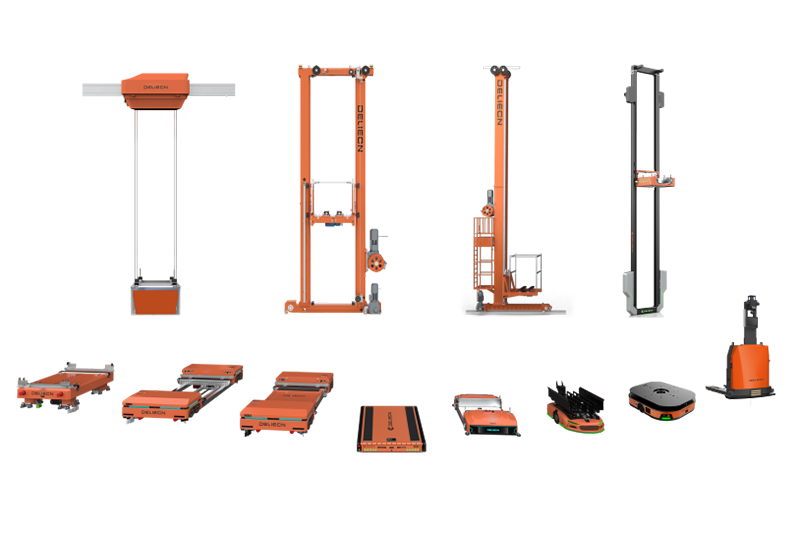
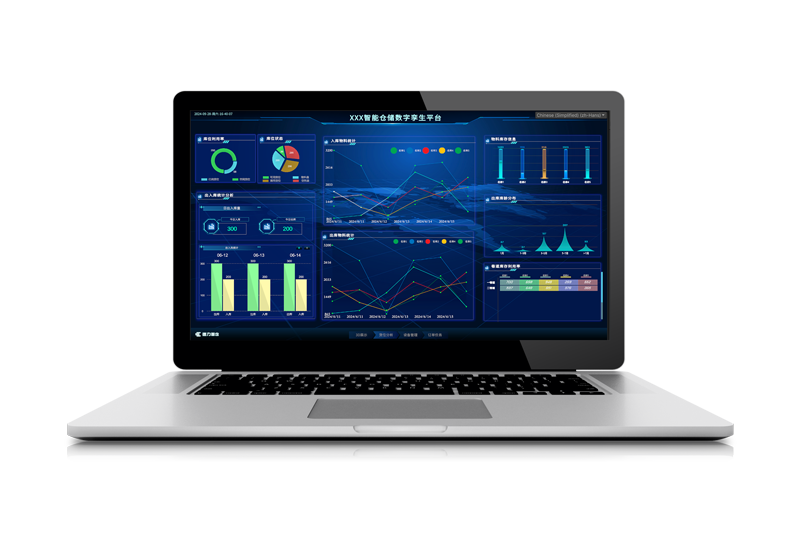
For China’s top suppliers, core technology should include real-time WMS integration and resilient control logic. A digital twin can test slotting, peak demand, and equipment failures before installation. Energy recovery on lifting systems may reduce consumption during repeated vertical travel. The European Commission’s 2024 energy-efficiency guidance also supports measurable monitoring rather than unsupported savings claims. Safety needs equal attention. ISO 3691-4 principles, light curtains, emergency stops, and restricted access zones should shape system design. Yet software cannot repair poor pallet quality. A crushed corner can still stop a full aisle.

Tips: Request a live test with your actual pallets, not demonstration loads. Check retrieval time at peak volume. Measure misread rates, noise, energy use, and recovery after a network failure. Ask for maintenance records and spare-part response times. A lower initial quote may hide difficult integration work. Some forecasts look impressive, but site data should decide.

Benefits and Applications Across Industries

China Top 10 Automated Pallet Storage System Suppliers

Automated pallet storage systems help factories use vertical space more efficiently. A warehouse can place pallets in narrow aisles, often reaching several meters high. This reduces floor pressure and shortens travel routes for operators. An Industrial Automated Storage System also improves inventory accuracy through barcode or radio-frequency identification controls. In daily operations, managers can locate one pallet without checking multiple rows manually.

The benefits become clearer across industries. Food and beverage warehouses need stable handling for heavy cartons and frequent deliveries. Cold-storage facilities gain from fewer door openings, which helps protect temperature-sensitive goods. Automotive plants use automated pallet storage for components, finished parts, and returnable containers. E-commerce centers benefit from faster replenishment during peak periods. Pharmaceutical logistics can use controlled access and detailed movement records for sensitive inventory.

However, automation is not always plug and play. Poor pallet quality can interrupt conveyors or create unsafe loads. Product dimensions may also change, forcing redesigns. Maintenance teams need practical training, spare sensors, and clear recovery procedures. I have found that data quality matters as much as equipment speed. A wrong product code can send a correct pallet to the wrong location. Energy savings may appear attractive, but software integration and building modifications can increase early costs. Careful testing with real pallets, seasonal demand, and failure scenarios produces more reliable results.

Criteria for Ranking China’s Top Suppliers

China Top 10 Automated Pallet Storage System Suppliers

Ranking China’s top suppliers requires more than comparing catalog prices. A reliable assessment begins with verified project experience, engineering capability, and measurable operating results. We examine installations handling similar pallet weights, temperatures, and daily volumes. Warehouse visits and customer references can reveal details that brochures often hide.

Technical performance matters. We assess storage density, retrieval accuracy, cycle time, and system availability. Compatibility with warehouse management software is equally important. A strong Automated Storage And Retrieval System should exchange data smoothly with existing equipment. Safety design, emergency access, operator training, and maintenance response also affect the ranking. Lifecycle cost deserves attention, including spare parts, energy use, upgrades, and downtime risks.

Tips: Request test data, factory quality records, and a clear acceptance plan. Ask who will provide local service after installation. No scorecard is perfect. Real warehouse conditions change. A supplier may perform well in a high-volume facility but struggle with irregular pallets. We therefore give more weight to relevant experience than impressive promises. Independent audits, documented performance, and transparent limitations support a more trustworthy ranking. Suppliers that explain weaknesses may deserve more confidence than those claiming flawless results.

China’s Top 10 Automated Pallet Storage System Suppliers

China’s Top 10 Automated Pallet Storage System Suppliers should be judged by evidence, not advertising. A reliable review should compare storage density, pallet throughput, retrieval accuracy, software integration, and local service coverage. China’s automated warehousing market is expanding with manufacturing upgrades and tighter land constraints. The China Federation of Logistics and Purchasing reported total social logistics costs of about 18.2 trillion yuan in 2023. Even a small handling improvement can therefore create measurable value.

The MHI 2024 Annual Industry Report shows that 67% of supply-chain professionals plan to adopt robotics and automation within five years. This figure explains the growing demand for pallet cranes, shuttle systems, conveyors, and warehouse-control software.

However, capacity claims need careful testing. A system promising 120 pallets per hour may deliver less during mixed-SKU orders, peak charging periods, or manual exception handling. Site visits matter. Ask for recorded uptime, average recovery time, and performance under real pallet conditions.

Interact Analysis also identifies warehouse automation as a fast-growing technology market, supported by labor shortages and e-commerce complexity. Yet ranking the top ten is not permanent. Service response, spare-parts availability, and software openness can change after installation. A beautiful control screen is not enough. The weakest link may be a sensor, a battery, or an unclear maintenance process. Insist on independent acceptance data, though even that deserves periodic review.

How to Select the Right Chinese Supplier

Choosing a Chinese supplier for an Asrs Automated Storage Retrieval System requires more than comparing quotation prices. MHI’s 2024 Annual Industry Report found that 55% of surveyed supply-chain professionals already use robotics or automation. This signals strong demand, but also greater supplier variation. Ask for three years of project references, audited production records, and documented uptime calculations. A factory tour should include machining, electrical testing, and software simulation.

Check whether the supplier designs around your actual pallets, not a standard catalogue. Confirm maximum load, pallet tolerance, aisle width, rack height, fire protection, and ambient temperature. Request a factory acceptance test using your real SKU dimensions. Small errors matter. A 10-millimeter pallet deviation can create repeated retrieval faults. Require clear figures for cycle time, storage density, energy use, and recovery after a power interruption.

Software capability deserves equal attention. The system should exchange reliable data with your WMS and support role-based access, event logs, and manual recovery procedures. The International Federation of Robotics reported 541,302 industrial robots were installed worldwide in 2023, showing how quickly automation is scaling. However, warehouse performance depends on integration, not equipment quantity. Review cybersecurity controls, spare-parts availability, technician response time, and operator training. Avoid contracts promising “zero failure”; that claim is difficult to verify and often hides weak maintenance planning. Get acceptance criteria in writing, including penalties, documentation, and remote-support limits.

China Top 10 Automated Pallet Storage System Suppliers: How to Select the Right Chinese Supplier

Use pallet-footprint compatibility as an initial screening criterion when comparing automated pallet storage system suppliers. The dimensions below represent widely used standardized pallet footprints and do not rank or disclose any supplier or brand data.

Selection note: Confirm pallet length, width, entry direction, maximum gross load, load-center requirements, and allowable dimensional tolerances with each supplier before requesting a technical proposal. The 48 × 40 inch pallet is converted to millimeters using 1 inch = 25.4 mm.

Tote Shuttle Robots: The Smart Solution for High-Density Small-Item Storage

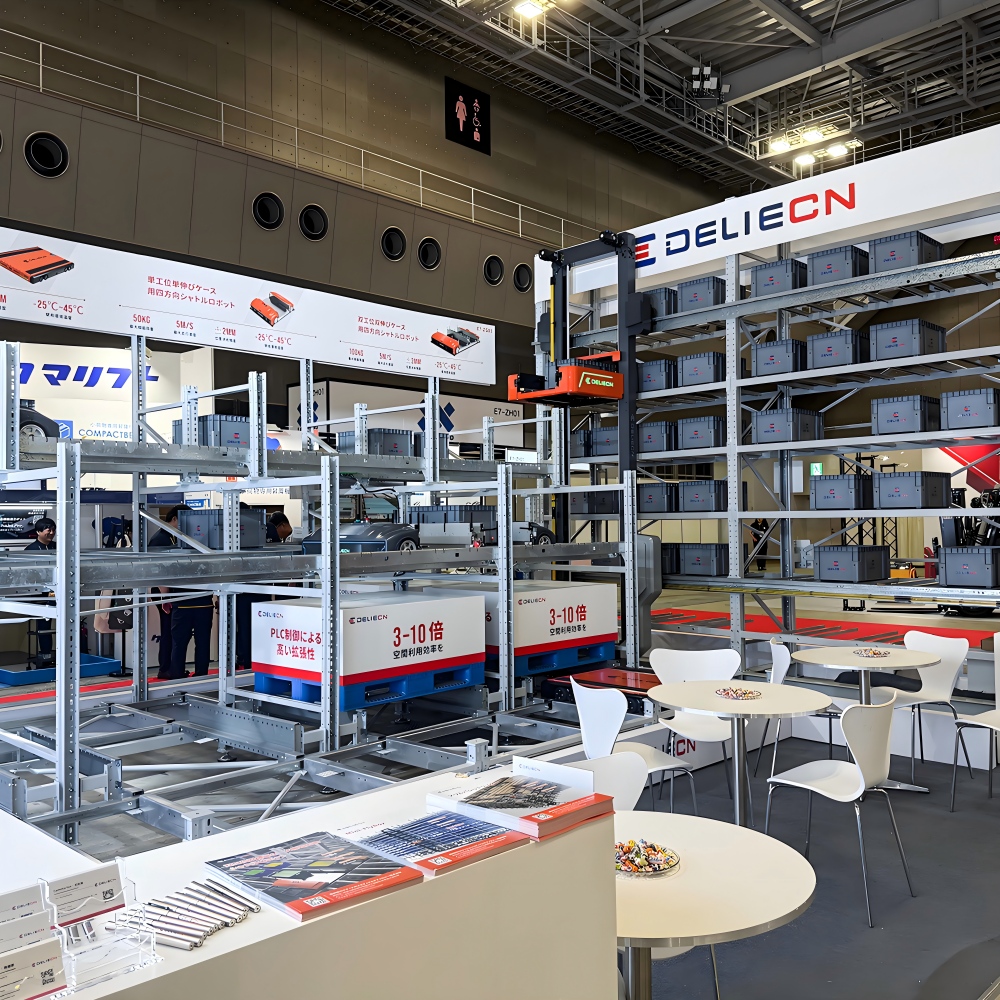
Tote shuttle robots are transforming high-density small-item storage by combining compact space utilization with fast, automated order fulfillment. Designed for “goods-to-person” picking, these systems move totes directly to workstations, reducing unnecessary travel and helping operators process more orders with greater accuracy. Their vertical and horizontal movement capabilities make them suitable for warehouses where floor space is limited but SKU variety is high.

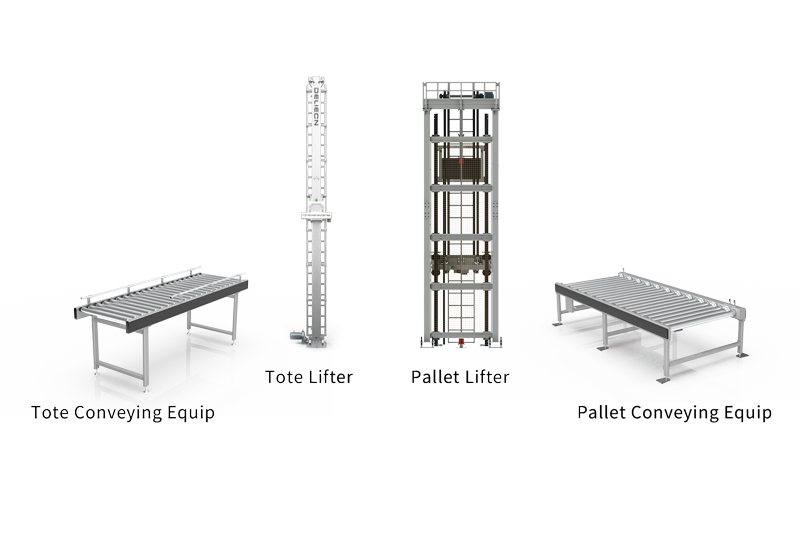
Integrated with tote lifters and conveyor systems, tote shuttle robots can support cross-aisle and cross-level operations, enabling smooth transfers between storage locations, picking stations, and production areas. A modular structure allows the system to expand or be reconfigured as inventory volumes, product categories, or workflow requirements change. This flexibility is especially valuable for businesses managing frequent replenishment, fast-moving products, and complex order profiles.

Beyond storage and picking, tote shuttle robots can provide reliable buffering for production lines and assist with order consolidation. Their stable performance and high throughput support applications across retail, e-commerce, pharmaceuticals, cold-chain logistics, and machinery manufacturing. By coordinating storage, transport, and picking activities within one automated solution, they help warehouses shorten fulfillment cycles and improve day-to-day operational efficiency.

FAQS

What technologies support automated pallet storage?

Common technologies include stacker cranes, pallet shuttles, barcode readers, RFID readers, sensors, and control software. Small errors matter.

How do sensors improve pallet movement?

Sensors check pallet position, load weight, and aisle conditions before movement. They can reduce collisions and misplacement. They cannot fix every problem.

Why is warehouse software integration important?

Real-time integration helps inventory records match physical pallet locations. It also supports faster exception handling and clearer stock visibility. Poor data still causes confusion.

What should buyers test before selecting a system?

Use actual pallets during a live test. Measure retrieval time, misread rates, noise, energy use, and network recovery. Demo loads can look too perfect.

How should suppliers be compared?

Compare similar project experience, storage density, retrieval accuracy, cycle time, uptime, and service coverage. Catalog prices alone are weak evidence.

Can high throughput claims be trusted?

Not without site-specific testing. Mixed orders, charging periods, and manual exceptions may reduce real throughput. The advertised number may be optimistic.

What safety features should an automated storage system include?

Safety design should include light curtains, emergency stops, restricted access zones, and clear emergency access. Operator training matters too. Software is not a safety plan.

What lifecycle costs should buyers examine?

Review spare parts, energy use, maintenance response, software upgrades, downtime, and integration work. A low initial quote may hide later costs.

Why does pallet quality affect system performance?

Crushed corners, uneven loads, or damaged bases can interrupt storage movements. A single weak pallet may stop an aisle. This risk is easy to underestimate.

Is a supplier ranking permanent?

No ranking stays perfect. Service response, spare-parts access, software openness, and operating conditions can change. Independent acceptance data helps, but it also needs review.

Conclusion

An Automated Pallet Storage System is a warehouse solution that uses software, conveyors, pallet shuttles, cranes, lifts, and automated vehicles to store and retrieve palletized goods with minimal manual handling. By coordinating inventory data with warehouse equipment, these systems can improve storage density, operating accuracy, order visibility, and workplace safety. They are suitable for manufacturing, food and beverage, retail, pharmaceuticals, cold-chain logistics, and other industries that require reliable pallet management.

This article explains how automated pallet storage works, including inbound receiving, location assignment, storage, retrieval, and dispatch processes. It also reviews key technologies, practical benefits, and common applications before outlining the criteria used to assess China’s leading suppliers, such as engineering capability, system reliability, customization, software integration, service coverage, delivery performance, and total cost of ownership. Finally, it provides guidance for selecting a suitable Chinese supplier based on warehouse conditions, product characteristics, future capacity, technical support, and project objectives.

Aria

Aria

Aria is a dynamic marketing professional specializing in logistics automation, with a deep understanding of the intricacies of intralogistics and advanced robotics technologies. With a commitment to excellence, Aria plays a crucial role in showcasing the company's innovative solutions, which......
Previous How to Choose the Right Tote Shuttle Robot?