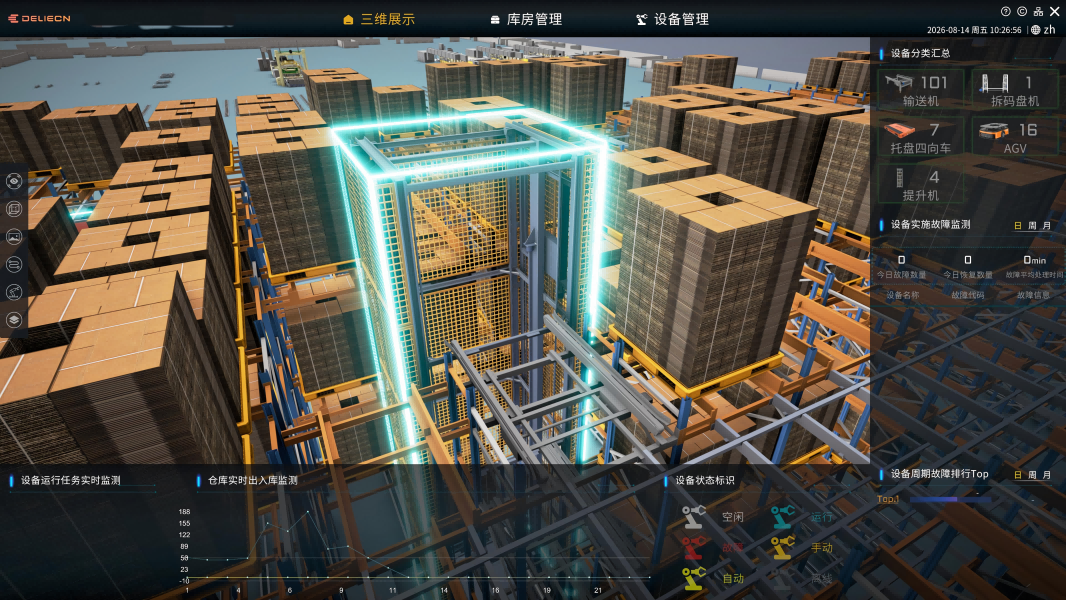
Industries Smart Warehousing Solutions Tailored To Your Industry
With a comprehensive range of intralogistics, products, DELlECN helps you build efficient and Fully Automated Warehouse operations.
Services Maximizing the Value of Your Logistics
At DELIECN, service goes beyond product delivery. We provide consulting, planning, design, manufacturing, installation, commissioning, and after-sales support throughout the entire lifecycle.
About Us Efficient and Flexible Automated Warehousing Solutions
DELIECN supports clients across food and beverage, new energy, chemicals, pharmaceuticals, e-commerce, precision manufacturing, textiles, and energy industries with intelligent warehousing systems tailored to their goals and requirements.

China has really become a major hub for warehouse tech, but honestly, the ‘best’ solution is all about how well it fits your specific operation. When you're putting together a custom Warehouse Automation system, it’s gotta match your inventory types, order patterns, building constraints, and the kind of labor you have. Just because a robot is super fast doesn’t mean it’s automatically the right choice for your needs.
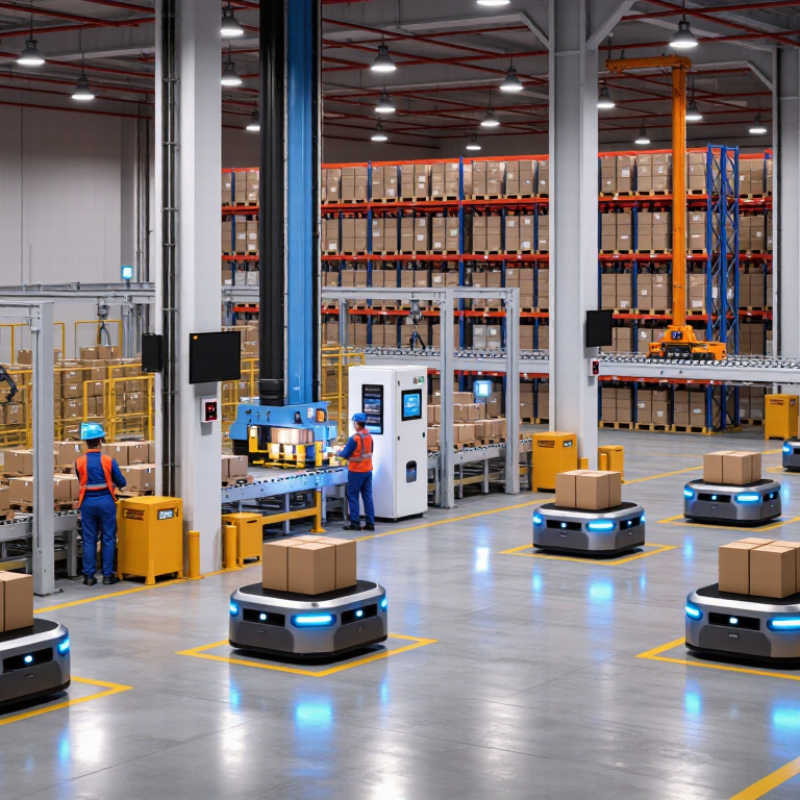
In a typical warehouse setup, cartons arrive around 8 a.m. and barcode scanners quickly identify each item. Conveyors then move those cartons toward the picking stations. From there, software kicks in, assigning tasks based on how urgent they are and where each item is stored. Sounds simple, right? But even this straightforward flow can reveal some real weaknesses — like fragile products that need careful handling at a slower pace or heavy pallets that demand tougher equipment. And don’t forget, temperature-sensitive goods need proper monitoring and storage conditions.
When it comes to Chinese suppliers like Geek+, Hikrobot, and HAI ROBOTICS, they all have different approaches. Their systems might include things like autonomous mobile robots, Shuttle Storage, robotic arms, conveyors, and software for managing the warehouse. But honestly, brochures only tell part of the story. If you’re buying, you’ve got to dig deeper — look into factory testing, how well their systems have been integrated before, maintenance response times, how easy it is to get spare parts, and the training they provide for operators. And don’t just take their word for it — ask for real data. Things like how accurate their picking is, system uptime, how quickly they recover from issues, and throughput performance.
A solid automation system should stay stable during those crazy peak times—not just work perfectly during a demo. That’s why a site survey and honest data are so important. Some projects go south simply because companies automate processes that aren’t clear or well defined — and that’s a mistake worth reflecting on. Sometimes, a smaller, well-integrated solution beats a larger one bogged down by poor software coordination.
At the end of the day, the best choice combines solid engineering experience, transparent performance data, safe operation, and a scalable design. This article will help you figure out how to evaluate Chinese Warehouse Automation providers and find a system that’s reliable for long-term growth—that’s the goal, after all.
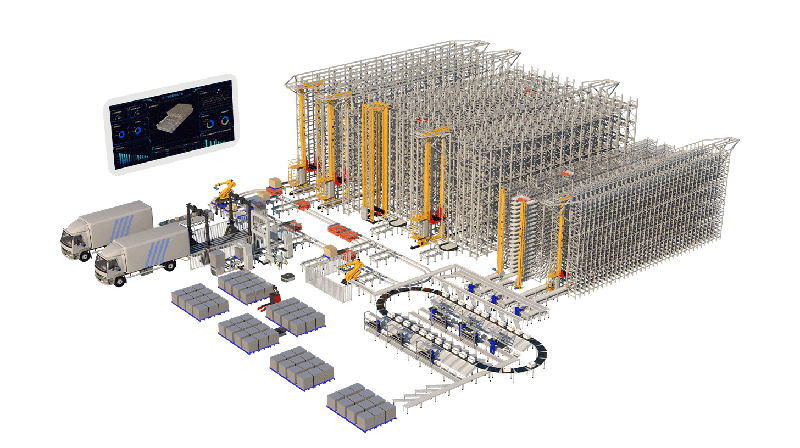
A customized Warehouse Automationsystem in China is a Warehouse Automation solution designed around a company’s products, processes, building, and labor conditions. It combines software and equipment, such as WMS, WCS, conveyors, AS/RS, scanners, and mobile robots. The system should match storage density, order profiles, SKU sizes, and local operating habits.
Demand is growing quickly. China’s State Post Bureau reported 132.07 billion express parcels in 2023. The China Federation of Logistics and Purchasing recorded 352.4 trillion yuan in total social logistics volume during the same year. These figures show why fixed, generic designs can create bottlenecks. A customized system may use narrow aisles, temperature-controlled zones, or manual stations beside automated equipment. That combination is often more practical. Perfect automation is rare.
Tips: Start with data, not equipment. Measure daily orders, peak-hour volume, SKU movement, picking errors, and available height. The 2024 MHI Annual Industry Report highlights robotics, automation, and artificial intelligence as major supply-chain investment areas. Still, software integration deserves equal attention. A fast conveyor cannot repair poor inventory data. Pilot one zone first. Review failures honestly. Some planned features may be unnecessary.
| Evaluation Dimension | Definition or Data | Why It Matters | Typical Customization Requirement in China |
|---|---|---|---|
| System Definition | A customized Warehouse Automation system is an integrated solution designed around a facility’s products, storage density, order profile, throughput, labor model, building structure, and software environment. | It matches automation investment and operating performance to actual business conditions instead of applying a standard layout. | Solutions are commonly adapted for e-commerce, manufacturing, retail distribution, cold-chain, pharmaceutical, and spare-parts operations. |
| Storage Objective | The system may prioritize high-density storage, rapid order fulfillment, improved inventory accuracy, reduced travel distance, or lower labor dependency. | Different objectives require different combinations of equipment, software, and workflows. | Urban facilities often emphasize vertical space utilization, while high-volume fulfillment centers emphasize throughput and order-cycle time. |
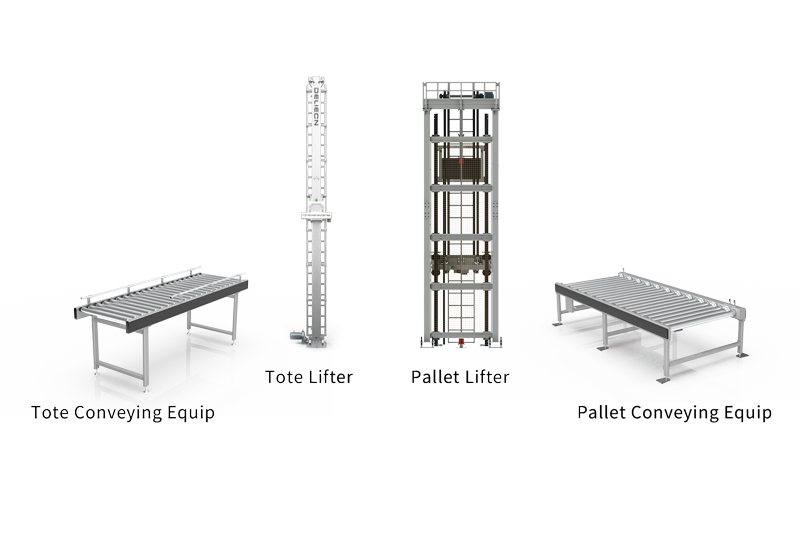
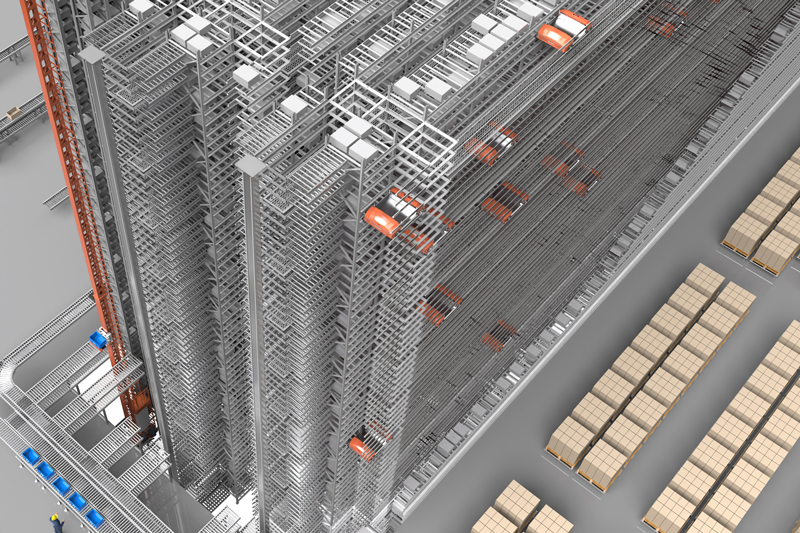
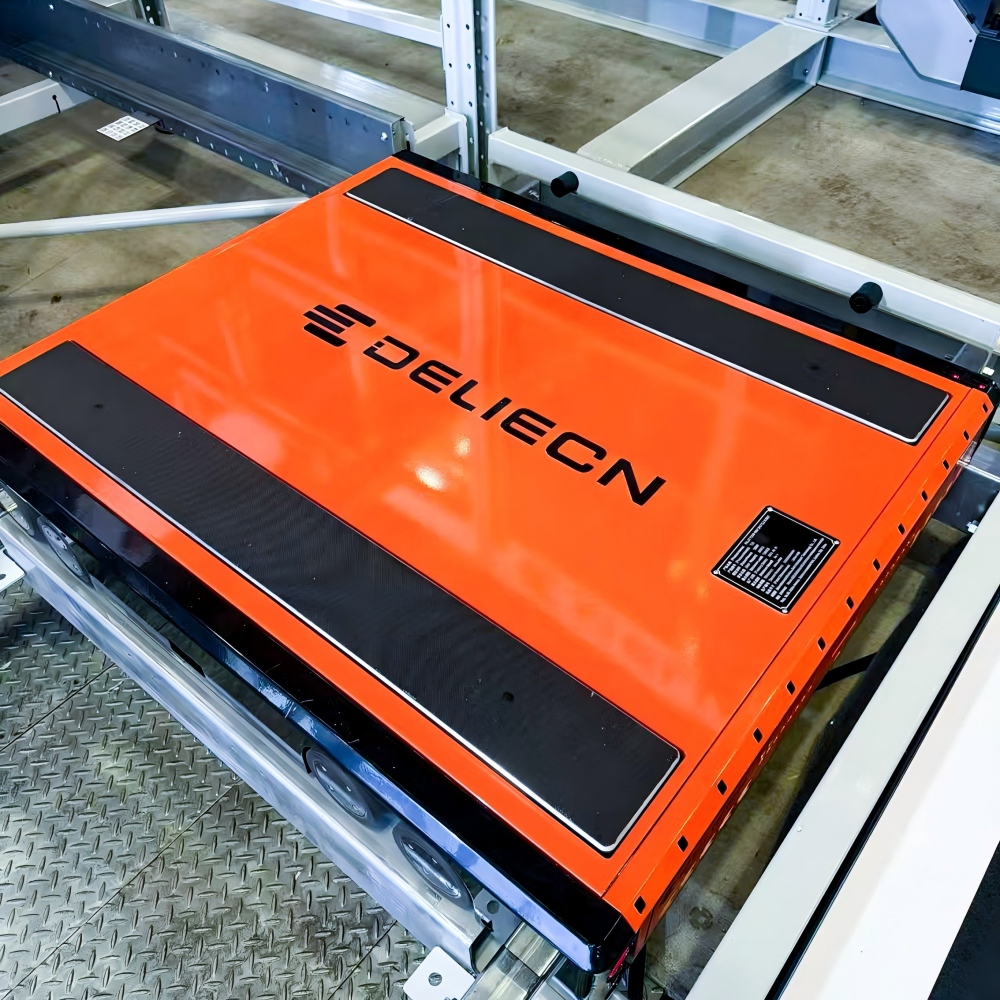
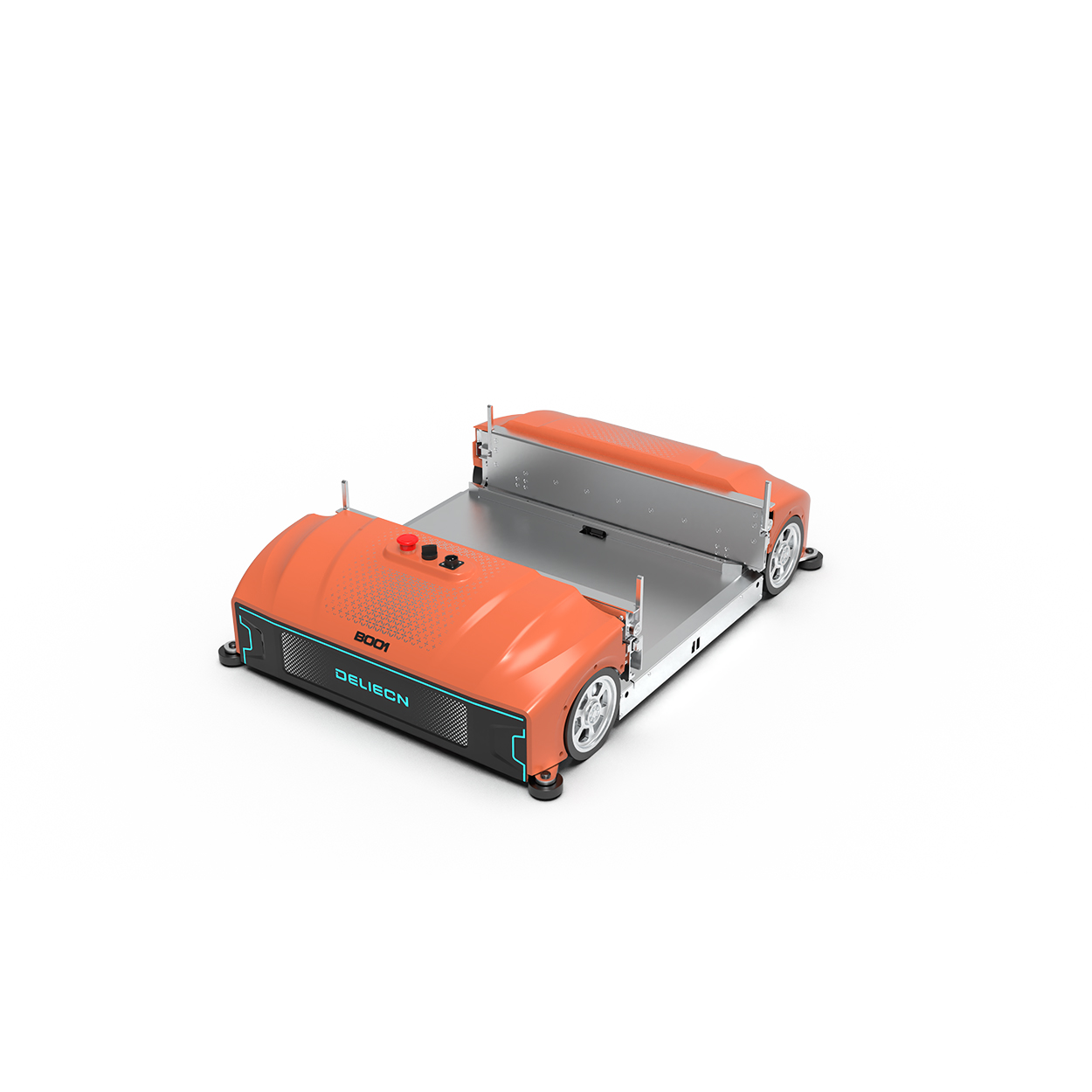
| Core Hardware | Possible equipment includes automated storage and retrieval systems, Pallet Shuttles, stacker cranes, autonomous mobile robots, conveyor systems, sortation equipment, lifts, packing stations, and barcode or RFID devices. | Hardware determines storage capacity, movement efficiency, handling flexibility, and the types of goods that can be processed. | Equipment selection depends on load type, unit dimensions, pallet standards, aisle width, ceiling height, floor conditions, and required operating temperature. |
| Warehouse Control Software | Warehouse management software controls inventory, locations, receiving, replenishment, picking, packing, shipping, cycle counting, and reporting. Warehouse control software coordinates automated equipment in real time. | Software enables traceability, task optimization, equipment coordination, and accurate inventory records. | Interfaces may be required for enterprise resource planning, manufacturing execution, transportation, order management, or customer platforms. |
| Goods-to-Person Operation | Automated equipment brings inventory to an operator or workstation, reducing unnecessary walking and manual searching. | This design can improve ergonomic conditions and support consistent picking productivity. | Useful where SKU variety is high, order lines are frequent, and labor travel represents a significant operating cost. |
| Storage Density | Density is influenced by building height, aisle configuration, storage media, load dimensions, safety clearances, and inventory rules. | Higher density can increase capacity within the existing footprint, but may reduce flexibility if product characteristics change significantly. | Designs should account for Chinese warehouse floor loading, seismic conditions, fire-protection arrangements, and local building requirements. |
| Throughput Planning | Throughput is normally measured by pallets, totes, cartons, or order lines processed per hour under defined operating conditions. | Accurate throughput modeling prevents bottlenecks at receiving, storage, picking, sorting, packing, and shipping points. | The design should use actual peak-period demand, wave patterns, order profiles, cut-off times, and future growth assumptions rather than average daily volume alone. |
| Inventory Accuracy | Automation improves transaction consistency through barcode scanning, location control, automated confirmations, and system-directed movements. | Accurate inventory reduces stock discrepancies, misplaced goods, emergency replenishment, and order exceptions. | The solution should support lot numbers, serial numbers, expiration dates, batch management, quality status, and multi-owner inventory when required. |
| Product Compatibility | Compatibility depends on product weight, dimensions, packaging stability, temperature range, fragility, hazardous properties, and turnover rate. | Incorrect product data can cause jams, damage, inaccurate storage, or unsafe equipment operation. | A customized design should use representative samples and include the smallest, largest, heaviest, lightest, and most irregular load units. |
| Integration Capability | Integration connects warehouse automation with business systems, production lines, transport processes, access control, and facility monitoring. | Connected systems reduce duplicate data entry and provide coordinated order, inventory, and shipment information. | Common requirements include standardized data interfaces, real-time status feedback, exception handling, user permissions, and Chinese-language operational support. |
| Safety and Compliance | A safe system uses guarding, emergency stops, access control, collision prevention, risk assessment, safe maintenance procedures, and appropriate fire protection. | Safety controls protect personnel, products, equipment, and business continuity. | Projects in China should be reviewed against applicable national standards, local regulations, fire codes, electrical requirements, and occupational-safety rules. |
| Scalability | A scalable system allows additional storage locations, robots, workstations, software functions, or operating shifts to be added without replacing the entire solution. | Scalability helps the warehouse respond to business growth, seasonal peaks, and changes in product mix. | The initial plan should reserve capacity in power, network infrastructure, floor space, software licenses, and material-flow interfaces. |
| Implementation Process | A typical project includes requirements analysis, data collection, simulation, concept design, detailed engineering, installation, testing, training, and operational ramp-up. | A structured process reduces design errors and clarifies responsibilities, milestones, and acceptance criteria. | Construction schedules should coordinate equipment installation with existing operations, permits, civil works, electrical work, and production or fulfillment deadlines. |
| Reliability and Maintenance | Reliability is supported by preventive maintenance, spare-parts planning, equipment monitoring, fault diagnostics, backup procedures, and trained technicians. | Higher availability reduces downtime and protects fulfillment performance. | The project should define response times, maintenance access, local technical resources, spare-parts availability, and recovery procedures before acceptance. |
| Energy and Sustainability | Energy consumption is affected by motor efficiency, travel distance, equipment utilization, regenerative functions, lighting, heating, cooling, and operating schedules. | Energy-aware design can reduce operating costs and support environmental objectives. | Cold-chain and high-bay facilities require special evaluation of insulation, temperature control, equipment suitability, and maintenance conditions. |
| Best-System Selection Criteria | The best customized system is not necessarily the most automated. It is the solution that achieves the required service level, capacity, safety, flexibility, and lifecycle cost for the specific operation. | A balanced evaluation prevents over-automation, under-capacity, incompatible equipment, and unrealistic return-on-investment assumptions. | Final selection should compare technical fit, total cost of ownership, implementation risk, local service capability, expansion potential, and measurable acceptance targets. |
What Is China Best Customized Warehouse Automation System? The answer depends on flow patterns, SKU diversity, labor costs, and building limits. Core technologies used in Chinese warehouse automation combine software, robotics, and precise sensing. A customized Agv Warehouse Automation system can move totes between storage, picking, and packing zones. Its routes change when orders change.
Warehouse Control Systems coordinate conveyors, shuttles, sorters, and autonomous mobile robots. Warehouse Management Systems connect inventory data with purchasing and dispatch schedules. Vision cameras read labels and detect damaged cartons. LiDAR sensors help mobile robots avoid people, racks, and temporary obstacles. China’s strong robotics ecosystem supports this development. The International Federation of Robotics reported 276,288 industrial robot installations in China during 2023, representing 51% of global installations.
Data matters more than impressive equipment. Interact Analysis forecasts continued growth in the global warehouse automation market through 2027, driven by e-commerce and labor shortages. In practice, digital twins can test aisle widths, battery stations, and peak-hour traffic before construction. That saves expensive rework. However, automation is not automatically efficient. Poor SKU data can make a fast system produce wrong picks faster. Integration also remains difficult, especially when older software controls newer equipment.
A reliable design needs real operational trials. Engineers should measure pick rate, travel distance, uptime, error frequency, and recovery time. Safety zones need physical validation, not only simulation. Small failures reveal big assumptions.
Choosing the best customized warehouse automation system starts with the warehouse, not the equipment. Measure order volume, SKU dimensions, storage height, aisle width, and peak-season pressure. A system handling small cartons may fail with bulky goods. Cold storage also demands different materials, sensors, and maintenance plans.
Talk with operators before selecting technology. They know where scanners miss labels, carts block routes, and picking slows after lunch. Map the movement of one order from receiving to dispatch. Then compare automated storage, conveyor lines, mobile robots, or robotic picking against that workflow. Integration matters too. The system should exchange accurate data with inventory and order platforms without creating manual re-entry.
Test before scaling. A limited pilot can reveal poor barcode visibility, noisy alerts, or difficult software screens. It may also expose an uncomfortable truth: automation cannot repair inaccurate inventory. A perfect first design is unlikely. Leave space for expansion, replacement parts, staff training, and human intervention. Review recovery procedures for power loss or network failure. Safety barriers, access controls, and clear maintenance zones should be included from the beginning.
Ask suppliers for documented performance assumptions, service response times, training details, and measurable acceptance criteria. Examine real operating conditions, not only showroom demonstrations. The best system is the one workers can use reliably, managers can monitor clearly, and the warehouse can adapt without costly reconstruction.
Designing a customized warehouse automation system in China begins with facts, not fashionable equipment. Map receiving, storage, picking, packing, and dispatch. Measure aisle widths, ceiling height, floor loading, SKU dimensions, order peaks, and labor movements. A clear process map exposes delays that software alone cannot solve. It also shows where Warehouse Automation Robots may improve travel time and reduce repetitive lifting. The solution should fit the building, not force the building to fit a catalog.
Next, define technical requirements with measurable targets. Set hourly throughput, inventory accuracy, response time, uptime, noise limits, and safety zones. Select conveyors, storage equipment, scanners, control software, and robots as one connected system. Check interfaces before purchasing hardware. Small mismatches can stop a line. Test standard cartons, irregular products, damaged labels, and peak-season orders. Simulation helps, but physical trials reveal surprises. A perfect first design rarely exists.
Tips: Involve operators early. They notice blocked access, awkward scanning angles, and unsafe walking routes. Require documented risk assessments, emergency stops, maintenance plans, software backups, and staff training. Review local building rules and applicable safety requirements before installation. Keep manual fallback procedures for outages. Costs may rise slightly, but unclear responsibility costs more. Recheck the design after thirty days of real operation. That review may expose an assumption nobody questioned.
Supplier evaluation should begin with site evidence, not a glossy catalogue. Ask for three comparable installations, measured throughput, fault logs, and integration records. The International Federation of Robotics reported about 113,000 professional service robots sold for transportation and logistics in 2023. This shows strong demand, but it does not prove every supplier can manage your warehouse. Check picking accuracy, recovery time, spare-parts availability, and local technical support. Small details matter. A delayed sensor can stop an entire aisle.
Cost analysis must include more than equipment prices. Request a five-year total-cost model covering software licenses, installation, training, energy, maintenance, and system upgrades. A lower initial quotation may conceal expensive manual intervention. MHI’s 2024 Annual Industry Report identifies robotics and automation as continuing investment priorities among supply-chain professionals. Yet, many projects still underestimate data preparation and operational change. That is a useful warning. Test the system with actual cartons, uneven labels, seasonal peaks, and damaged packaging before signing.
Performance should be measured through sustained throughput, order accuracy, system availability, and recovery time after faults. Demand forecasts also deserve skepticism. Build modular conveyors, flexible robot fleets, and open interfaces where possible. China’s automation ecosystem offers competitive manufacturing capacity, but customization can create dependency on one supplier’s software. Require documented APIs, exportable operating data, cybersecurity controls, and operator training. Scalability is not simply adding machines. It means expanding storage locations without redesigning the whole warehouse. Expect some uncertainty, and price it honestly.
The best Warehouse Automation Systems are not chosen from a catalog. They are designed around product size, order volume, storage height, and labor routines. In China, many facilities need flexible systems because product lines change quickly. A practical implementation begins with a site survey, process mapping, and measurable targets. Engineers should record walking distances, picking errors, peak-hour congestion, and available power. Small details matter. A narrow aisle can affect the entire design.
Integration connects conveyors, storage equipment, scanners, software, and inventory data. Reliable testing should use real cartons and realistic order peaks. Maintenance then protects daily performance through inspections, spare-part planning, sensor cleaning, and operator training. A loose cable or dusty scanner can stop a smooth process. No system is perfect. Some projects underestimate software adjustments after launch, which creates avoidable delays. Teams should review these weaknesses honestly instead of hiding them.
Tips: Start with one controlled workflow before expanding. Keep manual backup procedures for unexpected faults. Record every service action, error code, and replacement part. Future upgrades should use modular equipment, open data interfaces, and scalable software. These choices make it easier to add storage locations, robots, or picking stations later. A yearly capacity review can reveal when the original design no longer fits demand. Growth often exposes assumptions that looked reasonable during planning.
It combines software and equipment around a warehouse’s products, processes, building, and workforce. The design may include inventory software, conveyors, automated storage, scanners, and mobile robots. Perfect automation is rare.
Measure daily orders, peak-hour volume, SKU movement, picking errors, and available height. These figures reveal real bottlenecks. Equipment should follow evidence, not excitement.
Product size, storage density, aisle width, building height, and temperature requirements all matter. Small cartons need different handling from bulky goods. Cold areas require suitable materials and sensors.
Ask workers where labels are missed, carts block routes, and picking slows. They can describe problems that floor plans often hide. Their feedback may challenge the original design.
Automated storage, conveyors, mobile robots, and robotic picking can support different tasks. The right choice depends on order movement and product characteristics. One tool rarely solves everything.
Inventory and order systems should exchange accurate data without repeated manual entry. A fast conveyor cannot fix incorrect stock records. This weakness is easy to underestimate.
A limited pilot can reveal poor barcode visibility, noisy alerts, and confusing software screens. It also tests real worker behavior. The first design may be wrong.
Review service response times, training, spare parts, safety barriers, and recovery procedures. Plan for power loss and network failure. Leave room for human intervention.
Use measurable acceptance criteria for accuracy, throughput, safety, and system recovery. Observe normal operations, not only demonstrations. Reliable use matters more than impressive machinery.
A Customized Warehouse Automation System in China is an integrated solution designed around a warehouse’s specific products, layout, storage capacity, order volume, and operating goals. It may combine software platforms, warehouse control systems, robotics, automated storage and retrieval equipment, conveyors, sensors, barcode or vision technology, and data analysis tools. The best system is selected by matching these technologies to the warehouse’s workflows, accuracy requirements, labor conditions, budget, and expected growth.
Designing the solution typically involves process analysis, equipment planning, system integration, safety assessment, testing, and staff training. Companies should evaluate suppliers by technical capability, customization experience, service quality, total cost, performance reliability, delivery schedule, and scalability. A successful implementation also requires smooth integration with existing business software, regular maintenance, performance monitoring, and clear support procedures. With modular architecture and upgrade-ready technology, the system can adapt to new products, changing order patterns, and future automation needs while improving efficiency, accuracy, space utilization, and long-term operational value.