The Warehouse Was Designed Around Production, Not Just Storage
A storage system would not solve the customer's problem if materials still had to be manually located and transported to production afterward.
The material flow was therefore organized around several stages:
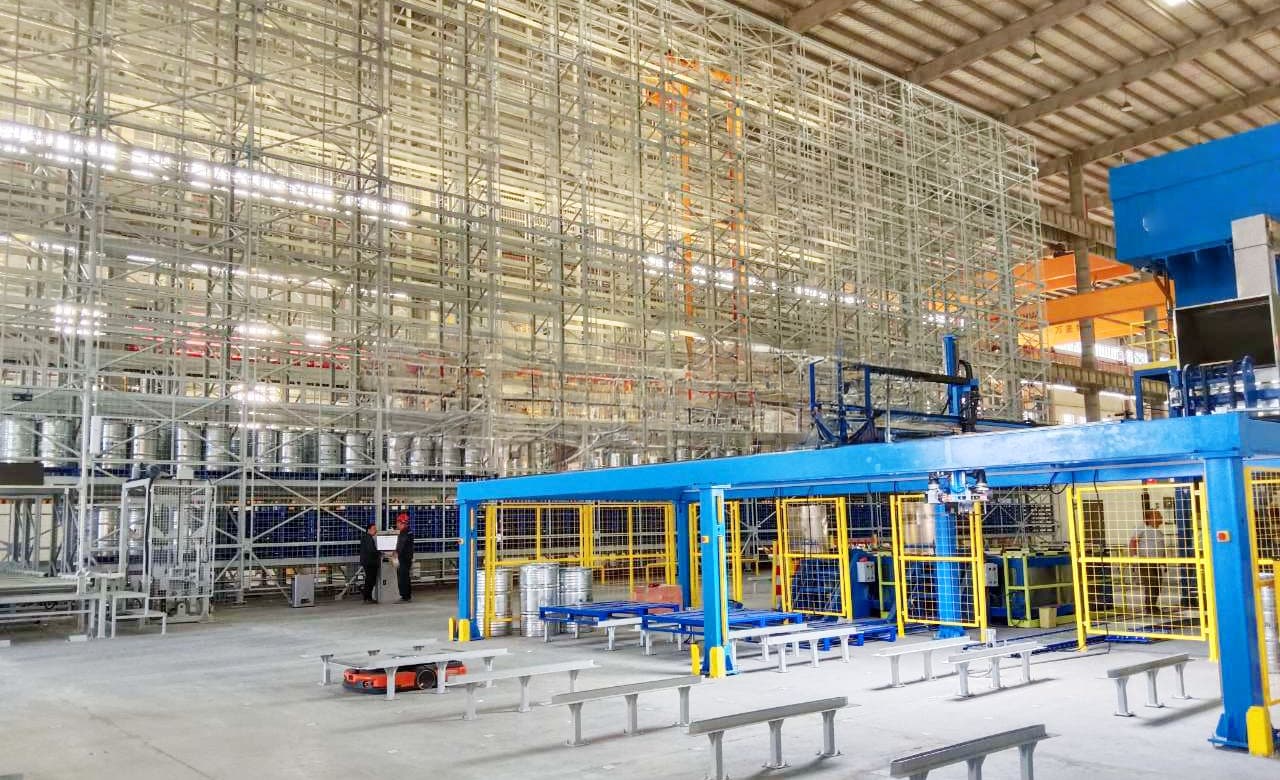
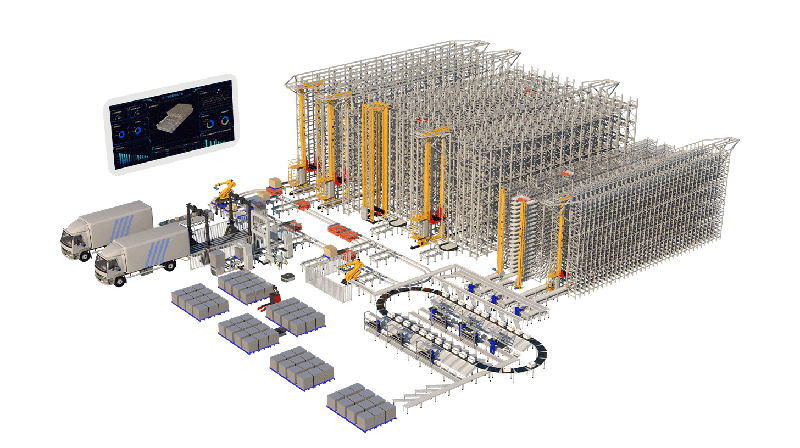
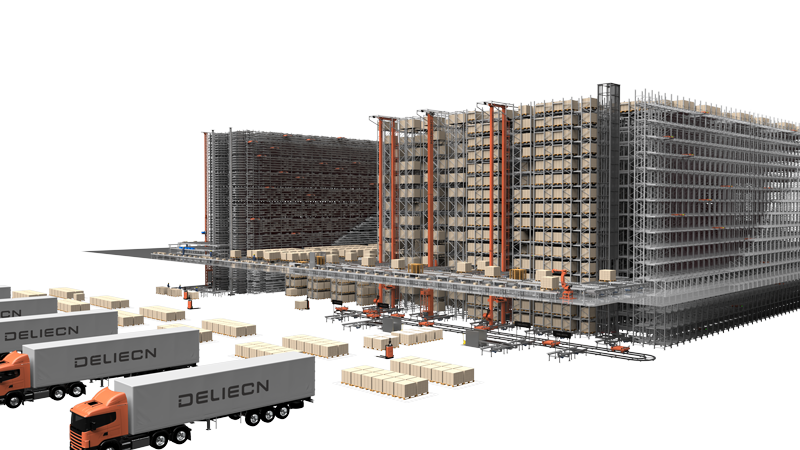
Receiving → identification → temporary handling → Automated Storage → retrieval → production feeding
Once material arrives, identification information is captured and associated with the warehouse system.
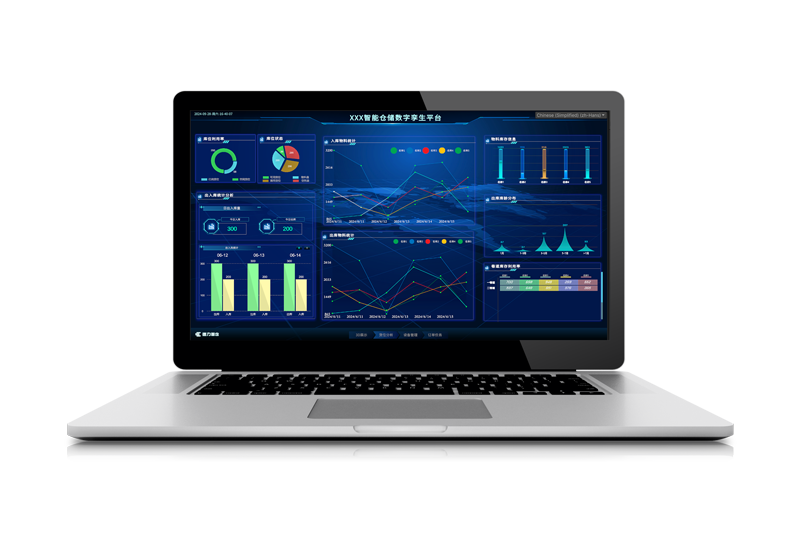
WMS manages inventory and storage information, while WCS coordinates the physical equipment.
When production requires a particular material, the corresponding pallet can be retrieved from its assigned storage location and sent toward the feeding area.
The material does not need to be manually searched for and then transported across the warehouse each time.
This is where the automation changes the daily operation.
Storage and production feeding become connected processes rather than two separate manual activities.
Different Equipment Handles Different Parts of the Job
he project does not rely on the Pallet Stacker Crane to perform every movement.
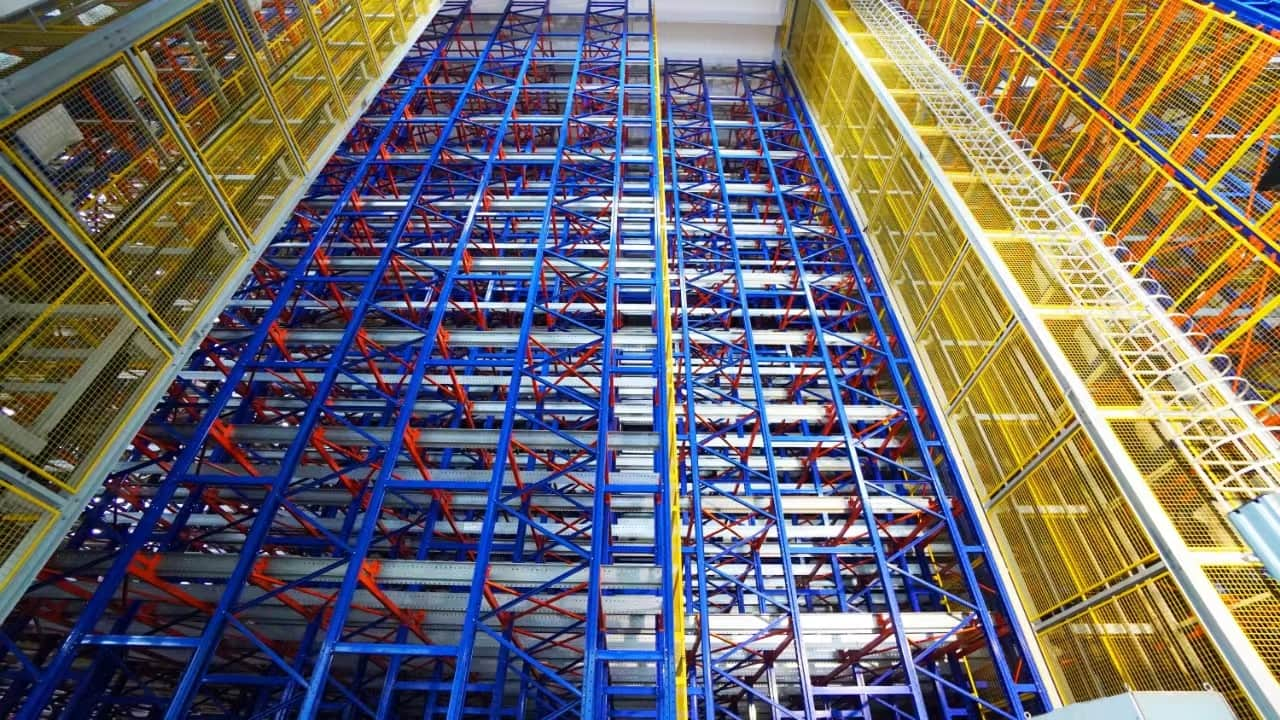
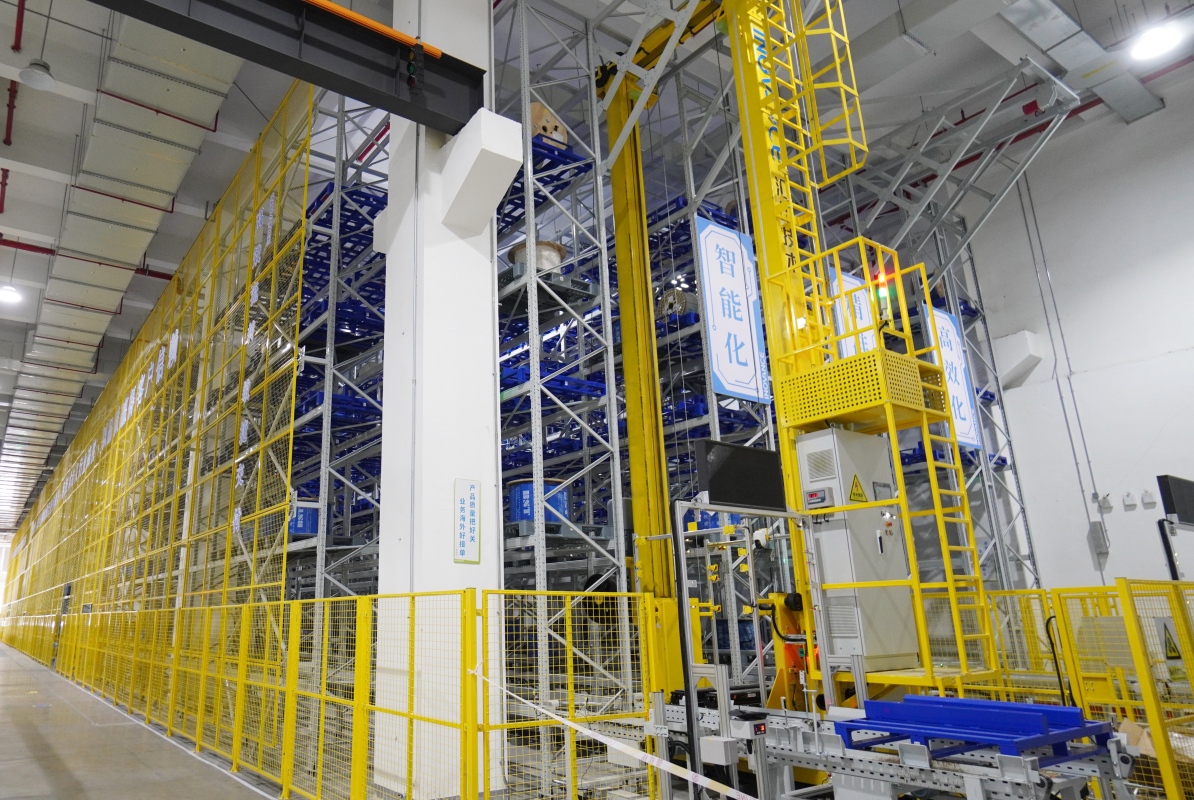
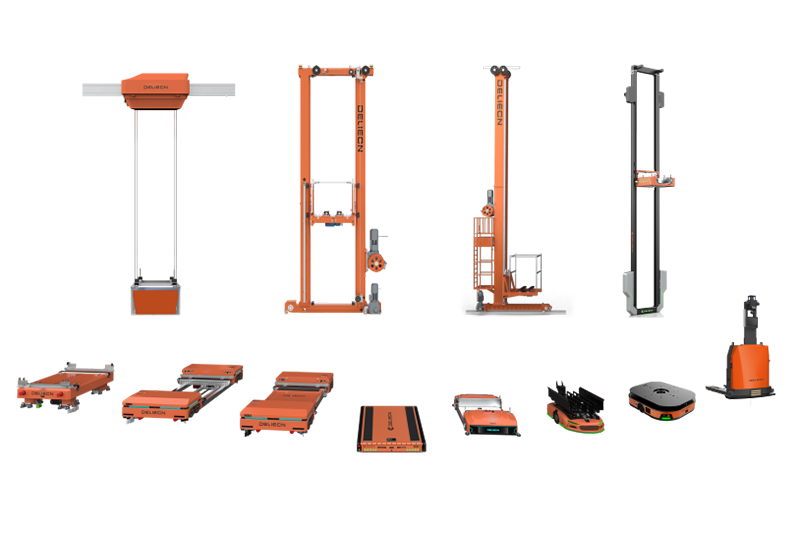
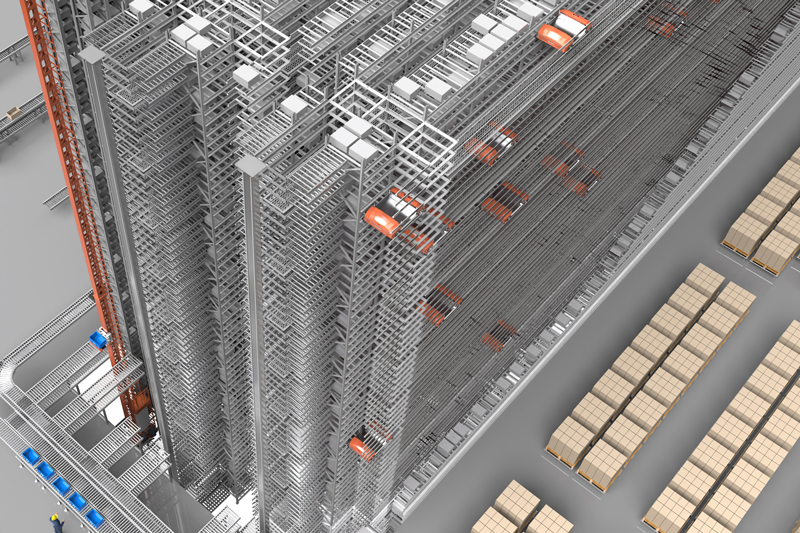
The Pallet Stacker Crane handles automated storage and retrieval.
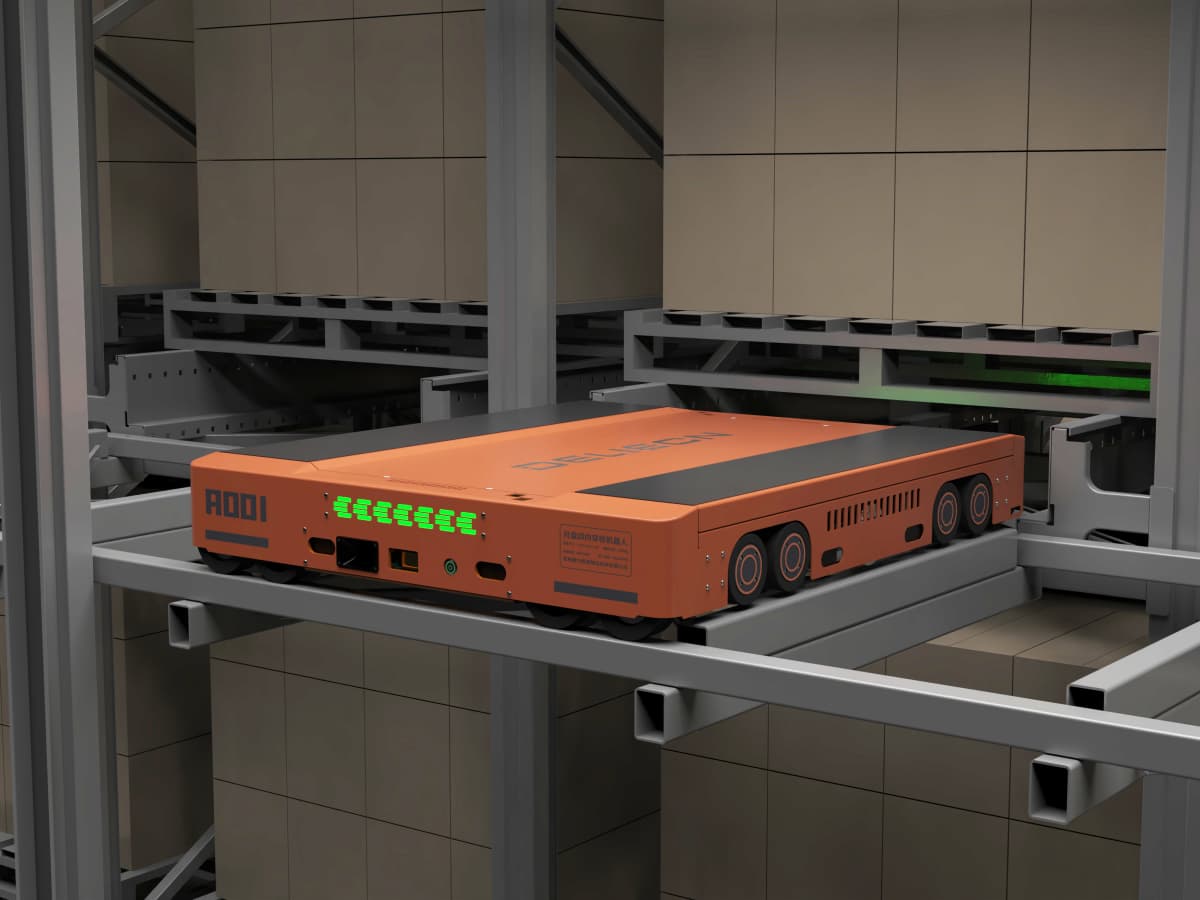
AGVs provide floor-level pallet transfer.
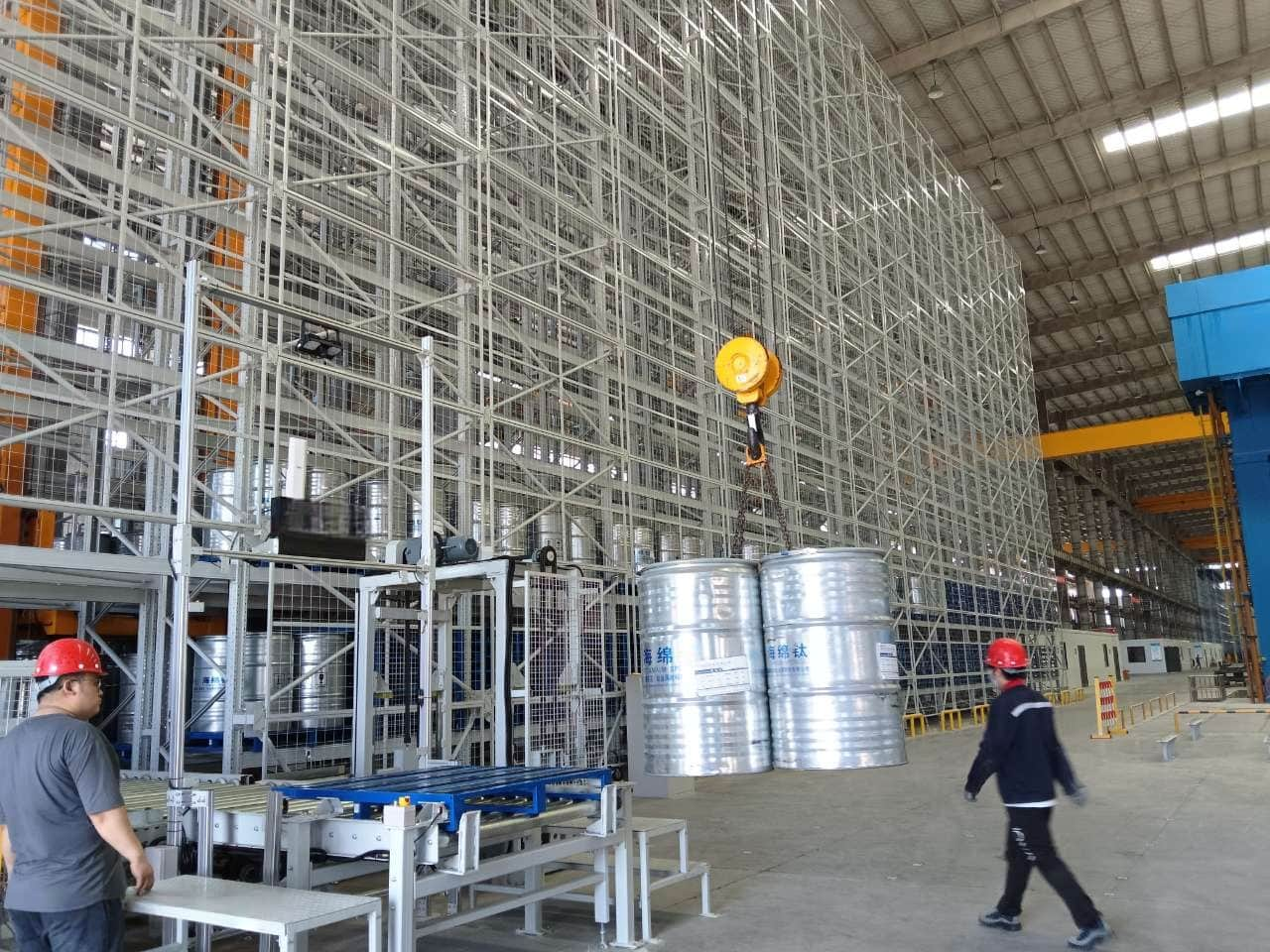
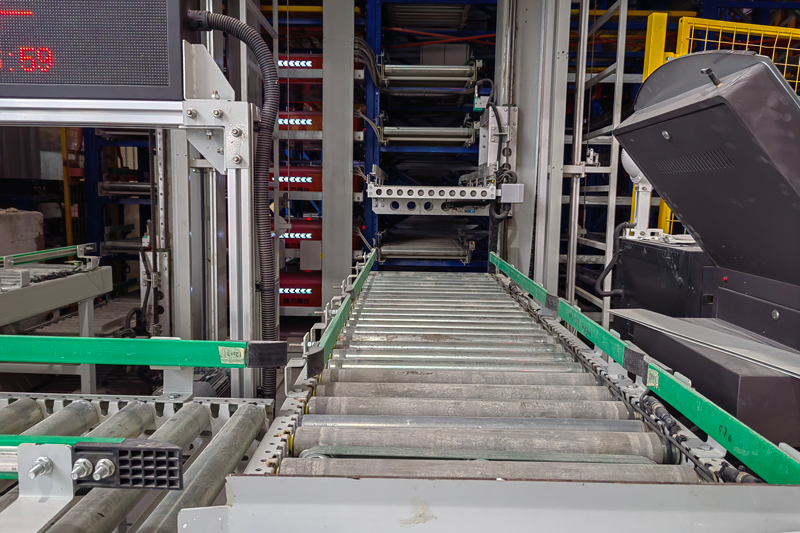
A gantry robot handles the material movement required at the production feeding stage.
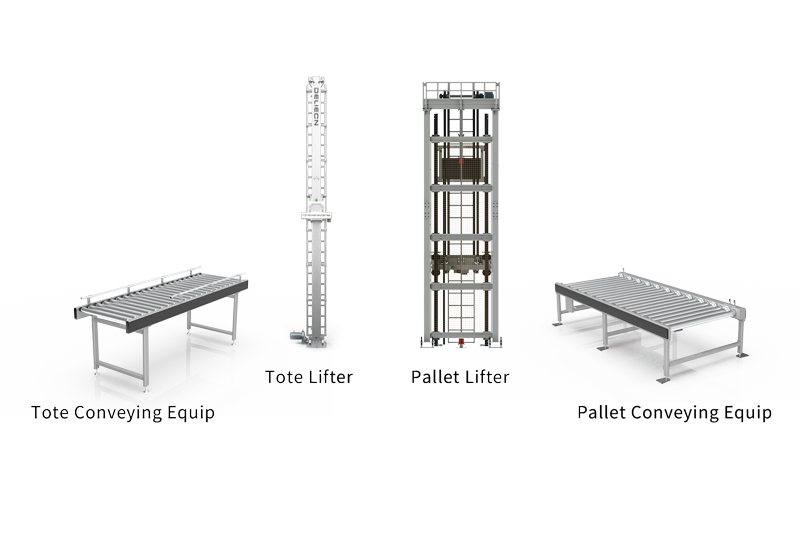
Conveying equipment connects the fixed process points.
WMS and WCS coordinate the sequence.
This division is important because a heavy raw-material warehouse contains several different types of movement.
Trying to make one machine responsible for all of them would not necessarily produce a better system.
Instead, the project assigns each movement to the equipment suited to that task and connects those movements through the control system.
The gantry handling process was designed for up to 40 handling cycles/hour.
This supports the automated material transfer required before production feeding.
The Biggest Change Was the Material-Handling Process
The customer's previous operation involved people moving around the warehouse to locate materials, check inventory and arrange material movement.
Automation changes the sequence.
The material is identified when it enters the system.
Its storage location is recorded digitally.
The Pallet Stacker Crane retrieves it when required.
AGVs transfer it at ground level.
The gantry robot handles the next stage before production feeding.
The operator can check inventory information through the warehouse system rather than relying entirely on physical searches.
The improvement is therefore broader than replacing manual lifting.
The warehouse becomes a controlled process in which material location, retrieval and transfer are connected.
Inventory Information Becomes Part of the Material Flow
For manufacturing raw materials, knowing the physical quantity is only part of inventory management.
The system also needs to know where the material is and when it is required.
The project uses QR-code identification and intelligent code-reading equipment to associate material information with the warehouse system.
WMS manages the inventory and storage data.
WCS handles the execution of equipment tasks, including the Pallet Stacker Crane, AGVs, gantry robot and conveying equipment.
This gives operators a clearer view of inventory and reduces the amount of manual confirmation required during material movement.
When production needs material, the warehouse already has the information required to initiate the retrieval process.
That makes production supply less dependent on people physically searching for raw materials.
Inbound and Outbound Activities Were Planned Separately
Another detail that matters in a working warehouse is how different material movements interact.
The project separates the main operating areas, including the inbound area, automatic feeding and pallet-destacking area, temporary storage area and storage area.
Inbound storage, raw-material retrieval and empty-pallet return are arranged to reduce unnecessary interference between different activities.
This is a small but important part of the overall design.
A warehouse can have sufficient storage capacity and automated equipment while still losing time if different material flows repeatedly compete for the same space or transfer route.
Here, the warehouse layout and equipment were considered together so that material could move through the process with fewer unnecessary handoffs.
What the Project Was Designed to Provide
The project configuration includes:
- • 2,072 storage locations
- • 7 m-high, 10-level automated storage
- • 1,125 kg rated load per pallet
- • Storage capacity planned for more than 2,000 tons of titanium sponge
- • Space utilization designed around approximately five times the previous floor-storage level
- • Inbound handling designed for up to 30 pallets/hour during concentrated receiving
- • Gantry handling designed for up to 40 cycles/hour
- • AGV-based pallet transfer
- • Automated material delivery toward production
- • QR-code-based material identification
- • WMS/WCS-based inventory and equipment management
The key point is that the project was designed around a specific manufacturing problem.
The customer needed to store a large volume of heavy raw material without continuing to spread it across the factory floor.
At the same time, production needed a more predictable way to request and receive material.
The Pallet Stacker Crane addresses automated storage and retrieval.
The AGVs provide another material-transfer route.
The gantry robot handles the feeding-stage movement.
WMS and WCS connect these physical operations with inventory information.
The value of the project therefore does not come from the rack height alone.
It comes from making storage, handling, inventory information and production feeding work as one process.
For manufacturers dealing with heavy raw materials, limited floor space and repeated production supply requirements, that is where warehouse automation becomes useful: not simply storing more material, but making the material easier to locate, retrieve and deliver when production needs it.

 Industries
 Services
 About Us
 AS/RS Handling Robot
 Vertical Storage Module
 Conveying Equipment
 Smart Warehousing System
 Warehouse Racking