Industries Smart Warehousing Solutions Tailored To Your Industry
With a comprehensive range of intralogistics, products, DELlECN helps you build efficient and Fully Automated Warehouse operations.
Services Maximizing the Value of Your Logistics
At DELIECN, service goes beyond product delivery. We provide consulting, planning, design, manufacturing, installation, commissioning, and after-sales support throughout the entire lifecycle.
About Us Efficient and Flexible Automated Warehousing Solutions
DELIECN supports clients across food and beverage, new energy, chemicals, pharmaceuticals, e-commerce, precision manufacturing, textiles, and energy industries with intelligent warehousing systems tailored to their goals and requirements.
Two ASRS quotations land on a buyer's desk in the same week. Both promise high-density storage and Automated Retrieval. One is cheaper by a visible margin, and on paper the choice looks made.
Then the drawings arrive. The rack layouts don't match. One system leans on more lifters. The software interfaces are quoted on different terms. Even the throughput figures rest on different operating assumptions.
The two prices were never for the same thing.
Buying an Automated Storage And Retrieval System is not choosing a machine. It is committing to a configuration that decides storage capacity, order fulfillment, labor needs and running costs for years, and most of that is settled long before a robot is unpacked.
So what is the best ASRS solution for global buyers in 2026? Less of the answer sits in the technology than the brochures suggest. More of it sits in what the warehouse has to do every day.

Picture a manufacturer whose inventory keeps growing. The team can still find an empty location when they need one. The trouble is where those pallets now sit: on floor that production needs for staging and material transfer. Another conventional rack would add capacity and take away more room to move.
So the real question is not how much storage the building has. It is how much usable inventory the building holds before it creates the next bottleneck.
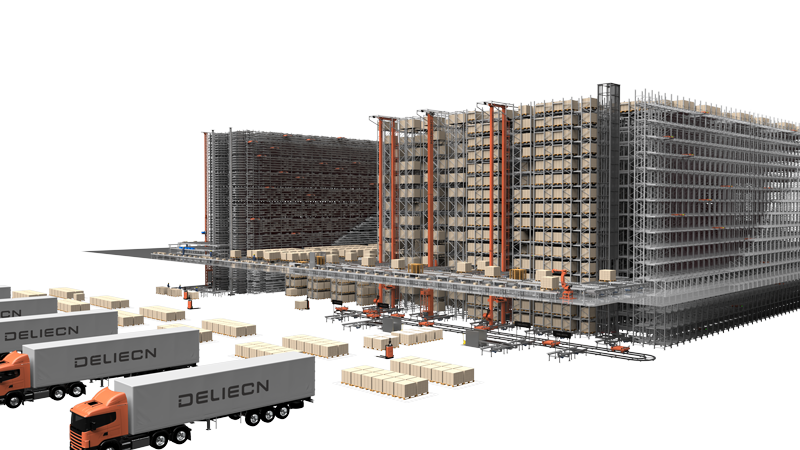
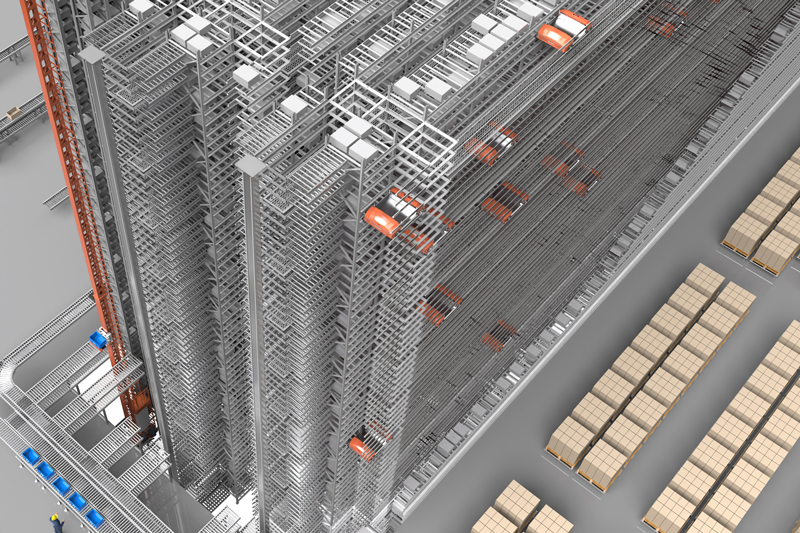
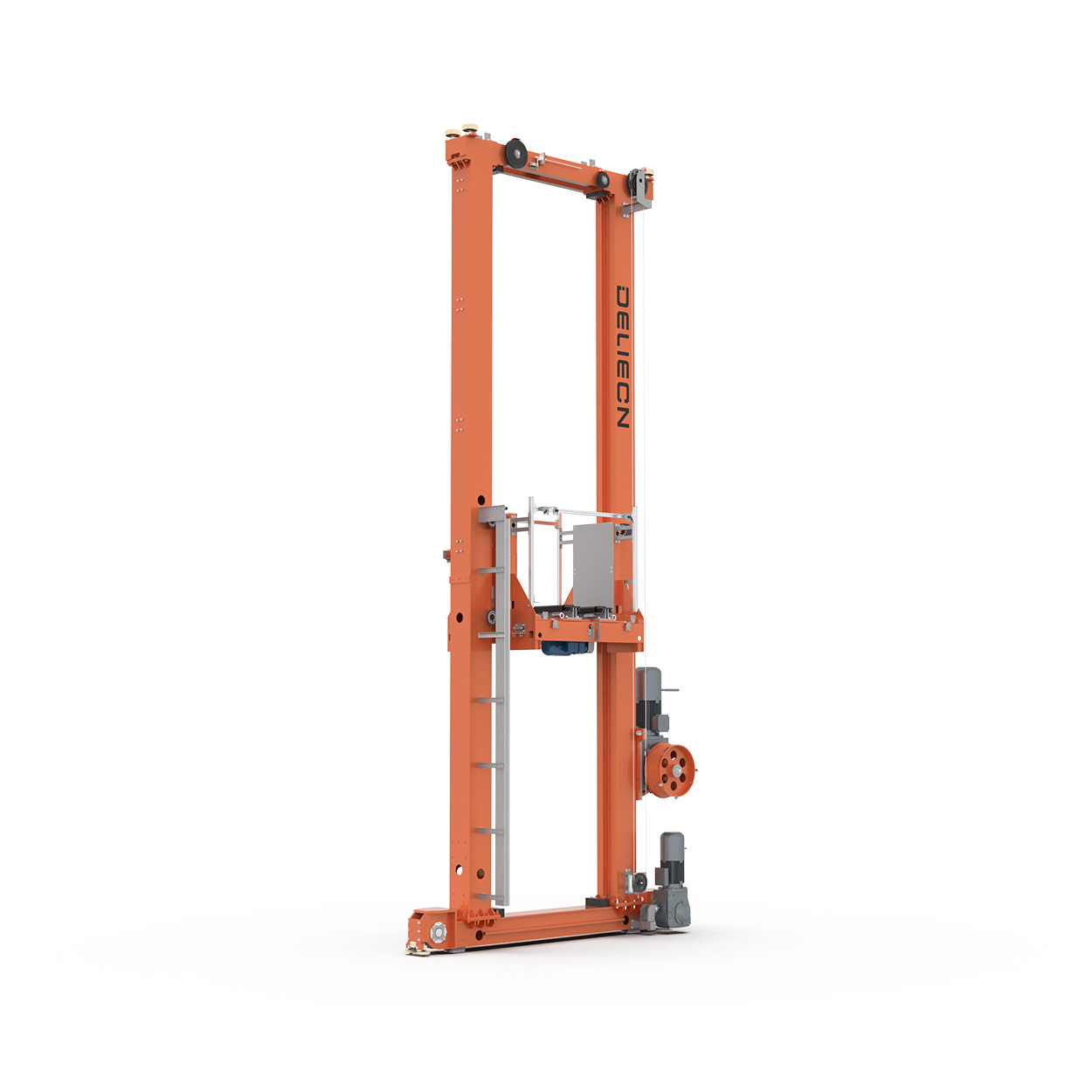
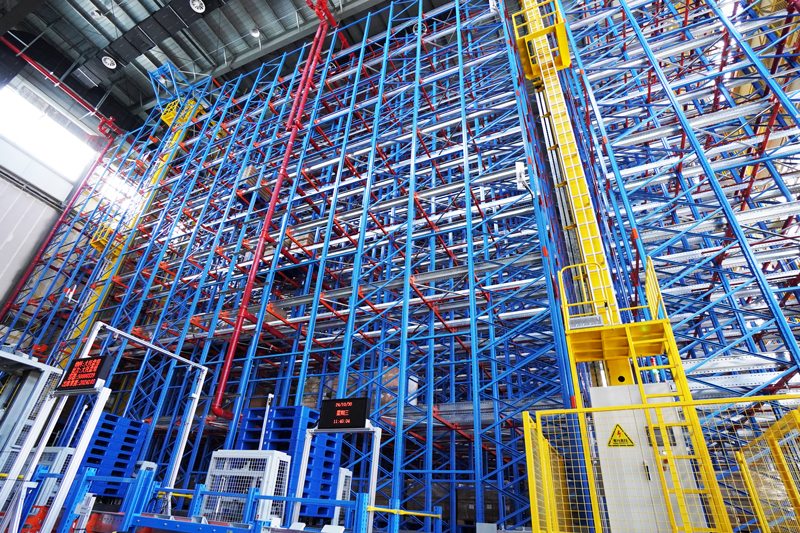
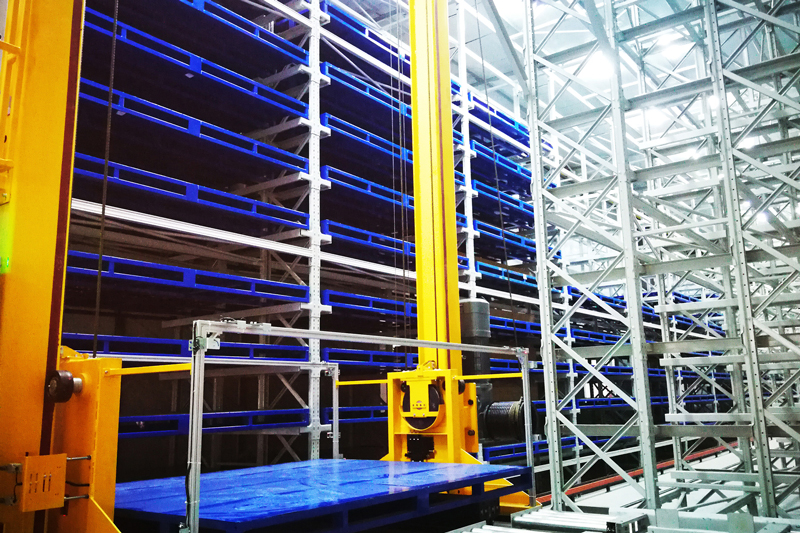
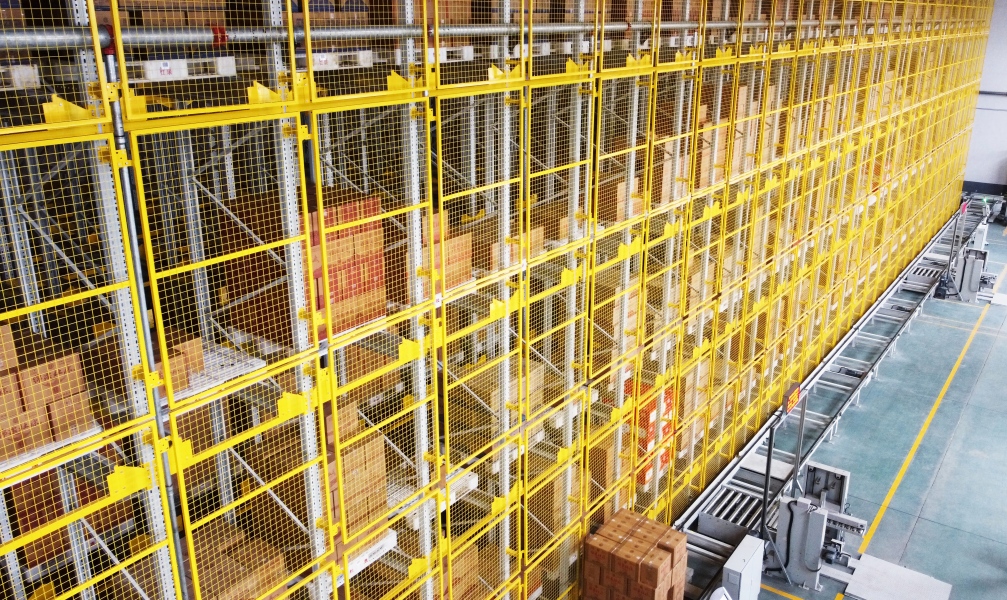
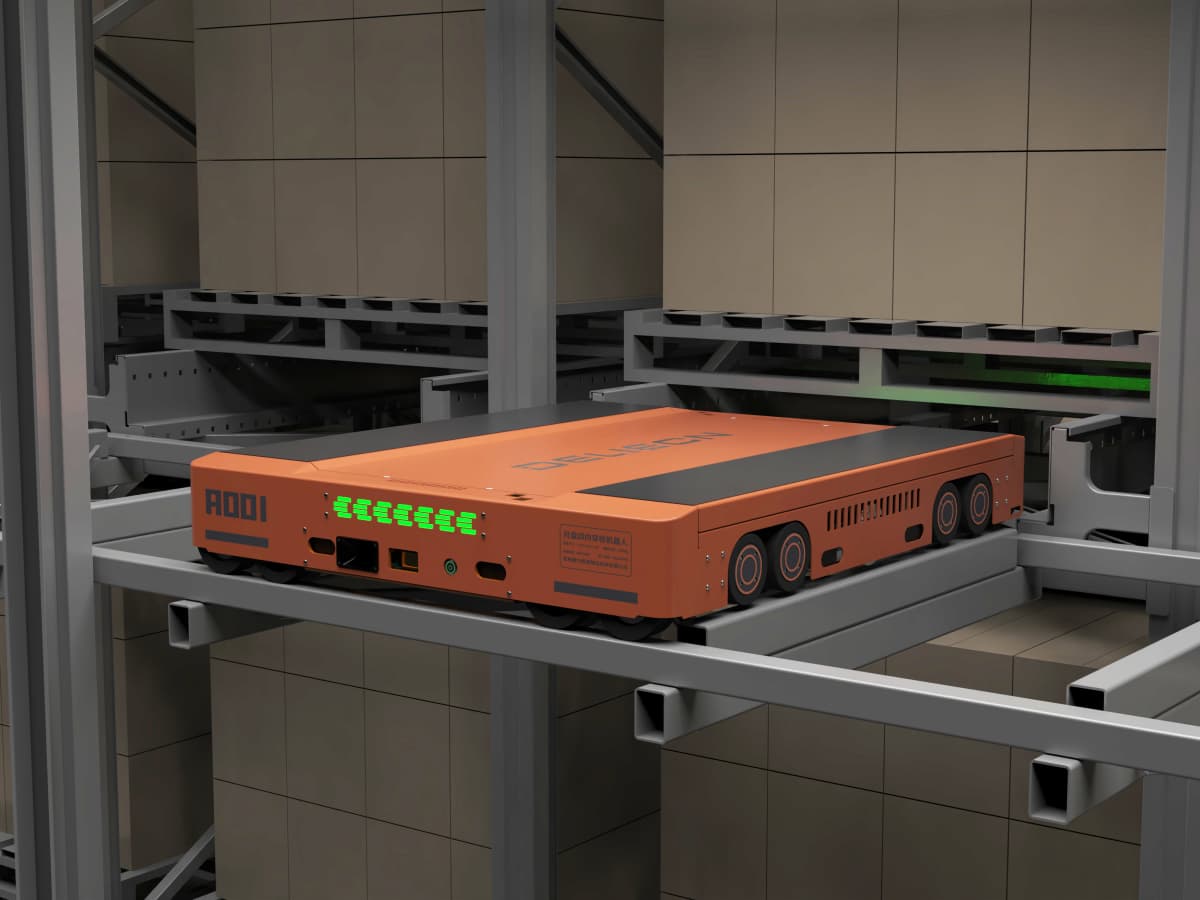
If pallets need to travel across the rack structure, a Pallet Four-Way ShuttleASRS stores deep and bends with the flow. A Stacker Crane suits a regular high-bay whose retrievals follow a pattern. And where inventory runs in deep lanes with steady movement, a two-way shuttle buys the same density with less system complexity.
None of this is settled by comparing robot speeds.
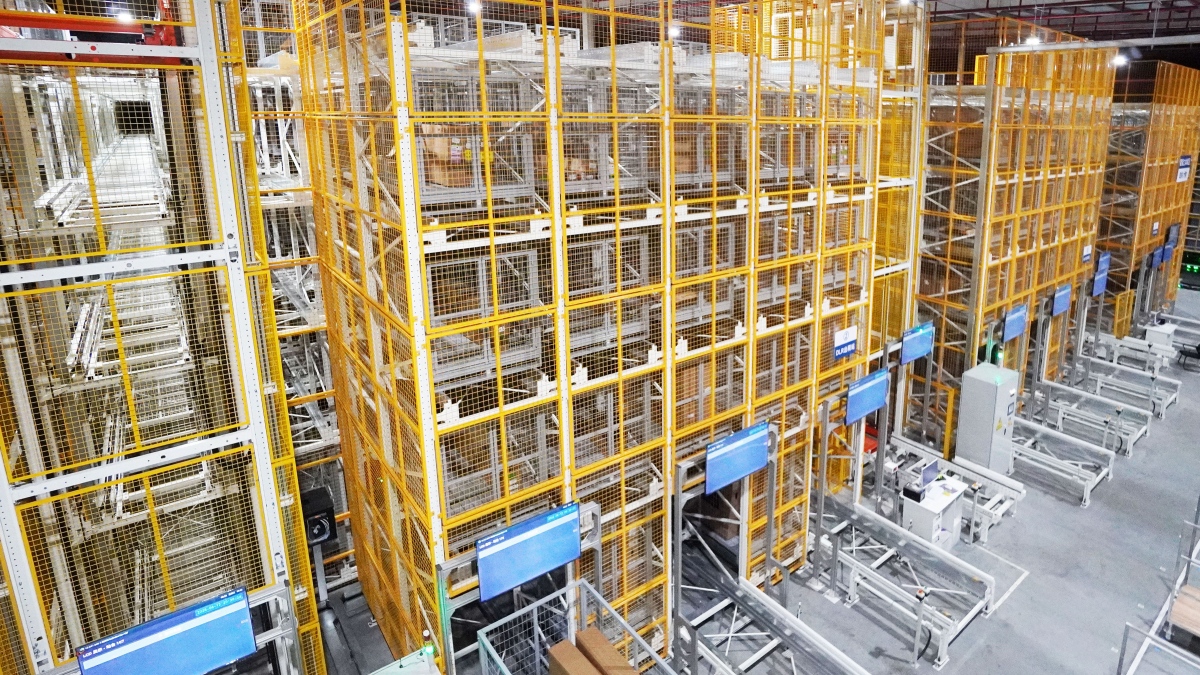
Readly cold store runs at -25°C and holds 3,484 pallet positions on a Pallet Four-Way Shuttle ASRS. Space utilization roughly tripled; operating efficiency rose by more than 60%. That is what putting expensive refrigerated volume to work actually buys.
It does not make four-way shuttles the answer to every cold store, and DELIECN's own project for Xiaoren Fruit used a Pallet Two-Way Shuttle instead, because the storage pattern there supported a simpler configuration.
For a buyer the distinction matters more than the product name. Ask how the SKUs spread across pallets, how fast they turn, and how much flexibility outbound actually needs. One question we hear in almost every inquiry: "do we really need four-way?" The honest answer depends on those three things, not on the brochure.
Pallet work is counted in positions and movements. Small-item storage plays a different game: thousands of SKUs, constant retrievals, containers of different heights, and the minutes spent walking the right item to a picker.
A tote warehouse can be full and still slow, if picking demand outruns the retrieval and transfer processes.
Toyota's spare-parts center shows the shape of the problem. Nearly 45,000 SKUs, and a small-parts area that had to make the most of limited building height. Mini-FlyBox created more than 17,000 tote locations there: H300 totes on 15 levels, H450 on 11. Different tote heights share the same vertical space without wasting clearance, and totes come out toward goods-to-person picking instead of sending operators walking the aisles.
Yonggui went the other way. Its tote warehouse reaches 22.3 m, and the 51-level Tote Four-Way Shuttle ASRS runs eight robots together at roughly 323 totes an hour.
It would be tidy to conclude that Mini-FlyBox belongs in low buildings and Tote Shuttle in tall ones. Height matters, but so do SKU spread, tote dimensions, order frequency, and how storage connects to production. Tote automation is designed around the retrieval workload. More locations don't move more orders.
A quotation can describe every robot in detail and still skip the questions that decide the project.
How many pallets can the whole system process in the busiest hour? What happens when several shuttles want the same lifter? Can the warehouse run when one robot is down? And who owns the problem when the WCS won't talk to an existing WMS?
These are engineering questions, and they belong in the contract, not in a footnote.
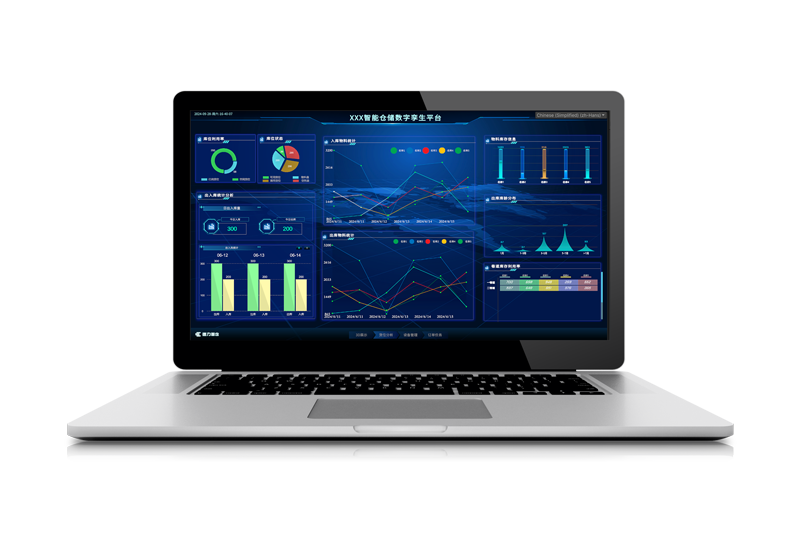
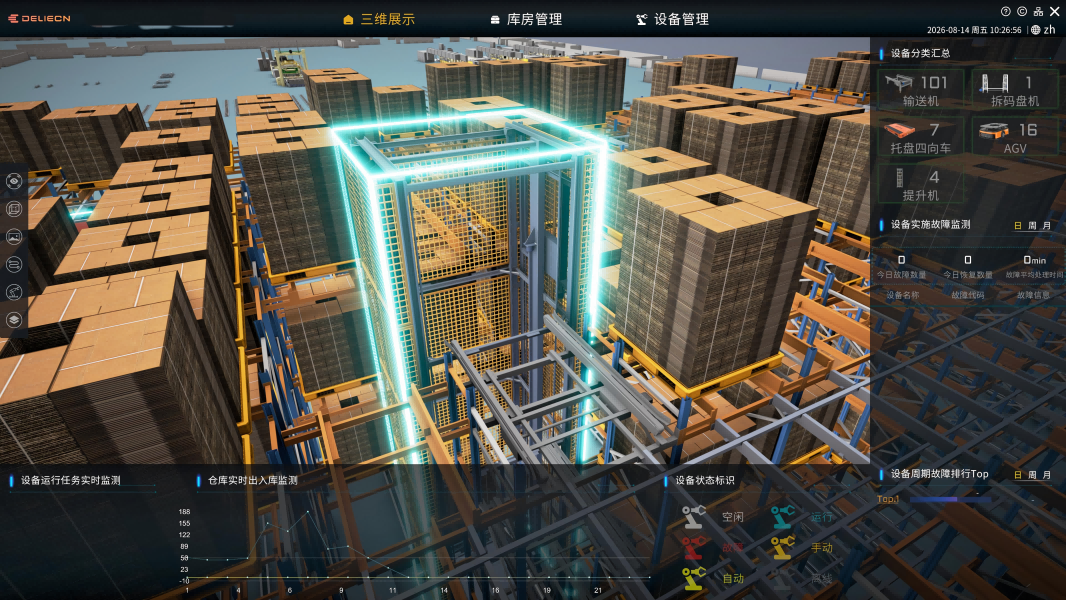
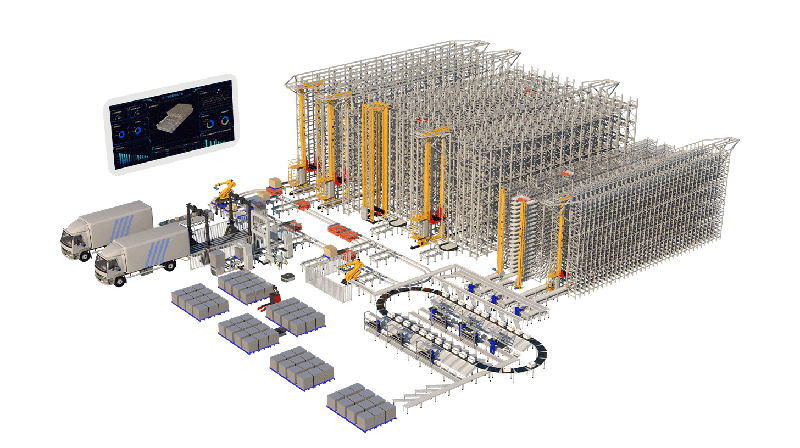
The split is worth knowing. WMS runs the warehouse business: receiving, put-away, replenishment, picking, outbound. WCS runs the equipment: task allocation, machine communication, execution. Both have to work with the physical system, lifters, conveyors, AMRs, rather than sit beside it as disconnected software.
Then comes the supplier question. A maker who builds shuttles but buys everything else can still deliver a good project. What matters is that technical responsibility is written down line by line.
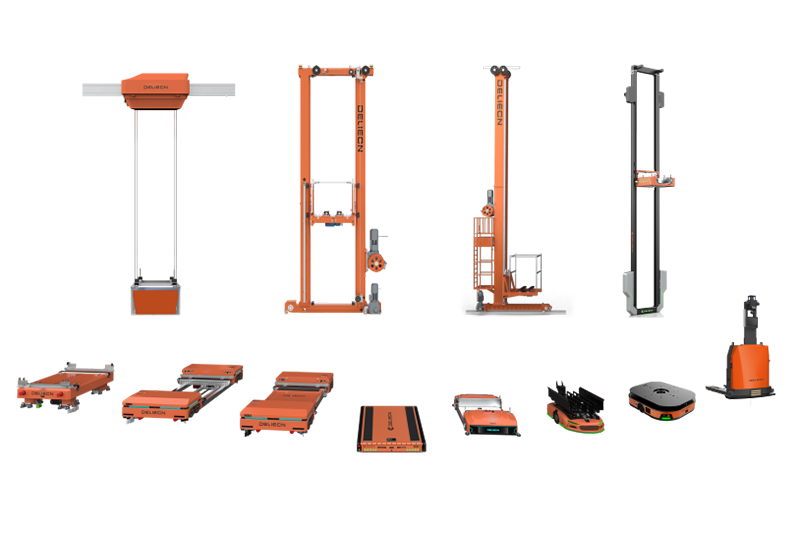
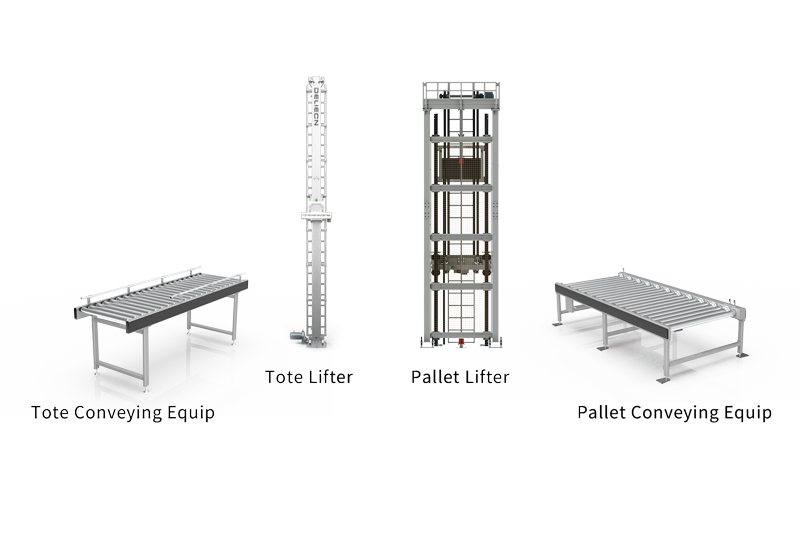
DELIECN develops pallet and tote shuttles alongside stacker cranes, lifters, conveying equipment and WMS/WCS, so an integrated project has one engineering basis to coordinate against. Buyers should still verify which elements are designed, built and supported in-house and which come from partners. Good suppliers answer that quickly. Hesitant ones answer slowly, and the delay tells you something too.
The price on the first page is visible from day one. The costs that decide the return usually are not.
Software customization, overseas commissioning, operator training, connections to existing production systems: any of these can sit outside the number being compared. Spare parts and remote support vary even more between suppliers.
That doesn't make a low quotation wrong. It makes it incomplete as a comparison.
For international projects, read the scope of supply next to the commercial offer. Ask for throughput on the same assumptions, not each supplier's favorite ones. Confirm who installs and commissions. Agree how faults get diagnosed after handover.
Reference projects should resemble yours. A tote warehouse at room temperature says little about heavy pallets in a freezer, and a robot gliding across a demonstration floor says nothing about peak hour on a Friday.
The more complex your warehouse, the more the engineering behind the quotation matters, and the less the total at the bottom of the page does.
Global buyers don't need the newest ASRS technology of 2026. They need a system whose capabilities match what the warehouse does on an ordinary Tuesday, and on the Friday peak.
Start with the building, the inventory profile, load dimensions, turnover and peak throughput. Then walk the whole journey: receiving, storage, retrieval, picking, dispatch.
Any of these can be the right answer: a stacker crane, a Pallet Four-Way Shuttle, a Pallet Two-Way Shuttle, a Mini-FlyBox, a Tote Four-Way Shuttle. None of them earns the choice by performing well in somebody else's building.
The strongest investment case explains three things. What the system will improve. How the improvement will be measured. What it takes to keep it running.
When you compare suppliers, look for that explanation rather than an equipment list. A reliable partner connects the design to your operating data, owns the agreed scope, and stays long after commissioning.
That is a safer way to choose an ASRS than chasing either the lowest price or the highest specification.
Start with an on-site assessment. Measure aisle width, ceiling height, floor strength, and temperature conditions. Observe workers during peak hours. Hidden delays often appear there. Forecasts can be wrong, so leave room for judgment.
Shuttle systems can support dense pallet or tote storage. They fit operations with frequent, repeated movements. Test real picking rates first. Speed alone proves little.
Crane-based systems suit tall warehouses with structured, repetitive operations. They need suitable floors, clear safety distances, and reliable load handling. Check emergency access carefully. A tall system is not always the best system.
Compare energy use, maintenance hours, software fees, training, spare parts, and international service travel. Calculate costs over five years. A cheaper purchase can become expensive later. I would question every optimistic estimate.
Choose systems that support multiple currencies, time zones, languages, and local workflows. Use phased deployment with rollback options. Test one limited zone first. Expansion should follow evidence, not excitement.