Industries Smart Warehousing Solutions Tailored To Your Industry
With a comprehensive range of intralogistics, products, DELlECN helps you build efficient and Fully Automated Warehouse operations.
Services Maximizing the Value of Your Logistics
At DELIECN, service goes beyond product delivery. We provide consulting, planning, design, manufacturing, installation, commissioning, and after-sales support throughout the entire lifecycle.
About Us Efficient and Flexible Automated Warehousing Solutions
DELIECN supports clients across food and beverage, new energy, chemicals, pharmaceuticals, e-commerce, precision manufacturing, textiles, and energy industries with intelligent warehousing systems tailored to their goals and requirements.
Okay, so a Four Way Shuttle warehouse is kind of a game-changer for storage. You can pack more pallets into a smaller footprint and move loads in all directions. But by 2026, it’s not just about how fast the shuttle moves—you have to think about your pallet sizes, load weights, how many SKUs you’re dealing with, your order patterns, and the space you actually have. Honestly, the small details are what really make or break it. It’s honestly kind of wild how a few centimeters of clearance can totally throw off your rack design—and uneven daily demand? Yeah, that can mess with how many shuttles you need, too.
So you're thinking about a four-way Shuttle System for your warehouse? This guide's got you covered. We'll walk through the key questions you need to ask before picking one. We're talking storage density, how goods flow in and out, shuttle capacity, charging setups, the control software, and how it all hooks up with your WMS. And we can't forget the nitty-gritty: how do operators actually get to the equipment, and what happens when something goes wrong – like a pallet's damaged or the system temporarily goes down? It's easy to overlook these till you're in the thick of it, but honestly, you want to sort them out before you install, not after.
Honestly, there’s no single “best” system out there. Sure, a high-density layout can save aisle space, but it makes access and replenishment planning trickier than you’d think—and people often overlook that trade-off. When you’re comparing providers, you really have to dig into the specs, support, installation experience, and whether their performance claims are actually realistic. Don’t just get swept up by the headline throughput number. So, what you’ll find in the next sections is a pretty grounded way to look at whether a Four Way Shuttle Warehouse actually fits your site, your products, and what you’re trying to achieve operationally. Just keep in mind—some numbers will need to be double-checked against your real inventory and order data. Honestly, that’s a good thing, not a downside.

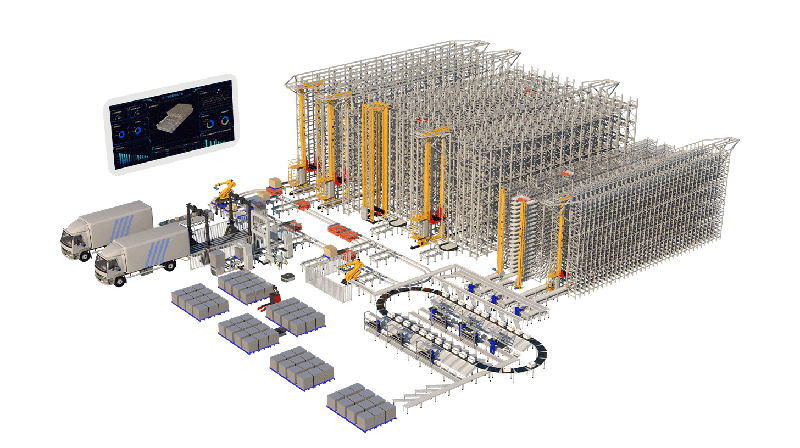
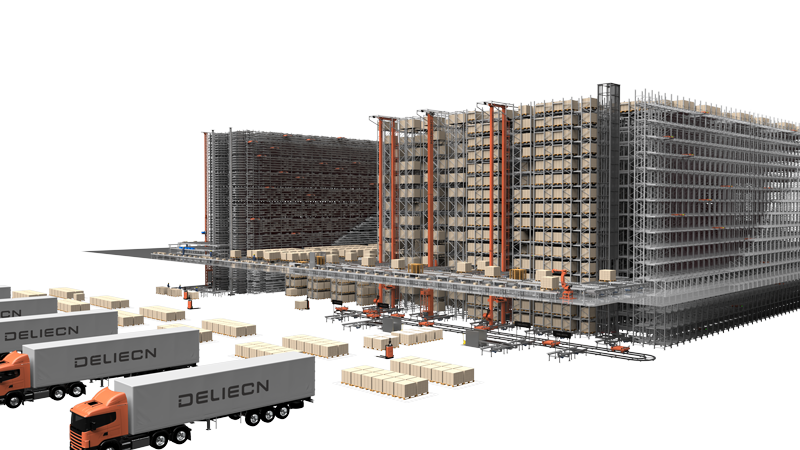
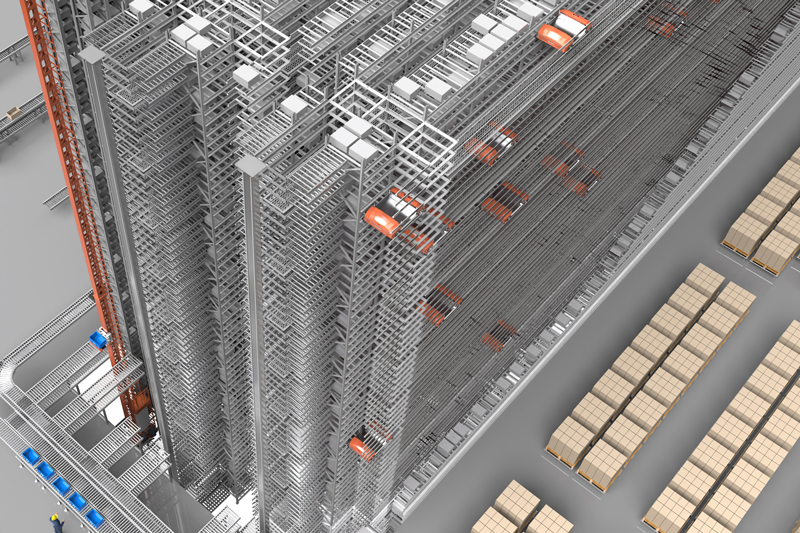
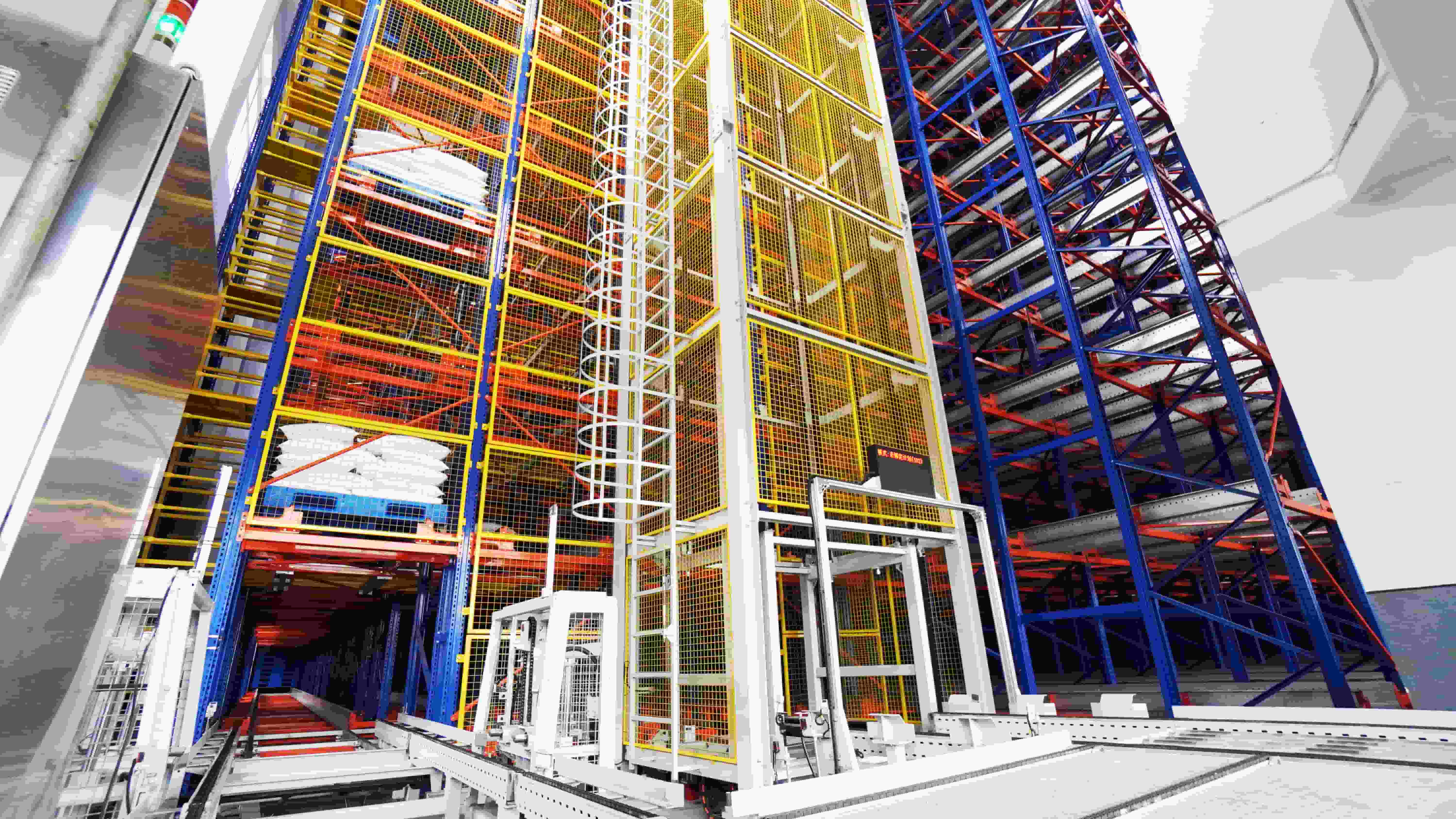
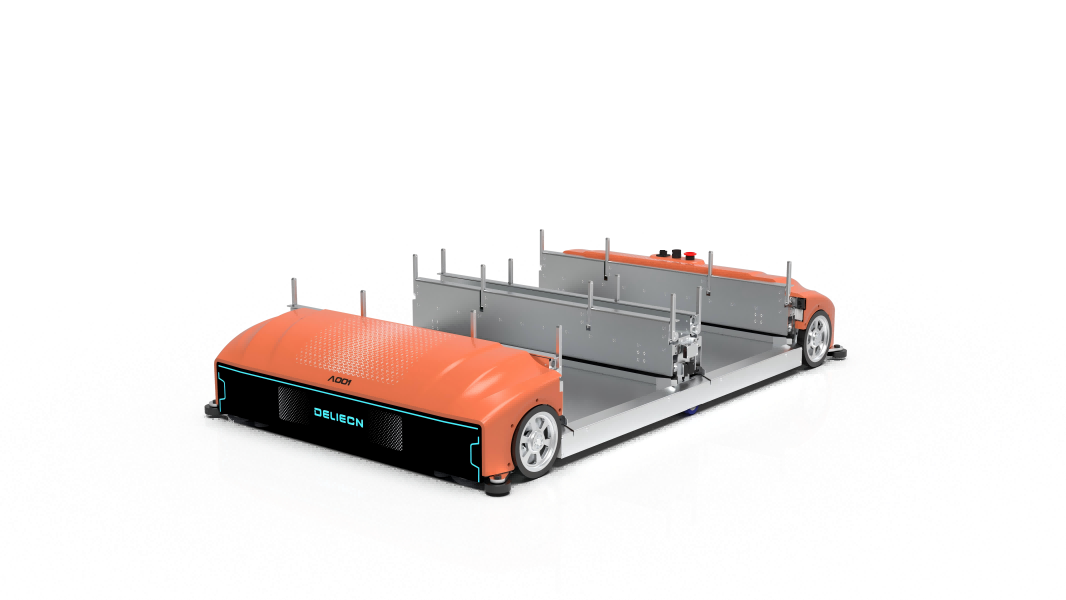
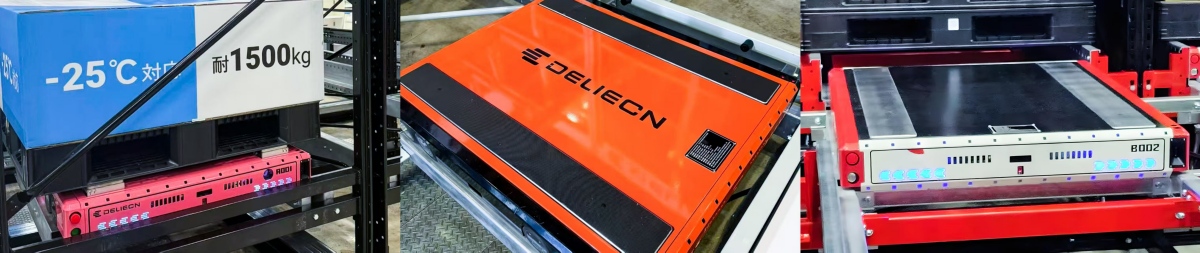
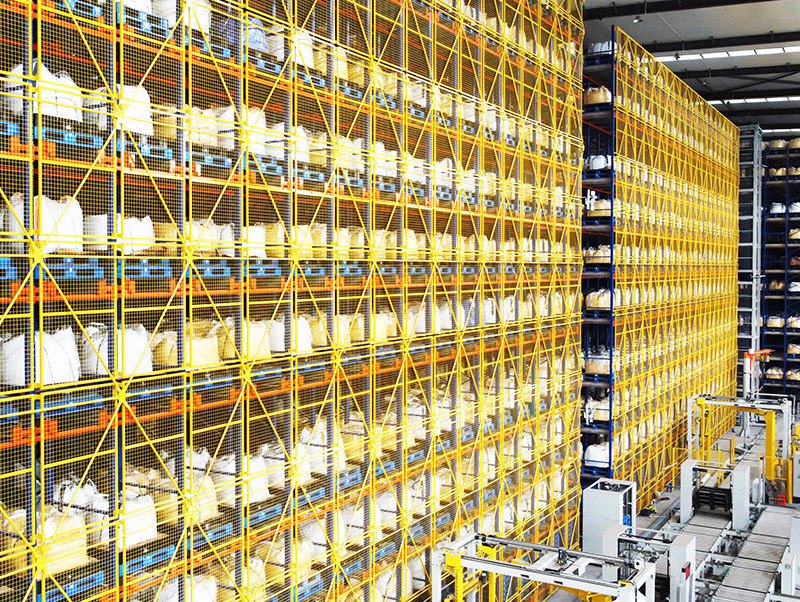
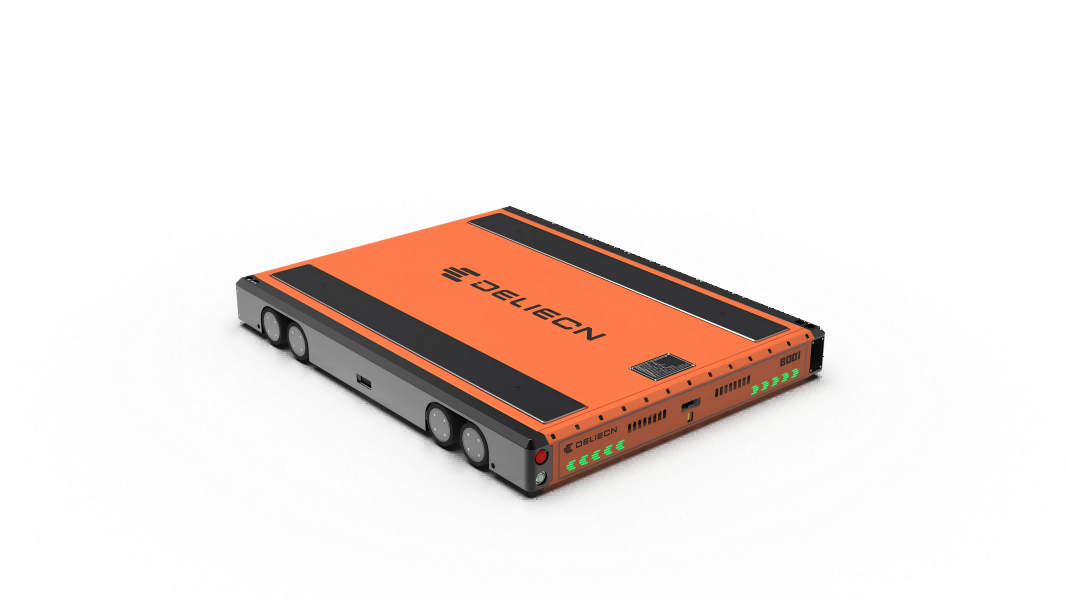
A four-way shuttle warehouse system uses autonomous vehicles to move pallets along storage racks in four directions. A shuttle travels forward and backward within an aisle, then moves sideways across transfer rails to reach another lane. Vertical lifters connect different rack levels, while conveyors or transfer stations bring pallets to picking and dispatch areas. The equipment works as a coordinated system, not as a standalone vehicle.
Compared with single-direction Shuttle Systems, four-way designs can serve more storage lanes from shared access points. A warehouse control system assigns shuttle movements and tracks pallet locations. For example, a vehicle may retrieve a pallet from a deep lane, transfer it to a lift, and deliver it to a ground-level station. Sensors help detect obstacles and confirm movements, but layout quality still matters.A poorly planned handoff can slow the whole operation.
That sounds simple. It isn’t always. Rack dimensions, pallet condition, load weight, and daily order patterns affect performance. Even small differences in pallet size can cause handling problems. Before choosing a system, operators should review peak-hour demand and the space available for lifters and service access. High storage density can be useful, but it may reduce flexibility when inventory changes often. One trade-off is easy to overlook.
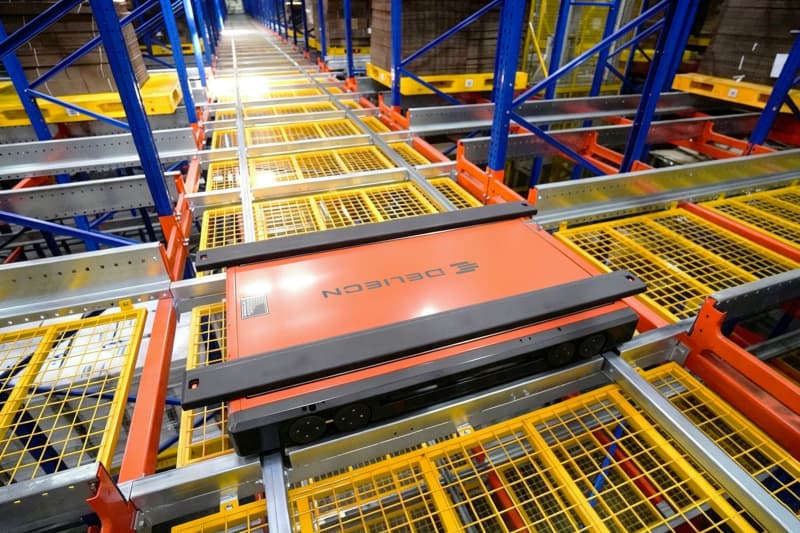
A four-way shuttle carries a pallet along rails, then changes direction at rail intersections to reach another storage lane. A lifter moves it between levels. For retrieval, the shuttle collects the requested load and returns it to a lifter or conveyor for dispatch. The route depends on the rack layout, available equipment, and inventory-control system. Small movements matter.
In dense storage, loads sit in deep lanes rather than on open-access shelves. This can reduce travel through aisles, but pallets must match the system’s size and weight limits. Damaged boards, loose wrapping, or uneven loads can cause trouble on the rails. Clear labels and accurate inventory records also help the control system send the right shuttle to the right location.
The investment trend is real, though not specific to Shuttle Systems: MHI and Deloitte’s 2024 Annual Industry Report found that55% of respondents were increasing supply-chain technology and innovation investment. That supports interest in automation, not a guarantee that every warehouse needs it. Still, the aisle math can look better on a drawing than during a busy shift. Operators should test real pallet variation, order patterns, and recovery procedures before settling on a design. A small mismatch can slow the whole flow.
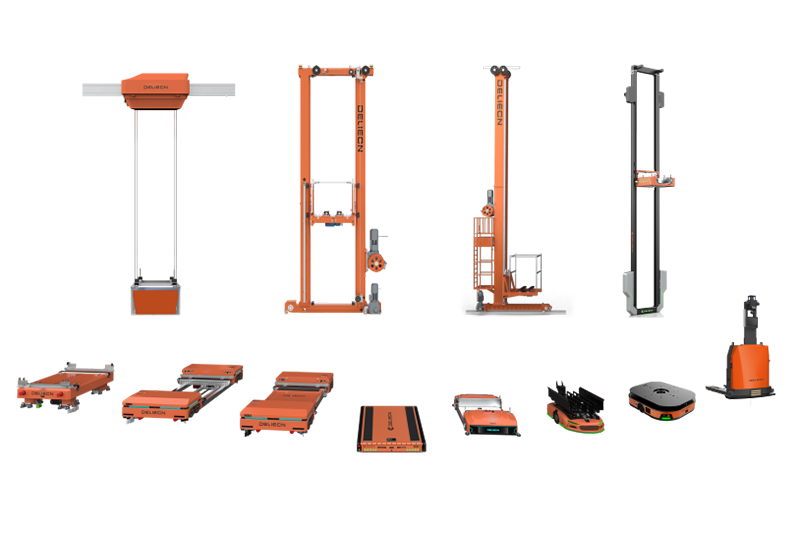
A four-way shuttle solution depends on coordinated hardware and WCS, not just a mobile cart. The shuttle travels along dedicated rack channels, while transfer points let it change direction. Rack beams and rail clearances must match its wheelbase, payload, and transfer method. Small measurement errors matter.
Vertical lifters connect storage levels. Infeed and outfeed conveyors bring pallets to handoff points, keeping loads aligned and stable. A Four Way Shuttle Systemalso needs control software to assign tasks, track locations, and manage traffic. The Warehouse Management system supplies inventory orders; the control layer turns them into equipment movements.Sensors, emergency stops, and guarded transfer zones help operators detect obstructions and respond safely.
Power and charging deserve early planning. Battery capacity, charging windows, and shift patterns affect shuttle availability during peak demand. Pallet quality matters too: damaged boards or inconsistent dimensions can interrupt transfers. Test representative loads before finalizing rack layouts. Test carefully.
One trade-off is easy to miss: adding shuttles may increase throughput, but congested lifters can still become bottlenecks. Operating data should guide the final configuration, and the first design may need revision.
In 2026, four-way Shuttle Systems suit warehouses that need dense storage and flexible pallet movement. Their shuttles travel along and across storage lanes, reducing forklift trips inside racks.The best fit depends on load size, SKU variety, throughput, and temperature. Fit matters more.
Pallet Shuttle Systems handle deep-lane storage for stable, high-volume pallet loads.
Tote and case systems serve smaller goods and frequent order picking.
Hybrid designs combine pallet storage with tote or case handling, but need careful software coordination.
Cold-store configurations use shuttle equipment and rack layouts suited to low temperatures.
Cold rooms change everything.
MHI’s 2024 Annual Industry Report surveyed more than 1,000 supply chain professionals; 55% planned to increase technology and innovation investment over the following two years. That signals continuing interest, not guaranteed savings. Compare each design using measured travel time, peak throughput, energy use, and recovery time after a shuttle fault. Not always. A dense layout can still disappoint if replenishment, fire protection, or maintenance access is poorly planned. Validate the design with actual order profiles before committing.
Warehouse capacity depends on storage depth, aisle space, and how quickly stock must move. Selective pallet racking offers direct access to every load, but wide forklift aisles limit storage density. Two-way shuttles store pallets more deeply and reduce travel inside lanes, though each lane usually serves a fixed SKU. Crane-based automated storage can use narrow aisles and tall buildings, but changing its layout is difficult. A 4 Way Shuttle Warehouse adds movement across multiple directions, allowing shuttles to route pallets between lanes and lifts. That flexibility can support more SKU locations without dedicating each lane to one product.
The trade-off is real. Four-way systems need compatible pallets, carefully planned intersections, and control software that manages traffic. MHI’s 2024 Annual Industry Report found that 55% of respondents planned to increase investment in supply-chain innovation, reflecting growing interest in automation—not proof that every site needs it. For a warehouse with many pallet positions and changing order patterns, this system may balance density and adaptability better than fixed-lane shuttles. For a small operation with stable, fast-moving SKUs, simpler storage may be easier to run. Real pallets vary. A few damaged loads or unusual dimensions can disrupt a neat plan, so test the actual load mix and peak-hour movements before sizing the grid.
A four-way shuttle system should fit the warehouse’s daily work, not just its floor plan. Start with pallet dimensions, load weight, rack depth, and aisle clearance. Measure real loads, including overhang and uneven wrapping. Small differences can cause jams or reduce usable storage.
Space matters. Check how shuttles move between lanes and levels, and whether lifts can handle peak demand. Compare expected pallet movements per hour with busy-shift data, not a quiet-day average. Also review battery charging, controls, maintenance access, and recovery procedures if a shuttle stops inside a lane. Ask for performance figures based on similar load conditions, then verify them against your own operating data.
A 2 Way Shuttle may suit simpler layouts, while four-way movement can offer more routing flexibility. But added flexibility does not guarantee faster throughput. Model common tasks, seasonal peaks, and likely bottlenecks before choosing. A small pilot with representative pallets can expose practical issues, such as slow handoffs or awkward operator screens. The model may still miss something. Check the assumptions.
Compare system configurations against your inventory, building, and operating requirements. Capacity and throughput depend on the project design, equipment, load, and operating conditions; confirm final specifications with the system integrator.
| Solution profile | Best suited to | Key selection factors | Main advantages | Points to validate |
|---|---|---|---|---|
| High-density, deep-lane storage | Large quantities of palletized goods with relatively few product types per lane. | Pallet dimensions and condition, lane depth, SKU distribution, and required inventory access. | Uses storage space efficiently and reduces the need for a forklift to enter each storage lane. | Deeper lanes can make individual pallets less directly accessible. Confirm the storage and retrieval sequence supports the required stock rotation. |
| Multi-SKU shuttle storage | Warehouses holding multiple SKUs that need to be stored and retrieved from different lanes. | SKU count, order profile, replenishment pattern, lane allocation, and control-system logic. | Four-direction travel can allow shuttles to move between lanes and levels when the system is designed for it. | Model peak order waves, replenishment, and shuttle traffic together; nominal shuttle speed alone does not establish system throughput. |
| High-throughput, multi-level storage | Operations with concentrated demand periods or a need to serve multiple storage levels. | Peak hourly moves, lift or transfer equipment, shuttle fleet size, charging strategy, and system bottlenecks. | Can coordinate storage across levels and support automated movement between storage locations. | Check that lifters, conveyors, interfaces, and software can handle the modeled peak flow, not just average daily volume. |
| Cold-storage configuration | Temperature-controlled warehouses where space utilization and reduced travel inside the cold area are priorities. | Required operating temperature, condensation and icing controls, battery performance, materials, and maintenance access. | High-density storage can help limit the warehouse footprint that must be temperature controlled. | Verify that every component is rated for the actual temperature and humidity conditions, including charging and service procedures. |
| Brownfield or phased installation | Existing facilities that need to retain some current operations or expand in stages. | Building clear height, floor flatness and loading, column positions, fire protection, and installation access. | A phased project may allow automation to be introduced while other warehouse areas remain operational. | Complete a site survey and structural, fire-safety, and operational review before fixing the rack layout or expansion plan. |
| Standardized-pallet operation | Facilities using consistent pallet footprints and predictable unit-load handling. | Pallet footprint, total load weight, load overhang, pallet quality, and bottom-deck construction. | Consistent loads make it easier to define rack clearances and shuttle interfaces. | Common pallet footprints include 1,200 × 800 mm and 1,200 × 1,000 mm, but compatibility must be checked against the equipment and rack design. |

| Factor | Information to collect | Why it matters |
|---|---|---|
| Load characteristics | Pallet size, maximum gross weight, load height, overhang, and pallet condition. | Shuttles, rack clearances, and transfer equipment must accommodate the actual unit load safely. |
| Inventory profile | Number of SKUs, pallets per SKU, seasonality, expiry requirements, and inventory rotation rules. | These determine whether lane-based high-density storage fits the required access and rotation strategy. |
| Throughput demand | Inbound and outbound pallet moves by hour, shift patterns, peak periods, and replenishment needs. | Peak demand and equipment handoffs often shape the required shuttle fleet and system layout. |
| Building constraints | Clear height, floor condition and loading, columns, dock locations, and fire-protection requirements. | The site determines feasible rack geometry, installation scope, and required safety interfaces. |
| Controls and integration | Warehouse management and control systems, host-system interfaces, exception handling, and reporting needs. | Reliable coordination between software and equipment is essential for tracking stock and managing automated moves. |
| Resilience and maintenance | Charging method, spare equipment, service access, recovery procedures, and maintenance coverage. | A documented recovery and maintenance plan helps manage downtime and keep operations supportable. |
Four-way shuttle warehousing is best suited to facilities handling many palletized SKUs in limited floor space. Food and beverage operations often store dense ranges of ingredients, cartons, and finished goods, with frequent replenishment. Cold stores can also benefit: compact storage may reduce the volume of refrigerated air, though energy savings depend on building design and operating patterns. Space matters.
Pharmaceutical distributors and automotive parts warehouses are other possible fits. Both may need controlled stock locations and reliable retrieval across many product lines. The 2024 MHI Annual Industry Report found that 55% of supply chain leaders planned to increase technology investment, while 88% expected to adopt robotics and automation within five years. These figures signal growing interest, not proof that every site needs automation. A detailed throughput and SKU review still matters.
E-commerce fulfillment can benefit when inventory is palletized upstream and orders move quickly to picking areas. The U.S. Census Bureau reported that e-commerce represented 16.1% of U.S. retail sales in the fourth quarter of 2024. A four-way shuttle may support that pace, but it is not a universal fix. Irregular loads, low storage density, or sharp seasonal swings can weaken the business case. Compared with a Two Way Shuttle, four-way movement adds routing flexibility, yet also adds system complexity. That trade-off deserves careful testing.
Industry research on warehouse automation points to a growing need to store more small items in limited space while keeping orders moving quickly. Tote shuttle systems address this challenge by placing inventory in dense storage and bringing selected containers to workers. This goods-to-person approach can reduce unnecessary travel and support faster, more consistent picking. The broader insights associated with market and material-handling analyses also underline the importance of systems that can adapt as order volumes, product ranges, and fulfillment requirements change.
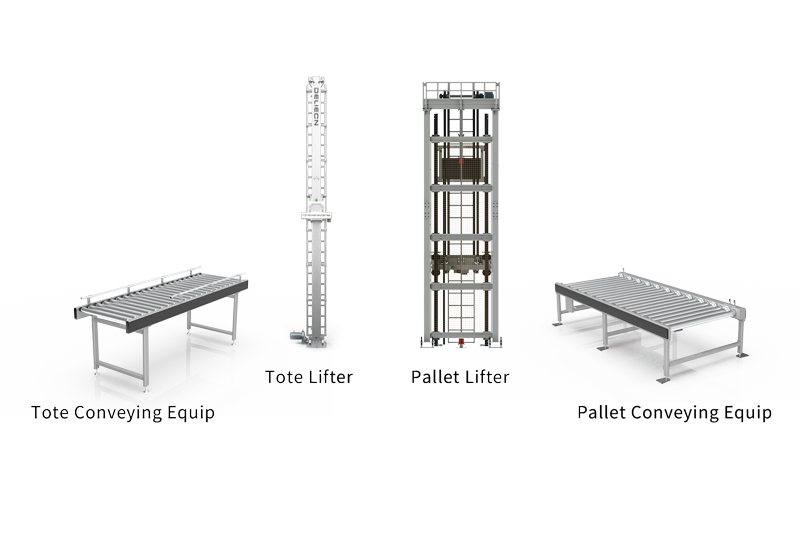
A tote shuttle robot can work with tote lifters and conveyor systems to move containers across aisles and storage levels. Its modular, scalable configuration allows capacity and workflows to be expanded or adjusted as operational needs evolve. In production-line buffering and order consolidation, reliable shuttle movements can help maintain steady throughput and coordinate inventory around changing work demands. These capabilities suit retail, e-commerce, pharmaceutical, cold-chain, and machinery-manufacturing operations handling many small-item SKUs, where efficient storage and timely access can improve fulfillment speed and day-to-day warehouse management.
It uses autonomous vehicles to move pallets forward, backward, and sideways through storage racks. Lifts and conveyors connect levels and work areas.
It travels along an aisle, then crosses transfer rails to enter another lane. Short route, many moving parts.
Shared access points can serve more storage lanes. Poorly planned handoffs may still slow operations.
A shuttle retrieves it and transfers it to a lift. The lift brings it to a ground-level station.
Rack dimensions, pallet size and condition, load weight, and order patterns all matter. Even small size differences can cause trouble.
Pallet designs suit stable, high-volume loads. Tote and case designs suit smaller goods and frequent picking. Hybrid systems need careful coordination.
No. Dense storage can reduce flexibility when inventory changes often. Maintenance access matters too.
Check peak-hour demand, available lift space, and actual order profiles. Compare travel time, throughput, energy use, and recovery after a shuttle fault.
Sensors can detect obstacles and confirm movements. They cannot fix a poor layout or awkward handoff. Worth remembering.
A Four Way Shuttle Warehouse system uses automated shuttles that travel in multiple directions through storage lanes to move pallets or other loads between locations. Working with racks, lifts, conveyors, control software, and safety equipment, the shuttles support storage and retrieval with less reliance on manual movement. The right configuration depends on the facility’s layout, load requirements, throughput goals, and level of automation.
This overview compares four leading solution types for 2026, considering their capacity, flexibility, and suitability for different operations. It also highlights key selection factors, including storage density, system scalability, integration needs, maintenance, and expected demand. Four-way shuttle warehousing can be a strong fit for distribution centers, manufacturing facilities, cold storage, and other operations that need organized, high-volume inventory handling. Evaluating the building, products, and workflow helps determine which solution best balances performance and adaptability.