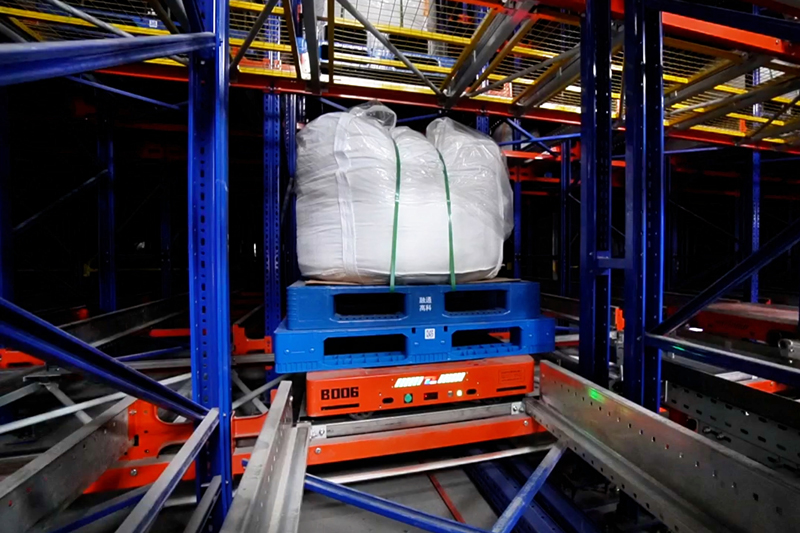
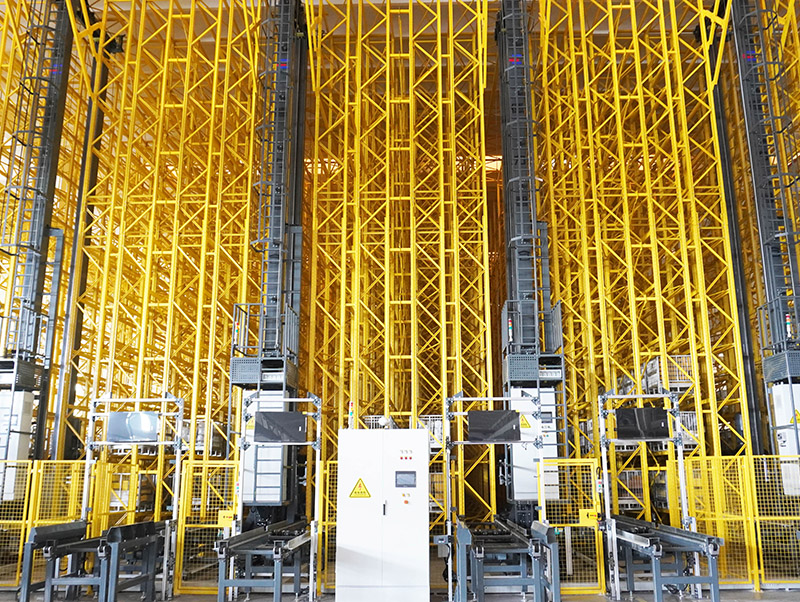
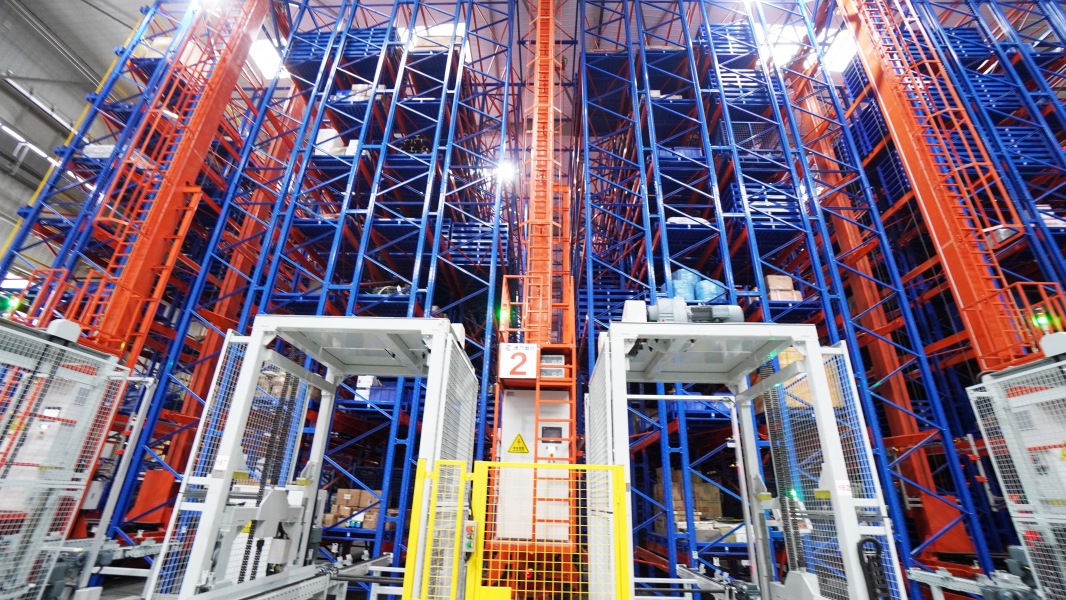
A Pallet Shuttle System can move hundreds or thousands of pallets through high-density storage lanes, but its reliability often depends on components that receive much less attention than the robot itself.
A worn wheel, contaminated sensor, damaged charging connector, or obstruction on the rail may look minor during a routine inspection. Left unresolved, however, the same issue can lead to repeated alarms, unstable travel, or an unavailable storage lane.
This is why Pallet Shuttle maintenance should not begin only after a fault occurs.
A practical maintenance program combines routine inspection, condition monitoring, accurate service records, compatible spare parts, and clear fault-recovery procedures.
The exact maintenance interval depends on the shuttle model, operating hours, load, warehouse environment, and manufacturer requirements. A cold-storage shuttle running continuously has a different maintenance profile from one operating occasionally in an ambient warehouse.
The objective is therefore not to copy one universal checklist.
It is to build a maintenance plan around the way the actual system operates.
Why Pallet Shuttle Maintenance Needs More Than a Calendar
Pallet Shuttle robots operate in a relatively confined environment.
They travel along rails inside deep-lane or automated racking, repeatedly lifting, carrying, positioning, and lowering pallet loads.
Depending on the system architecture, components may include:
-
Drive and load-support wheels
-
Positioning and pallet-detection sensors
-
Lifting mechanisms
-
Motors and drive components
-
Batteries or other power systems
-
Charging connectors or charging stations
-
Communication equipment
-
Mechanical fasteners and guards
-
Emergency-stop and other safety devices
-
Rails and transfer interfaces
These components do not necessarily wear at the same rate.
A warehouse handling heavy pallets across long operating shifts may place more demand on wheels and drive components.
A dusty manufacturing environment may require closer attention to rails and sensor surfaces.
Cold storage can place different demands on batteries, lubrication, electrical components, and materials.
This is why maintenance intervals should start with the equipment manufacturer's instructions and then be refined using operating records from the site.
Build Maintenance Around Usage and Operating Conditions
A useful maintenance plan has several layers.
Operator Checks Before Operation
Operators should be able to identify obvious abnormalities before the shuttle begins normal work.
Typical visual checks may include:
-
Visible damage or contamination on the shuttle
-
Debris or obstructions on accessible rail sections
-
Obvious wheel or roller damage
-
Battery or charging-status warnings
-
Damaged cables or accessible connectors
-
Sensor surfaces that are visibly contaminated
-
Abnormal alarms from the previous shift
These checks are not a substitute for technical maintenance.
Their purpose is to catch visible problems before the equipment enters another operating cycle.
If abnormal wear, damage, overheating, or repeated alarms are found, the shuttle should be assessed according to the site's approved maintenance procedure rather than repeatedly returned to operation.
Routine Technical Inspection
Maintenance technicians should inspect components that require more detailed assessment.
The frequency should follow the shuttle manual, site operating hours, environmental conditions, and maintenance history.
Typical items include:
-
Wheel and roller condition
-
Rail condition and alignment at accessible points
-
Lifting and load-support components
-
Sensor mounting and detection condition
-
Electrical connectors
-
Charging equipment
-
Accessible fasteners
-
Mechanical guards
-
Safety functions
-
Fault and alarm history
A shuttle that operates continuously in a demanding environment may need more frequent attention than the same model running only a few hours per day.
Maintenance frequency should therefore respond to actual equipment condition rather than calendar dates alone.
Maintenance Records Are as Important as the Inspection
A maintenance program becomes much more useful when inspection results can be compared over time.
Instead of recording:
Wheel problem
a technician should record something more specific, such as:
Left rear drive wheel shows uneven wear; vibration observed during forward travel.
The maintenance record should identify:
-
Shuttle identification or serial number
-
Date and operating condition
-
Alarm or fault information
-
Component inspected
-
Observed condition
-
Corrective action
-
Parts replaced
-
Result of the post-maintenance test
This creates a history for each shuttle.
If the same wheel position, sensor, or charging connection repeatedly develops problems, the team can investigate the cause rather than treating each event as an isolated failure.
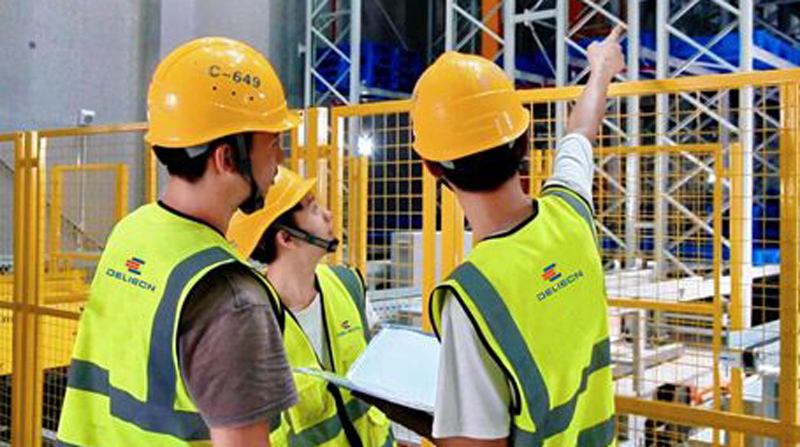
DELIECN's current service system also includes preventive service, fault logging, system monitoring, spare-parts support, and lifecycle management. These tools are intended to help maintenance move from repeated reactive repair toward more structured equipment management.
Inspecting Rails, Wheels, and Running Components
The rail is part of the shuttle's operating environment.
Dust, pallet fragments, packaging material, damaged joints, or other debris can interfere with smooth travel.
For this reason, rail inspection should be included in the maintenance plan, particularly in dusty or high-throughput warehouses.
Before hands-on inspection or cleaning, the equipment must be placed in a safe condition according to the site's energy-isolation and maintenance procedures.
Technicians should check accessible rail surfaces for:
-
Debris or contamination
-
Visible deformation or damage
-
Abnormal wear
-
Irregular joints or interfaces
-
Evidence of repeated contact
Wheels and rollers should be inspected for:
A damaged wheel may cause vibration or uneven movement even when the shuttle is still capable of completing tasks.
That makes early identification more useful than waiting for the equipment to stop completely.
Sensors: Clean First, Diagnose Second
Pallet shuttle robots rely on sensors for functions such as pallet detection, positioning, travel monitoring, and safety.
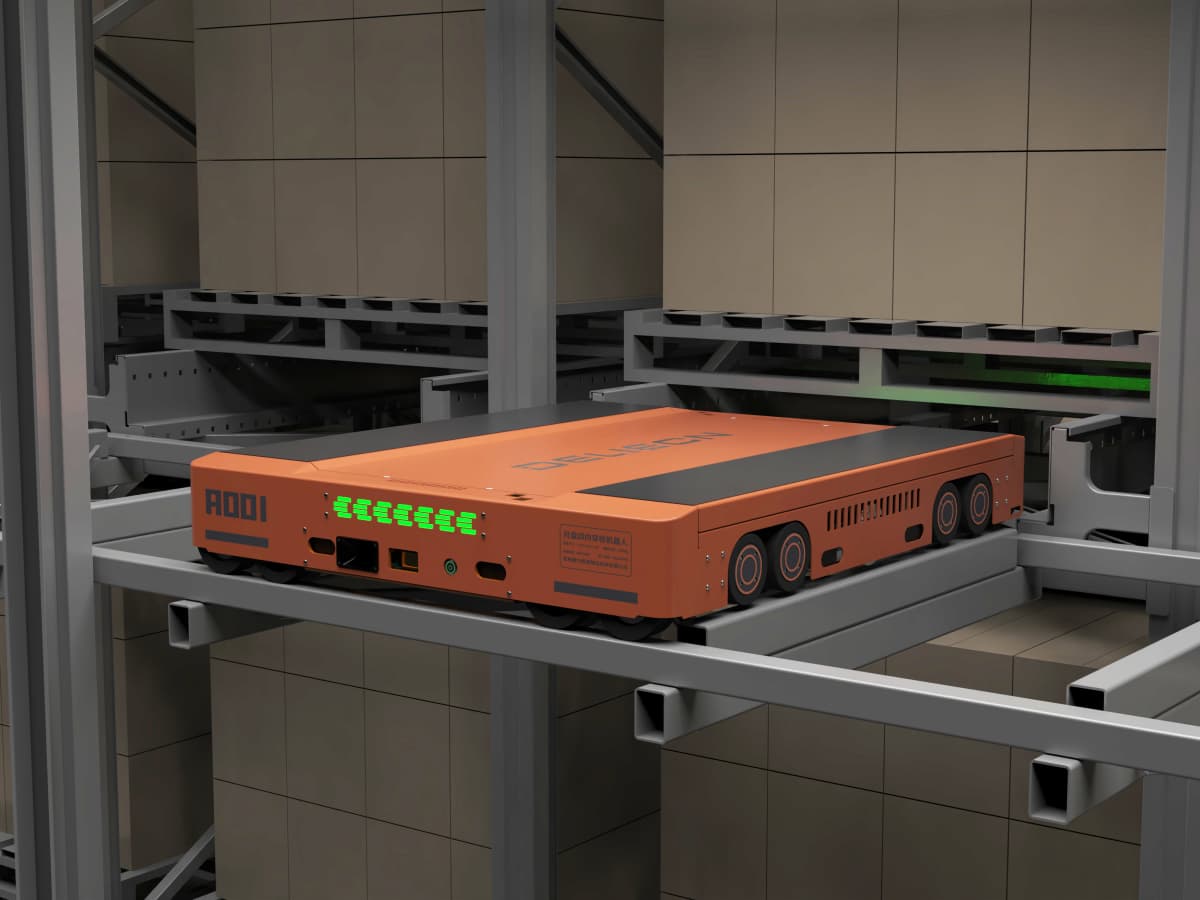
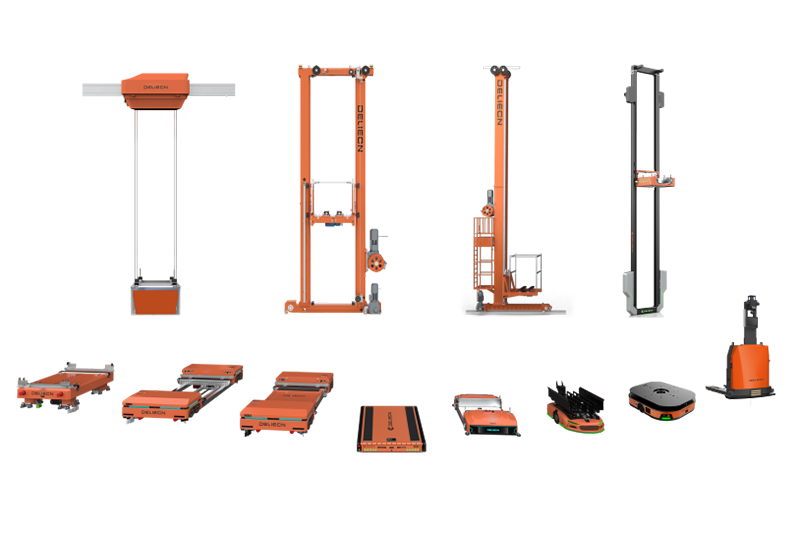
DELIECN's Pallet Two-Way Shuttle Robot, for example, uses positioning sensors to support pallet access and placement inside the storage lane.
A sensor alarm does not automatically mean that the sensor itself has failed.
Dust, contamination, a loose mounting point, connector problems, misalignment, or an abnormal target condition can all affect detection.
When a sensor-related fault appears, maintenance staff should first follow the approved diagnostic procedure.
This may include checking:
-
Sensor surface condition
-
Mounting position
-
Connector condition
-
Target or reflector condition, where applicable
-
Fault log
-
Repeated occurrence under the same operating condition
Cleaning should use materials and methods approved for the equipment.
Abrasive materials, unsuitable solvents, or uncontrolled water cleaning can introduce new problems instead of solving the original one.
Battery and Charging-System Maintenance
Battery condition directly affects shuttle availability.
DELIECN's current Pallet Two-Way Shuttle Robot uses a lithium iron phosphate battery, while other shuttle configurations may use different power solutions.
Maintenance therefore needs to follow the battery type and charging strategy of the actual system.
Useful checks include:
-
Battery status and warning information
-
Charging behaviour
-
Connectors and cables
-
Abnormal heat
-
Visible damage
-
Unexpected reduction in operating time
-
Charging interruptions or repeated charging alarms
A shorter operating time does not automatically prove that the battery has reached end of life.
Charging equipment, electrical connections, temperature, operating intensity, and the battery itself may all influence the result.
The cause should be diagnosed before the battery is replaced.
Replacement batteries should be approved for the specific shuttle model and handled according to the battery manufacturer's safety and storage requirements.
Do Not Ignore the Lifting Mechanism
The shuttle does more than travel.
It also needs to lift and lower the pallet during storage and retrieval.
Wear or abnormal movement in the lifting mechanism can affect load transfer even if horizontal travel remains normal.
Maintenance should therefore include the relevant:
Any unusual noise, vibration, incomplete lifting motion, or inconsistent pallet transfer should be investigated before normal operation continues.
For heavy pallet applications, this becomes particularly important because repeated load cycles increase the mechanical demand on the system.
How Should Pallet Shuttle Spare Parts Be Planned?
A common mistake is either stocking too few parts or buying a large inventory without considering which components are actually critical.
A better spare-parts plan considers four questions:
How critical is the component?
If failure of one part can make the shuttle unavailable, its operational impact is higher.
How often has the component required replacement?
Actual maintenance history provides a better basis than a generic industry list.
How long does replenishment take?
A component with a long supply lead time may justify local stock even if failures are uncommon.
How many compatible units use the same component?
A fleet of identical shuttles creates a different spare-parts requirement from a site with several generations or configurations of equipment.
Typical spare categories may include:
-
Wheels and rollers
-
Sensors
-
Battery modules
-
Charging components
-
Electrical connectors
-
Approved fasteners and retainers
-
Selected drive or lifting components
-
Other project-specific critical parts
The exact inventory should be agreed according to the installed shuttle configuration and service plan.
There is no responsible universal rule stating that every warehouse should stock one battery, wheel, or sensor for every ten shuttles.
Spare-Part Compatibility Matters More Than Appearance
Two components can look almost identical and still have different operating characteristics.
Before a replacement is installed, technicians should confirm the correct:
-
Part number
-
Shuttle model and revision
-
Dimensions
-
Electrical rating
-
Connector type
-
Material specification
-
Software or configuration requirement, where applicable
-
Environmental suitability
For wheels, differences in diameter, material, bearing, or surface characteristics can affect running behaviour.
For sensors and control components, an apparently identical unit may use a different interface or configuration.
For batteries, electrical compatibility and approved charging requirements are critical.
DELIECN's spare-parts service therefore covers specification, sourcing, inventory planning, and supply rather than treating parts as generic interchangeable items.
What Should Happen When a Shuttle Stops Unexpectedly?
The first priority is safe control of the equipment and surrounding area.
Do not immediately reach into the rack or repeatedly reset the shuttle.
Record the available information first:
Where servicing could expose personnel to unexpected movement or hazardous energy, the equipment should be isolated according to the site's approved energy-control procedure before hands-on work begins.
The fault can then be investigated systematically.
For a travel-related fault, possible checks may include the rail condition, wheels, obstruction detection, positioning devices, battery condition, and drive system.
For sensor faults, contamination, alignment, mounting, connectors, and the target condition should be checked before assuming the sensor needs replacement.
A fault code is useful information.
It is not always the root cause.
Repeated Resetting Can Hide the Real Problem
A shuttle may restart after an alarm reset.
That does not necessarily mean the underlying issue has disappeared.
If the same alarm repeatedly occurs in the same position, under the same load, or after a similar operating period, the pattern should be investigated.
Repeated resets can turn an intermittent problem into a more disruptive failure later.
Maintenance teams should therefore use the equipment log together with physical inspection.
Examples include:
-
Repeated wheel alarms in the same rail section
-
Charging faults appearing after similar operating periods
-
Sensor alarms associated with one pallet type
-
Increased stopping frequency after a particular component replacement
Patterns like these provide more useful information than a single fault event.
How Should a Shuttle Return to Service After Maintenance?
After a component has been repaired or replaced, the shuttle should not immediately return to full production solely because the alarm has disappeared.
The return-to-service procedure should follow the manufacturer's instructions and the site's approved testing requirements.
Depending on the repair, this may include verifying:
Testing should take place in a controlled condition appropriate to the work completed.
If the fault reappears, the shuttle should be reassessed rather than repeatedly released back into operation.
When Should a Part Be Replaced Instead of Repaired?
Not every worn component needs immediate replacement, but neither should maintenance teams continue repairing a part when its condition is no longer reliable.
The decision should consider:
-
Manufacturer wear limits
-
Safety significance
-
Frequency of recurring faults
-
Component condition
-
Repair history
-
Cost and availability of the replacement
-
Risk of secondary equipment damage
For example, replacing a wheel may be inexpensive compared with allowing severe wheel damage to affect a rail or positioning performance.
Similarly, replacing a damaged electrical connector early can be preferable to waiting for repeated charging interruptions.
Maintenance decisions should consider the effect on the complete system, not only the price of the individual part.
Maintenance in Dusty, Cold, and High-Throughput Warehouses
Operating conditions change maintenance requirements.
A dusty manufacturing warehouse may require more frequent inspection of rail surfaces and sensors.
Cold storage may affect battery performance, materials, condensation, and maintenance access.
High-throughput facilities accumulate operating cycles faster than low-utilization warehouses.
This is why a maintenance plan copied from another warehouse can be misleading even when both sites use the same shuttle model.
DELIECN has pallet shuttle applications in cold storage, manufacturing, chemical materials, food and beverage, and other demanding operating environments.
For these projects, inspection and preventive-service requirements should be adjusted according to the actual environment and operating intensity.
A Practical Maintenance Framework
Instead of applying one fixed timetable to every pallet shuttle system, warehouse operators can use the following framework:
| Maintenance Stage | Main Purpose | Typical Focus |
| Before operation | Identify visible problems before use | Shuttle condition, rail obstruction, alarms, battery/charging status |
| Routine inspection | Detect developing wear | Wheels, sensors, rails, connectors, lifting mechanism |
| Condition-based review | Investigate changes in equipment behaviour | Repeated faults, charging changes, vibration, unusual noise |
| Planned technical service | Complete detailed inspection and servicing | Mechanical, electrical, safety and control components |
| Spare-parts review | Maintain appropriate critical inventory | Failure history, lead time, fleet size, compatibility |
| Post-repair verification | Confirm safe return to operation | Travel, lifting, sensors, communication and safety functions |
The actual intervals and acceptance criteria should come from the equipment documentation, operating history, and project-specific service plan.
FAQ
How often should a pallet shuttle be maintained?
There is no universal interval for every shuttle system.
Maintenance frequency should follow the manufacturer's instructions and consider operating hours, pallet loads, environment, duty cycle, and previous maintenance history.
What should operators check before using a shuttle?
Visible shuttle condition, accessible rails, battery or charging warnings, obvious wheel damage, sensor contamination, and unresolved alarms are useful starting points.
Hands-on technical work should only be performed by appropriately trained personnel under the site's approved maintenance procedure.
Which pallet shuttle spare parts should be kept on site?
The answer depends on fleet size, part criticality, replacement lead time, failure history, and shuttle configuration.
Typical critical parts may include approved wheels, sensors, batteries or battery modules, charging components, connectors, and selected mechanical or electrical components.
Can any compatible-looking spare part be used?
No.
The replacement should match the equipment specification, including the relevant part number, dimensions, electrical or mechanical characteristics, model revision, and operating environment.
What should be done when a shuttle repeatedly reports the same fault?
Do not rely on repeated resets.
Review the fault history and operating conditions, then inspect the relevant equipment and interfaces according to the diagnostic procedure.
Recurring faults should be treated as a maintenance issue until the cause has been identified.
Should the shuttle be tested after replacing a part?
Yes.
The equipment should be verified according to the manufacturer's return-to-service procedure and the site's maintenance requirements before normal production resumes.
Conclusion
Reliable pallet shuttle operation depends on more than responding quickly when something fails.
The stronger approach is to combine routine inspection, accurate maintenance records, condition monitoring, compatible spare parts, and controlled fault recovery.
Wheels, rails, sensors, batteries, charging equipment, and lifting components all have different maintenance needs, and those needs change with the operating environment.
That is why the most useful maintenance plan is not the one with the longest checklist.
It is the one built around the actual shuttle configuration, operating conditions, failure history, and manufacturer guidance.
DELIECN provides preventive and reactive maintenance, technical support, lifecycle management, training, and spare-parts services for warehouse automation systems.
For an existing pallet shuttle system, the first step in planning maintenance and spare parts is to identify the shuttle model, installed quantity, operating environment, duty cycle, and critical components. From there, a site-specific service and spare-parts plan can be developed around the real risk of downtime rather than a generic maintenance schedule.

 Industries
 Services
 About Us
 AS/RS Handling Robot
 Vertical Storage Module
 Conveying Equipment
 Smart Warehousing System
 Warehouse Racking