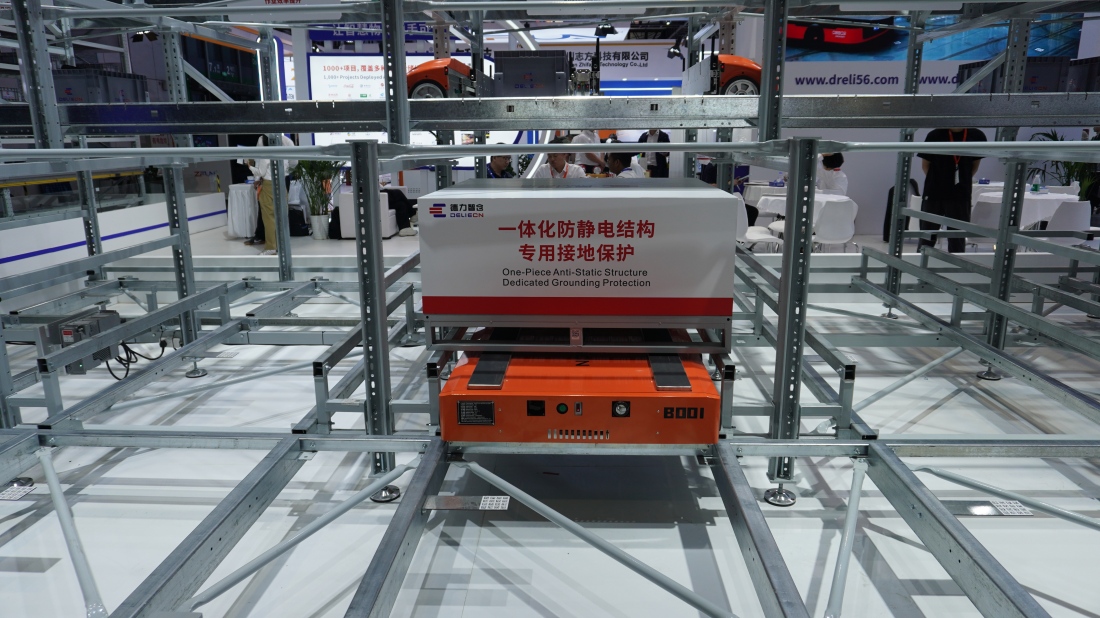
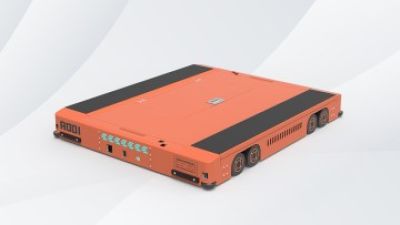
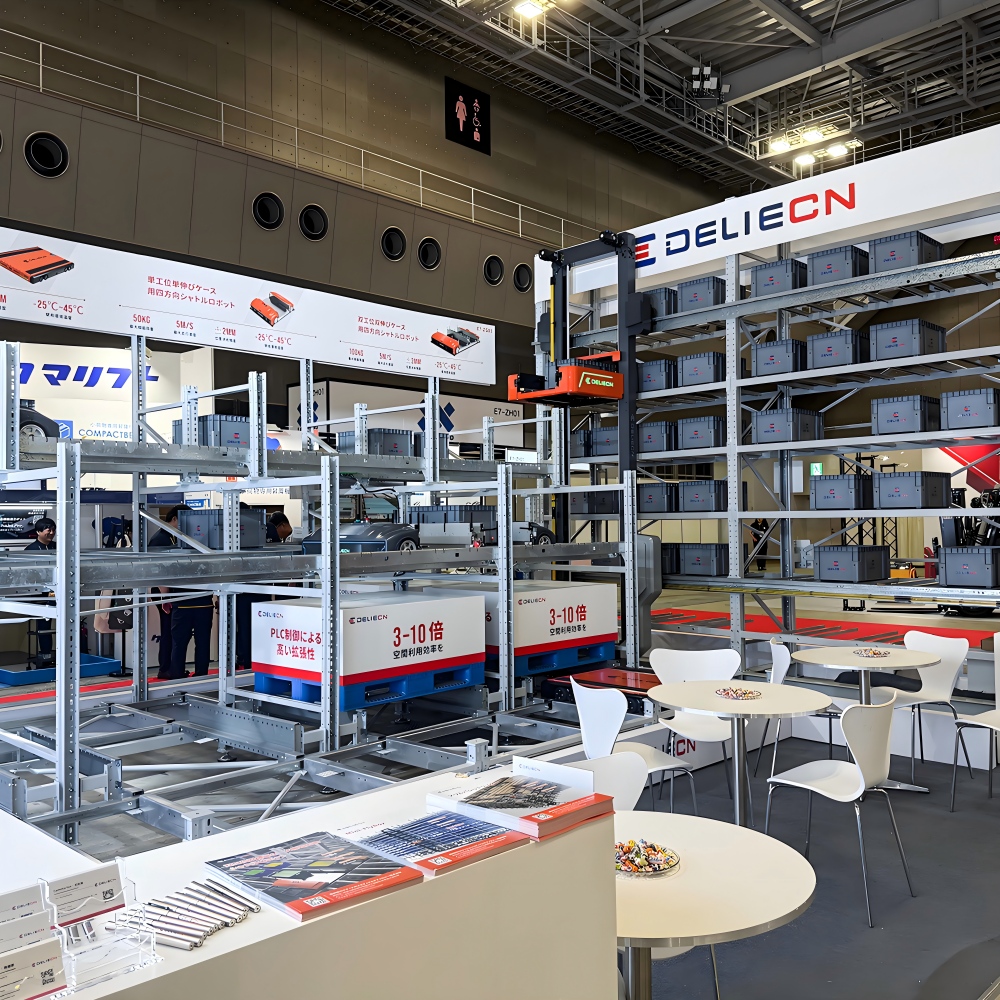
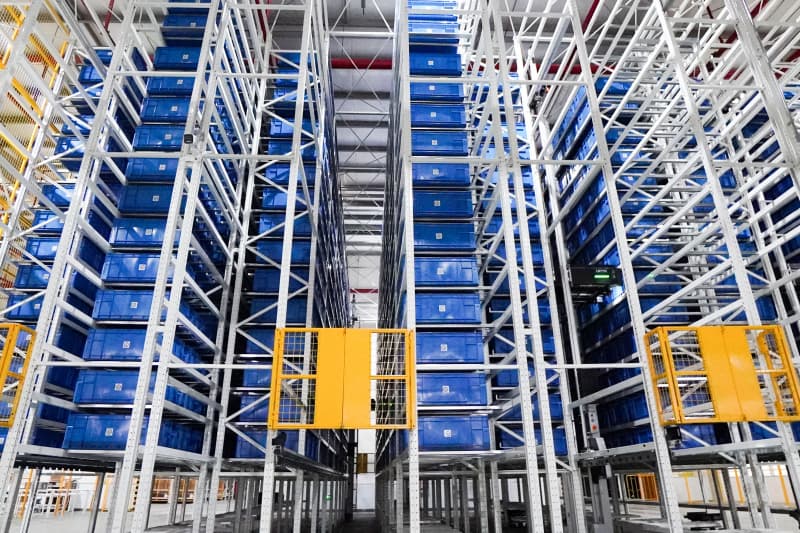
At CIIF 2026 in Shanghai, DELIECN presented a Pallet Four-Way Shuttle Robot designed for demanding operating environments. It was not simply another demonstration of a robot moving pallets through a rack. The application raised a more important question for Warehouse Automation buyers: can a supplier adapt a proven storage technology when the operating conditions fall outside the standard design?
That question matters more than ever in 2026. Automotive plants, pharmaceutical manufacturers, chemical facilities and cold-chain operators do not face the same warehouse problems. Even within the same industry, differences in temperature, load weight, building height and material flow can lead to very different engineering requirements.
For global buyers comparing Four Way Shuttle Robot suppliers, the challenge is therefore not finding a manufacturer with an impressive catalogue. It is finding one that can translate a specific operating requirement into a reliable system, support it after commissioning and provide a practical route for future expansion.
DELIECN's projects in demanding environments, cold storage and ultra-high pallet storage offer several useful points of comparison.
Customization Matters Most When Standard Equipment Reaches Its Limits
Standard specifications make suppliers easy to compare, but they rarely describe the full engineering work behind a project.
A Pallet Shuttle designed for an ambient warehouse may need substantial changes before it can operate in a hazardous area. The design must account for the applicable hazardous-area classification, equipment protection requirements, control components and the safety requirements of the complete installation. A product advertised as suitable for special environments should therefore be assessed against the actual site conditions and the scope of its certification, rather than its product name alone.
DELIECN brought this engineering challenge to CIIF 2026 by showcasing a Pallet Four-Way Shuttle Robot developed for hazardous-area applications.
The significance lies in the design requirements behind the demonstration. A supplier must understand which components need to change, how those changes affect the complete machine, and whether the modified equipment can still perform its intended Storage And Retrieval tasks. A solution that meets a special environmental requirement but compromises positioning accuracy or operating reliability has not solved the customer's problem.
Customization also extends beyond environmental protection. Load dimensions, pallet specifications, rack clearances, transfer positions and communication with other equipment all influence the final design.
For buyers, a useful way to assess a supplier is to present the actual operating conditions and ask which parts of the proposed system require modification, why those changes are necessary, and how their performance will be verified.
The quality of that discussion often reveals more than a standard product presentation.
Cold Storage and Ultra-High Warehouses Test Different Capabilities
Cold storage provides another test of engineering depth.
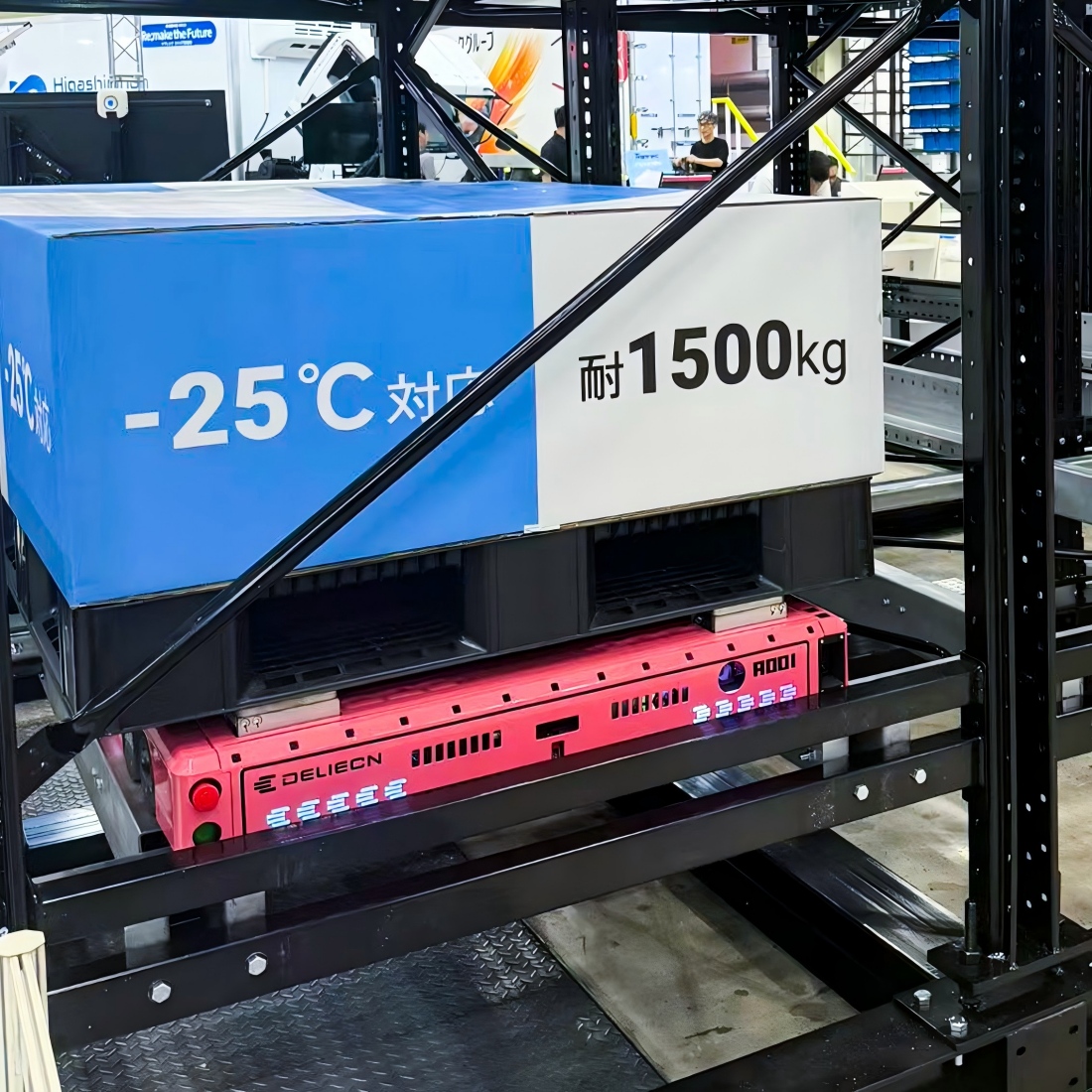
At temperatures around -25°C, battery performance, lubrication, electrical components and mechanical operation require careful consideration. Maintenance access also becomes more complicated. A shuttle that works reliably in a temperature-controlled showroom is not necessarily ready for continuous operation inside a frozen warehouse.
DELIECN has applied its Pallet Four-Way Shuttle Robot technology in a cold-storage project operating at approximately -25°C, with around3,484 pallet positions.
The value of the project extends beyond the equipment's temperature rating. In frozen storage, refrigerated volume is expensive, and unnecessary manual handling increases operational demands. Dense storage can make better use of the available building volume, while automated retrieval reduces the need for routine personnel access to storage aisles.
However, a buyer should still examine charging arrangements, recovery procedures, maintenance requirements and the actual throughput needed during peak periods. Low-temperature suitability is one part of the solution; dependable operation depends on the complete system.
Ultra-high storage presents a different engineering challenge.
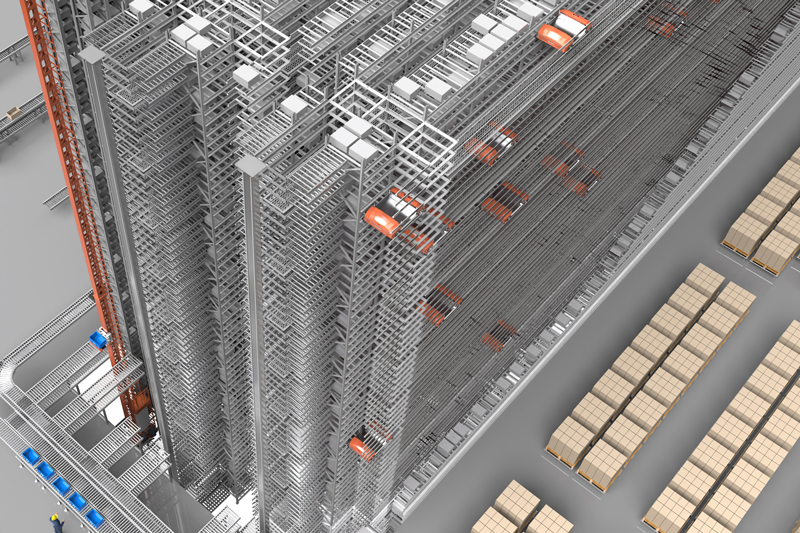
DELIECN has also delivered a 29-meter-high Pallet Four-Way Shuttle AS/RS for the new-materials industry. At this height, the supplier must consider more than shuttle travel. Rack design, structural tolerances, vertical transfer, load handling and coordination between equipment become increasingly important to overall performance.
The contrast between these two applications is revealing. One requires adaptation to a demanding temperature environment; the other requires a coordinated design for a tall storage structure. Both depend on the supplier's ability to engineer the shuttle as part of a complete warehouse rather than treat it as an independent machine.
Innovation Should Solve an Operating Problem
New features are easy to announce. Their value depends on what changes in the warehouse.
DELIECN's 125 mm ultra-thin Pallet Four-Way Shuttle illustrates this distinction. A thinner shuttle can give designers more flexibility when determining rack clearances and storage arrangements, particularly in buildings where height is limited. The benefit is not the smaller dimension by itself, but the additional design options it may create.
The same principle applies to motion control, positioning and multi-robot coordination. Higher travel speed has limited value if robots spend too much time waiting at transfer points. More storage locations do not necessarily improve warehouse performance if the system cannot retrieve pallets at the required rate.
This is why buyers should ask suppliers to explain the operating problem behind an innovation. What limitation did the previous design have? What has changed mechanically or through control software? How was the improvement evaluated under realistic working conditions?
DELIECN develops its core shuttle technology and warehouse control capabilities in-house. This gives its engineering teams a closer connection between mechanical design, equipment control and system integration. For projects involving customized equipment, that connection can be particularly useful when a change in one part of the design affects another.
Proven Projects Matter More Than a Long Product List
A supplier's project history helps establish whether its engineering capability extends beyond product development.
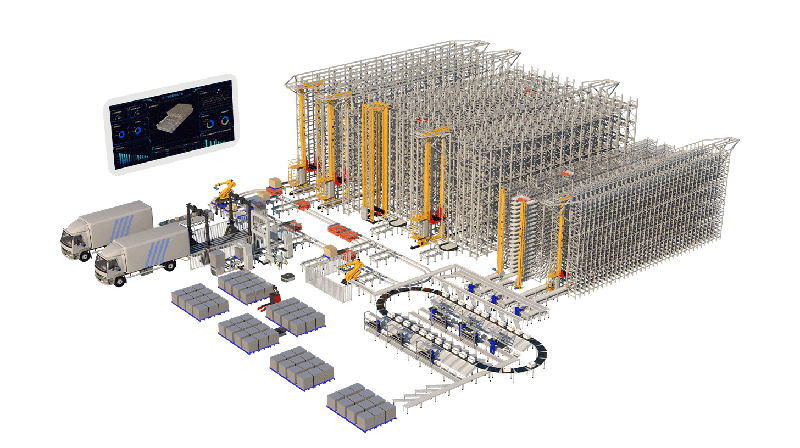
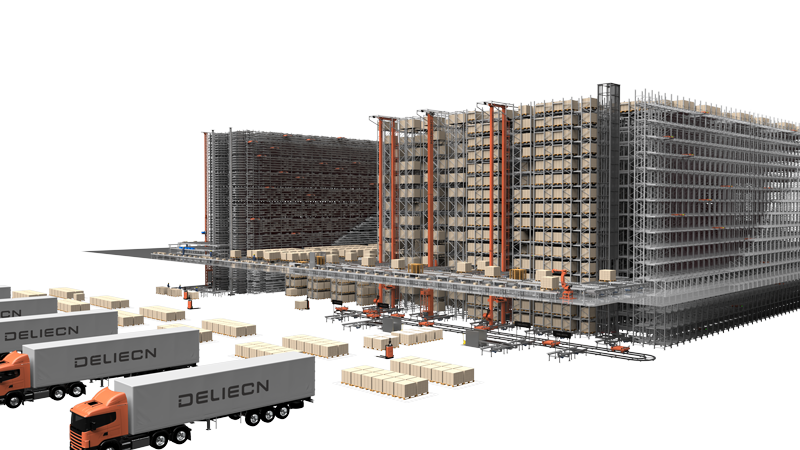
Consider the difference between supplying a shuttle for a straightforward pallet rack and delivering a multi-robot system for a large battery-material warehouse. The latter requires the supplier to address storage density, heavy-load handling, equipment scheduling, vertical transfer and the relationship between inbound and outbound demand.
DELIECN's battery-material project provides a practical reference: approximately 21 meters in height, 41,580 pallet positions and more than 30 Pallet Four-Way Shuttle Robots, with planned throughput of around 265 pallets per hour.
These figures do not automatically prove that the same configuration will suit another customer. They do, however, provide a basis for discussing fleet coordination, system capacity and the engineering considerations associated with a large installation.
Buyers should look for comparable experience rather than simply counting completed projects. A supplier experienced in high-density battery-material storage may bring useful knowledge to another heavy-pallet application, while a pharmaceutical project may be a better reference for traceability and controlled material handling.
The important question is whether the supplier understands the operating constraints behind the reference project and can explain which lessons apply to the proposed warehouse.
Component Quality and Spare Parts Affect Long-Term Reliability
A warehouse automation system may operate for many years, so supplier evaluation should extend beyond the initial installation.
DELIECN develops and manufactures its core products in-house while using components from established international manufacturers, including Schneider Electric electrical components, Siemens PLCs and Omron motors.
Recognized component brands provide a useful starting point, but they do not guarantee system reliability on their own. Component selection, integration, operating conditions and maintenance all affect the final result.
Spare-parts availability deserves the same attention. Before signing a contract, buyers should clarify which parts are considered critical, which components are held in stock, how replacement parts are supplied internationally and what support is available if a failure affects production.
These arrangements are particularly important for customized equipment. A standard component may be readily available locally, while a specially configured part may require a different replacement procedure.
A capable supplier should be able to explain both the component strategy and the plan for maintaining the equipment throughout its service life.
After-Sales Support Should Extend Beyond the Factory Gate
For international customers, service capability can be as important as manufacturing capability.
A supplier may deliver an excellent system, but overseas projects introduce practical challenges: different time zones, local installation requirements, communication across languages and the availability of qualified technicians when equipment needs attention.
DELIECN works with global partners to extend its sales and after-sales support network. For international integrators and end users, this network can help provide a more accessible route for technical communication, project coordination and service support.
The precise responsibilities should be confirmed for each market and project. Buyers should establish who handles remote diagnosis, who can provide on-site assistance, what training is included and how spare parts are delivered.
A strong service arrangement is not simply a promise to respond quickly. It establishes how a problem will be diagnosed, who is responsible for resolving it and what happens if the first intervention does not restore operation.
Pallet Shuttle Robots for Automated Pallet Storage: Insights from MHI’s 2024 Industry Report
Pallet shuttle robots are becoming a practical response to the growing need for storage density, labor efficiency, and reliable material flow. MHI’s 2024 Annual Industry Report indicates that 55% of surveyed supply-chain leaders planned to increase investment in technology and innovation, reflecting a clear shift toward automated warehouse operations. Pallet shuttle systems support this shift by moving loads independently through deep-lane storage, reducing forklift travel and improving throughput in high-volume facilities. Their compact operating model can also help companies use vertical and floor space more effectively.
This trend is reinforced by the International Federation of Robotics’ World Robotics 2024 report, which recorded approximately 4.28 million industrial robots operating worldwide in 2023, a year-on-year increase of about 10%. Within palletized environments, shuttle robots are especially suitable for food and beverage, pharmaceutical, chemical, and other sectors requiring organized, traceable handling. Compatibility with multiple pallet types allows facilities to adapt the system to varied product dimensions and packaging formats. When integrated with warehouse management and automated storage and retrieval software, pallet shuttle robots can coordinate inventory locations, reduce manual handling, and maintain consistent performance during peak demand.
FAQS
Evaluate customization, proven project experience, system integration, spare-parts availability and after-sales support.
Yes. Designs can be adapted to specific temperature, load, positioning and site requirements, subject to engineering validation.
Yes. DELIECN has a 29-meter-high Pallet Four-Way Shuttle AS/RS project in the new-materials industry.
It helps the supplier coordinate mechanical design, controls and system integration while maintaining closer control over product development.
DELIECN works with global partners to support technical communication, project coordination and after-sales service. Specific local service arrangements should be confirmed for each project.
Conclusion
The strongest supplier is not necessarily the one offering the highest travel speed or the lowest initial quotation. It is the one whose engineering capability matches the warehouse being planned.
DELIECN's hazardous-area shuttle showcased at CIIF, its -25°C cold-storage application and its 29-meter ultra-high AS/RS demonstrate different aspects of that capability. Its in-house product development, established component supply chain and global partner network provide further points for buyers to evaluate.
For a serious procurement decision, examine five things together: customization capability, experience in demanding environments, innovation supported by practical engineering, comparable operating projects, and a credible after-sales and spare-parts plan.
Then ask the supplier to explain how its proposed system will perform under your actual load conditions, peak throughput and maintenance constraints.
That is a more reliable way to identify the right Four Way Shuttle Robot supplier than comparing catalogue specifications alone.
For global buyers, the real measure of a supplier is whether it can turn a difficult warehouse requirement into a system that can be operated, maintained and supported over the long term.

 Industries
 Services
 About Us
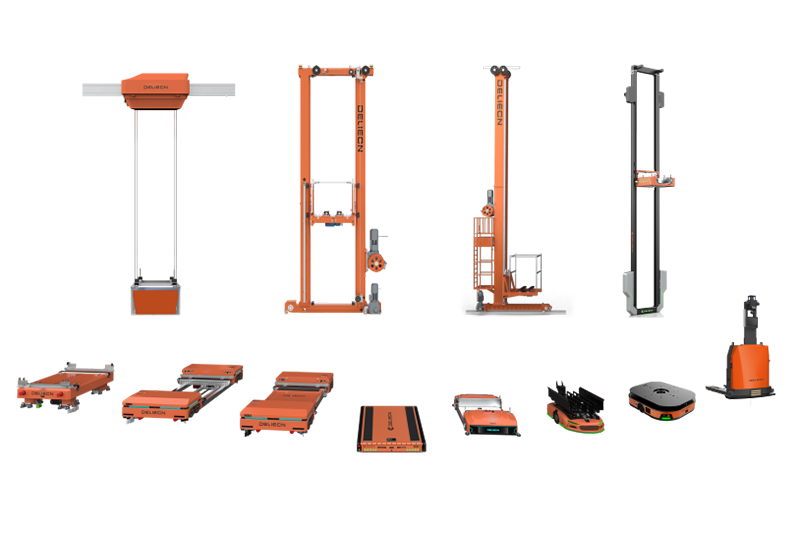 AS/RS Handling Robot
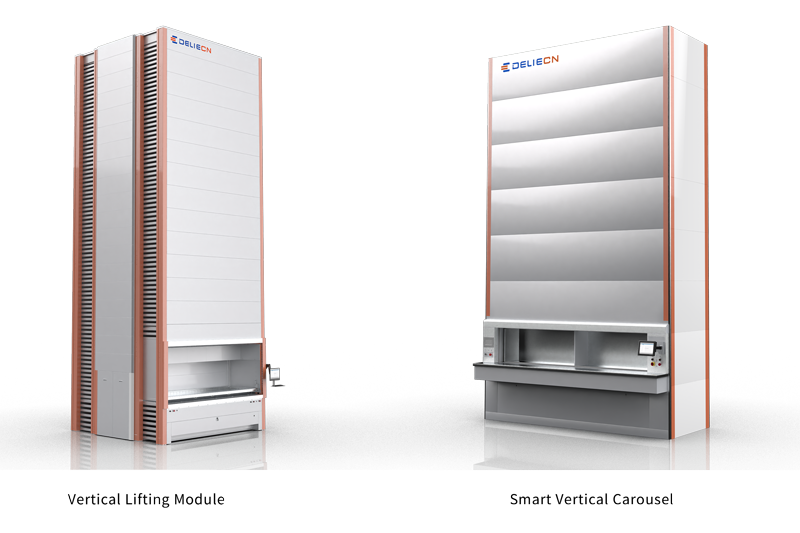 Vertical Storage Module
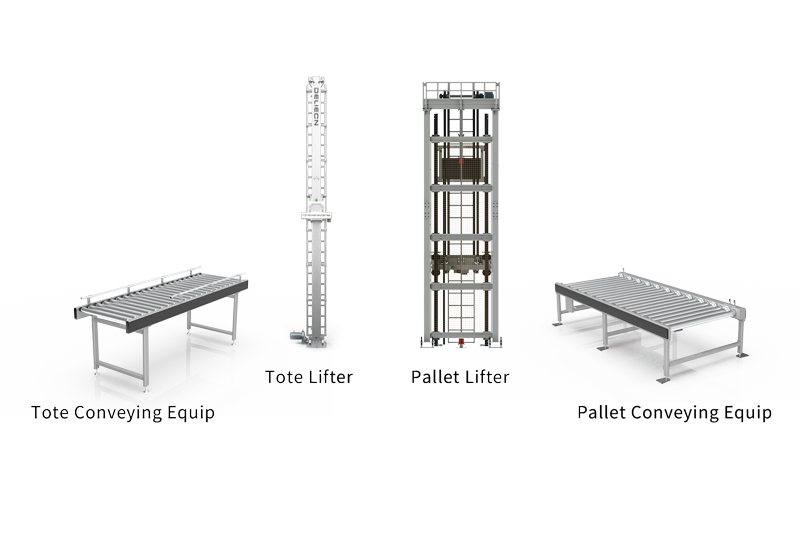 Conveying Equipment
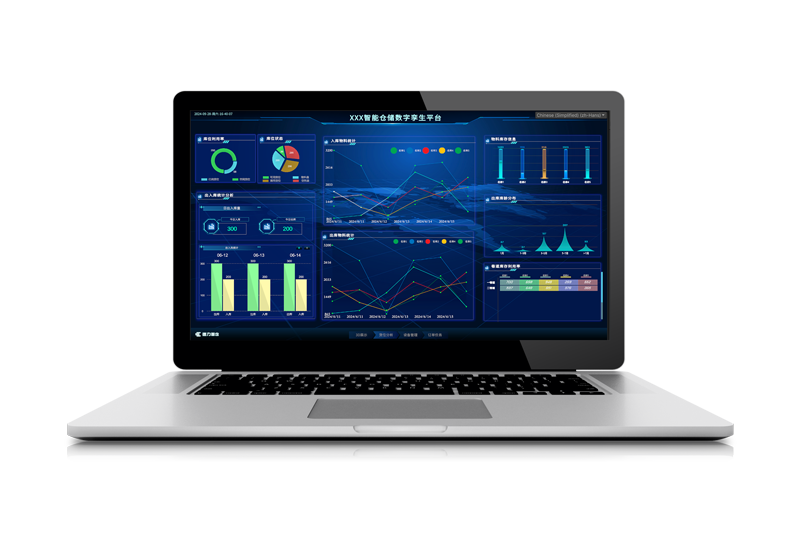 Smart Warehousing System
 Warehouse Racking